Top 6 Natural Monuments around Unst
Best natural monuments around Unst showcase the island's dramatic coastal scenery, unique geology, and exceptional wildlife. Unst, the northernmost inhabited island of Shetland, Scotland, features towering sea cliffs and moorland. These areas are home to internationally significant seabird colonies and rare botanical landscapes. Visitors can explore these diverse natural features, including the Hermaness National Nature Reserve and the Keen of Hamar.
Best natural monuments around Unst
- The most popular natural monuments is View of Hermaness Cliffs and Sea Stacks,…
Last updated: May 19, 2026
View of Hermaness Cliffs and Sea Stacks
Highlight • Viewpoint
Tip by

Muckle Flugga Lighthouse and Sea Stacks
Highlight • Natural Monument
Tip by

Sign up now to discover places like this
Get recommendations on the best single tracks, peaks, & plenty of other exciting outdoor places.
Sign up for free
Puffin Viewing Point at Hermaness NNR
Highlight • Viewpoint
Tip by

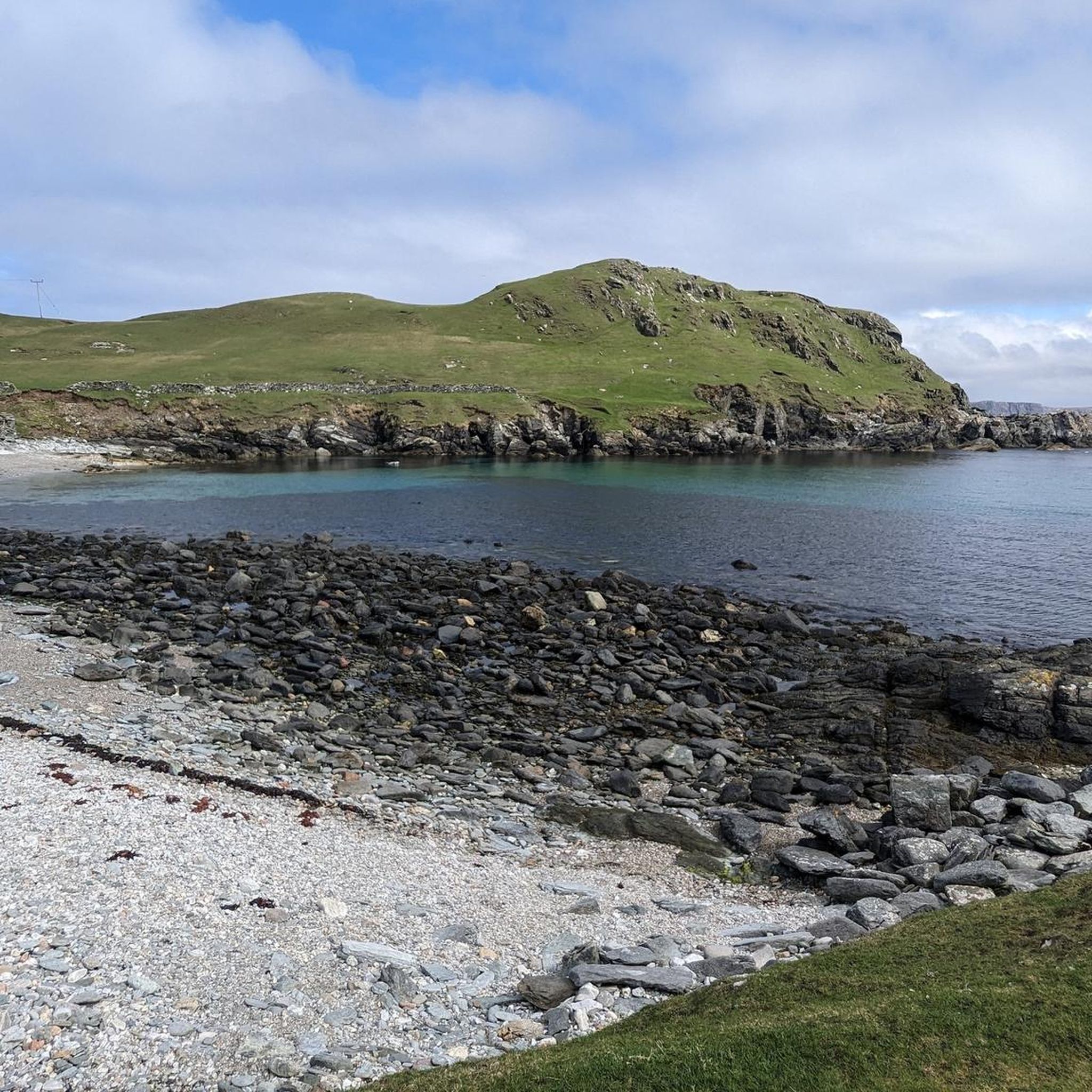
Funzie Beach
Highlight • Beach
The pebbles here are millions of years old, having been buried and partially melted, deformed and …
Tip by
Furra Stacks
Highlight • Natural Monument
Tip by
Sign up for free to discover even more natural monuments around Unst.
Sign up for free
Already have an account?
Start today with a free account
Your next adventure awaits.
Login or Signup
Other adventures around Unst

Tips from the Community

Worth it - the rocks of the north and the birds
0
0
Everything is full of nesting birds
0
1
The puffins were already gone here, maybe there would still be some to admire in early August
0
0

On the cliffs you can see tens of thousands of gannets and many puffins.
0
0

There are fine views along the jagged cliffs here, with sea stacks and skerries. Look out for otters that often frequent the two small lochs and the burn that flows out of them, down into Muckle Birriers Geo. The conglomerate rock, from which these cliffs are made, is said to be thousands of metres deep.
1
0
A feast for the senses, the sounds and sights of Hermaness are full of drama. The white tops of the waves complement the white staining on the cliffs where seabirds nest every year. Gannets glide past, searching the waves relentlessly, and then diving into the water at breakneck speeds. Puffins waddle from their clifftop burrows in early summer and, away from the bustle of the cliffs, great skuas and red throated divers nest in the open moorland. Hermaness National Nature Reserve is managed by NatureScot.
1
0

It is said that the puffins usually appear at noon. Saw a lot there in early July. Lots of other birds to watch too.
0
0

Frequently Asked Questions
What are the most popular natural monuments to visit in Unst?
Visitors frequently enjoy the dramatic clifftop scenery and vast seabird colonies at View of Hermaness Cliffs and Sea Stacks. Another highly regarded spot is Muckle Flugga Lighthouse and Sea Stacks, known for its iconic lighthouse and abundant nesting birds. For close-up encounters with puffins, the Puffin Viewing Point at Hermaness NNR is a favorite.
What unique geological features can I explore in Unst's natural monuments?
Unst offers fascinating geology. At Funzie Beach, you can observe millions of years old pebbles, formed by ancient geological processes. The Keen of Hamar National Nature Reserve, though not a highlight in the guide, is renowned for its unique serpentine and gabbroic rocks, creating a 'moonscape' terrain that supports rare flora.
When is the best time to visit Unst's natural monuments, especially for wildlife viewing?
The best time to visit Unst's natural monuments for seabird viewing is generally from mid-April to early August, when puffins and other species are nesting. For observing the rare flora at Keen of Hamar, May to July is ideal. The weather in Unst can be unpredictable, so dressing in layers and being prepared for all conditions is advisable.
Are there family-friendly natural monuments or activities in Unst?
While many natural monuments involve walking on rugged terrain, Funzie Beach is listed as family-friendly, offering a chance to explore unique geological features. The constructed paths and boardwalks at Hermaness National Nature Reserve also make it more accessible for families to enjoy the seabirds and dramatic views.
What kind of seabirds can I expect to see at Hermaness National Nature Reserve?
Hermaness National Nature Reserve is a haven for seabirds. You can expect to see over 100,000 breeding seabirds from 15 different species, including the world's third-largest colony of great skuas (bonxies). Large numbers of gannets, puffins, fulmars, and guillemots also nest here, with approximately 25,000 pairs of puffins in burrows along the clifftops.
Are there hiking trails near Unst's natural monuments?
Yes, there are several hiking opportunities near Unst's natural monuments. For example, you can find routes like the 'View of Hermaness Head – Gannets' Rock Cliffs loop' or the 'Muckle Flugga Lighthouse loop' starting from Hermaness National Nature Reserve. You can explore more hiking options on the Hiking around Unst guide.
What is the significance of Muckle Flugga and Out Stack?
Muckle Flugga and Out Stack are rocky islets that are part of the Hermaness National Nature Reserve. Muckle Flugga is famous for its iconic lighthouse, built in 1858, and is often described as the northernmost point of the British Isles (with Out Stack being slightly further north). These islets are significant for their dramatic appearance and as nesting sites for numerous seabirds.
What is the Keen of Hamar National Nature Reserve known for?
The Keen of Hamar National Nature Reserve is renowned for its unique botanical landscape. Despite its barren appearance due to serpentine geology, it is the only place in the world where the endemic Shetland mouse-eared chickweed (Edmondston's Chickweed) can be found. It also hosts other rare plants like Norwegian Sandwort and Northern Rock-cress.
How long should I plan for a visit to Hermaness National Nature Reserve?
To fully appreciate the Hermaness National Nature Reserve, including its seabird colonies and dramatic views, you should plan for at least 2-4 hours. This allows time for walking along the constructed paths and boardwalks, observing the wildlife, and reaching viewpoints like the Puffin Viewing Point.
Are there cycling routes available near Unst's natural monuments?
Yes, Unst offers cycling routes that allow you to explore the island's natural beauty. While not directly adjacent to every monument, routes like the 'Unst Bus Shelter – Norwick Beach loop' can take you through diverse landscapes. More cycling options can be found in the Cycling around Unst guide.
What is special about the Furra Stacks?
The Furra Stacks offer fine views along jagged cliffs, featuring impressive sea stacks and skerries. This area is also known for potential otter sightings in the two small lochs and the burn that flows into Muckle Birriers Geo. The cliffs themselves are made of conglomerate rock, said to be thousands of meters deep.
Most popular routes around Unst
Most popular attractions around Unst

Get inspired with the komoot mobile app


Explore more
Extend your search for the best caves by checking out these guides of the top ones around Unst:
