Floors, Makerstoun, Nenthorn And Smailholm
Floors, Makerstoun, Nenthorn And Smailholm
Top 7 Natural Monuments around Floors, Makerstoun, Nenthorn And Smailholm
Best natural monuments around Floors, Makerstoun, Nenthorn And Smailholm offer a blend of geological features, historical landscapes, and scenic viewpoints within the Scottish Borders. The region is characterized by rolling countryside, river valleys, and prominent hills that have shaped its natural and cultural heritage. These sites provide opportunities to explore diverse natural settings, from riverine features to elevated summits. The area's natural attractions are often intertwined with historical significance, providing a rich experience for visitors.
Best natural monuments around Floors,…
Last updated: August 24, 2026
Eildon Hill North
Highlight • Summit
Tip by

Eildon Mid Hill Summit
Highlight • Viewpoint
Tip by

Sign up now to discover places like this
Get recommendations on the best single tracks, peaks, & plenty of other exciting outdoor places.
Sign up for free
Lilliard's Stone and Lilliot Cross
Highlight • Historical Site
Tip by
Eildon Wester Hill
Highlight • Summit
Tip by
Stichill Linn Waterfall
Highlight • Natural Monument
Tip by

Sign up for free to discover even more natural monuments around Floors, Makerstoun, Nenthorn And Smailholm.
Sign up for free
Already have an account?
Start today with a free account
Your next adventure awaits.
Login or Signup
Popular around Floors, Makerstoun, Nenthorn And Smailholm
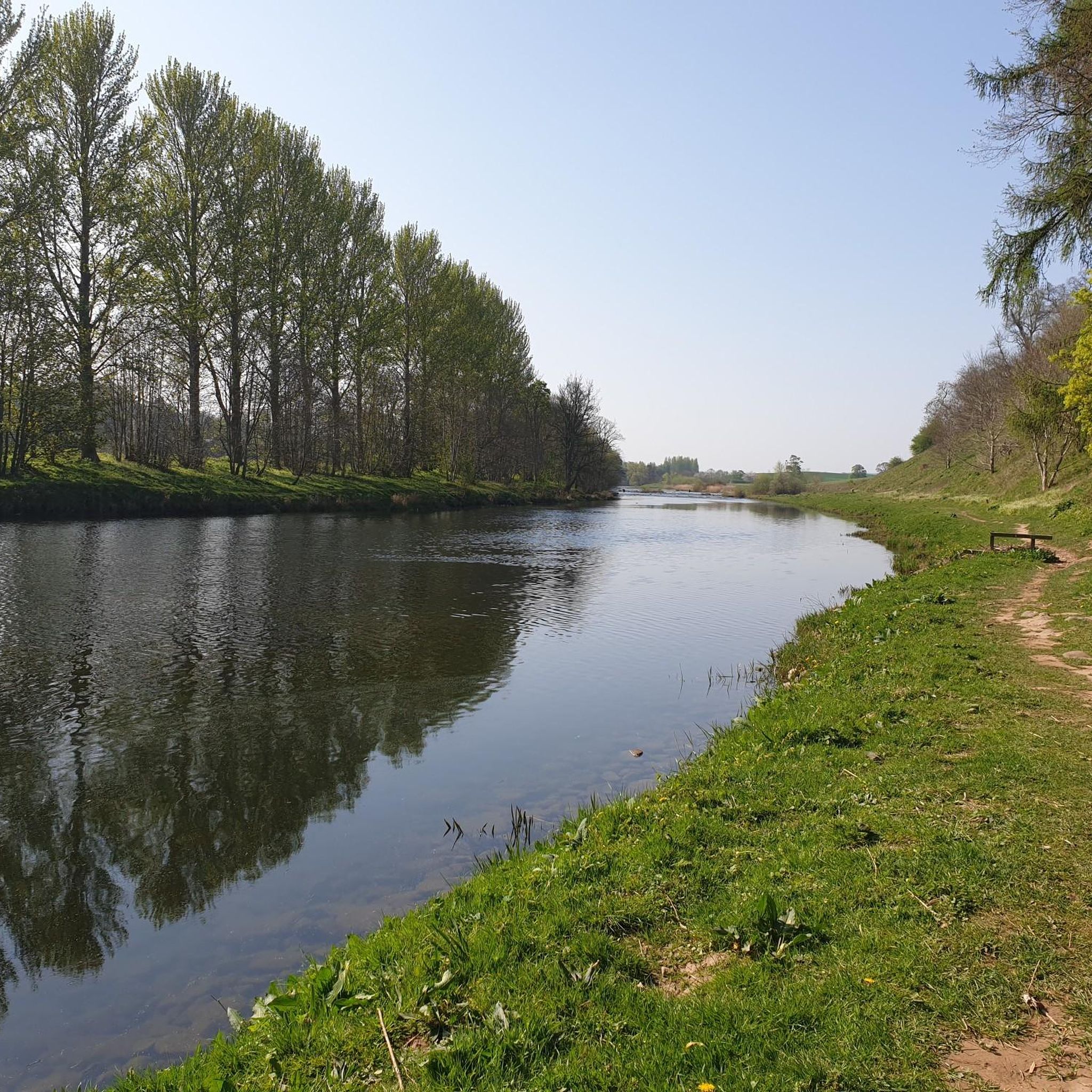
MTB Trails around Floors, Makerstoun, Nenthorn And Smailholm
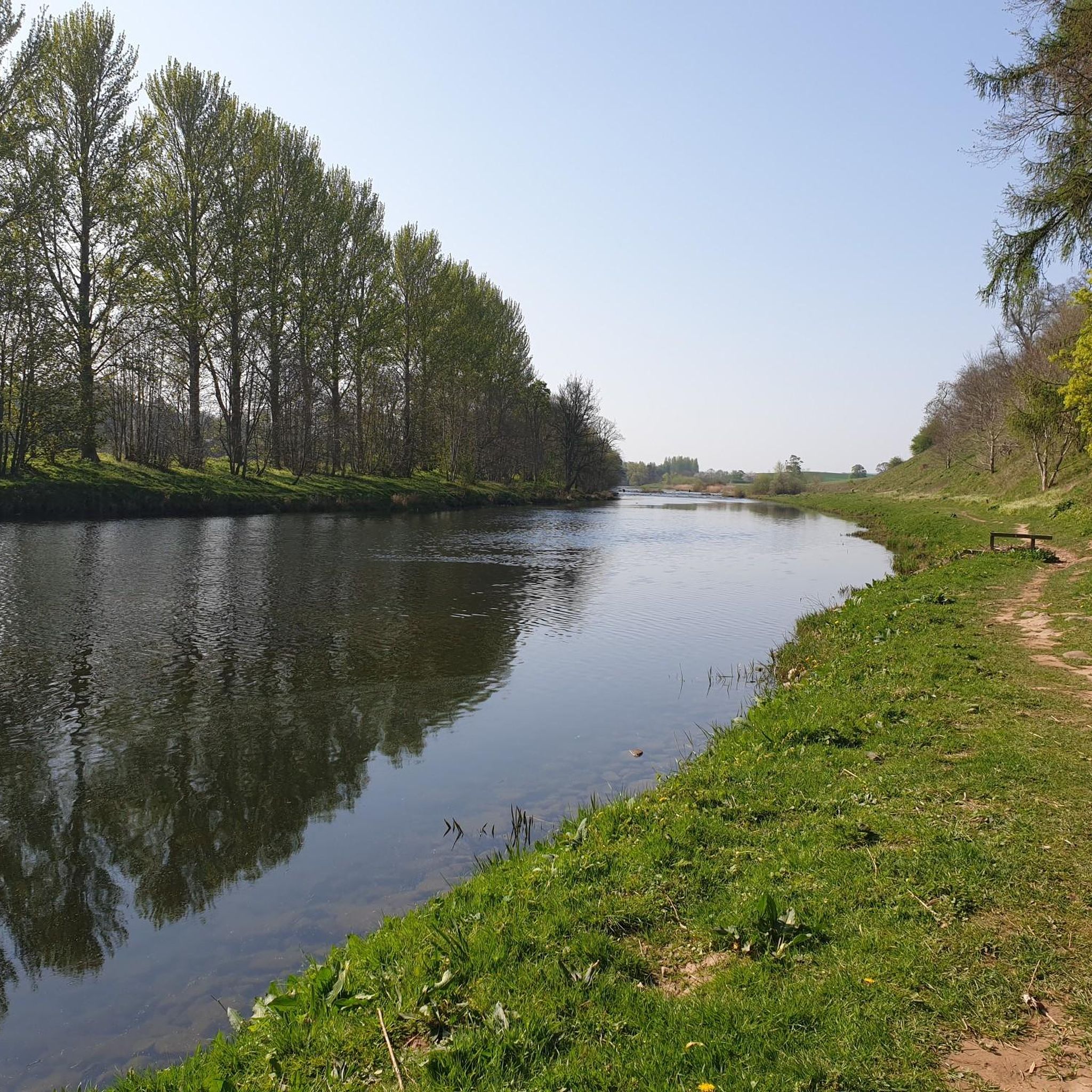
Hiking around Floors, Makerstoun, Nenthorn And Smailholm
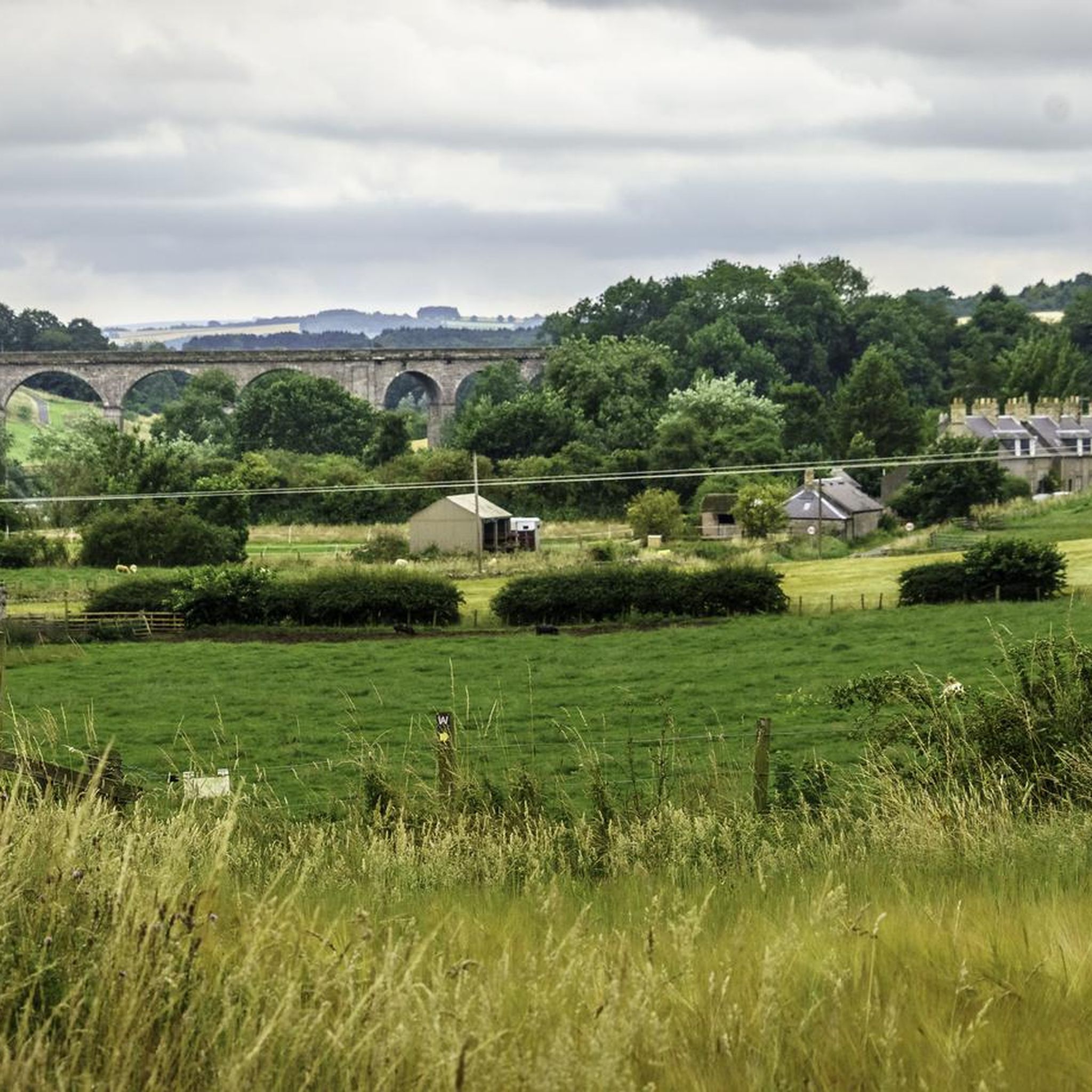
Road Cycling Routes around Floors, Makerstoun, Nenthorn And Smailholm
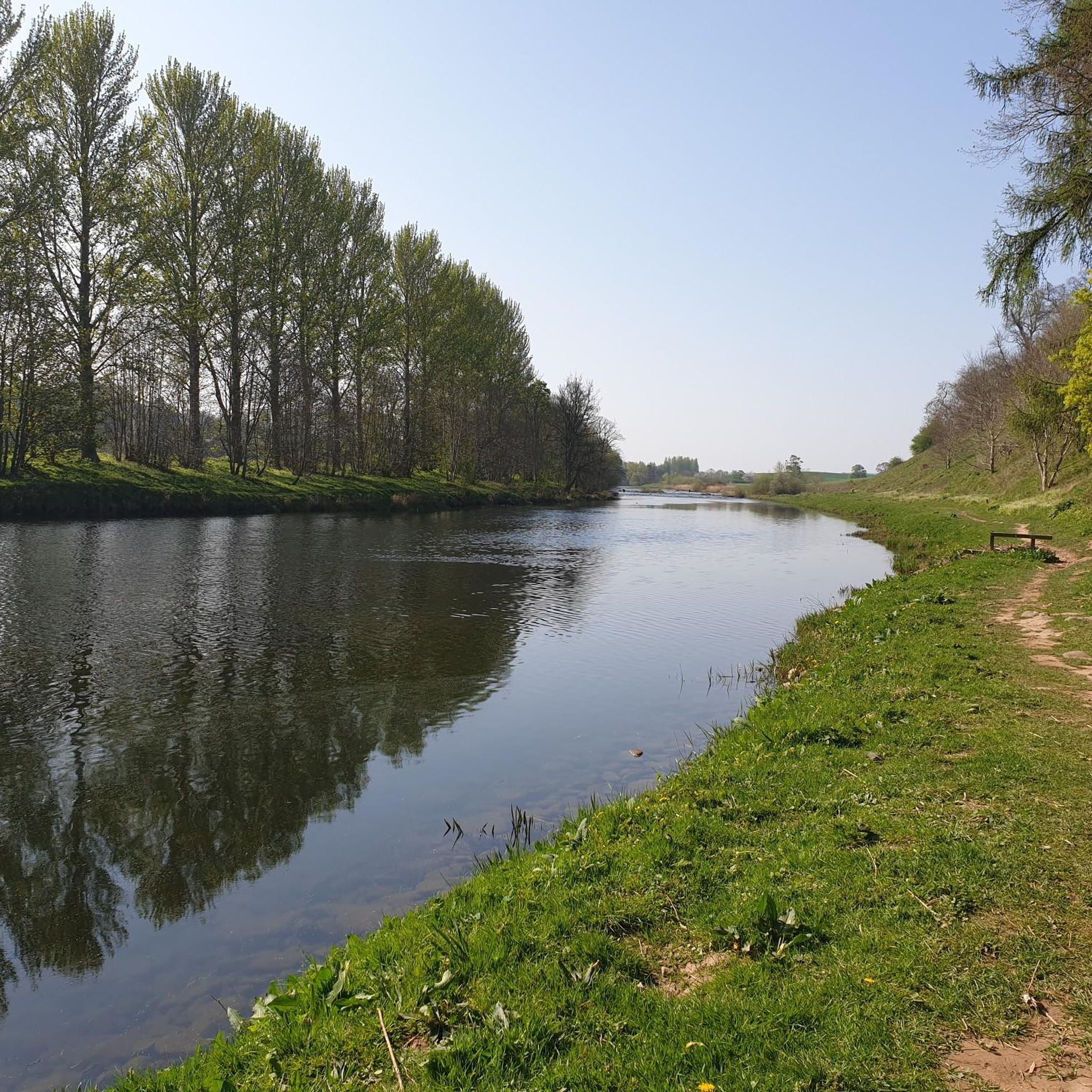
Cycling around Floors, Makerstoun, Nenthorn And Smailholm
Running Trails around Floors, Makerstoun, Nenthorn And Smailholm
Tips from the Community

Some say Maid Lilliard fought at Lilliard’s Edge during the Battle of Ancrum Moor to avenge her slain lover, while others believe she sought revenge for her lost family. According to legend, she either killed the ruthless English leaders Sir Ralph Evers and Sir Brian Laiton or rallied the outnumbered Scots to victory. After the battle, searchers found her body near the fallen English leaders. Though badly injured, she was recognized by her golden hair and white plume. Whether she truly struck down Laiton remains unknown, but she was given an individual burial, and a memorial was later erected in her honor.
0
0

Eildon Hill North is an historic, photogenic and widely visible landmark in the Scottish Borders. At 1325 feet (404 m) this peak is the second highest of the three Eildon (pronounced ‘Eeldon’) Hills located just south of Melrose. The significance of Eildon Hill North was recognised by Bronze Age and Iron Age peoples and by the Romans. This peak was the site of the largest Iron Age hill fort in Scotland. Up to 2000 people are thought to have lived here at the same time. Today the pockmarks from hundreds of roundhouse platforms and nearly 1-mile of defences are still visible. When the Romans came in about 80 AD they built their mighty garrison fort called ‘Trimontium’ (named after the three Eildon peaks) immediately below Eildon Hill North and also placed a signal station on this summit. Trimontium was the largest Roman settlement north of Hadrian’s Wall. The short but steep climb up Eildon Hill North is well worth the effort! On a clear day you will be rewarded with stunning views. The popular St Cuthbert’s Way that runs from Melrose Abbey to Holy Island in Northumberland climbs over the col in the Eildon Hills and provides a pleasant way up Eildon Hill North.
2
0

A very impressive, 40ft tall waterfall on Eden Water. Tucked away in a way, as you would expect this kind of thing in the Highlands, not necessarily in the gentler, less dramatic area such as the Borders, but there it is!
2
0

The central and highest of the Eildon Hills Eildon Mid Hill stands at 422m and offers the best views. Look northeast to the Iron Age hill fort ramparts on the north hill, south over the smaller Wester Hill and north over Melrose. The three hills are a great run from Melrose, steep and punchy but not actually that high or far so perfect for a half day or pre/post work run. Great views and some good vert for the distance.
0
0
The most western and the lowest of the three Eildon Hills this is also the furthest from Melrose which is the normal starting point for this run. The Wester Hill stands at 371m and like the other two summits you still get great views.
0
0
The north summit of the Eildon Hills stands at 404m. It was the largest Iron Age hill fort in Scotland with spaces flattened for at least 300 dwellings and a set of walls and ramparts around the whole summit. Later the Romans built a signalling station here. Today it's a great running loop from Melrose taking in the three summits in a nice loop.
0
0

Great views of the surrounding area and the other Eildon HIlls. A steep mid section adds an element of toughness but the majority of the climb is pretty easy going.
0
0

Found it, however make sure you have decent clothing on to get through muddy pathways, well worth the trek.
0
0
Frequently Asked Questions
What natural features can I explore around Floors, Makerstoun, Nenthorn, and Smailholm?
The region offers a variety of natural features. You can witness the dramatic Stichill Linn Waterfall on the Eden Water, or observe the unique Trow Crags in Makerstoun, a series of projecting rocks in the River Tweed. The Eden Water at Newton Don is also notable for its wooded ravine and ecological significance as part of the Tweed Special Area of Conservation. The Eildon Hills, including Eildon Hill North, Eildon Mid Hill Summit, and Eildon Wester Hill, are prominent geological formations with fascinating origins from ancient igneous sills.
Where are the best places for panoramic views in the area?
For expansive vistas, the Eildon Hills are unparalleled. Eildon Mid Hill Summit, the highest of the three peaks, offers sumptuous views of the surrounding countryside. Eildon Hill North also provides stunning rewards for its steep climb. Additionally, the crag where Smailholm Tower sits offers extensive views over the rolling Scottish Borders landscape, and the natural terrace of Floors Castle provides picturesque views of the River Tweed and the Cheviot Hills.
Are there any historical sites intertwined with the natural monuments?
Yes, the region's natural beauty is often linked with its rich history. Eildon Hill North was the site of the largest Iron Age hill fort in Scotland and a Roman signal station. You can also visit Lilliard's Stone and Lilliot Cross, a historical marker near the Dere Street Roman road with a legend tied to the Battle of Ancrum Moor. Smailholm Tower, while a man-made monument, is dramatically set atop a natural crag, offering a blend of historical and scenic interest.
What outdoor activities can I do near these natural monuments?
The area is excellent for various outdoor activities. You can find numerous cycling routes, including moderate to difficult options like the 'Border Loop' or 'Floors Castle – Roxburgh Viaduct loop from Kelso'. For road cycling, consider the '4 Abbeys Cycleway' or routes like 'Leaderfoot Viaduct – View of the Eildon Hills loop from Stichill'. Hiking is also popular, with easy trails such as the 'Stichill Linn Waterfall loop from Stichill'. You can find more details on these activities in the cycling guide, easy hikes guide, and road cycling guide for the region.
Are there family-friendly natural monuments or walks in the area?
While specific 'family-friendly' tags aren't always present, many natural monuments offer accessible experiences. The walks around Stichill Linn Waterfall are generally considered easy, making them suitable for families. The dramatic setting of Smailholm Tower, with its panoramic views, can also be an engaging visit for families, offering both historical context and scenic beauty. Always check the specific route details for difficulty and terrain when planning with children.
What is the best time of year to visit the natural monuments in this region?
Late summer, particularly August, is a glorious time to explore the Eildon Hills, as the heather is in full bloom, adding vibrant color to the landscape. Generally, spring and summer offer pleasant weather for walking and enjoying the views. However, the Trow Crags on the River Tweed are particularly striking when the river is in flood, creating a 'very fine effect,' which typically occurs during wetter periods.
What do visitors enjoy most about the natural monuments here?
Visitors frequently praise the breathtaking views from the Eildon Hills, especially the 'sumptuous views' from Eildon Mid Hill Summit. The historical significance of sites like Eildon Hill North, with its Iron Age and Roman connections, is also highly appreciated. The hidden charm and impressive 40ft drop of Stichill Linn Waterfall are often highlighted as a rewarding discovery.
Are there any natural monuments that are good for wildlife spotting?
The Eden Water at Newton Don, recognized as part of the Tweed Special Area of Conservation, is particularly valuable for its riverine flora and fauna. This area offers a tranquil natural setting where nature enthusiasts can appreciate the local ecology and potentially spot various wildlife species associated with river habitats.
What is the geological significance of the Eildon Hills?
The Eildon Hills, including Eildon Mid Hill Summit, are the eroded remnants of igneous trachytic and rhyolitic sills. This means that approximately 350 million years ago, magma worked its way between sedimentary layers and solidified, forming these charismatic mini-mountains. Their unique geological origin contributes to their distinctive shape and prominence in the landscape.
Can I find easy walking trails to natural monuments in the region?
Yes, there are several easy walking trails available. For example, the 'Stichill Linn Waterfall loop from Stichill' is an easy hike that allows you to visit the impressive waterfall. Other easy options include the 'James Thomson Memorial loop from Ednam' and various riverside paths along the Eden Water and River Tweed. You can explore more easy hiking options in the easy hikes guide for the area.
Are there any natural monuments with a connection to local legends or folklore?
Yes, the Eildon Hills are steeped in local folklore. Legend has it that the three peaks were split apart by a wizard named Michael Scot with the help of a mischievous devilish spirit. While geology provides the scientific explanation, this tale adds a mystical layer to the already impressive landscape of the Eildon Hills. Additionally, Lilliard's Stone and Lilliot Cross is associated with the legend of Maid Lilliard, a brave woman said to have fought at the Battle of Ancrum Moor.
Most popular routes around Floors, Makerstoun, Nenthorn And Smailholm
Most popular attractions around Floors, Makerstoun, Nenthorn And Smailholm

Get inspired with the komoot mobile app


Explore more
Extend your search for the best caves by checking out these guides of the top ones around Floors, Makerstoun, Nenthorn And Smailholm:
