Clovenfords And District
Clovenfords And District
Top 14 Natural Monuments around Clovenfords And District
Best natural monuments around Clovenfords And District are found within the Scottish Borders, an area characterized by rolling hills, forests, and significant waterways. This landscape features distinctive peaks, ancient geological formations, and important river systems. The region offers diverse natural features, from prominent hill summits to protected river habitats. These natural monuments provide opportunities for exploration and appreciation of the local environment.
Best natural monuments around Clovenfords And District
- The most popular natural monuments is Eildon Hill North, a…
Last updated: July 1, 2026
Eildon Hill North
Highlight • Summit
Tip by

Eildon Mid Hill Summit
Highlight • Viewpoint
Tip by

Sign up now to discover places like this
Get recommendations on the best single tracks, peaks, & plenty of other exciting outdoor places.
Sign up for free
Eildon Wester Hill
Highlight • Summit
Tip by
View of the Three Brethren
Highlight • Monument
Tip by

Leithen Water Swimming Spot
Highlight • River
Tip by

Sign up for free to discover even more natural monuments around Clovenfords And District.
Sign up for free
Already have an account?
Start today with a free account
Your next adventure awaits.
Login or Signup
Popular around Clovenfords And District
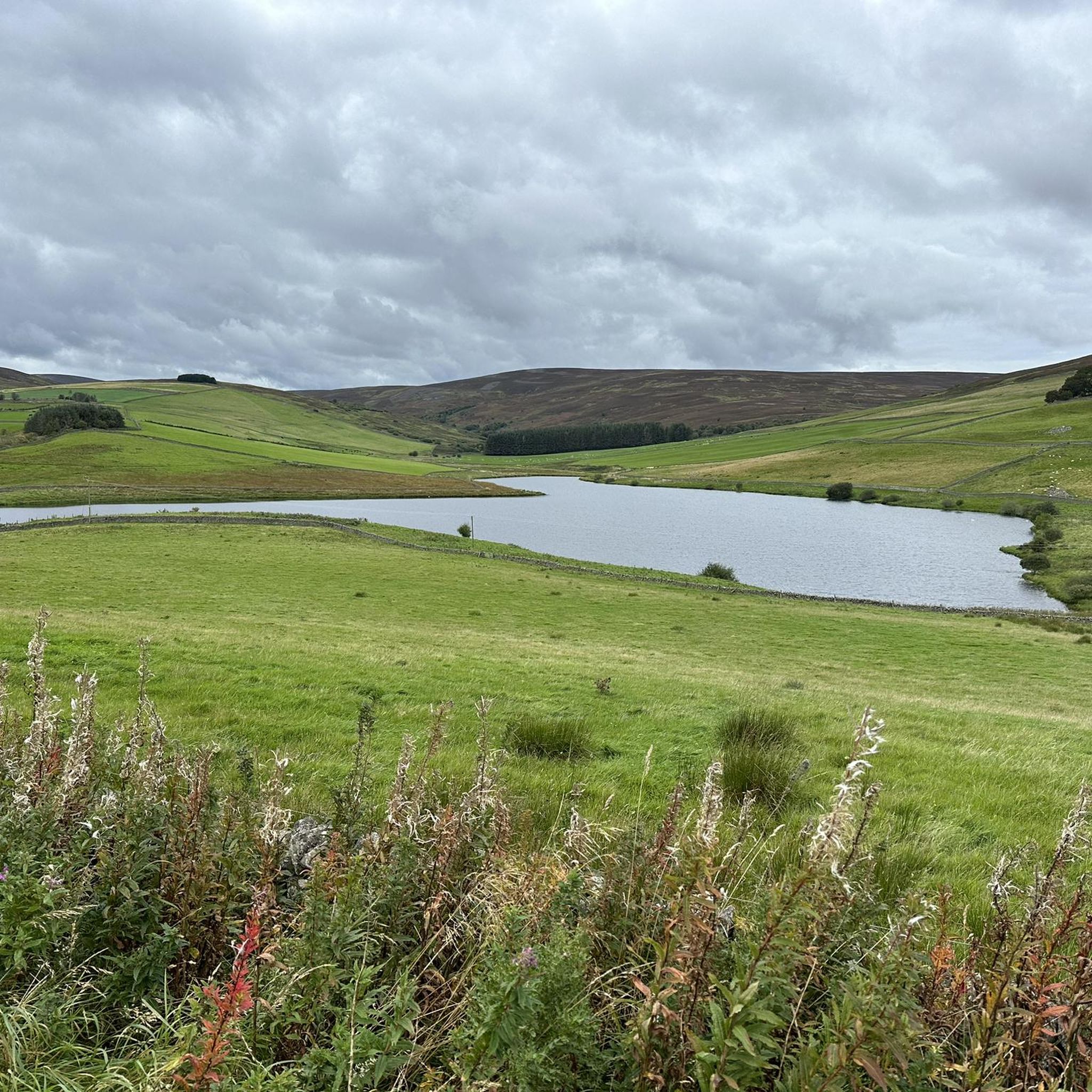
Tips from the Community


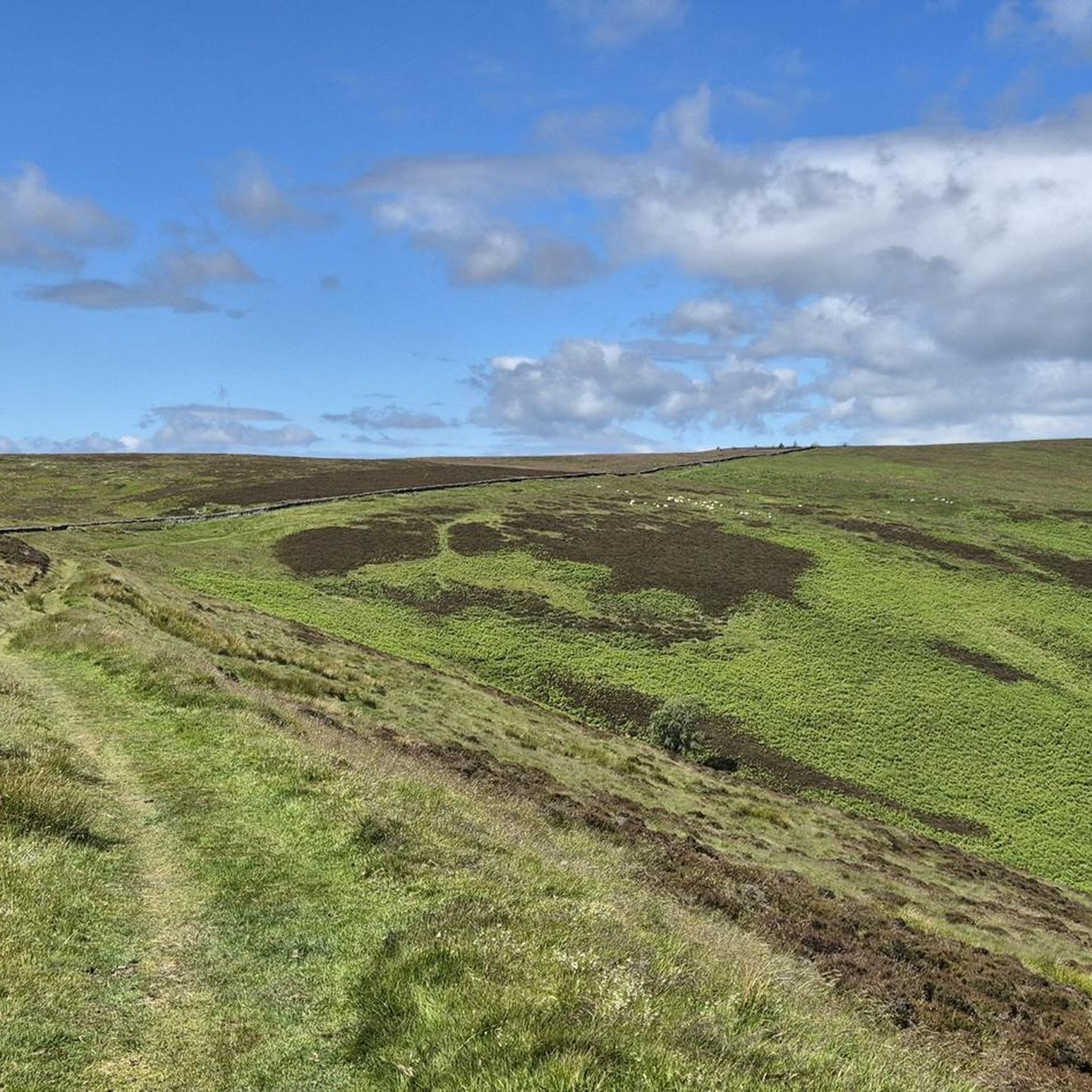
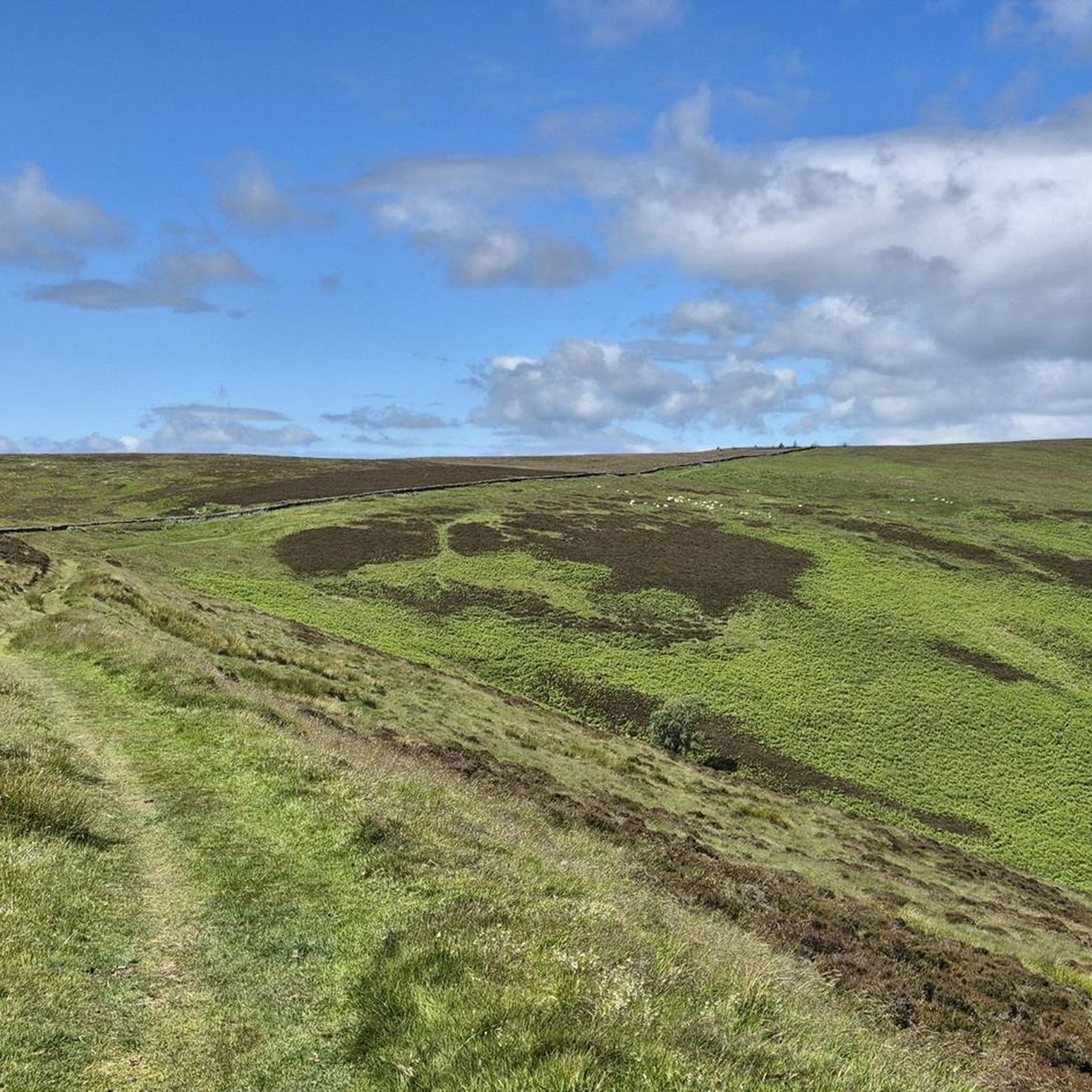
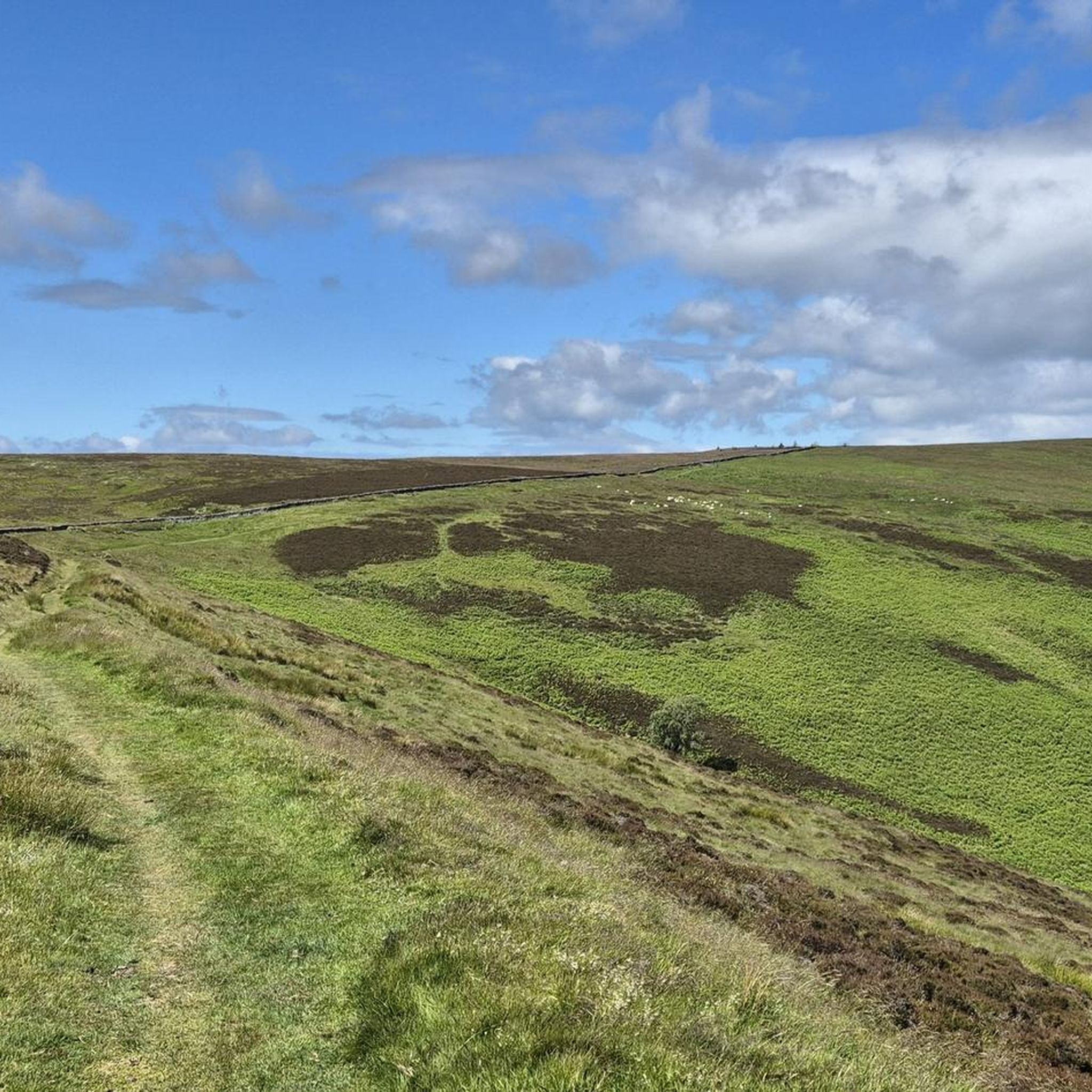
Eildon Hill North is an historic, photogenic and widely visible landmark in the Scottish Borders. At 1325 feet (404 m) this peak is the second highest of the three Eildon (pronounced ‘Eeldon’) Hills located just south of Melrose. The significance of Eildon Hill North was recognised by Bronze Age and Iron Age peoples and by the Romans. This peak was the site of the largest Iron Age hill fort in Scotland. Up to 2000 people are thought to have lived here at the same time. Today the pockmarks from hundreds of roundhouse platforms and nearly 1-mile of defences are still visible. When the Romans came in about 80 AD they built their mighty garrison fort called ‘Trimontium’ (named after the three Eildon peaks) immediately below Eildon Hill North and also placed a signal station on this summit. Trimontium was the largest Roman settlement north of Hadrian’s Wall. The short but steep climb up Eildon Hill North is well worth the effort! On a clear day you will be rewarded with stunning views. The popular St Cuthbert’s Way that runs from Melrose Abbey to Holy Island in Northumberland climbs over the col in the Eildon Hills and provides a pleasant way up Eildon Hill North.
2
0

Fabulous views from up here; one of the most amazing views from a hill in the Scottish Borders - panoramic splendour anywhere you look! If you are wondering why there are three cairns here, these were put in the 1500s to mark the meeting of the estate lands belonging to the lairds of Selkirk, Philliphaugh and Yair.
1
0
One of the best, if not the best, summit views in the Scottish Borders. Panoramic views wherever you look. On a clear day, the Eildon Hills are clearly visible, and the hills of Ettrick Forest are basically everywhere. Gorgeous! A word of warning... if you are climbing from Yair up here, it's a steep one!
2
0

Go, just GO there & you’ll be in awe 🫢 (Weather permitting 🌫️🤞🏻)
0
0

The central and highest of the Eildon Hills Eildon Mid Hill stands at 422m and offers the best views. Look northeast to the Iron Age hill fort ramparts on the north hill, south over the smaller Wester Hill and north over Melrose. The three hills are a great run from Melrose, steep and punchy but not actually that high or far so perfect for a half day or pre/post work run. Great views and some good vert for the distance.
0
0
The most western and the lowest of the three Eildon Hills this is also the furthest from Melrose which is the normal starting point for this run. The Wester Hill stands at 371m and like the other two summits you still get great views.
0
0
The north summit of the Eildon Hills stands at 404m. It was the largest Iron Age hill fort in Scotland with spaces flattened for at least 300 dwellings and a set of walls and ramparts around the whole summit. Later the Romans built a signalling station here. Today it's a great running loop from Melrose taking in the three summits in a nice loop.
0
0
Frequently Asked Questions
What are some lesser-known natural monuments to explore near Clovenfords And District?
Beyond the prominent Eildon Hills, you can discover the peaceful Eildon Wester Hill, the smallest of the three Eildon peaks, offering unique views back towards its larger siblings. Another interesting spot is the Leithen Water Swimming Spot, a refreshing natural pool perfect for a dip after a walk.
Are there any natural monuments with historical significance in the area?
Yes, the Eildon Hills are rich in history. Eildon Hill North was the site of the largest Iron Age hillfort in Scotland and later a Roman signal station. The distinctive Three Brethren cairns, visible from the View of the Three Brethren, were built in the 16th century to mark the boundaries of three historic estates.
What kind of wildlife can I expect to see around the natural monuments?
The River Tweed, a major waterway flowing through the Scottish Borders, is a designated Site of Special Scientific Interest and a Special Area of Conservation. It's renowned for its wild Atlantic salmon and is a haven for wildlife such as otters, dippers, kingfishers, herons, and ospreys. Riverside walks offer excellent opportunities for wildlife spotting.
Are there family-friendly natural monuments or walks suitable for children?
Many of the natural monuments offer routes suitable for families, depending on the children's age and fitness. The lower slopes of the Eildon Hills provide gentler paths, and riverside walks along the River Tweed are generally accessible. For specific routes, you can explore the Running Trails around Clovenfords And District guide, which includes moderate options like the River Tweed – Yair Hill Forest loop.
What are the best natural monuments for panoramic views?
For truly magnificent panoramic views, the Eildon Hills are unparalleled. Eildon Mid Hill Summit, the highest point, offers expansive vistas stretching as far as the Cheviot Hills and the North Sea on a clear day. The View of the Three Brethren also provides excellent views over the rolling Borders hills.
Can I go cycling or mountain biking near these natural monuments?
Yes, the area around Clovenfords And District offers various cycling opportunities. You can find numerous routes in the Road Cycling Routes and MTB Trails guides. For example, the 'Red Score Nick Pass – View of the Three Brethren' loop offers a challenging mountain biking experience near the Three Brethren.
What is the best time of year to visit the natural monuments in Clovenfords And District?
The Scottish Borders are beautiful year-round, but late spring to early autumn (May to September) generally offers the most pleasant weather for exploring. Late summer, particularly August, is a glorious time to visit the Eildon Hills when the heather is in full bloom, adding vibrant color to the landscape.
Are there any natural monuments that involve water activities?
The River Tweed is ideal for water-based activities. Visitors can enjoy canoeing, kayaking, and paddleboarding on its waters. Additionally, the Leithen Water Swimming Spot provides a refreshing natural pool for wild swimming.
How accessible are the natural monuments by public transport?
While some areas are accessible by local bus services to nearby towns like Galashiels or Melrose, reaching the specific trailheads for natural monuments often requires a car. It's advisable to check local bus schedules and plan your route in advance if relying on public transport, as direct access to all sites may be limited.
Are there challenging hikes to natural monuments for experienced walkers?
Absolutely. The ascent to the Three Brethren, especially from Yair, can be steep and challenging. Similarly, reaching the summits of the Eildon Hills, particularly Eildon Mid Hill Summit, involves steady climbs that reward experienced hikers with spectacular views. The Running Trails guide lists several 'difficult' routes, such as the 'Three Brethren Cairns loop'.
Where can I find peaceful walks away from more popular spots?
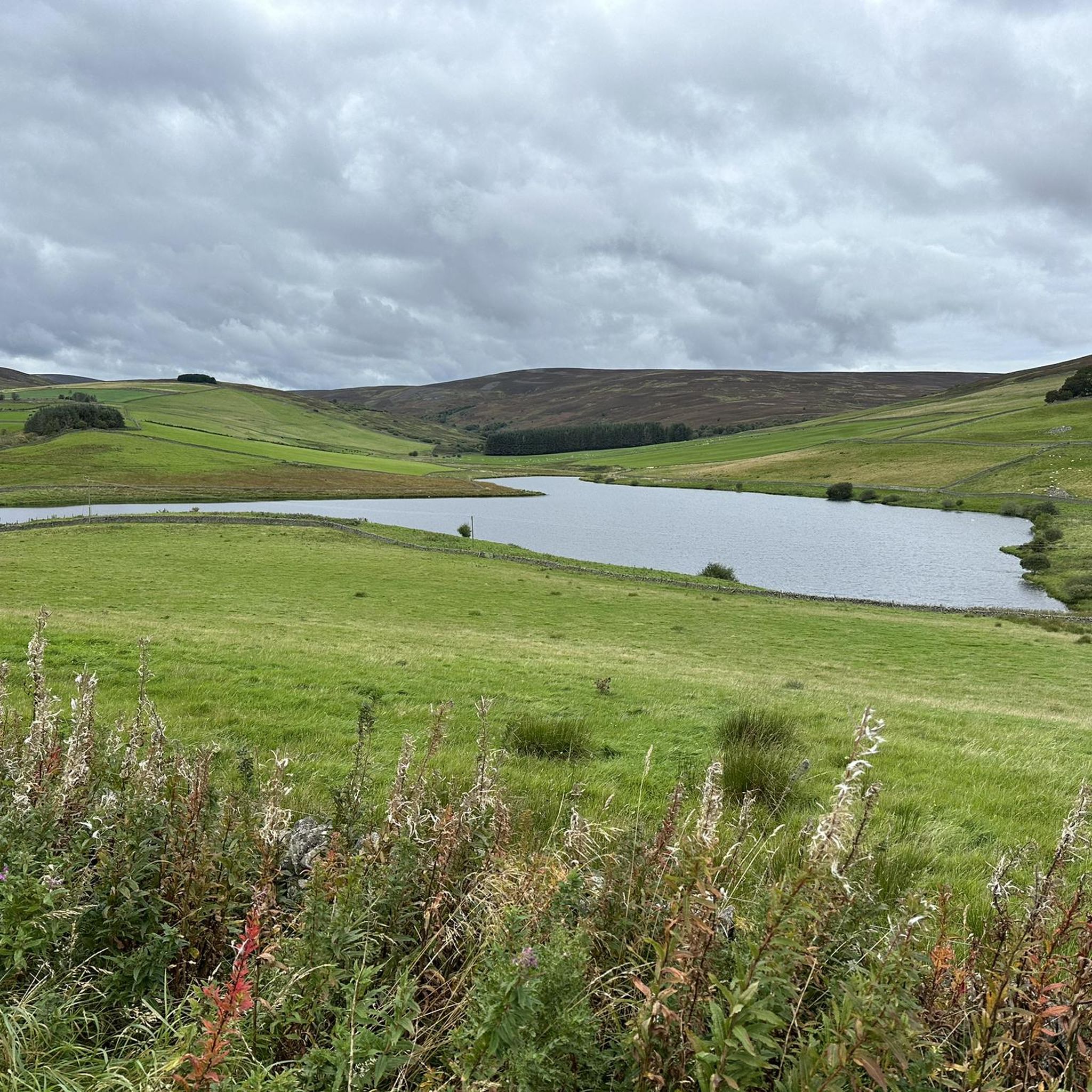
For a quieter experience, consider exploring the areas around Caddon Water. This smaller river contributes to the scenic valleys and offers opportunities for peaceful walks along its banks, providing a tranquil escape from more frequented trails.
What should I wear when visiting the natural monuments?
Given the varied terrain and changeable Scottish weather, it's recommended to wear sturdy walking boots, waterproof and windproof layers, and appropriate clothing for the season. Even on clear days, conditions can change quickly, especially at higher elevations like the Eildon Hills or the Three Brethren.
Most popular routes around Clovenfords And District
Most popular attractions around Clovenfords And District

Get inspired with the komoot mobile app


Explore more
Extend your search for the best caves by checking out these guides of the top ones around Clovenfords And District:
