Top 5 Natural Monuments around South Ronaldsay
Best natural monuments around South Ronaldsay showcase the island's dramatic coastline and significant geological features. This part of the Orkney Islands offers rugged cliffs, expansive sea views, and diverse wildlife habitats. Visitors can explore a landscape shaped by natural forces, providing insights into the island's unique environment. The area is characterized by its coastal trails, sea stacks, and panoramic viewpoints.
Best natural monuments around South Ronaldsay
- The most popular natural monuments is Hole of Ness Sea Cave, a cave…
Last updated: August 24, 2026
Hole of Ness Sea Cave
Highlight • Cave
Tip by

Roseness Beacon Monument
Highlight • Natural Monument
Tip by
Sign up now to discover places like this
Get recommendations on the best single tracks, peaks, & plenty of other exciting outdoor places.
Sign up for free
The Cletts Sea Stacks
Highlight • Viewpoint
Looks out for fulmars and sometimes …
Tip by
Hoxa Hill Summit and Neolithic Cairn
Highlight • Natural Monument
Tip by
Cliffs Near the Tomb of the Eagles
Highlight • Natural
Tip by

Start today with a free account
Your next adventure awaits.
Login or Signup
Tips from the Community

An absolutely amazing walk along the cliffs but be aware that weather might change
0
0

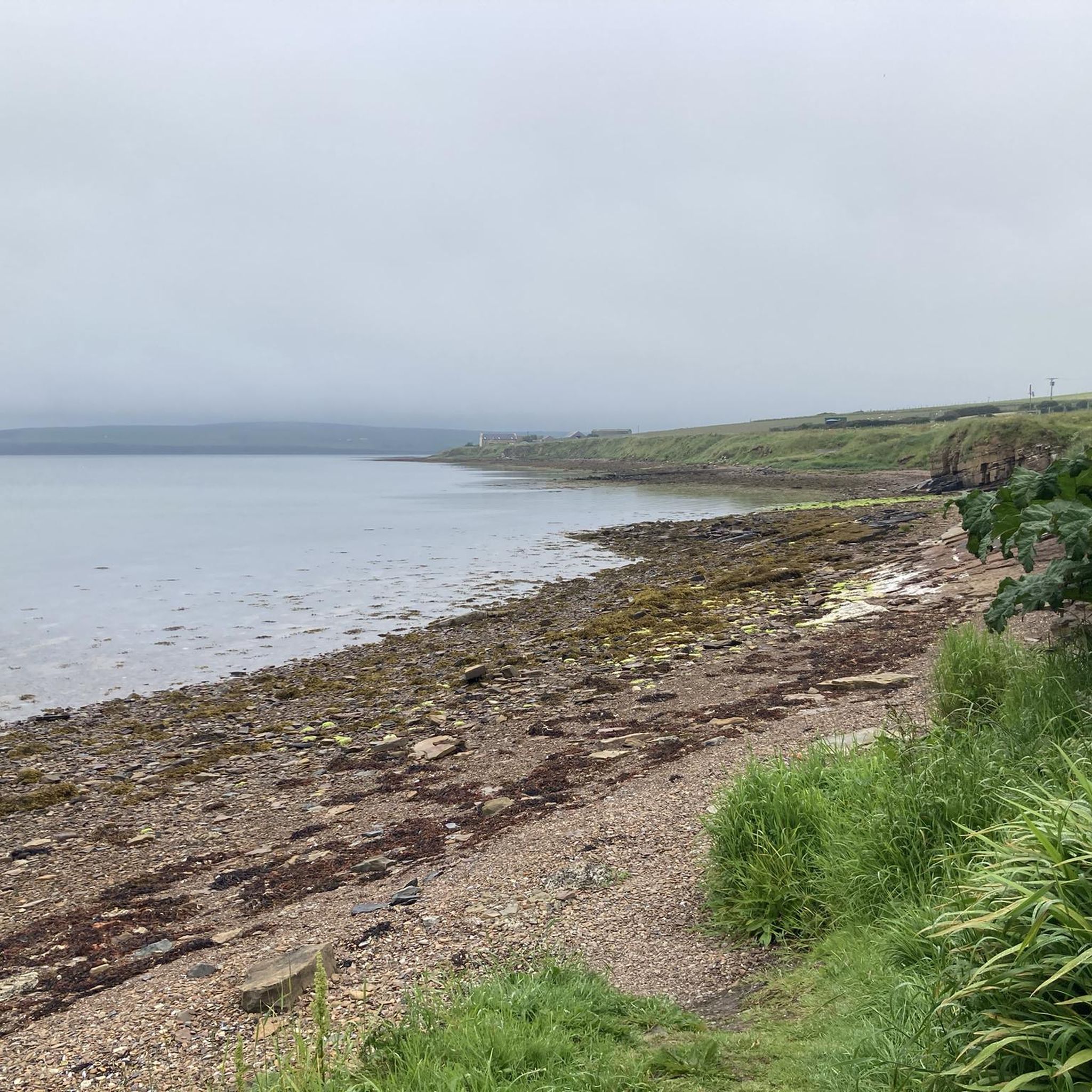
The path to the Tomb of the Eagles leads along a spectacular coastway.
0
0

The tall square stone tower, topped with a double wooden cross, was built in 1867 on top of / at the head end of a Neolithic long cairn.
1
0
The Hole of Ness is an awesome gloup, or collapsed sea-cave. The edge is over-hanging and unstable, so don't be tempted to go for a closer look.
1
0
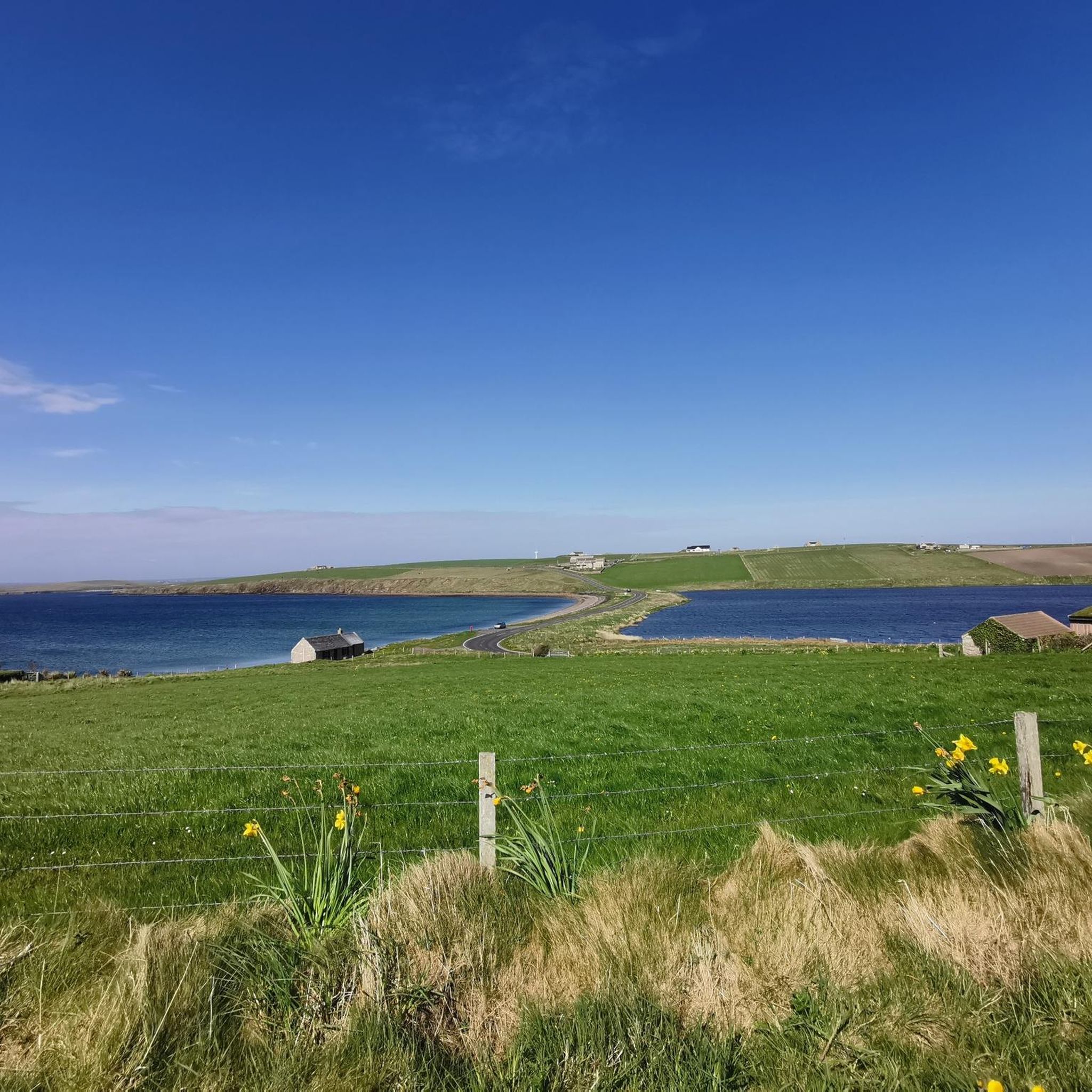
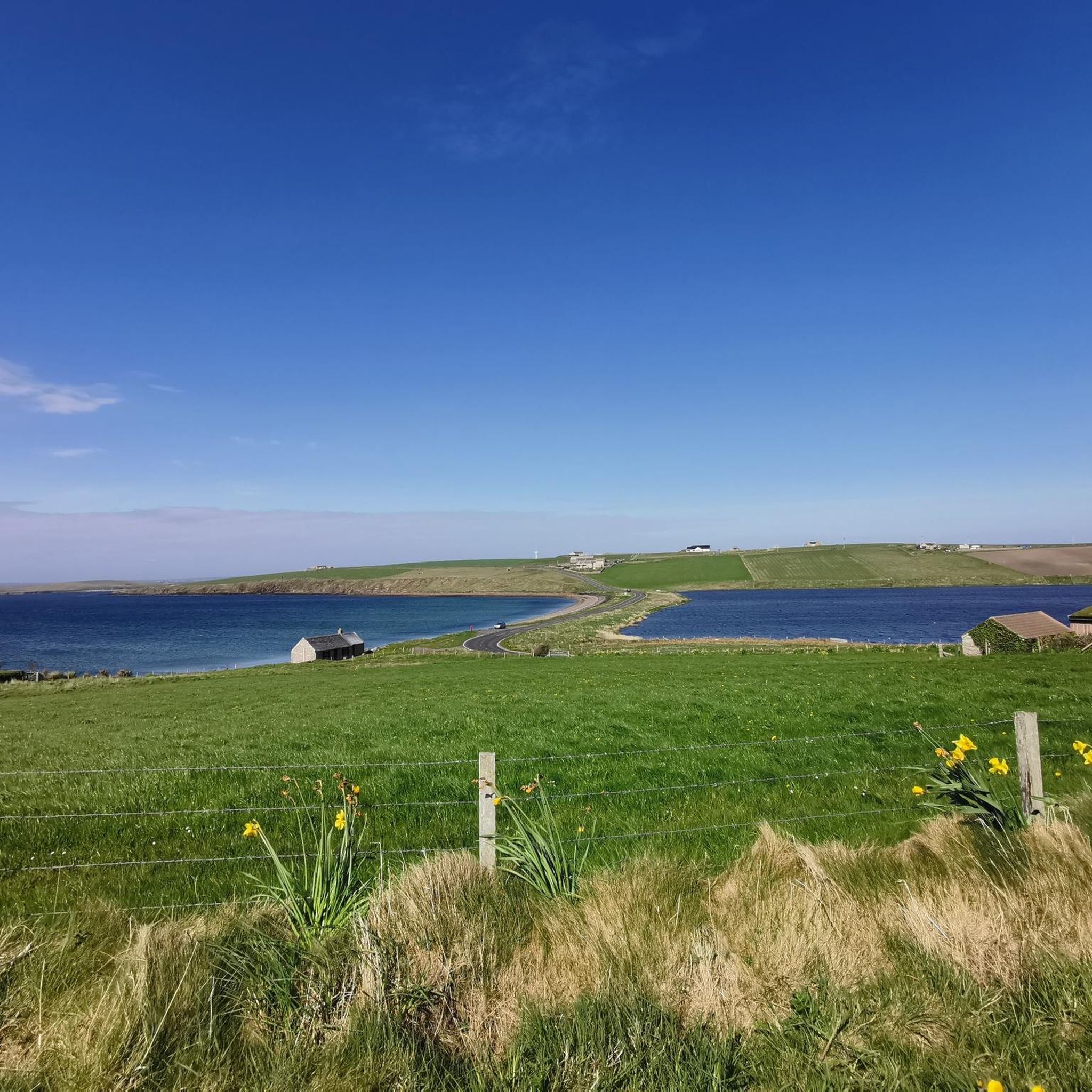
Only 61m at its summit, Hoxa Hill is still well worth the climb. From here you can enjoy a 360 degree panoramic view, taking in the Dam of Hoxa, the Sands of Wright and The Wart, a chambered cairn from the Neolithic period.
1
0
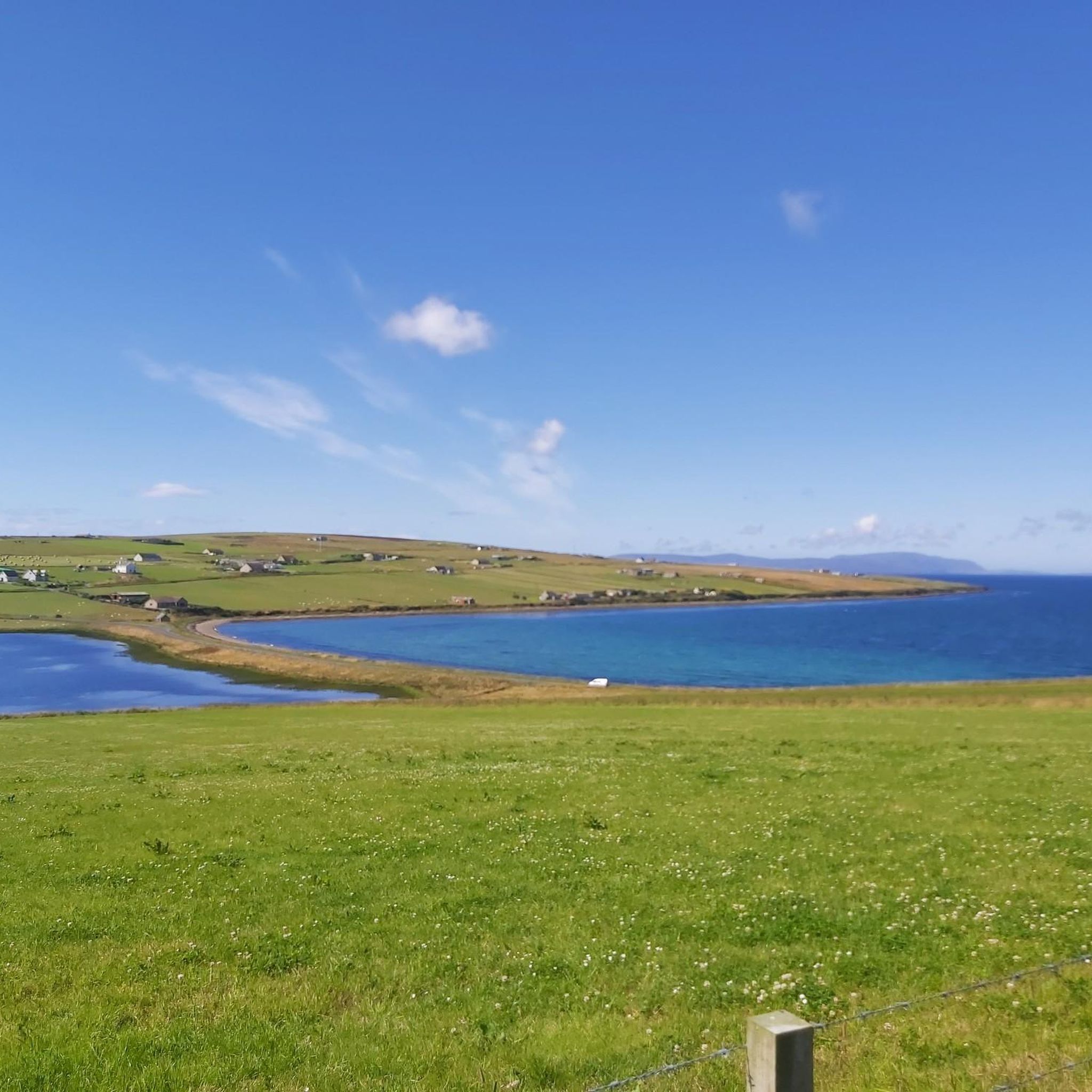
The Cletts are two small sea stacks just off Stanger Head. In the distance you can see the island of Switha and South Walls. Looks out for fulmars and sometimes puffins. Porpoise and even Orca can sometimes be spotted passing through the channels between the islands.
2
0

Frequently Asked Questions
What are some of the most impressive natural monuments to visit in South Ronaldsay?
South Ronaldsay boasts several impressive natural monuments. You can explore the dramatic Hole of Ness Sea Cave, a collapsed sea-cave known as a 'gloup'. For panoramic views, head to Hoxa Hill Summit and Neolithic Cairn, offering 360-degree vistas. The Cletts Sea Stacks provide stunning coastal scenery and opportunities for wildlife spotting.
Are there any natural monuments in South Ronaldsay that are also historically significant?
Yes, several natural monuments in South Ronaldsay have historical significance. Hoxa Hill Summit is not only a natural viewpoint but also features a Neolithic Cairn. Similarly, the Roseness Beacon Monument, while a man-made structure, is built upon a Neolithic long cairn, blending natural and historical elements.
What kind of wildlife can I expect to see near the natural monuments?
South Ronaldsay's natural monuments are excellent for wildlife observation. At The Cletts Sea Stacks, you might spot fulmars and puffins, and even porpoises or orcas in the channels. Hoxa Head is a known haven for seabirds like puffins and guillemots, and cetacean sightings are possible. Coastal trails, particularly from Burwick to Barth Head, offer chances to see grey seals and their pups in autumn.
Are there family-friendly natural monuments or activities in South Ronaldsay?
While many natural monuments involve coastal walks, some areas are more accessible for families. The sandy beaches like Sands of Wright and Eastside Beach, and those created by the Churchill Barriers, are great for strolls and relaxation. The coastal trails offer opportunities for wildlife spotting which can be engaging for children, though caution is advised on cliff paths.
What are the best viewpoints to experience the natural beauty of South Ronaldsay?
For breathtaking views, consider Hoxa Hill Summit, which offers a 360-degree panorama including Scapa Flow and the Sands of Wright. Olad Summit, the highest point on the island, provides nearly 270-degree views towards mainland Scotland and the Churchill Barriers. Ward's Hill, just north of Olad, offers even more expansive eastern and northern vistas.
What outdoor activities can I do near the natural monuments in South Ronaldsay?
You can enjoy various outdoor activities. Hiking is popular, with routes like the Roseness and the Bay of Cornquoy trail or the Hoxa Head and the Sands of Wright Loop. For cycling, the EuroVelo 12 - North Sea Cycle Route passes through, and there are local routes like the South Ronaldsay Loop. Running trails are also available, such as the Sands of Wright Beach loop. Find more details on these activities in the hiking guide, road cycling guide, and running guide for South Ronaldsay.
Are there any challenging natural monuments for experienced hikers?
Yes, some natural monuments offer more challenging experiences. The Hole of Ness Sea Cave is categorized as challenging due to its unstable, overhanging edge, requiring caution. Coastal paths, such as those leading to the Cliffs Near the Tomb of the Eagles, can be exposed and require awareness of changing weather conditions.
What is the best time of year to visit South Ronaldsay's natural monuments?
The best time to visit is generally during the warmer months, from late spring to early autumn (May to September), when the weather is milder and daylight hours are longer. This period is ideal for coastal walks, wildlife spotting (especially seabirds and seals), and enjoying the panoramic views. Wildflowers are also in bloom at places like Sands of Wright during this time.
Are there any specific safety considerations when visiting the coastal natural monuments?
Yes, safety is important, especially along the coast. Always be mindful of cliff edges, as some, like the Hole of Ness Sea Cave, can be unstable. Weather conditions can change rapidly, particularly on exposed coastal paths such as those near the Cliffs Near the Tomb of the Eagles. Dress appropriately for all weather, and keep a safe distance from wildlife.
Can I find sea stacks in South Ronaldsay?
Absolutely. South Ronaldsay's coastline is renowned for its sea stacks. A prominent example is The Cletts Sea Stacks, located just off Stanger Head, which offer fantastic photographic opportunities and are a great spot for birdwatching.
What do visitors enjoy most about the natural monuments in South Ronaldsay?
Visitors frequently highlight the dramatic coastal scenery, the expansive panoramic views from summits like Hoxa Hill, and the opportunities for wildlife observation, particularly seabirds and marine life. The unique geological formations, such as sea caves and stacks, also receive high praise for their natural beauty and rugged charm.
Most popular attractions around South Ronaldsay

Get inspired with the komoot mobile app


Explore more
Extend your search for the best caves by checking out these guides of the top ones around South Ronaldsay:
