Top 4 Natural Monuments around Kilwinning
Best natural monuments around Kilwinning offer a diverse range of natural features and outdoor activities. The area in North Ayrshire, Scotland, is characterized by the River Garnock, extensive parklands, and unique geological formations. These natural features provide opportunities for wildlife observation, walking, and exploring the local landscape. The region's natural attractions contribute to its ecological interest and recreational appeal.
Best natural monuments around Kilwinning
- The most popular natural monument is Cairnmount Hill Standing Stones, a man-made monument that features…
Last updated: May 19, 2026
Cairnmount Hill Standing Stones
Highlight • Monument
Tip by

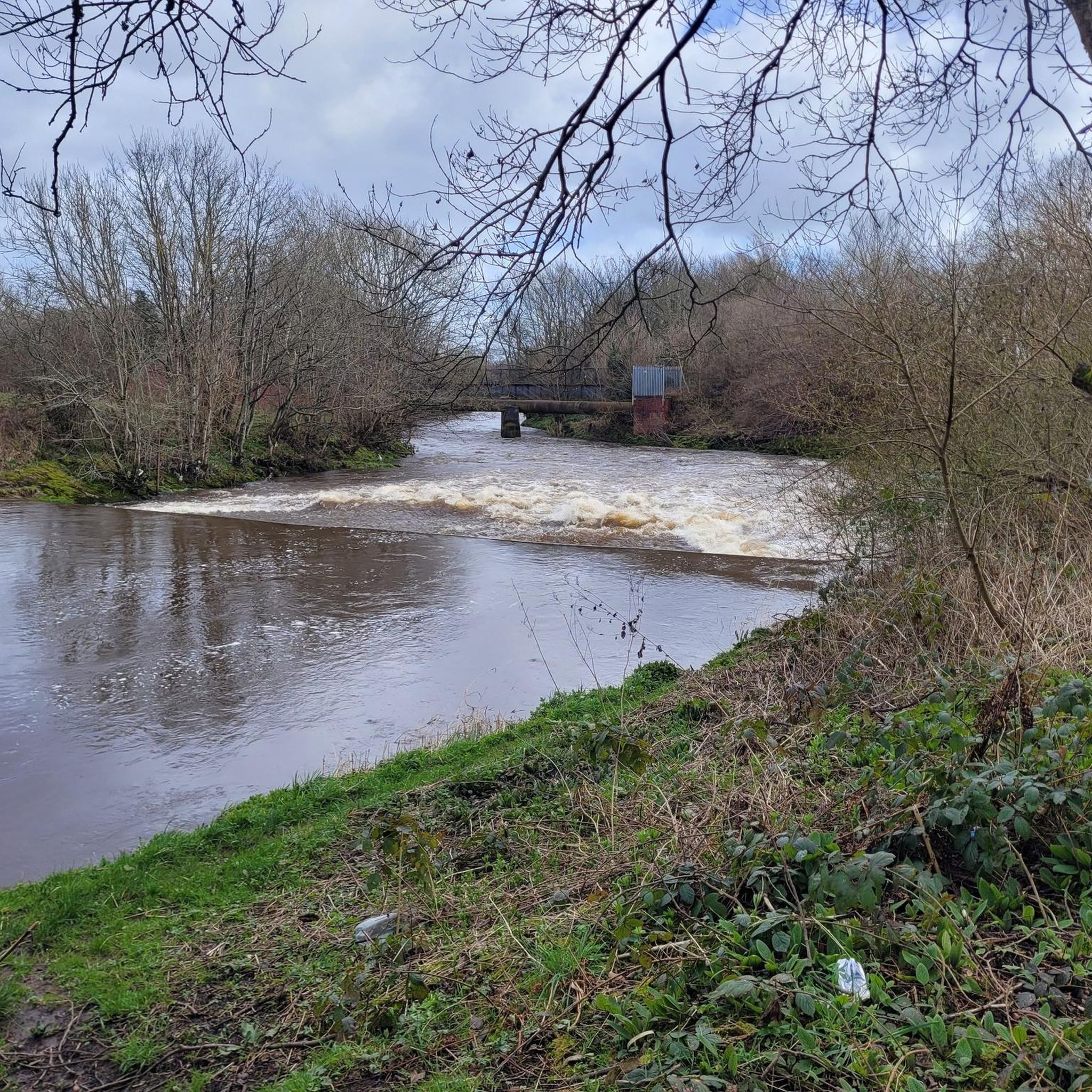
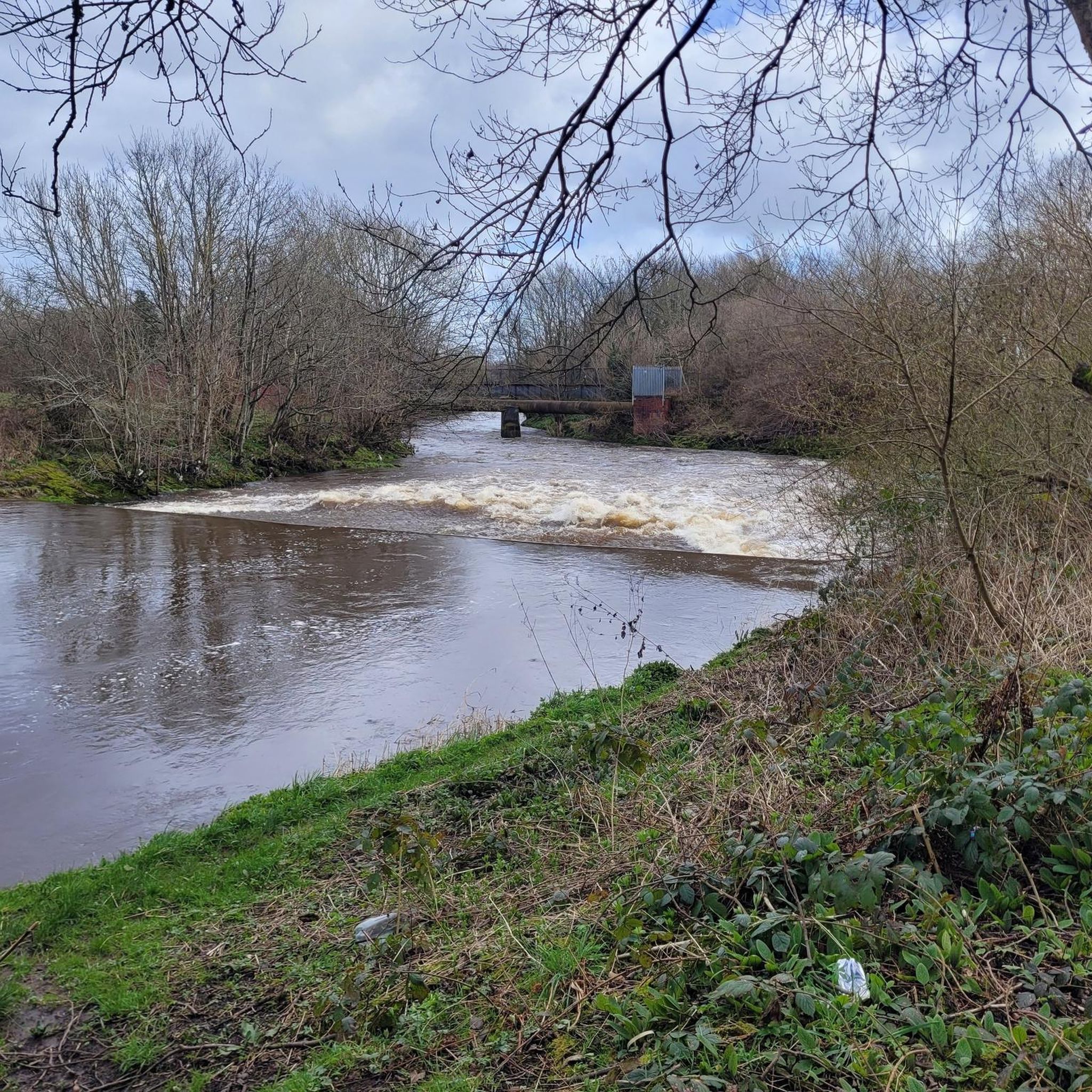
Putyan Burn Waterfall
Highlight • Waterfall
Tip by

Sign up now to discover places like this
Get recommendations on the best single tracks, peaks, & plenty of other exciting outdoor places.
Sign up for free
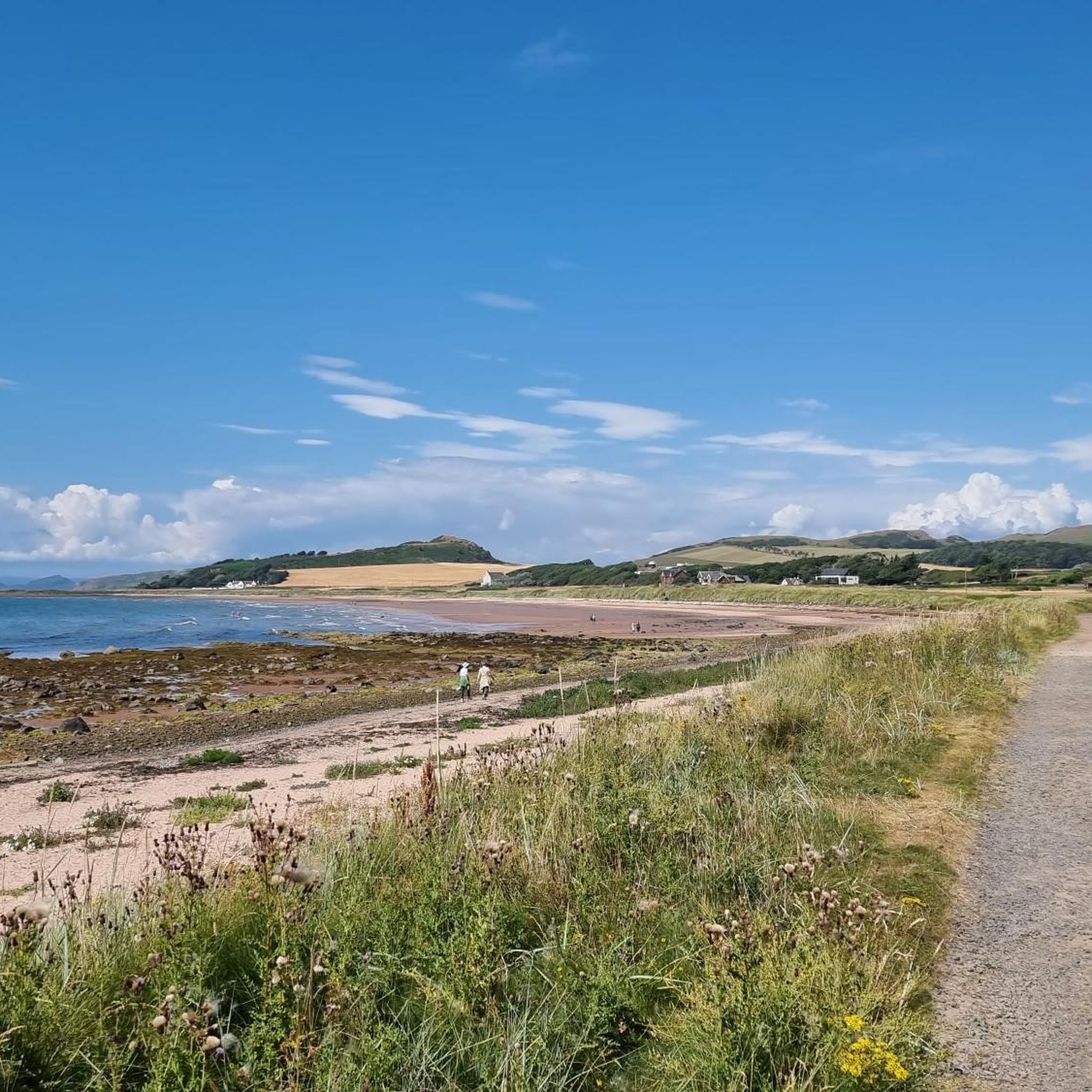
View of Horse Isle and the Beacon
Highlight • Natural Monument
Tip by
Kay Park Pond
Highlight • Viewpoint
Tip by
Goldenberry Hill Cairn and View
Highlight • Viewpoint
Tip by

Start today with a free account
Your next adventure awaits.
Login or Signup

Tips from the Community

have to detour route if after 16.30 as visitor centre closed ..very muddy at places
0
0

The money for its purchase was bequeathed to the town of Kilmarnock by former native insurance broker Alexander Kay who died in Glasgow in 1866, after whom it is named. The park opened on 9th August 1879. A product of the Victorian appetite for recreational green spaces amidst growing industrialisation, it was formerly the home of a miniature golf course, a few drinking fountains, pubs, boating in the pond and a band stand on the site. It is also home to a Burns Centre and a statue of the poet.
0
0
The Putyan Burn forms from a number of small burns, etc., such as the Baidland Burn from Baidland Hill and springs at Baidland Mill. It reaches its confluence with the Garnock at Putyan Cottage and the Lynn Holm, near the road junction for Ardrossan at the Kilwinning end of the town. It passes Broadlie House where a small weir or dam still exists as part of an abandoned 1892 hydroelectric scheme which provided the house with its own electricity.
0
0
Horse Isle is a nature reserve, run by the RSPB. The Arran ferry passes close to the island. Two smaller islands, North Islet and East Islet, skirt the east coast of Horse Isle and a number of other rocks litter the sound between the island and the mainland. A 52 foot tall stone beacon stands at the south end of Horse Isle marking the island for shipping. Erected in 1811, it was intended to alleviate some of the hazards the island's position has, historically, posed to passing vessels. This is reflected in the fact that in excess of 17 ships have been wrecked on or near the island. Today, Horse Isle is a nature reserve, run by the Royal Society for the Protection of Birds (RSPB). It is designated as an Area of Special Protection (AoSP) for breeding seabirds and waterfowl and winter grounds, with the aim of preventing disturbance or destruction of birds.
0
0
An opencast mine was established at Sourlie in 1983. Once the extraction process ended in 1986, reclamation and landscaping followed until completion in 1987. These large boulders recovered during mining were erected on top of the restored Sourlie Hill (also known as Cairnmount Hill).
0
0

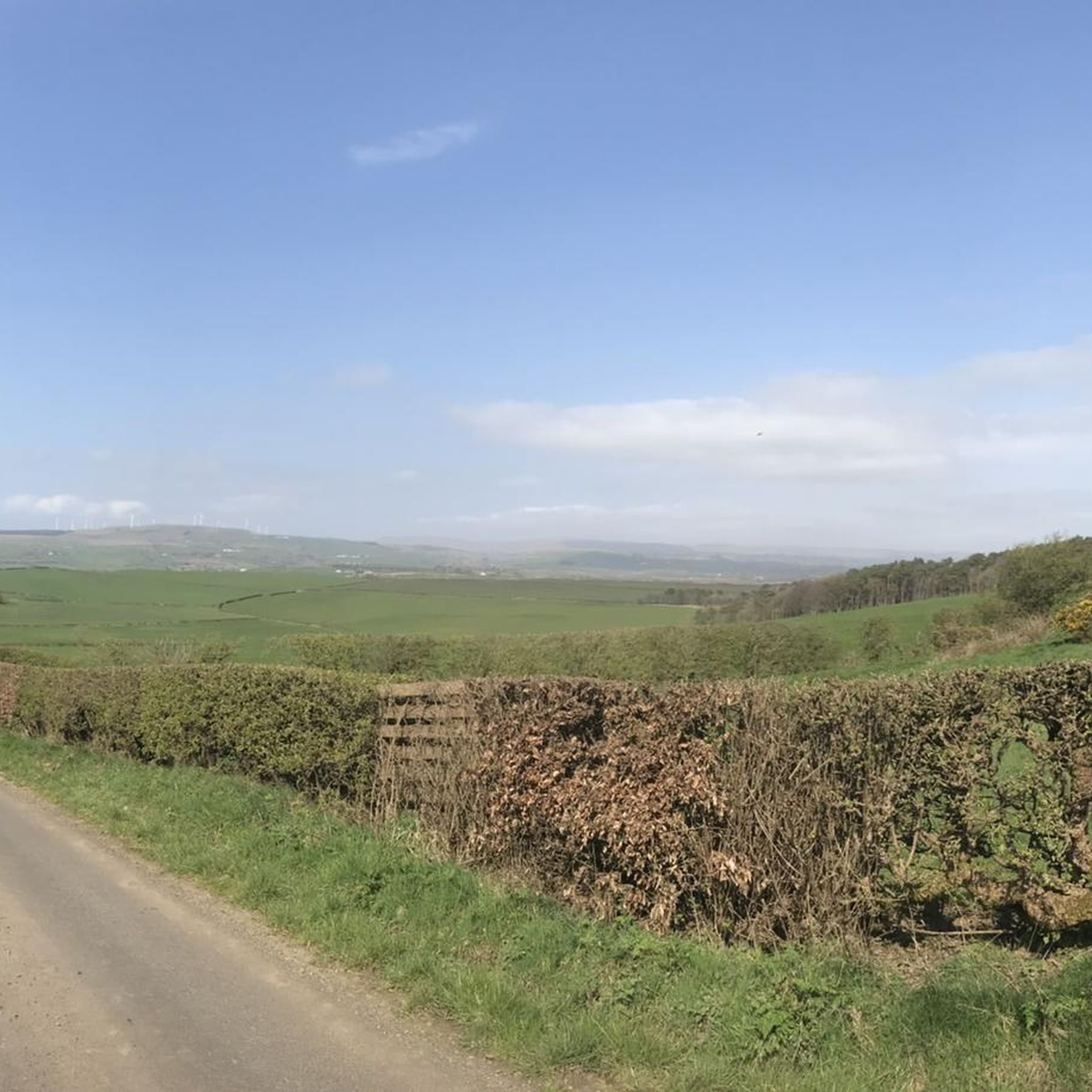
Enjoy the wonderful circle of standing stones that sit on top of Sourlie Hill (also known as Cairnmount Hill).
1
0

There is an electric fence over gate you climb over at summit to get to cairn with no signage. Not sure it is love or not.
0
0

Nice climb up to the phone mast, there's a gate on the way you need to climb over.
0
0
Frequently Asked Questions
What unique geological features can I explore near Kilwinning?
Near Kilwinning, you can explore the fascinating Putyan Burn Waterfall, formed by the Putyan Burn as it flows towards the River Garnock. Additionally, the nearby Cleeves Cove, also known as Blair Cove, offers a remarkable cave system formed within carboniferous limestone by the Dusk Water, steeped in local folklore as the 'Elfhame'.
Where can I observe wildlife around Kilwinning?
The River Garnock and its estuary are nationally important feeding grounds for thousands of migrating birds, especially during spring and autumn, and are home to otters and water voles. Eglinton Country Park, with its woodlands and lochside walks, provides diverse habitats for various birds and mammals. You can also observe seabirds and waterfowl at Horse Isle, which is a nature reserve run by the RSPB.
Are there any historical or cultural sites associated with the natural monuments?
Yes, the Cairnmount Hill Standing Stones are a modern construction from 1987, marking the closing of the last coal mine in the area. Cleeves Cove, a natural cave system, is historically known as the 'Elfhame' or 'Elfhouse,' linked to local folklore about elves and fairies. Eglinton Country Park also has a rich history, once being an estate with significant tree collections.
What natural parks or green spaces are available for visitors?
The most prominent natural park is Eglinton Country Park, offering 400 hectares of parkland, woodlands, and lochside walks. It's an ideal place for an immersive natural experience. Additionally, the River Garnock and its banks provide areas for leisurely strolls and nature observation, including the Garnock Floods Wildlife Reserve.
Are there family-friendly natural attractions in the Kilwinning area?
Absolutely. Eglinton Country Park is excellent for families with its vast green spaces and walks. Kay Park Pond is another family-friendly spot. The Cairnmount Hill Standing Stones and the View of Horse Isle and the Beacon are also suitable for family outings, offering interesting sights and gentle exploration.
Where can I find good viewpoints of the landscape around Kilwinning?
For panoramic views, consider climbing to the Goldenberry Hill Cairn and View, which offers expansive vistas of the surrounding landscape. Another excellent spot is the View of Horse Isle and the Beacon, providing scenic coastal views.
What outdoor activities can I do near these natural monuments?
The area around Kilwinning offers various outdoor activities. You can enjoy road cycling, with routes like the 'Kilwinning Abbey loop' or 'South Ardrossan Beach – Seamill Beach loop' (find more at Road Cycling Routes around Kilwinning). Gravel biking is also popular, with routes such as 'Shewalton Water – River Garnock Cycle Path loop' (explore more at Gravel biking around Kilwinning). For mountain biking, try routes like 'Irvine to Eglinton Castle loop via Cairnmount Hill' (see more at MTB Trails around Kilwinning).
Are there walking or hiking trails near Kilwinning's natural monuments?
Yes, many natural monuments are integrated into walking routes. Eglinton Country Park offers numerous trails through its parkland and woodlands. The banks of the River Garnock also provide pleasant paths for strolls and nature observation. For more structured routes, you can find various cycling and MTB trails that often include walking sections or run alongside natural features, as detailed in the nearby route guides.
What is the best time of year to visit the natural monuments around Kilwinning?
The best time to visit largely depends on your interests. Spring and autumn are excellent for birdwatching, especially around the River Garnock estuary, due to migrating birds. Summer offers pleasant weather for exploring Eglinton Country Park and other outdoor sites. While some sites like Cleeves Cove can be visited year-round, always check local weather conditions, as Scottish weather can be unpredictable.
Are the natural monuments around Kilwinning accessible by public transport?
Kilwinning itself is well-connected by public transport, including train and bus services. From the town, local bus services can take you closer to some of the natural monuments, such as Eglinton Country Park. For more remote sites like Cleeves Cove, a car or a combination of public transport and walking might be necessary. It's advisable to check specific routes and schedules for your chosen destination.
Are there dog-friendly natural monuments around Kilwinning?
Many natural areas around Kilwinning are dog-friendly. Eglinton Country Park generally welcomes dogs, though they should be kept on a lead in certain areas or near wildlife. Walks along the River Garnock are also suitable for dogs. Always ensure to clean up after your dog and respect local signage regarding pet access.
Where can I find refreshments or accommodation near these natural sites?
Kilwinning town offers various options for refreshments, including cafes and pubs. For accommodation, you'll find choices within Kilwinning and the surrounding towns in North Ayrshire. Eglinton Country Park may have its own cafe or visitor facilities, especially during peak season. It's always a good idea to check opening times and availability in advance.
Most popular routes around Kilwinning
Most popular attractions around Kilwinning

Get inspired with the komoot mobile app


Explore more
Extend your search for the best caves by checking out these guides of the top ones around Kilwinning:
