Top 12 Natural Monuments around Granton And District
Best natural monuments around Granton And District include iconic geological formations and scenic coastal areas. This region in Edinburgh, Scotland, features an extinct volcano rising 251 meters above sea level, offering panoramic views of the city and the Firth of Forth. The area also encompasses diverse landscapes from volcanic hills to the unique natural appeal of the shoreline. These natural features provide opportunities for outdoor exploration and observation of local wildlife.
Best natural monuments around Granton And District
- The most popular natural monuments is Arthur's Seat, a summit that dominates Holyrood Park and rewards with commanding views across the Edinburgh region. This ancient volcano rises dramatically above the capital city and is a popular objective for hikers.
- Another must-see spot is View from Allermuir Hill, a viewpoint offering one of the best views of Edinburgh and the coast. Visitors can expect superb panoramic views toward Edinburgh, the Firth of Forth, and on clear days, even the Fife and Scottish Highlands.
- Visitors also love St Bernard's Well, a man-made monument built around a natural spring. This site is known for its Greco-Roman style temple and is a pleasant spot for a walk along the Water of Leith.
- Granton And District is known for volcanic hills, scenic viewpoints, and natural springs. The area offers a variety of natural monuments to see and explore, from challenging climbs to tranquil riverside walks.
- The natural monuments around Granton And District are appreciated by the komoot community, with more than 1200 upvotes and over 800 photos shared by visitors.
Last updated: May 19, 2026
Arthur's Seat
Highlight • Summit
Tip by

Corstorphine Hill Tower
Highlight • Viewpoint
It's irregularly opened to the public in the summer months as from the top there are incredible views to be had over the city.
Read more at: corstorphinehill.org.uk/about-the-hill.html
Tip by

Sign up now to discover places like this
Get recommendations on the best single tracks, peaks, & plenty of other exciting outdoor places.
Sign up for free
View from Allermuir Hill
Highlight • Viewpoint
Translated by Google •
Tip by

Nelson Monument, Calton Hill
Highlight • Monument
A time ball was installed in 1853 and is raised just before 1pm, and at precisely 1pm is dropped from the top of the mast.
Tip by

St Bernard's Well
Highlight • Monument
Translated by Google •
Tip by

Sign up for free to discover even more natural monuments around Granton And District.
Sign up for free
Already have an account?
Start today with a free account
Your next adventure awaits.
Login or Signup
Tips from the Community

This is how some 200 years ago, bookworms began: "In that lovely district of merry England, which is watered by the River Don, there was in ancient times a great wood... Here dwelt... the fabulous Dragon of Wantley; here were fought several of the bloodiest battles during the Rose Civil Wars..." Through translations, Scott's fame on the British Isles soon spread throughout Europe, even to the New World. The author, who continued to publish his books anonymously, with the reference "By the Author of Waverley," naturally rejoiced in his hiding place over the success – until, by chance, it was revealed that he, Walter Scott, was the author. The honors in Scotland were endless. The toast Lord Meadowbank made at a banquet held in Scott's honor in 1827 remains valid in Scotland to this day: "The beauties of our country... and the fame of our ancestors have been carried by him beyond the shores of this island, to the ends of the earth. He has... immortalized the name of Scotland..." (Text from https://www.deutschlandfunk.de/250-geburtstag-des-schriftstellers-wie-sir-walter-scott-den-100.html )
0
0

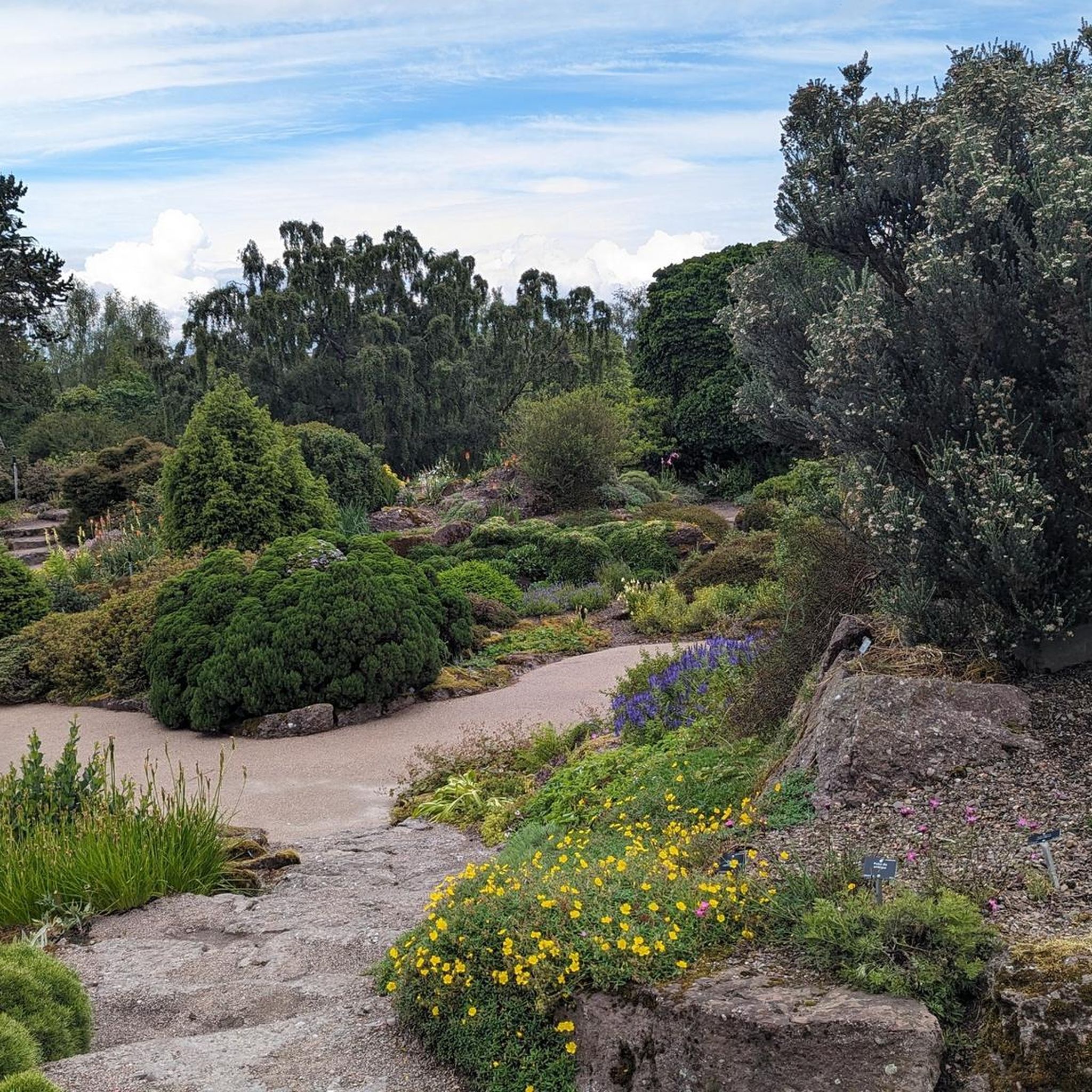
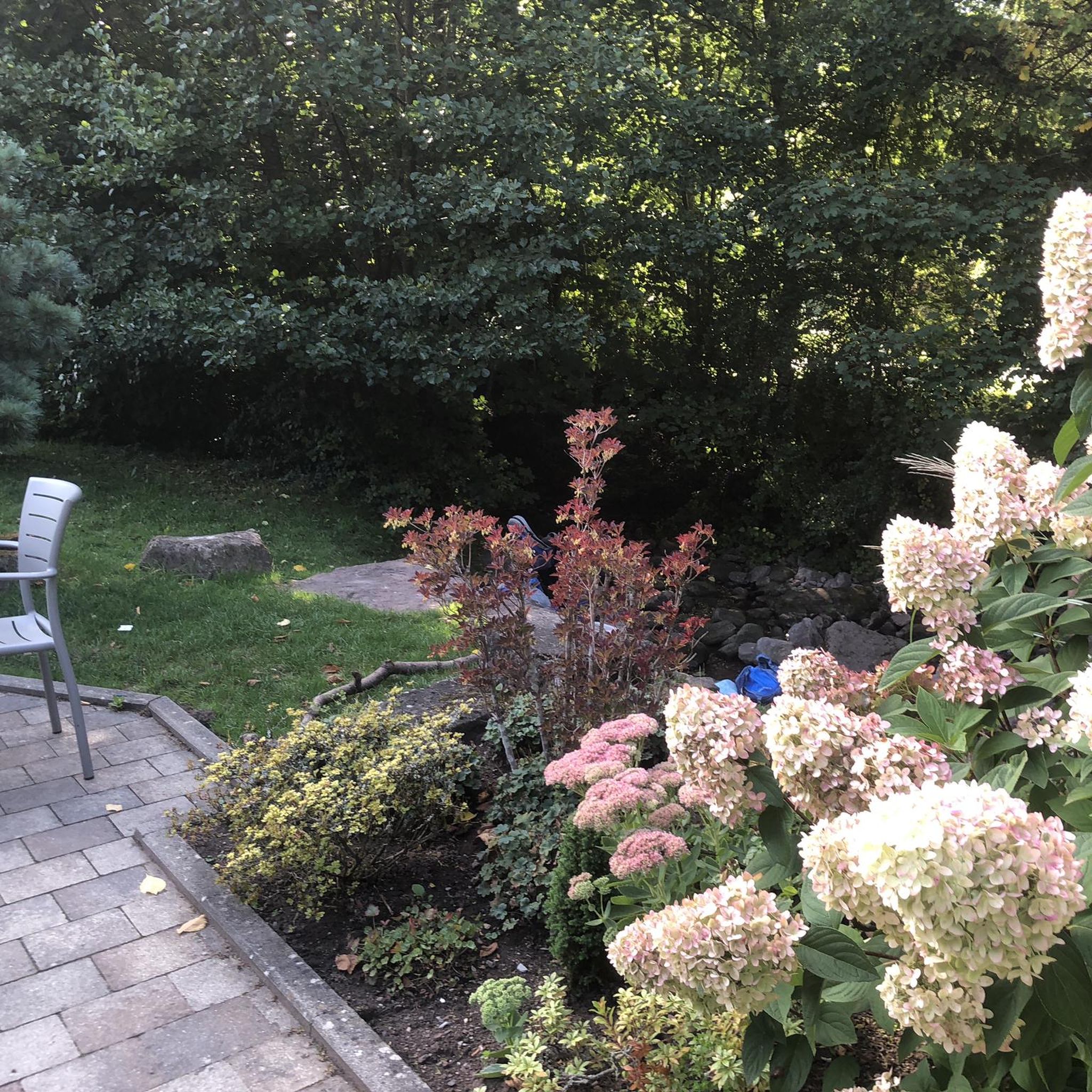
It's actually a well! It was once believed that the water here had healing powers and could cure arthritis and poor eyesight. Another fun fact: the well is mentioned in Mary Shelley's Frankenstein. Either way, it's a beautiful spot by the river and a little different, a place that not everyone knows about yet.
0
0

The Pentland Hills (a range of hills south of Edinburgh) offer countless hiking opportunities. One of the "best" (= the northernmost) is Allermuir Hill. There are many paths up the mountain, but the best route is undoubtedly the panoramic route from the Midlothian Snowsports Center parking lot to the summit. The center is...???...interesting... (Skiing on mats in the summer is also possible!), and the summit offers magnificent views in all directions!
0
0


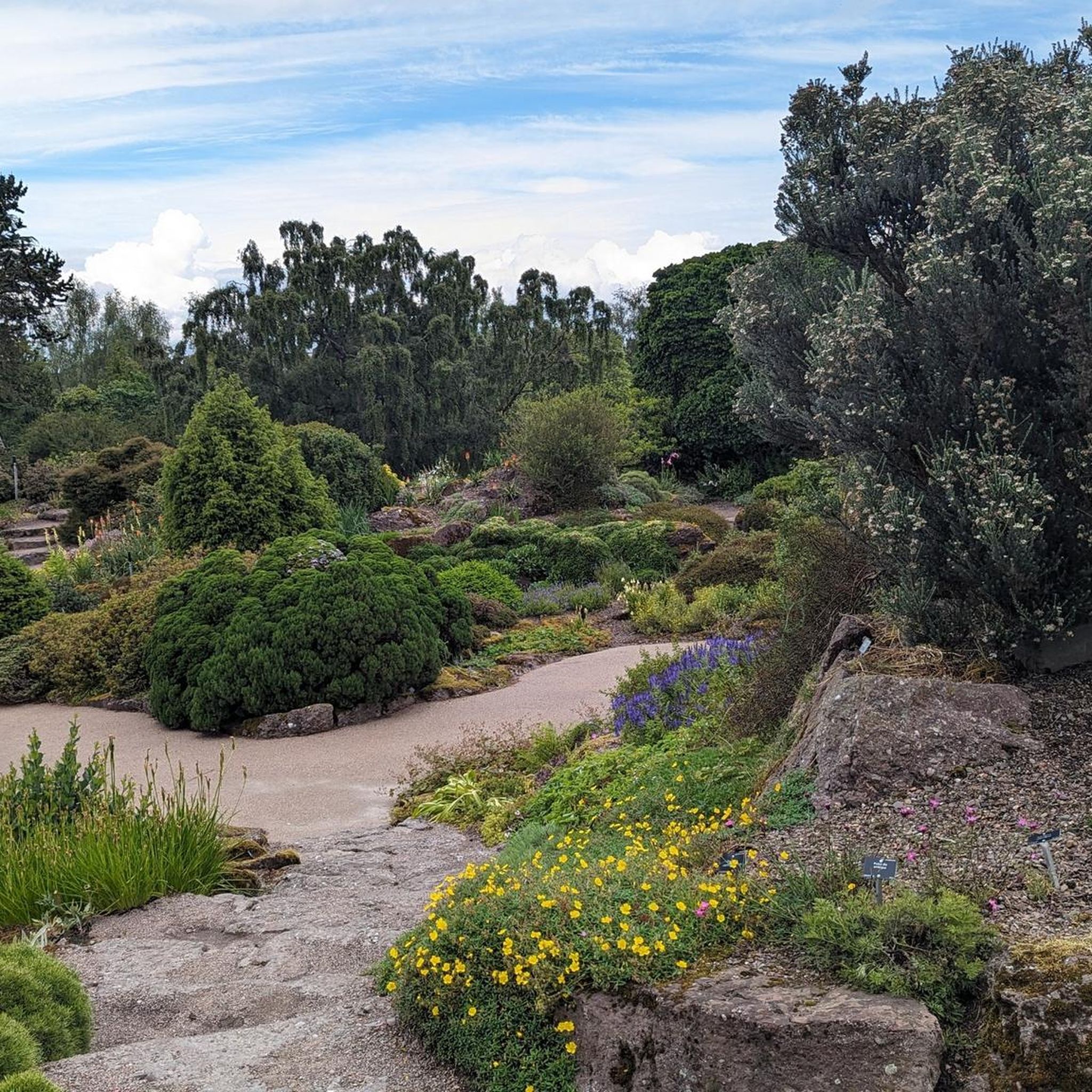
This is one of the most prominent hills of the Pentland Hills. You have superb views toward Edinburgh, the Firth of Forth, and on clear days, even the Fife and Scottish Highlands. The walk to the summit is moderate, and you'll be walking through diverse landscapes from grassy slopes to more rugged and rocky sections near the top.
1
0


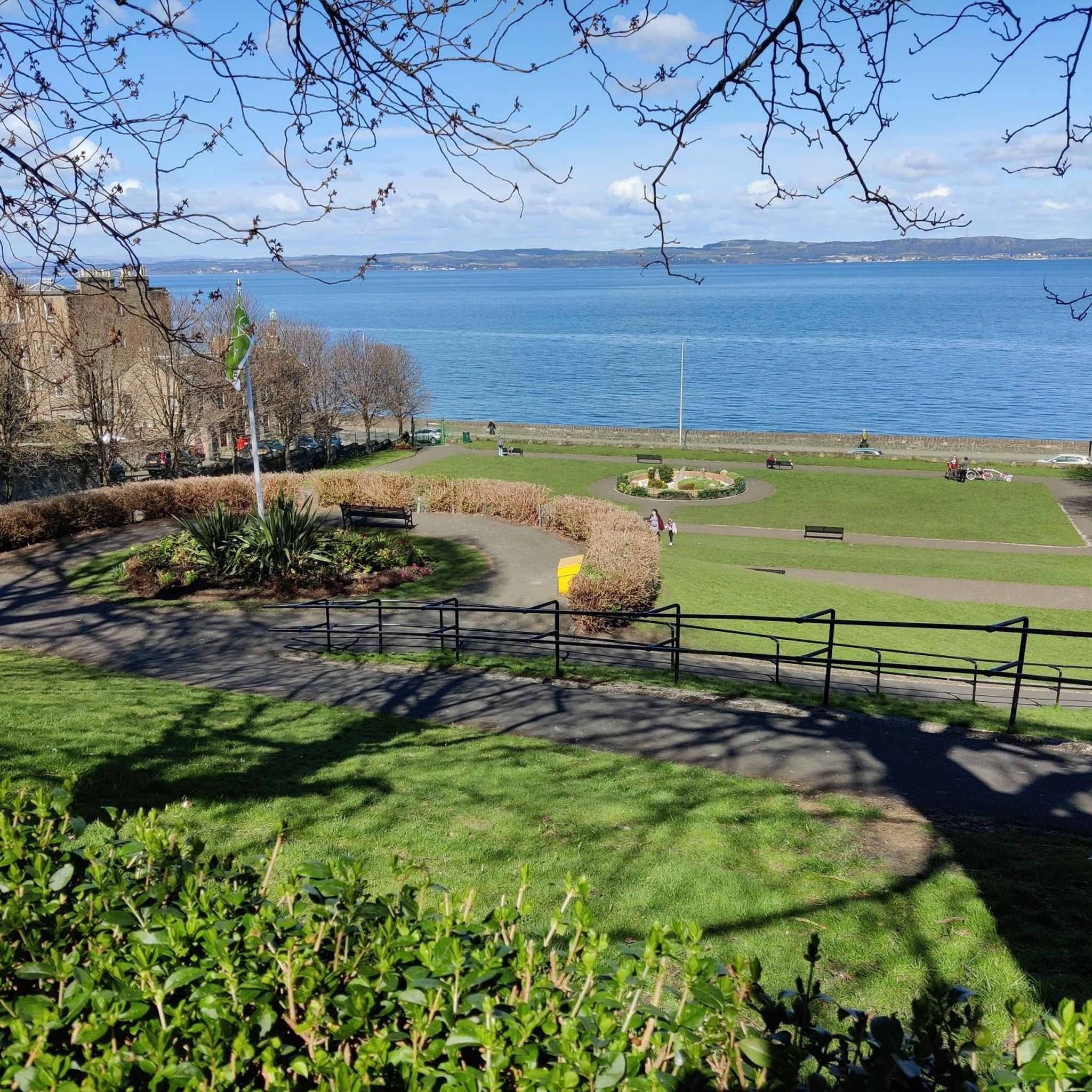
Rising gently above the Pentland Hills, this hill offers not only stunning views of Edinburgh and the surrounding coast, but also a welcome escape from the hustle and bustle of everyday life.
0
0
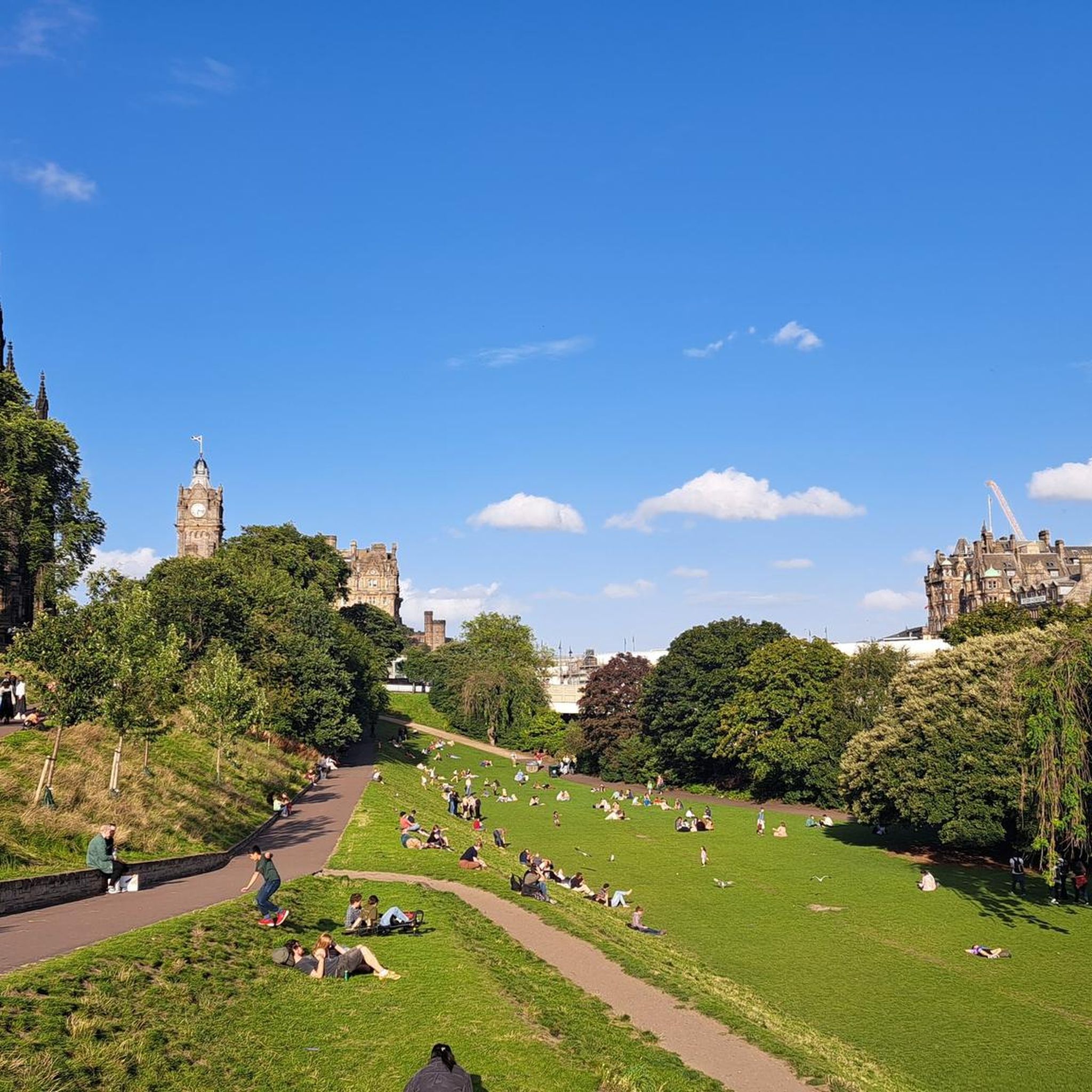
As I pedal my mountain bike, I feel the stress of everyday life slipping away. The way up is peppered with corners that invite you to linger. But my destination is clear: the Corstorphine Hill Tower, a monument to Sir Walter Scott that rises majestically at the top of the hill. I can't wait to get to the tower, which is said to have incredible views over Edinburgh. But before I reach the top, I remember the words of those who value this place: respect nature, leave no trace and do not disturb the wildlife. As I drive through the vast deciduous forests that cover most of the hill, I can't help but enjoy the tranquility that surrounds me. The hill, a local nature reserve and a geologically and geomorphologically significant site, tells stories from times long past. The hill's doleritic composition, formed by glacial movements, adds another layer of intrigue. I reach the tower shortly after the first rays of sun kiss the top of the hill. The sight that greets me is breathtaking. The city of Edinburgh lies at my feet, nestled in the greenery that makes this hill so special. I take a moment to enjoy the silence and the view before heading back. The descent is a rush - the cool morning air brushes against my face as I navigate the paths, always careful not to erode or disturb other visitors.
2
0
Frequently Asked Questions
What are the most prominent natural monuments to visit around Granton And District?
The region is home to several significant natural monuments. Arthur's Seat, an extinct volcano, offers commanding views across Edinburgh and the Firth of Forth. Another notable spot is the Firth of Forth shoreline itself, particularly around Granton Waterfront, which provides scenic walks and wildlife spotting opportunities. Additionally, Calton Hill, while featuring architectural monuments, is a natural volcanic feature offering panoramic city views.
Are there natural monuments suitable for families with children?
Yes, several natural monuments are family-friendly. Arthur's Seat has various routes to the top, some suitable for children, and the wider Holyrood Park offers space for exploration. St Bernard's Well, with its Greco-Roman temple and natural spring along the Water of Leith, is a pleasant spot for a family walk. The Firth of Forth shoreline also provides easy, scenic walks for all ages.
What kind of views can I expect from the natural monuments in this area?
The natural monuments around Granton And District are renowned for their spectacular views. From Arthur's Seat, you can enjoy 360-degree panoramic views of Edinburgh, the Lothians, and the Firth of Forth. View from Allermuir Hill offers superb vistas towards Edinburgh, the Firth of Forth, and even the Fife and Scottish Highlands on clear days. Calton Hill provides iconic views of Edinburgh's skyline, including Edinburgh Castle and the Old Town.
Are there historical or cultural sites integrated with the natural monuments?
Absolutely. Many natural monuments in the area have significant historical connections. Arthur's Seat is part of Holyrood Park, which includes the ruins of St. Anthony's Chapel. Nelson Monument on Calton Hill is a historical landmark built to commemorate Nelson's victory at Trafalgar. St Bernard's Well is a man-made monument built around a natural spring, known for its Greco-Roman style temple and historical healing reputation.
What outdoor activities can I do near these natural monuments?
The natural monuments offer excellent opportunities for various outdoor activities. You can enjoy mountain hikes, such as the moderate Haggis Knowe – Arthur's Seat loop. Hiking is popular, with routes like the easy Drum Sands – Silverknowes Beach loop from Granton along the Firth of Forth shoreline. Road cycling is also an option, with routes like the easy North Edinburgh Cycle Network loop from Leith.
What is the best time of year to visit the natural monuments around Granton And District?
The natural monuments can be enjoyed year-round, but each season offers a different experience. Spring and summer provide warmer weather and lush greenery, ideal for hiking and enjoying the views. Autumn brings beautiful foliage, especially around areas like Corstorphine Hill. Winter visits can offer crisp, clear views, though paths may be icy or muddy, especially on higher ground like Arthur's Seat, where it can also be very windy and cold.
Can I spot wildlife at these natural monuments?
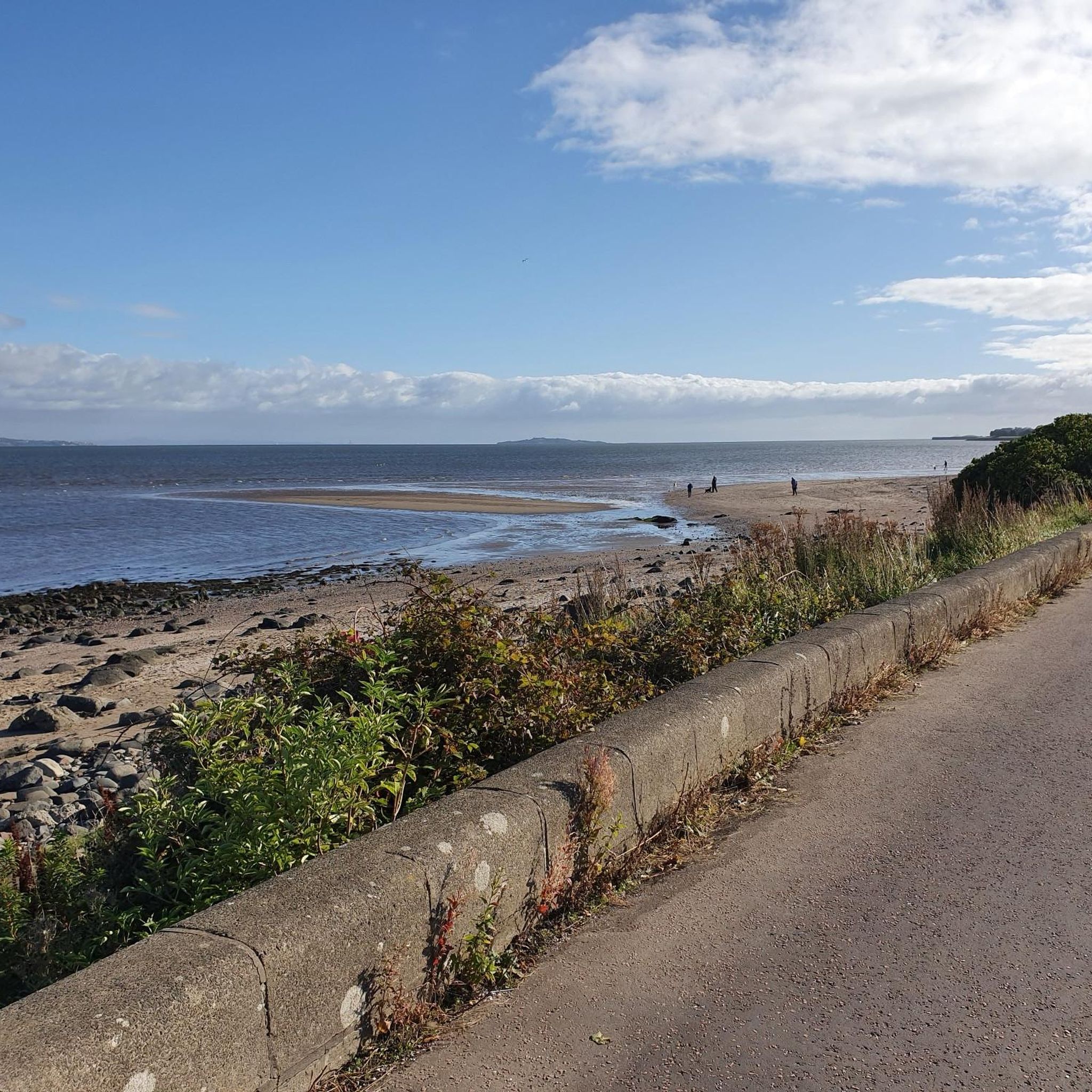
Yes, the area is rich in wildlife. Arthur's Seat and Holyrood Park are habitats for various wildlife species. The Firth of Forth shoreline is particularly known for marine life, including dolphins, seals, and a diverse range of bird species, making it an excellent spot for wildlife observation.
Are there any easy-to-access natural monuments for those seeking less strenuous walks?
For easier access and less strenuous walks, the Firth of Forth shoreline around Granton offers flat, scenic paths. The area around St Bernard's Well along the Water of Leith also provides tranquil riverside walks. While Calton Hill involves a climb, it's generally less demanding than Arthur's Seat and offers quick access to stunning views.
What do visitors enjoy most about the natural monuments in Granton And District?
Visitors frequently praise the unparalleled panoramic views, especially from landmarks like Arthur's Seat and View from Allermuir Hill. The opportunity to experience Scottish wildness within a city setting, the diverse landscapes from volcanic hills to coastal paths, and the blend of natural beauty with historical significance are also highly appreciated. The komoot community has shared over 800 photos and given more than 1200 upvotes, highlighting the area's appeal.
Is public transport available to reach these natural monuments?
Yes, Edinburgh has an extensive public transport network. Many natural monuments, including Arthur's Seat (Holyrood Park) and Calton Hill, are centrally located and easily accessible by bus from various parts of the city, including Granton. The Firth of Forth shoreline is directly accessible from Granton.
Are dogs allowed at the natural monuments?
Generally, dogs are welcome on leads in most outdoor public spaces and natural monuments in the area, including Holyrood Park (home to Arthur's Seat) and along the Firth of Forth shoreline. However, it's always advisable to check specific park regulations or signage, especially concerning wildlife protection areas or during certain seasons.
Are there any cafes or amenities near the natural monuments?
While the natural monuments themselves are often wilder spaces, you'll find cafes and amenities in the surrounding urban areas. For instance, areas near Holyrood Park (for Arthur's Seat) and at the base of Calton Hill offer various dining options. Along the Firth of Forth shoreline in Granton and nearby areas like Newhaven, there are cafes and restaurants available for visitors.
Most popular routes around Granton And District
Most popular attractions around Granton And District

Get inspired with the komoot mobile app


Explore more
Extend your search for the best caves by checking out these guides of the top ones around Granton And District:
