Top 15 Natural Monuments around Craignish
Best natural monuments around Craignish encompass a landscape characterized by its rugged coastline and ancient historical sites. The Craignish peninsula, located in Argyll and Bute, Scotland, features prominent natural landmarks such as Craignish Point, offering panoramic coastal views. The region is also notable for its numerous ancient monuments, including standing stones and cairns, which are deeply integrated into the natural setting. These features collectively contribute to the area's unique character and appeal for outdoor exploration.
Best natural monuments around Craignish
…Last updated: October 4, 2026
Temple Wood stone circle
Highlight • Natural Monument
Tip by

Kilmartin Glebe Cairn
Highlight • Natural Monument
Visit the museum and cafe in the village to find …
Tip by

Sign up now to discover places like this
Get recommendations on the best single tracks, peaks, & plenty of other exciting outdoor places.
Nether Largie South Cairn
Highlight • Structure
Tip by

Ballymeanoch Prehistoric Monuments
Highlight • Historical Site
Tip by
Dunchraigaig Cairn
Highlight • Monument
Translated by Google •
Tip by

Sign up for free to discover even more natural monuments around Craignish.
Already have an account?
Start today with a free account
Your next adventure awaits.
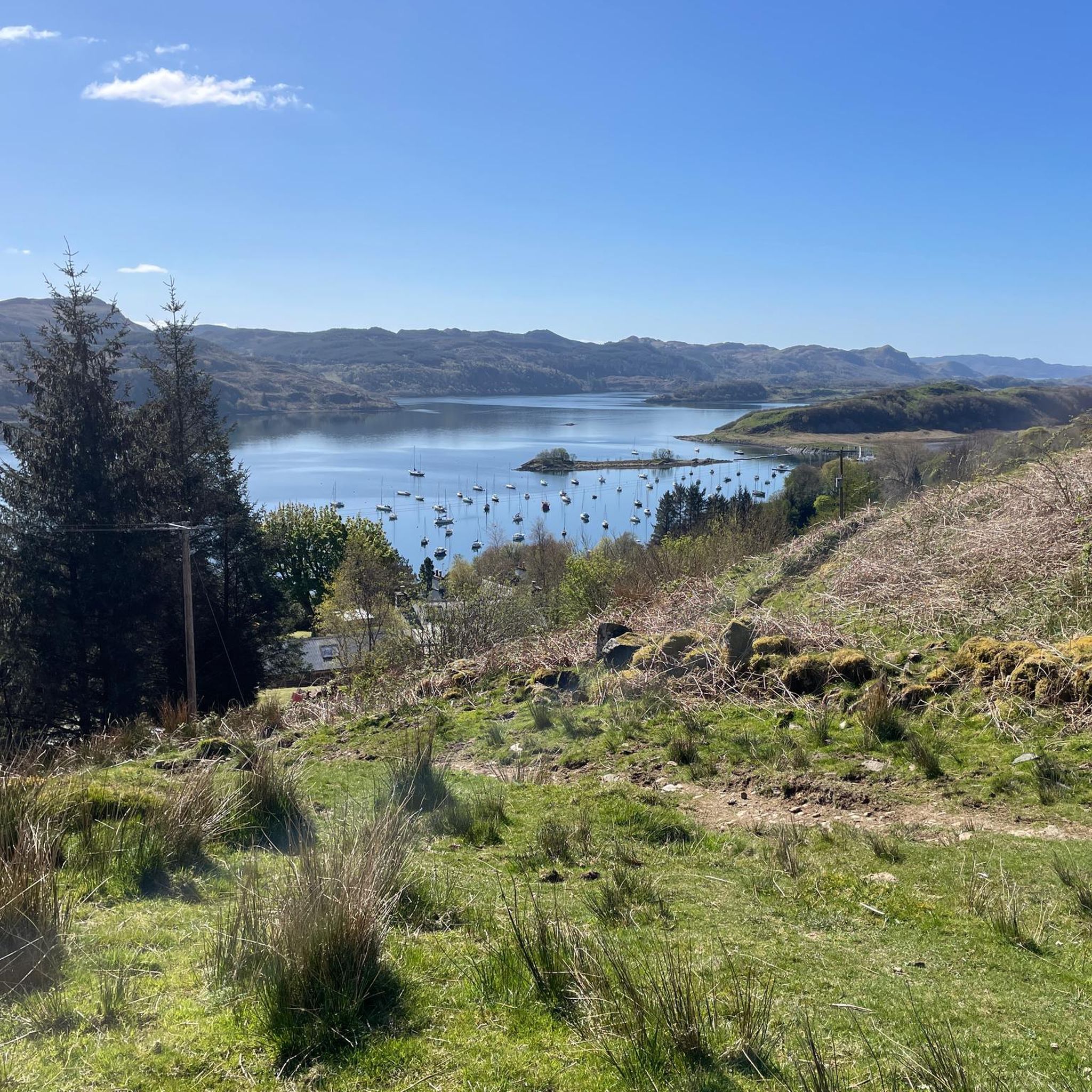
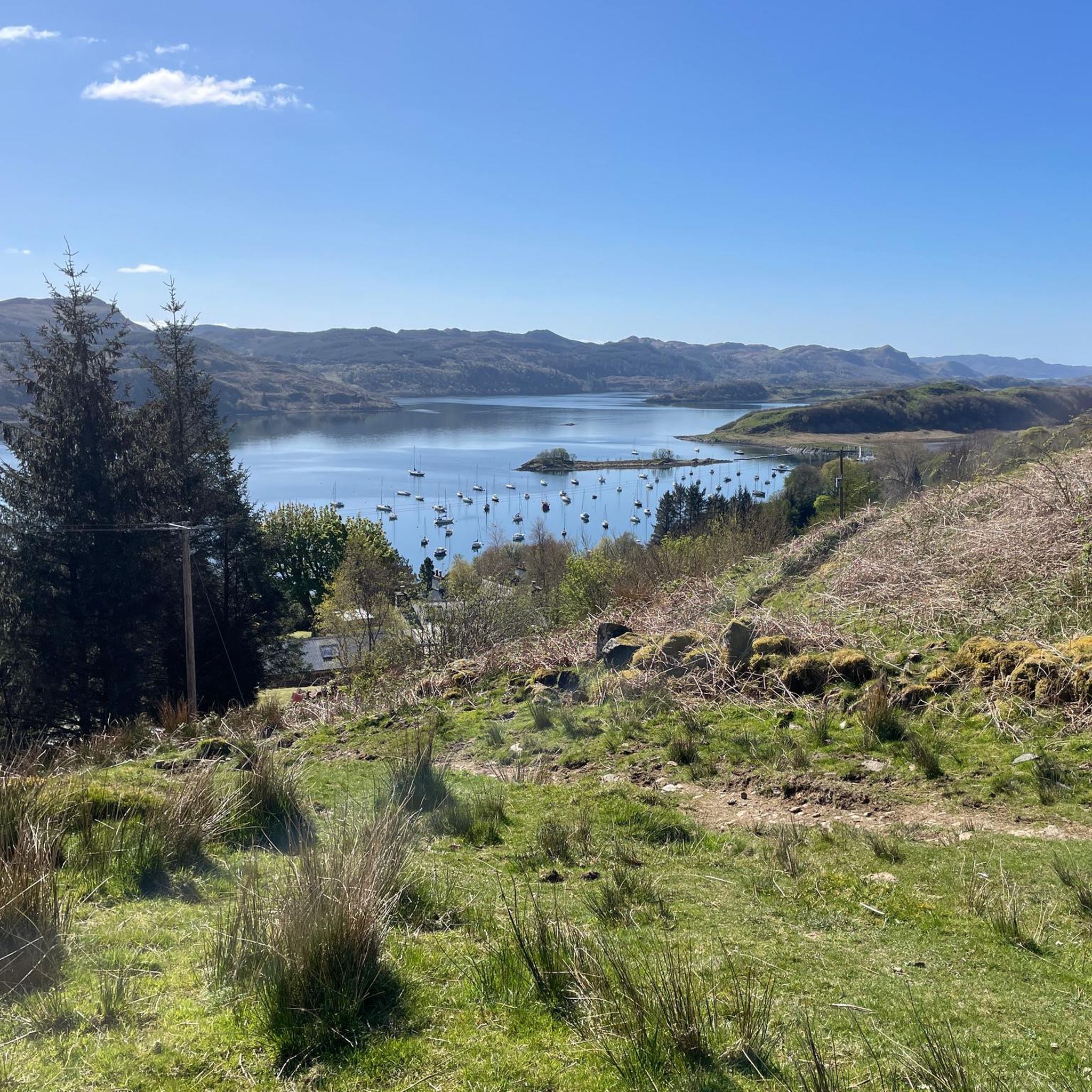
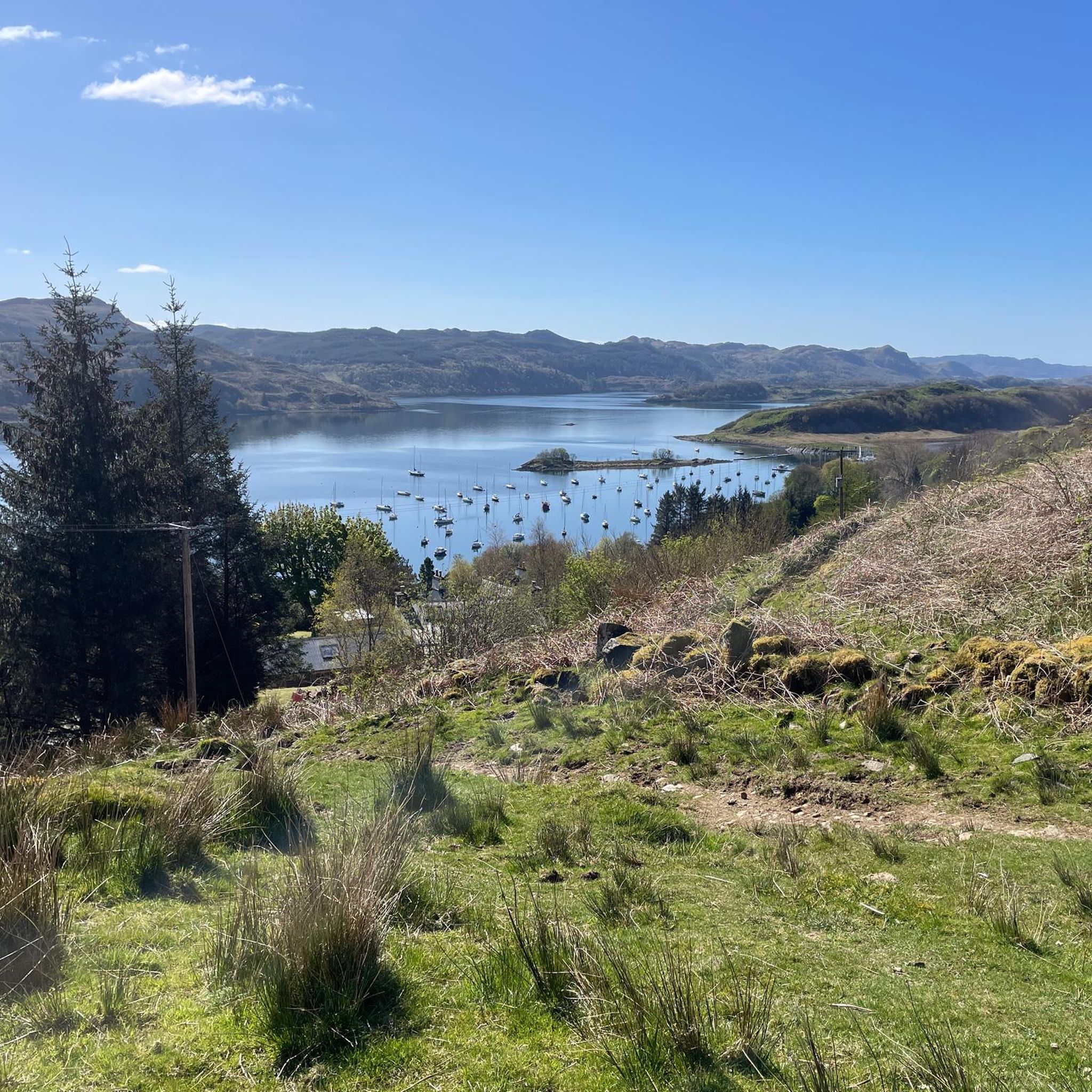
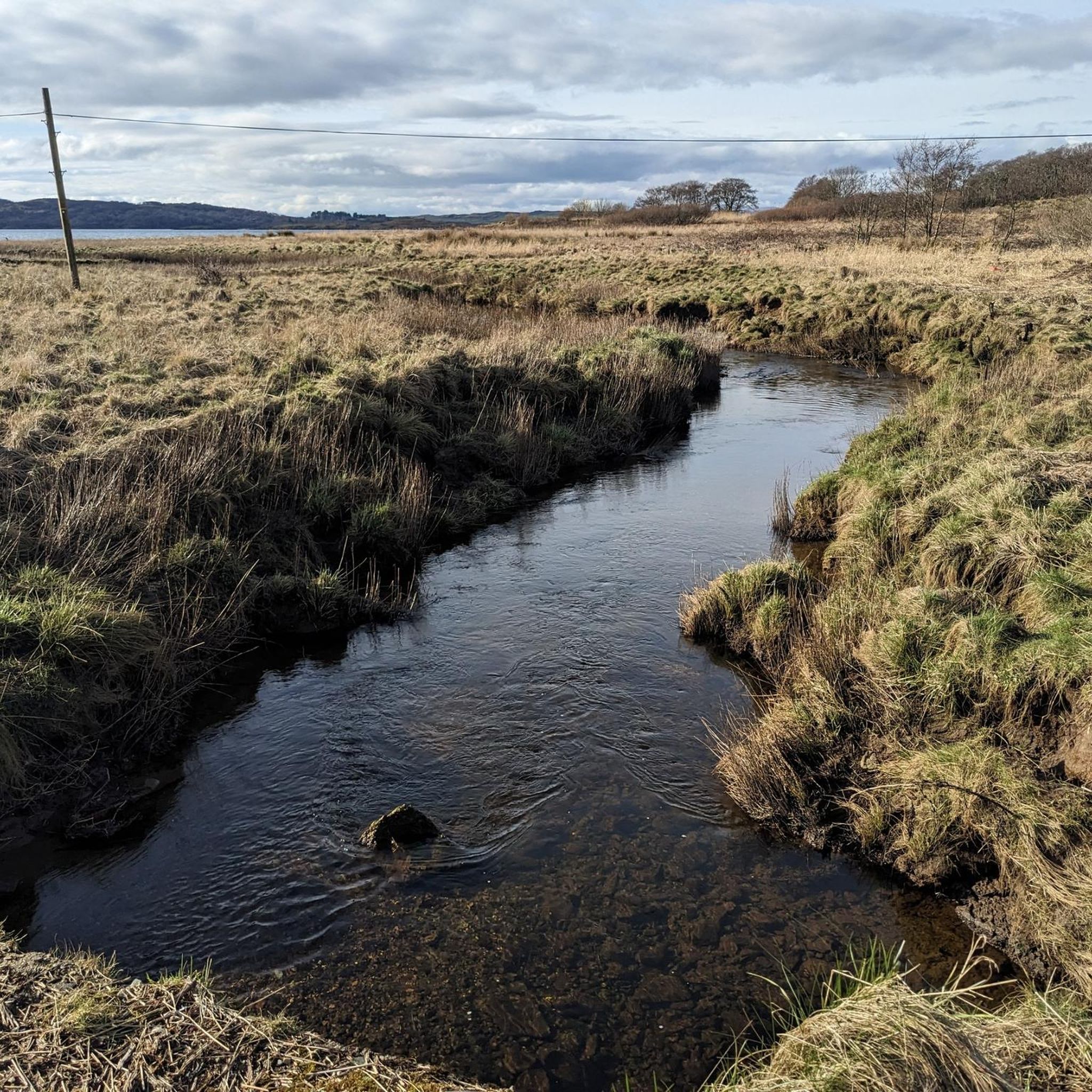
Tips from the Community

The Dunchraigaig Cairn is located south of Kilmartin in the Kilmartin Glen in Argyll and Bute in Scotland. The cairn is 3.0 m high and has a diameter of around 30.0 m. It dates from the early Bronze Age (around 2000 BC). https://de.wikipedia.org/wiki/Dunchraigaig_Cairn
0
0

there are lots of cairns here and a stone circle but komoot only thinks that this one exists!!
0
0

This little detour is definitely worth it. There is a parking lot nearby
0
0

The museum finally opened after refurbishment in Sept 2023 admission £9.50 no café until 2024
0
0
Nether Largie South was likely built over 5,000 years ago. The original chamber at its centre was divided into four compartments and probably held numerous burials, in line with Neolithic practices. As with the other monuments in Kilmartin Glen, the site continued to be used as a sacred place. At some point about 4,000 years ago the cairn was enlarged into a 30m-wide round cairn, to accommodate two secondary cists, or stone coffins – doubtless to house the remains of chiefs. - https://www.historicenvironment.scot/visit-a-place/places/kilmartin-glen-nether-largie-south-cairn -
0
0

The use of the Temple Wood stone circle began some time before 3000 BC. BC, continued into the Bronze Age and ended around 1000 BC. During this period it was used as a place for ritual ceremonies and burials.
4
1
The Dunchraigaig Cairn is located south of Kilmartin in the Kilmartin Glen in Argyll and Bute in Scotland. The cairn is 3.0 m high and approximately 30.0 m in diameter. It dates from the early Bronze Age (around 2000 BC). https://de.wikipedia.org/wiki/Dunchraigaig_Cairn
0
0

A well built and preserved stone circle. The stones aren't huge like some others but its set in a rather picturesque wood, and is a good spot to visit.
3
0
Frequently Asked Questions
What are the most popular natural monuments around Craignish?
The Craignish area is rich in both natural features and ancient historical sites. Among the most popular are Temple Wood stone circle, which offers a journey into Scotland's prehistoric world with impressive standing stones and burial mounds. Another significant site is Nether Largie South Cairn, an impressive cairn likely built over 5,000 years ago with an accessible chamber. Visitors also appreciate Kilmartin Glebe Cairn, part of the extensive Neolithic and Bronze Age remains in Kilmartin Glen.
Are there family-friendly natural monuments around Craignish?
Yes, many of the natural monuments in the Craignish area are suitable for families. Sites like Temple Wood stone circle, Kilmartin Glebe Cairn, and Nether Largie South Cairn are all categorized as family-friendly. They offer accessible paths and fascinating historical insights that can engage visitors of all ages.
What kind of natural features can I expect to see around Craignish?
Craignish is characterized by its rugged coastline and stunning panoramic views. You'll find dramatic seascapes, small tidal islands, and diverse wildlife. Craignish Point, for instance, offers breathtaking views over Loch Craignish and the surrounding islands like Jura, Scarba, and Mull. The area is also known for its rich wildlife, including seabirds, marine mammals, and even otters, making it ideal for nature lovers.
What historical or cultural sites are integrated with the natural landscape in Craignish?
The Craignish peninsula and the wider Kilmartin Glen are exceptionally rich in ancient historical sites deeply embedded within the natural setting. These include numerous standing stones, cairns, and ruined forts, many of which predate the Egyptian pyramids. Examples include the various cairns and stone circles mentioned, which offer a journey into Scotland's ancient past within a stunning natural backdrop.
What outdoor activities can I do near these natural monuments?
The Craignish area offers a variety of outdoor activities. For cycling enthusiasts, there are routes like the 'Loch Ederline & Loch Avich loop from Kilmelford via Craobh Haven' or the 'Temple Wood stone circle – Nether Largie South Cairn loop from Carnasserie Castle'. Hikers can explore trails such as 'Loch Craignish & Druim Beithe from Ardfern' or shorter, easy loops like 'Druim Beith loop'. You can find more details on these activities in the Cycling around Craignish and Hiking around Craignish guides.
Are there hiking trails near the natural monuments in Craignish?
Yes, there are several hiking trails that allow you to explore the natural monuments and surrounding landscapes. For example, you can hike 'Loch Craignish & Druim Beithe from Ardfern' (moderate, 13.9 km) or enjoy easier loops like 'Druim Beith loop' (easy, 2.6 km). Many trails pass by the ancient sites, offering a blend of natural beauty and historical exploration. More hiking options are available in the Hiking around Craignish guide.
What is the best time to visit the natural monuments around Craignish?
The Craignish peninsula offers beauty year-round, but for the best experience, consider visiting during spring, summer, or early autumn. These seasons generally provide milder weather, making coastal walks and exploring ancient sites more comfortable. Wildlife viewing, particularly for seabirds and marine mammals, can be excellent during these times. Be prepared for potentially boggy paths, especially after rain, regardless of the season.
What wildlife can I spot near Craignish Point?
Craignish Point is an excellent location for wildlife spotting. The area is known for its rich marine and coastal wildlife. Visitors often see various seabirds and have opportunities to spot marine mammals. It's also a good place for otter spotting. Bringing binoculars is recommended to enhance your wildlife viewing experience.
What do visitors enjoy most about the natural monuments in Craignish?
Visitors frequently highlight the stunning natural beauty and the profound sense of history. Many appreciate the breathtaking panoramic coastal views, especially from places like Craignish Point. The opportunity to explore ancient sites like the stone circles and cairns, which are older than the Egyptian pyramids, within such a scenic landscape is also a major draw. The peaceful surroundings and rich wildlife contribute significantly to the overall appeal.
Is it possible to see the Corryvreckan whirlpool from Craignish Point?
From Craignish Point, it is sometimes possible to see the standing wave of the Corryvreckan whirlpool, or at least observe the turbulent waters between the islands of Scarba and Jura. The visibility depends on various factors, including tidal conditions and weather.
Are there any other significant ancient sites besides the stone circles and cairns?
Yes, beyond the well-known stone circles and cairns, the Craignish area, particularly within Kilmartin Glen, also features other prehistoric monuments such as ruined forts and cup and ring marked rocks. Ballymeanoch Prehistoric Monuments, for example, offers a collection of standing stones and a henge monument, providing further insight into the ancient inhabitants of the region.
What should I wear when visiting the natural monuments in Craignish?
Given the rugged coastline and potentially boggy paths, especially after rain, sturdy footwear is highly recommended. Layers of clothing are advisable to adapt to changing weather conditions, as Scotland's weather can be unpredictable. Waterproof outerwear is also a good idea to stay comfortable during coastal walks.
Most popular routes around Craignish
Most popular attractions around Craignish

Get inspired with the komoot mobile app


Explore more
Extend your search for the best caves by checking out these guides of the top ones around Craignish:
