Top 7 Natural Monuments around Bute
Best natural monuments around Bute offer a diverse range of natural features, from freshwater lochs to coastal viewpoints and unique geological formations. The Isle of Bute, situated along the Highland fault line, presents varied landscapes that showcase its geology and natural beauty. These sites provide opportunities to observe local wildlife and appreciate the island's serene environment. Exploring these natural landmarks reveals the island's ecological diversity and scenic appeal.
Best natural monuments around Bute
- The most popular natural monuments is Lion Rock, a viewpoint that stands some 10 meters in height and over 50 meters in length. This imposing structure has graced the island of Great Cumbrae for some 65 million years.
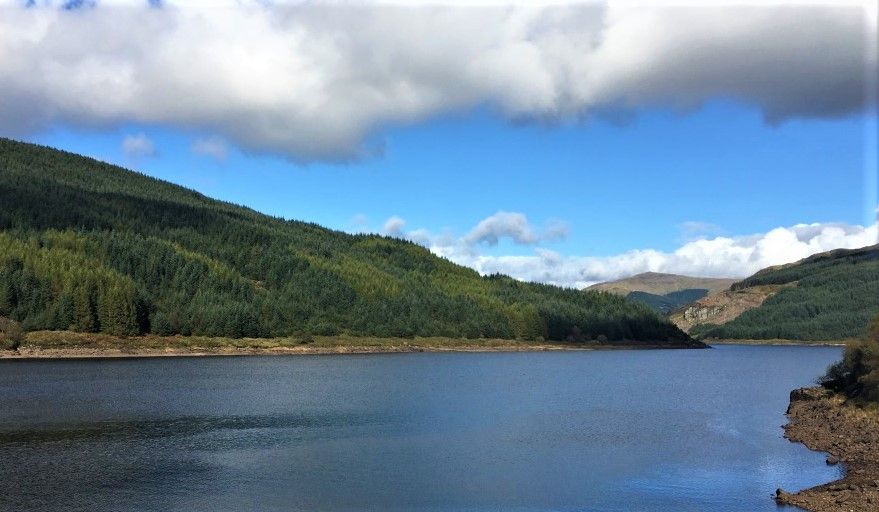
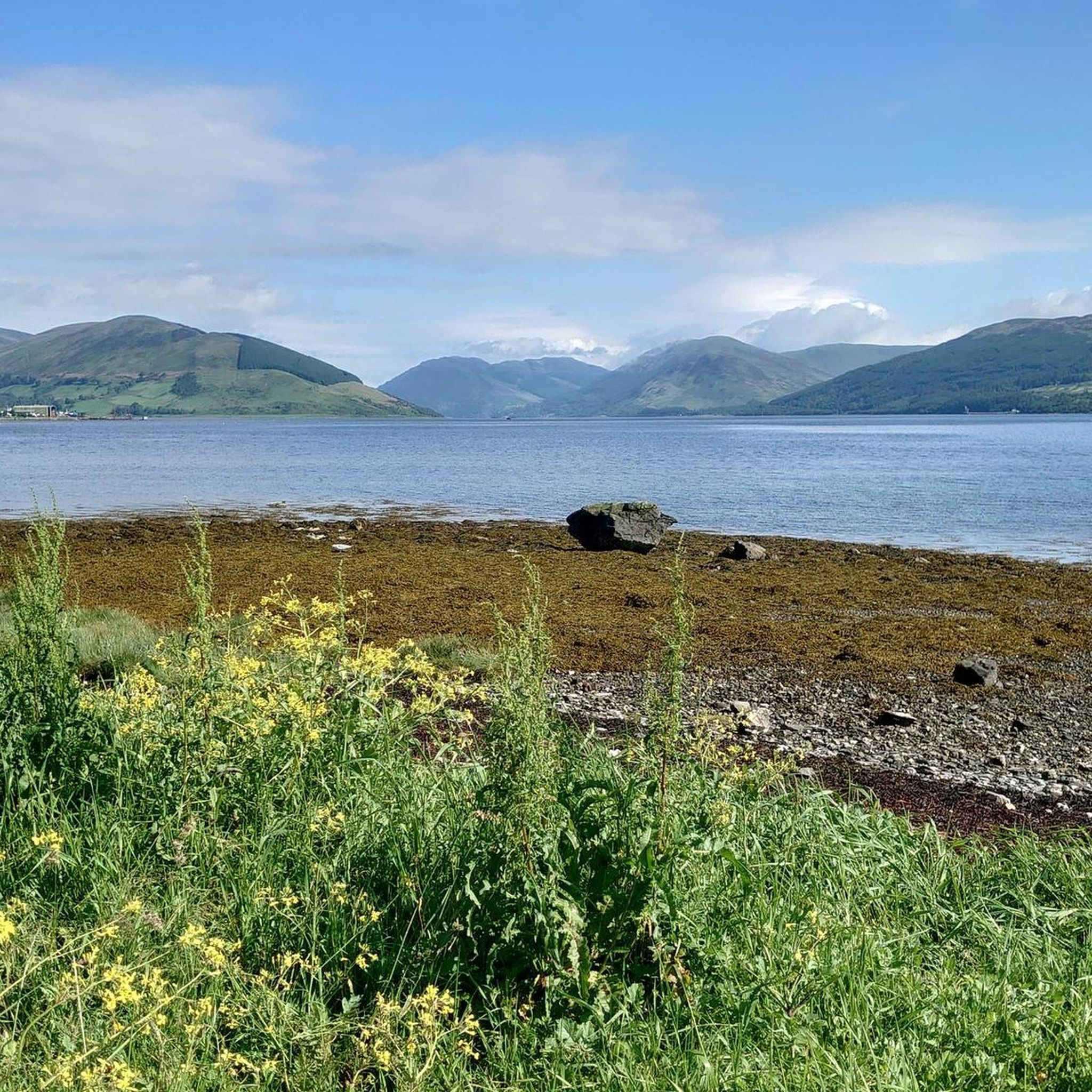
- Another must-see spot is View of Loch Fad, a viewpoint overlooking a freshwater lake. Visitors can get a view over the loch, which is a Site of Special Scientific Interest due to its birdlife and vegetation, nestled between rugged hills.
- Visitors also love Patrick Rankin Memorial Fountain, a facilities highlight. This spot provides a convenient place to refill water bottles.
- Bute is known for its viewpoints, lochs, and geological formations. These natural features offer a variety of landscapes to explore and appreciate.
- The natural monuments around Bute are appreciated by the komoot community, with more than 20 upvotes and 7 photos shared.
Last updated: May 19, 2026
Lion Rock
Highlight • Viewpoint
Tip by

View of Loch Fad
Highlight • Viewpoint
Tip by

Sign up now to discover places like this
Get recommendations on the best single tracks, peaks, & plenty of other exciting outdoor places.
Sign up for free
Patrick Rankin Memorial Fountain
Highlight • Rest Area
Tip by

Goldenberry Hill Cairn and View
Highlight • Viewpoint
Tip by

Start today with a free account
Your next adventure awaits.
Login or Signup
Other adventures around Bute

Tips from the Community

Loch Fad (which translates as ‘long loch’) is a freshwater lake on the Isle of Bute that lies directly along the Highland Fault Line. The loch is classed as a Site of Special Scientific Interest due to its birdlife and vegetation. From this spot on the causeway, you get a wonderful view over the loch nestled between rugged hills.
1
0

There is an electric fence over gate you climb over at summit to get to cairn with no signage. Not sure it is love or not.
0
0


Nice climb up to the phone mast, there's a gate on the way you need to climb over.
0
0

Very slow drip when I went past, it has been a very hot week here so maybe it had dry a bit dry.
0
0

Loch Fad (which translates as ‘long loch’) is a freshwater lake on the Isle of Bute that lies directly along the Highland Fault Line. The loch is classed as a Site of Special Scientific Interest due to its birdlife and vegetation. From this spot on the causeway, you get a wonderful view over the loch nestled between rugged hills.
2
0

A great place to fill your bidons on a hot day!
0
0
Frequently Asked Questions
What are some of the most popular natural monuments to visit around Bute?
Visitors frequently enjoy the impressive Lion Rock on Great Cumbrae, a natural formation standing 10 meters high and over 50 meters long. Another favorite is the View of Loch Fad, offering scenic vistas over a freshwater lake recognized for its birdlife and vegetation.
Are there family-friendly natural attractions on the Isle of Bute?
Yes, several natural monuments are suitable for families. Both Lion Rock and the View of Loch Fad are considered family-friendly. Additionally, the Patrick Rankin Memorial Fountain provides a convenient stop for water refills during family outings.
What kind of wildlife can I expect to see at Bute's natural monuments?
The Isle of Bute is rich in wildlife. At Loch Fad, you can spot diverse birdlife and vegetation, with a bird hide available. Scalpsie Bay is famous for its seal colony, where both Common and Grey seals can often be observed. St Ninian's Bay is a haven for various bird species, including waders like ringed plover and oystercatcher, as well as breeding shelduck and geese. White-tailed eagles have also been sighted there. Bute Forest is home to a wide variety of plants, animals, insects, fungi, and protected bird species.
Are there any natural monuments near Rothesay?
Yes, Loch Fad is situated a short distance from Rothesay town center, making it easily accessible. It offers beautiful views and opportunities for birdwatching and fishing.
What are the best places for scenic views on Bute?
Bute offers numerous stunning viewpoints. The View of Loch Fad provides a wonderful perspective over the loch nestled between rugged hills. Scalpsie Bay offers breathtaking views towards the Kintyre and Arran coastlines. St Ninian's Point, protecting St Ninian's Bay, gives fantastic views of Inchmarnock. For a higher vantage point, the Goldenberry Hill Cairn and View offers panoramic vistas after a moderate climb.
What outdoor activities can I do near the natural monuments on Bute?
The natural monuments are excellent starting points for various outdoor activities. You can explore running trails, enjoy cycling routes, or try gravel biking around the island. Loch Fad is popular for trout and pike fishing, and Bute Forest has waymarked paths for walking and exploring.
Are there any beaches that are considered natural monuments or areas of natural beauty?
Yes, Bute has several beautiful beaches. Scalpsie Bay is a tranquil stretch of reddish sand known for its seal colony and stunning views. Ettrick Bay, on the north-west coast, features a mile-long expanse of golden sand with impressive views towards the Isle of Arran. St Ninian's Bay is distinctive for its horseshoe shape and white cockle shells, offering a unique natural setting.
What geological features can be observed on the Isle of Bute?
The Isle of Bute lies directly along the Highland Fault Line, contributing to its varied landscapes. Loch Fad is a prime example of a feature shaped by this geological activity. Lion Rock, on nearby Great Cumbrae, is an ancient geological formation dating back some 65 million years.
Where can I find walking paths or trails to explore Bute's natural environment?
Bute Forest, located at the northern end of the island, offers a rich natural environment with waymarked paths, including the Balnakailly Loop. Many of the natural monuments, such as Scalpsie Bay and St Ninian's Bay, also have paths and coastal walks nearby. You can find various running trails and cycling routes that pass through or near these natural areas.
What is the best time of year to visit Bute's natural monuments?
The Isle of Bute's natural monuments can be enjoyed year-round, but each season offers different experiences. Spring and summer are ideal for warmer weather, longer daylight hours, and vibrant flora. Autumn brings beautiful colors to Bute Forest. Winter can be excellent for spotting wintering wildfowl at Loch Fad and other birdlife, though some coastal areas like St Ninian's Point can be cut off at spring tides.
Are there facilities available near the natural monuments?
Facilities vary by location. Ettrick Bay offers good amenities including car parking, toilets, picnic areas, and a tearoom. For water refills, the Patrick Rankin Memorial Fountain is a useful stop. Many natural areas are more remote, so it's advisable to carry your own supplies.
Most popular attractions around Bute

Get inspired with the komoot mobile app


Explore more
Extend your search for the best caves by checking out these guides of the top ones around Bute:
