Top 4 Natural Monuments in Ostronger Wald
Natural monuments in Ostronger Wald offer diverse landscapes within the densely forested mountain range of the Waldviertel region in Austria. The area features notable landmarks and viewpoints, including several peaks that provide extensive views over the Danube valley and the distant Alps. Its terrain includes varied topography, from accessible paths to more challenging ascents, catering to different hiking experiences. The region also holds historical and legendary significance, adding cultural interest to its natural beauty.
Best natural monuments in Ostronger Wald
- The most popular natural monuments is Großer Peilstein Summit, a summit that rewards with extensive views. This 1,063 meter high peak offers a wonderful view of the valley and features a small, rocky climb.
- Another must-see spot is Katzenstein Summit, a rock formation and summit at 963 meters. Visitors can climb this moss-covered rock, with the way being signposted, offering a rewarding detour from main paths.
- Visitors also love Kaiserstein (935 m), a summit with rocks suitable for sitting and taking a break. Its name is linked to Emperor Franz I, who reportedly enjoyed climbing the peaks in the area.
- Ostronger Wald is known for its summits, viewpoints, and forest trails. The region offers a variety of natural monuments to see and explore, from high peaks with panoramic views to historical sites.
- The natural monuments in Ostronger Wald are appreciated by the komoot community, with more than 40 upvotes and over 20 photos shared by visitors.
Last updated: May 19, 2026
Katzenstein Summit
Highlight • Summit
Translated by Google •
Tip by

Großer Peilstein Summit
Highlight • Summit
Translated by Google •
Tip by

Sign up now to discover places like this
Get recommendations on the best single tracks, peaks, & plenty of other exciting outdoor places.
Sign up for free
Kaiserstein (935 m)
Highlight • Summit
Translated by Google •
Tip by
Naturfreundestein
Highlight • Viewpoint
Translated by Google •
Tip by

Cross on Rocky Outcrop (Trail 55)
Highlight (Segment) • Viewpoint
Translated by Google •
Tip by

Start today with a free account
Your next adventure awaits.
Login or Signup


Tips from the Community

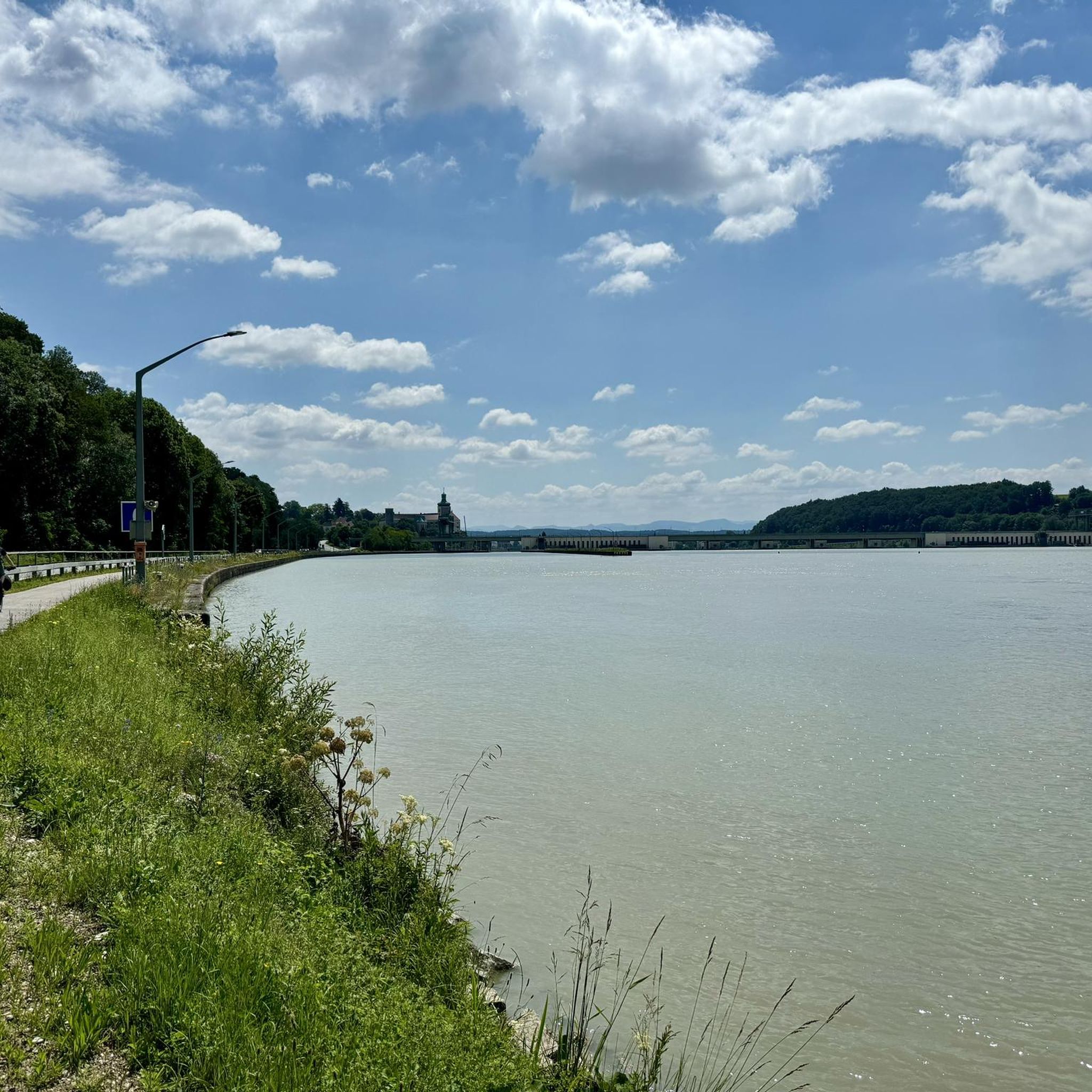
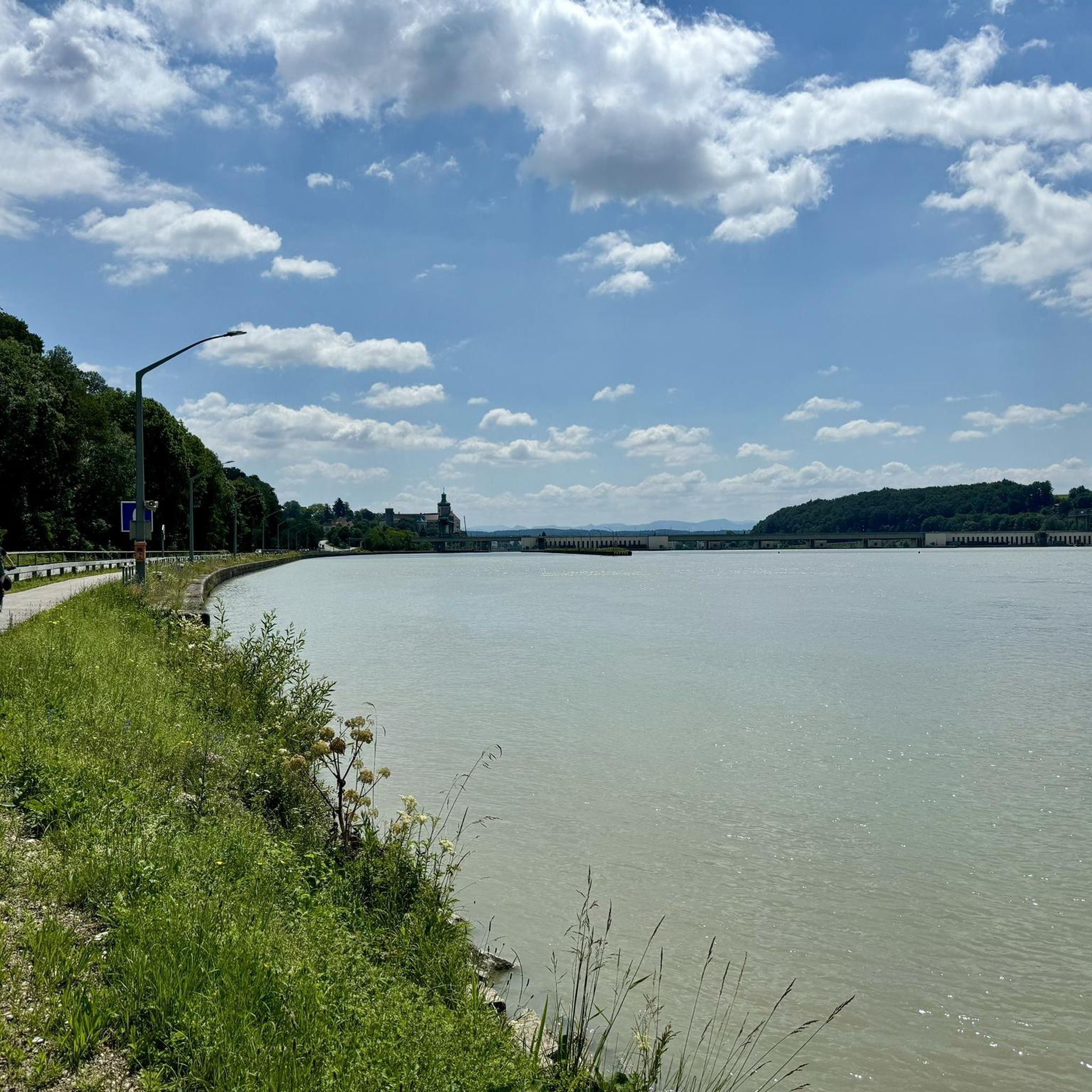
According to the description on the stone, this stone originates from the confluence of the Enns and Danube. The rest area offers a wonderful view of the Danube near Persenbeug-Gottsdorf and the striking Ötscher peak on the southern horizon.
0
0

Why would anyone recommend a mountain bike ride when cycling is prohibited throughout the forest is beyond me.
2
1

Such a beautiful area, highly recommended to all hikers and those who want to become hikers!
1
0
Such a great view from up there over the Yspertal delights the hiker's heart!
1
0

The name of the Kaiserstein (935 m above sea level) goes back to Emperor Franz I, who liked to climb the peaks around Münichreith from his summer residence Schloss Luberegg. Source. Wikipedia
1
0
At 1061m, the Great Peilstein is the highest elevation on the Ostrong. After felling, the view from the summit of the Großer Peilstein to the north is clear (as of spring 2013). However, the rocky spur of the Kleiner Peilstein 300 meters to the northeast (with a large summit cross and summit book) offers a much more comprehensive view, also in the direction of Laimbach am Ostrong. Source: Wikipedia
1
0

From here you have a wonderful view of Münicreith and the Ostrong.
2
0

Recommendation: Ascent and descent shortly before or after the summit cross is better on the right side, especially if you have short feet.
1
0
Frequently Asked Questions
What are some of the most notable natural monuments to visit in Ostronger Wald?
The Ostronger Wald is home to several impressive natural monuments. Among the most popular are Großer Peilstein Summit, offering extensive views, and Katzenstein Summit, a moss-covered rock formation with a rewarding detour from main paths. Don't miss Kaiserstein (935 m), a pleasant spot for a break with historical ties to Emperor Franz I.
What kind of panoramic views can I expect from the natural monuments in Ostronger Wald?
Many natural monuments in Ostronger Wald offer spectacular panoramic views. From the Großer Peilstein Summit, you can see the Danube valley and the distant Alps. The Kleiner Peilstein, though not listed as a top highlight, is known for its excellent panoramic views and an almost alpine feel. Additionally, the Naturfreundestein provides a wonderful view of the Danube near Persenbeug-Gottsdorf and the striking Ötscher peak.
Are there challenging hikes to natural monuments in Ostronger Wald?
Yes, the Ostronger Wald offers challenging routes for experienced hikers. The ascent to the Kleiner Peilstein, for instance, involves some light climbing and scrambling to reach the summit book. The Cross on Rocky Outcrop (Trail 55) is also noted for its very steep, direct descent, providing a more demanding experience.
Are there family-friendly natural monuments or trails in Ostronger Wald?
While some ascents can be challenging, the Ostronger Wald also features paths suitable for families. The Naturfreundestein is categorized as family-friendly and offers a break bench with views over wide meadows into the Danube valley. The region generally has a network of trails, including easier circular routes, though specific family-friendly natural monuments beyond Naturfreundestein are less explicitly highlighted.
What outdoor activities can I do near these natural monuments?
The Ostronger Wald is ideal for various outdoor activities. You can explore numerous hiking trails, including challenging mountain hikes like the 'Katzenstein Summit – Kaiserstein (935 m) loop'. For cyclists, there are extensive MTB trails and touring bicycle routes, such as the 'Southern Waldviertel Cycle Path' or routes that pass by the Naturfreundestein. You can find more details on these activities in the Mountain Hikes in Ostronger Wald, MTB Trails in Ostronger Wald, and Cycling in Ostronger Wald guides.
What historical or legendary significance do the natural monuments of Ostronger Wald hold?
The Ostronger Wald is rich in history and local legends. The name of Kaiserstein (935 m), for example, is linked to Emperor Franz I, who reportedly enjoyed climbing the peaks in the area from his summer residence. The Kaiserweg, an ancient trail, also traverses the northern ridge from Kaiserstein to Großer Peilstein. Additionally, the region is steeped in local folklore, including tales of a giant fish and a mermaid, adding a mystical layer to the natural surroundings.
What is the terrain like around the natural monuments in Ostronger Wald?
The Ostronger Wald features a varied topography within a densely forested mountain range. You'll find a mix of accessible paths and more demanding sections. Peaks like Großer Peilstein Summit involve rocky climbs, while the Kleiner Peilstein offers a rugged, almost alpine feel with scrambling required. The region is characterized by extensive forests and a hilly low mountain range landscape.
What do visitors enjoy most about the natural monuments in Ostronger Wald?
Visitors frequently praise the rewarding views and the sense of accomplishment after reaching the summits. For instance, the ascent to Großer Peilstein Summit is rewarded with a great view and a real summit experience. The Katzenstein Summit is appreciated for its moss-covered rocks and the worthwhile detour it offers. Many also enjoy the peaceful breaks at spots like Kaiserstein (935 m).
Are there any natural monuments that offer a unique or rugged experience?
For a unique and rugged experience, the Kleiner Peilstein stands out. It features a distinctive rocky cliff with a summit cross, providing an almost alpine feel. The ascent can involve some light climbing and scrambling to reach the summit book, making it particularly appealing for more adventurous hikers seeking a challenge and excellent panoramic views.
What is the best time to visit the natural monuments in Ostronger Wald?
The Ostronger Wald offers natural beauty throughout the year, but the best time to visit largely depends on your preferred activity. Spring and autumn provide pleasant temperatures for hiking and cycling, with vibrant foliage in autumn. Summer is also popular, though trails can be busier. Winter offers a different, serene experience for those prepared for colder conditions and potential snow.
Can I find places to rest or have a break near the natural monuments?
Yes, several natural monuments offer convenient spots for breaks. Kaiserstein (935 m) has rocks suitable for sitting and enjoying a snack. The Naturfreundestein features a break bench for tired hikers, offering a wonderful view. Even the Kleiner Peilstein has a wooden beam beneath its summit cross for a resting spot.
Most popular routes in Ostronger Wald
Most popular attractions in Ostronger Wald

Get inspired with the komoot mobile app


Explore more
Extend your search for the best caves by checking out these guides of the top ones in Ostronger Wald:
