Top 6 Natural Monuments in Żarno
Best natural monuments in Żarno are located within the Izera Mountains, featuring a landscape rich in diverse natural features. This region offers outdoor experiences, including panoramic viewpoints, historical natural springs, and extensive trail systems. Visitors can explore a variety of natural monuments that highlight the area's unique geology and serene forest environments. The natural monuments in Żarno are suitable for those seeking to discover notable landmarks and connect with nature.
Best natural monuments in Żarno
- The most popular natural monuments…
Last updated: May 19, 2026
Vulture Mountain (Geierstein)
Highlight • Summit
Translated by Google •
Tip by

Saint Wolfgang's Spring
Highlight • Natural Monument
Translated by Google •
Tip by

Sign up now to discover places like this
Get recommendations on the best single tracks, peaks, & plenty of other exciting outdoor places.
Sign up for free
Poidło Waterfall
Highlight • Waterfall
Translated by Google •
Tip by

Robbers' Rocks
Highlight • Natural Monument
Translated by Google •
Tip by

Świętojanki Rock Viewpoint
Highlight • Viewpoint
Translated by Google •
Tip by
Sign up for free to discover even more natural monuments in Żarno.
Sign up for free
Already have an account?
Start today with a free account
Your next adventure awaits.
Login or Signup

Tips from the Community

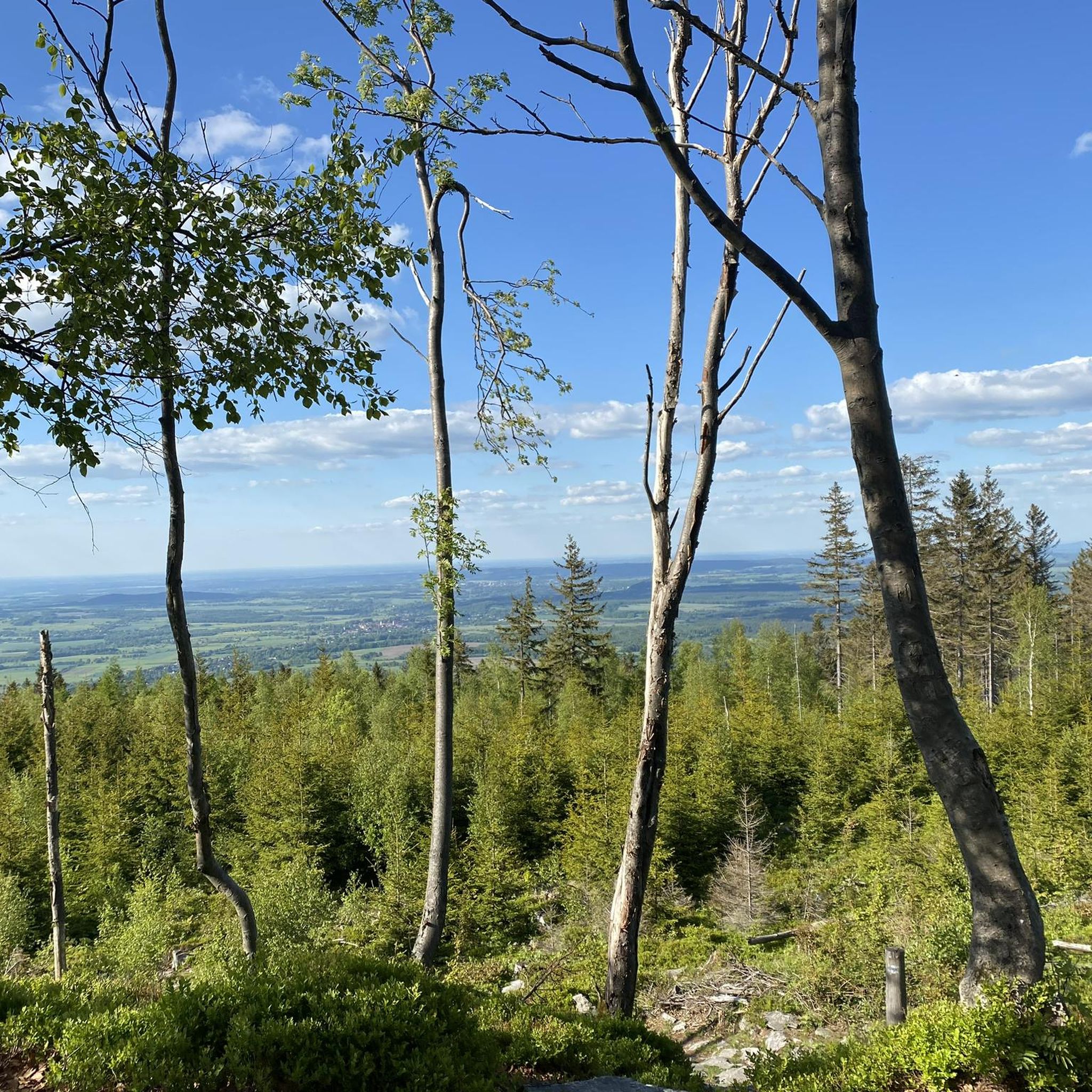
Świętojanki is a granite-gneiss rock located on the southwestern slope of Sępia Góra, east of Świeradów-Zdrój. The original name of the rock was in honor of Count Schaffgotsch. There is a viewpoint with a panorama of the city and Grzbiet Wysoki.
0
0
Zbójeckie Skały is a vast rock group about 100 meters long. They rise at an altitude of 660-686 m above sea level above the so-called Mniszy Las in Szklarska Poręba Dolna, above the Piechowice - Szklarska Poręba railway line. The black tourist trail leading around Szklarska Poręba and the yellow one from Piechowice to Wysoki Kamień run through here.
0
0
The middle waterfall on the route to Bear Mountain
0
0
Saint Wolfgang's Spring Saint Wolfgang's Spring (known as Wolf's Spring) was worshipped in pre-Christian times as water that was believed to have miraculous properties. At the beginning of the Christianization of the Sudetes, the spring was attributed to Saint Wolfgang. There are many legends and tales associated with the spring. One of them says that it was the saint who drank from the spring while walking along a nearby path, while another - probably much earlier - says that a witch cast spells on the spring, depriving it of its magical properties. Saint Wolfgang, the patron saint of shepherds, among others, was sent from Germany to Hungary as the most suitable person to evangelize the local people. Who knows, maybe he also stopped by Querbach (Przecznica) and Gierhen (Gierczyn) on his way? Either way - the water is delicious. I have not determined whether it has magical properties, but it is very cold and tasty. In the 19th century, the spring flowing from the rocks was enclosed in blocks of granite gneiss and a name was put on it. The name "wolfram spring" or even St. Wolfram's spring is also used (probably due to the cobalt and wolfram deposits occurring in the region along with tin).
0
0

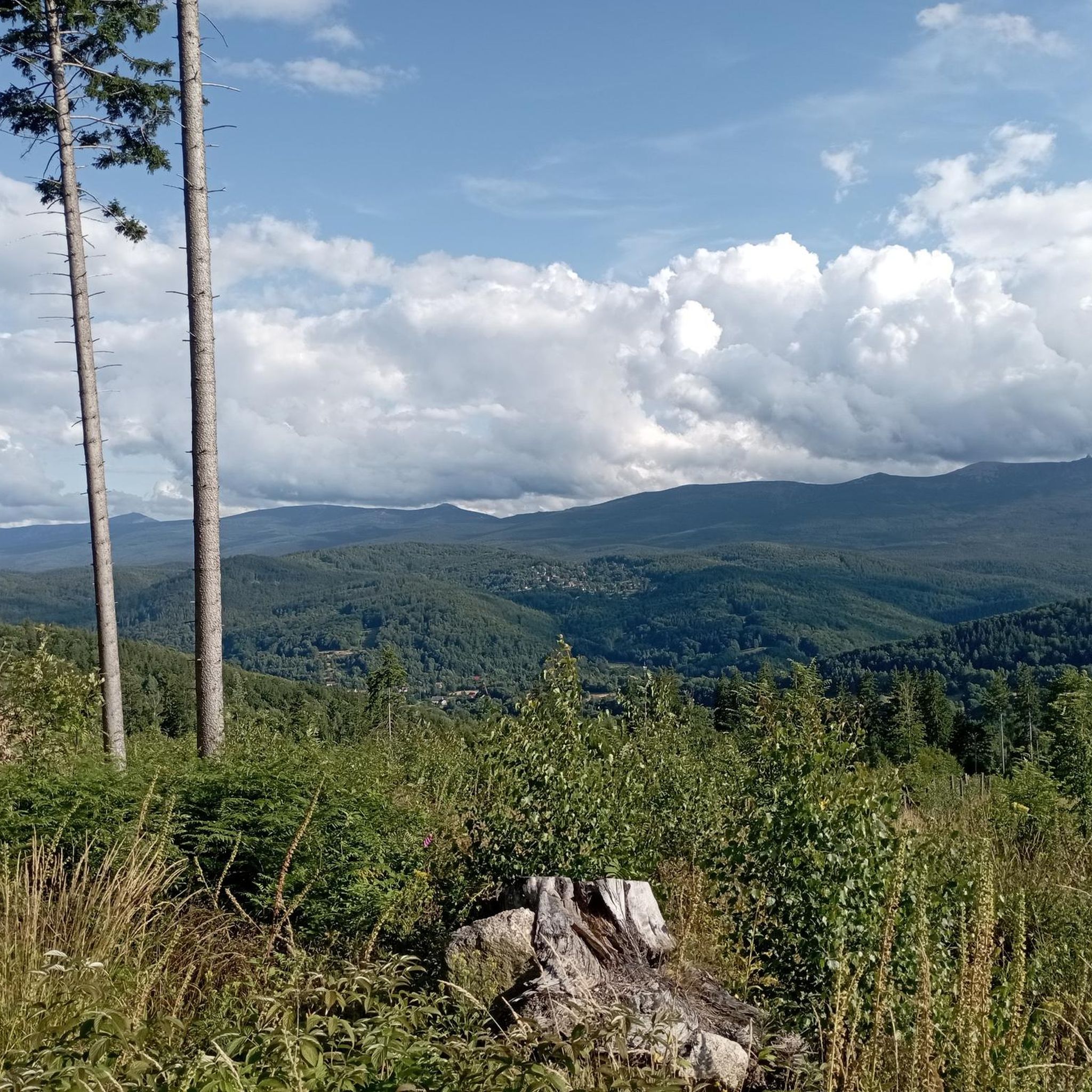
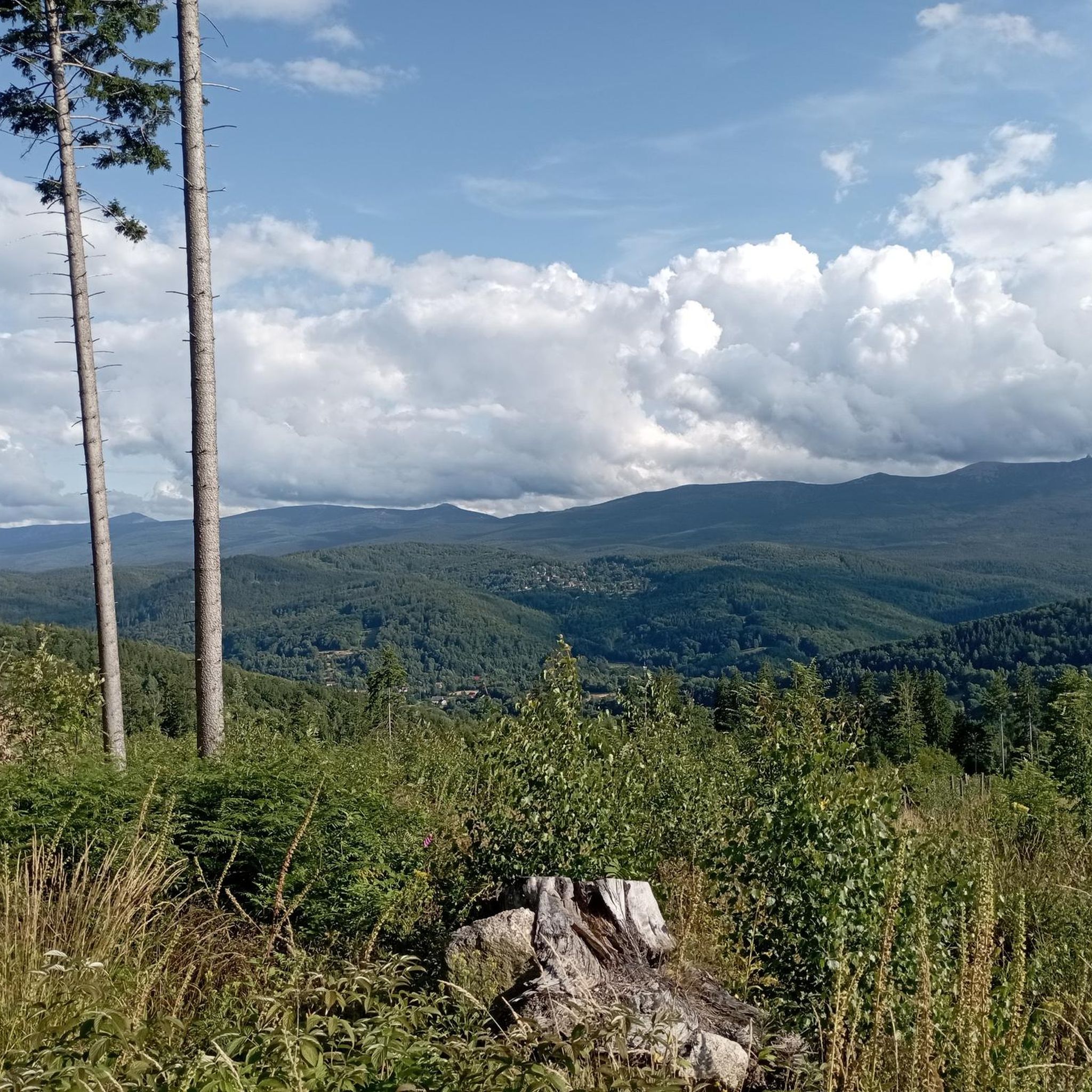
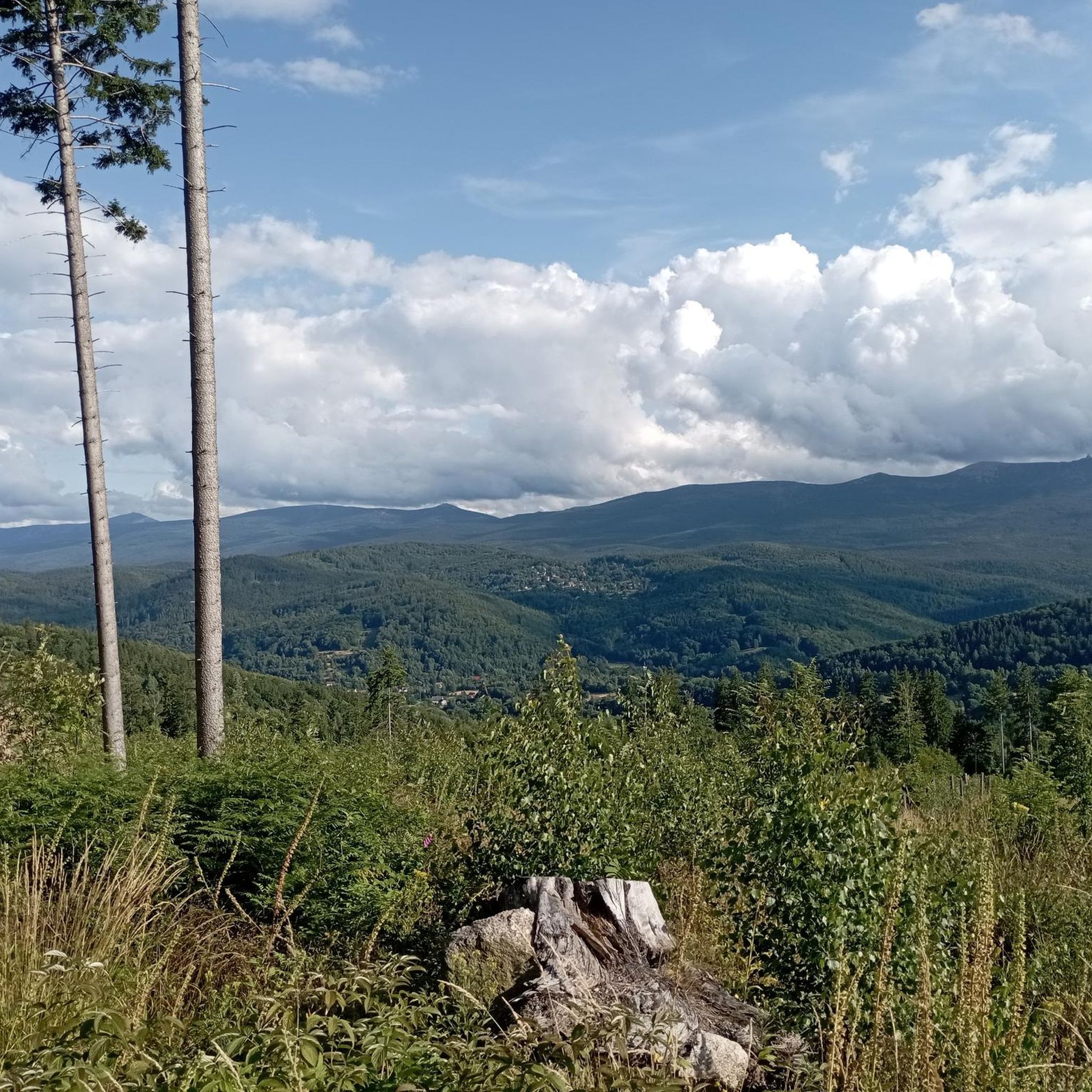
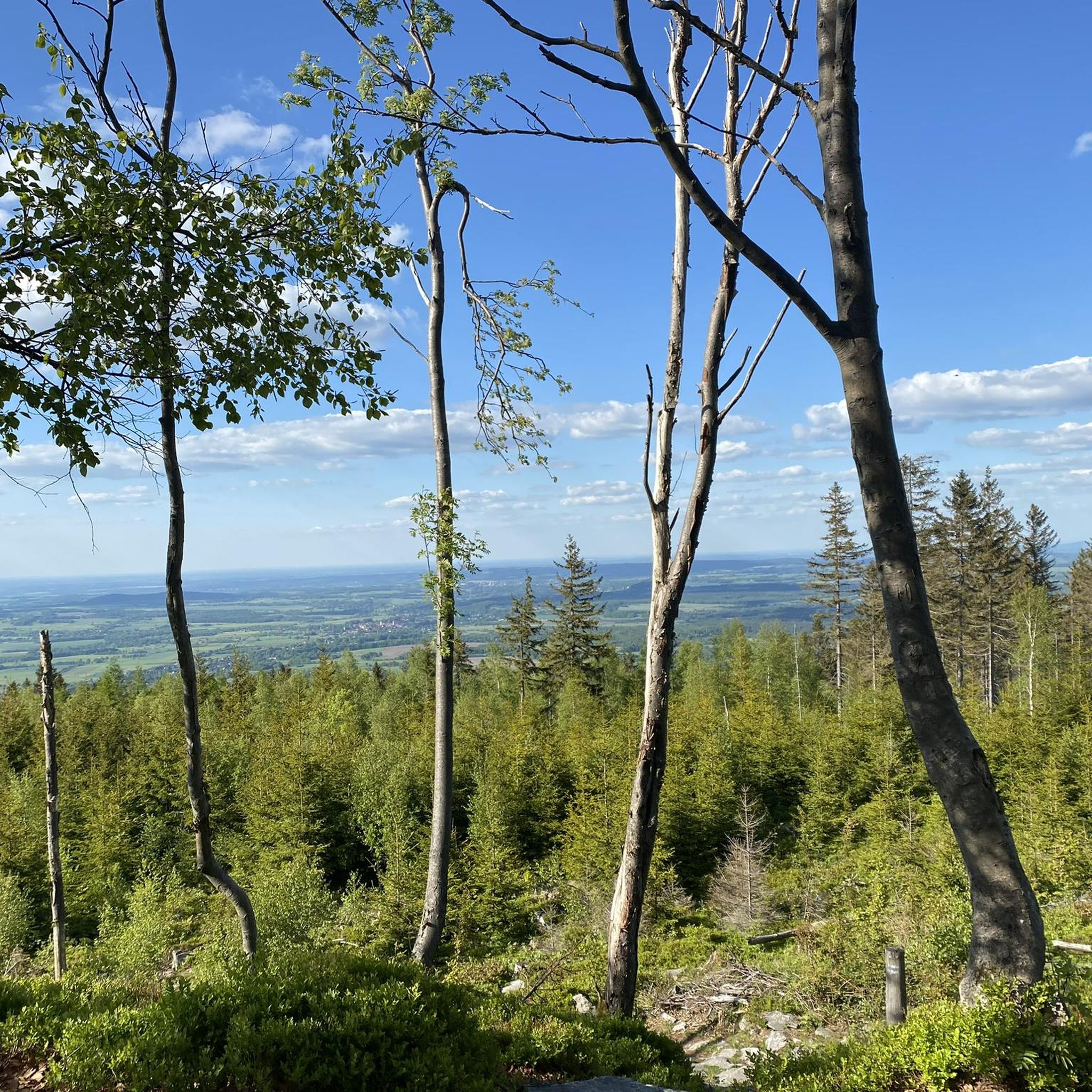
Beautiful views, with excellent visibility in clear weather. The shelter is a great place to take a short break. Sępia Góra - Geierstein (Vulture Stone). It rises above Świeradów. A paved forest path leads from the train station to the slopes of Sępia Góra, offering beautiful views of the surrounding area. A blue-marked trail runs along the summit. It's worth climbing to the summit to admire the magnificent panorama of the Jizera Mountains, the Lusatian Mountains, the Iser Uplands, the Jeleniogórska Basin, and the Giant Mountains.
0
1
Beautiful waterfall near the Queis (Kwisa)!
0
0

It's a good idea to take a jacket because it can be windy at the top sometimes
1
1
It's a good idea to take a jacket with you because it can be windy sometimes
0
0
Frequently Asked Questions
Are there family-friendly natural monuments in Żarno?
Yes, several natural monuments in Żarno are suitable for families. Saint Wolfgang's Spring is noted as family-friendly, offering a tranquil forest setting with historical significance. The Vulture Mountain (Geierstein) also has an easier route to the top, making it accessible for various fitness levels, including families.
What kind of natural features can I expect to see in Żarno?
Żarno, nestled within the Izera Mountains, offers a variety of natural features. You can explore summits like Vulture Mountain (Geierstein), tranquil forest settings around Saint Wolfgang's Spring, and impressive viewpoints such as View from Sępia Góra. There are also waterfalls like Poidło Waterfall and unique rock formations like Robbers' Rocks.
What historical or cultural significance do these natural monuments hold?
The natural monuments in Żarno often carry historical and legendary significance. For instance, Saint Wolfgang's Spring was revered in pre-Christian times for its believed miraculous properties and later became associated with Saint Wolfgang, with numerous legends surrounding it. The View from Sępia Góra is also linked to legends of a pagan temple and the gold of the Third Reich.
Are there hiking trails near the natural monuments in Żarno?
Yes, the Żarno area offers numerous hiking opportunities. For example, you can find moderate hiking routes like the "View of the Giant Mountains – View from the Wysoki Kamień Hut loop" or easier options like the "Moloch Rock (Moloch Skała) – Artificial Cave (Pyrite Mine) loop." You can explore more hiking trails in the region by visiting the Hiking in Żarno guide.
What outdoor activities can I do near these natural monuments?
Beyond exploring the natural monuments themselves, the Żarno area provides excellent opportunities for various outdoor activities. You can enjoy gravel biking on routes like the "Dookoła Kwisy Trail" or explore numerous hiking paths. For more details on cycling, check out the Gravel biking in Żarno guide, and for hiking, refer to the Hiking in Żarno guide.
What do visitors enjoy most about the natural monuments in Żarno?
Visitors frequently praise the stunning panoramic views, especially from summits like Vulture Mountain (Geierstein) and View from Sępia Góra, which offer vistas of the Jizera Foothills and the Karkonosze. The tranquil atmosphere of places like Saint Wolfgang's Spring and the refreshing taste of its water are also highly appreciated.
Is there a Dark Sky Park nearby for stargazing?
Yes, the Jizera Dark Sky Park is a remarkable area nearby, straddling the border between Poland and the Czech Republic. It is known for exceptionally low light pollution, making it an unparalleled location for astronomical observations. You can marvel at the Milky Way, distant galaxies, and shooting stars. More information can be found on Wikipedia.
What is the best time to visit the natural monuments in Żarno?
The Izera Mountains, where Żarno is located, are beautiful year-round. Spring and summer offer lush greenery and pleasant temperatures for hiking and exploring. Autumn brings vibrant foliage, while winter transforms the landscape into a snowy wonderland, suitable for winter hiking, though some routes might require appropriate gear.
Are there any viewpoints offering expansive panoramas?
Absolutely. The region is rich in viewpoints. Vulture Mountain (Geierstein) provides breathtaking views of the Jizera foothills. Another excellent spot is the View from Sępia Góra, which offers a panorama of the Karkonosze, the Izera Foothills, and the Jelenia Góra Valley.
Can I find waterfalls among the natural monuments?
Yes, the area features beautiful waterfalls. The Poidło Waterfall is a notable natural monument, described as a beautiful waterfall near the Queis (Kwisa). You can also find more waterfall-focused hikes in the Waterfall hikes in Żarno guide.
Are there any unique rock formations to explore?
Yes, the region boasts interesting rock formations. The Robbers' Rocks are a vast group of rocks, approximately 100 meters long, located above the Mniszy Las in Szklarska Poręba Dolna. These formations offer a unique natural spectacle and are accessible via tourist trails.
What should I wear when hiking to these natural monuments?
When hiking in the Izera Mountains around Żarno, it's advisable to wear sturdy hiking shoes, especially as some routes can be more demanding. Layered clothing is recommended to adapt to changing weather conditions, and a jacket is a good idea, as it can be windy at summits like Vulture Mountain (Geierstein).
Most popular routes in Żarno
Most popular attractions in Żarno

Get inspired with the komoot mobile app


Explore more
Extend your search for the best caves by checking out these guides of the top ones in Żarno:
