Top 11 Natural Monuments in Horlitzer Berg
Best natural monuments in Horlitzer Berg are primarily found within the Muskauer Faltenbogen, a geologically significant region. This area features a landscape shaped by glacial activity and former lignite mining, resulting in unique natural formations. Visitors can explore a variety of natural monuments, including glacial erratics, former mining lakes, and distinctive gorges. The region offers insights into geological processes and the impact of historical industrial activity on the natural environment.
Best natural monuments in Horlitzer Berg
- The most popular natural…
Last updated: June 30, 2026
Apostelstein Fountain
Highlight • Monument
Translated by Google •
Tip by

Soll (Kettle Hole) of Groß Kölzig
Highlight • Natural Monument
Translated by Google •
Tip by

Sign up now to discover places like this
Get recommendations on the best single tracks, peaks, & plenty of other exciting outdoor places.
Sign up for free
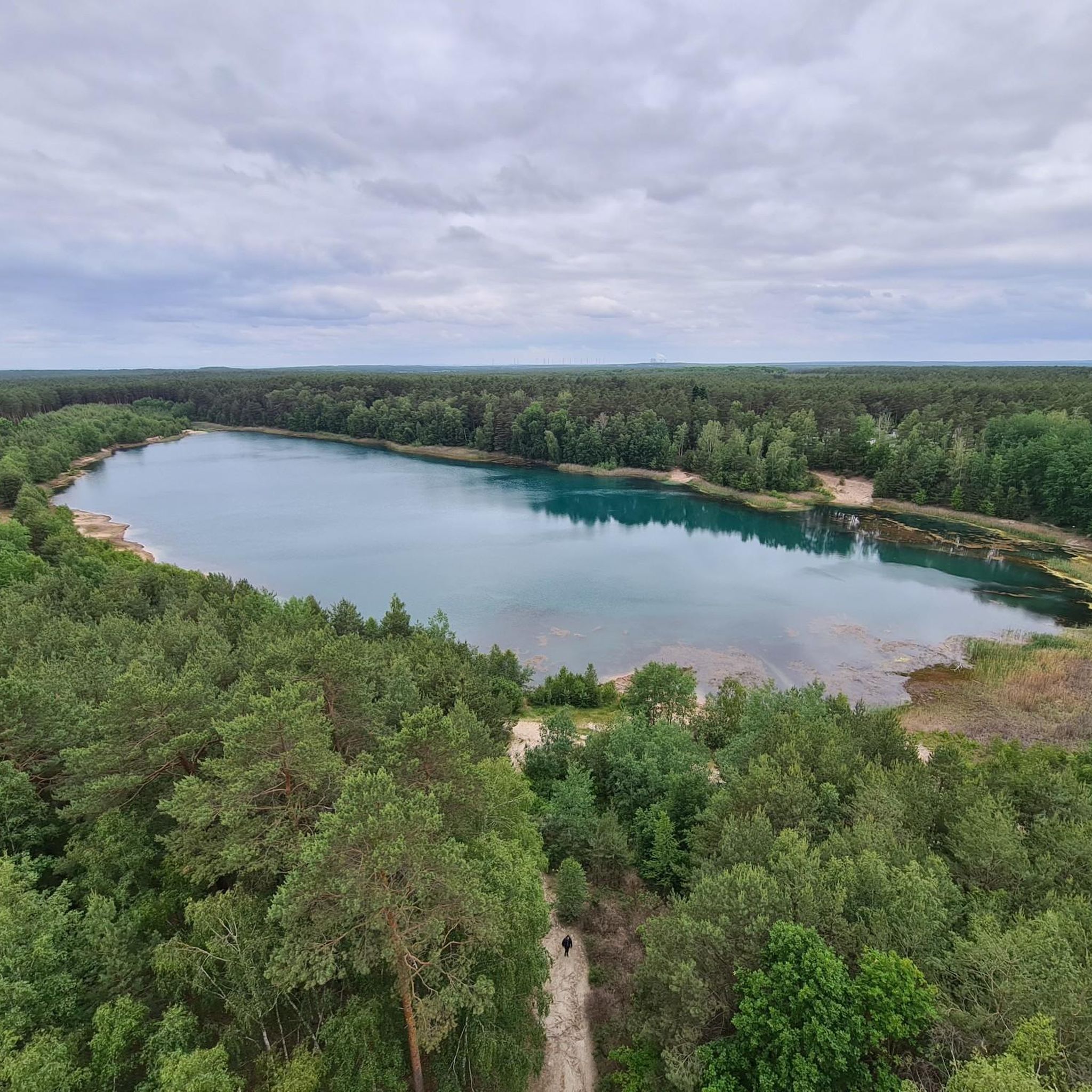
Restloch Julius (Sunken Forest) in the Muskauer Faltenbogen
Highlight • Lake
Translated by Google •
Tip by
Luisensee
Highlight • Lake
The "Franz" mine, put into operation in 1851 and shut down in 1928, was one of the …
Translated by Google •
Tip by
Eulenschlucht Gorge
Highlight • Gorge
Translated by Google •
Tip by
Sign up for free to discover even more natural monuments in Horlitzer Berg.
Sign up for free
Already have an account?
Start today with a free account
Your next adventure awaits.
Login or Signup
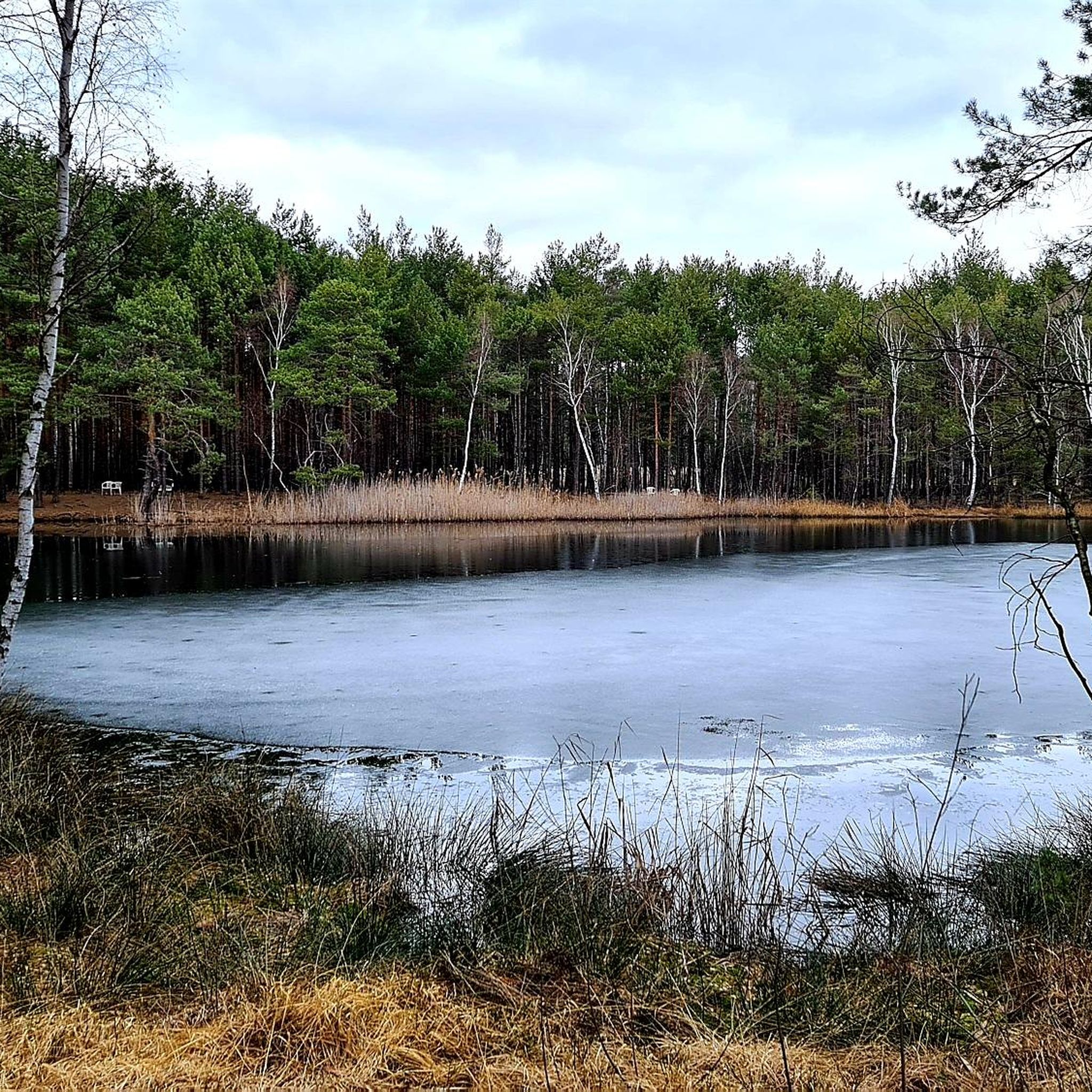
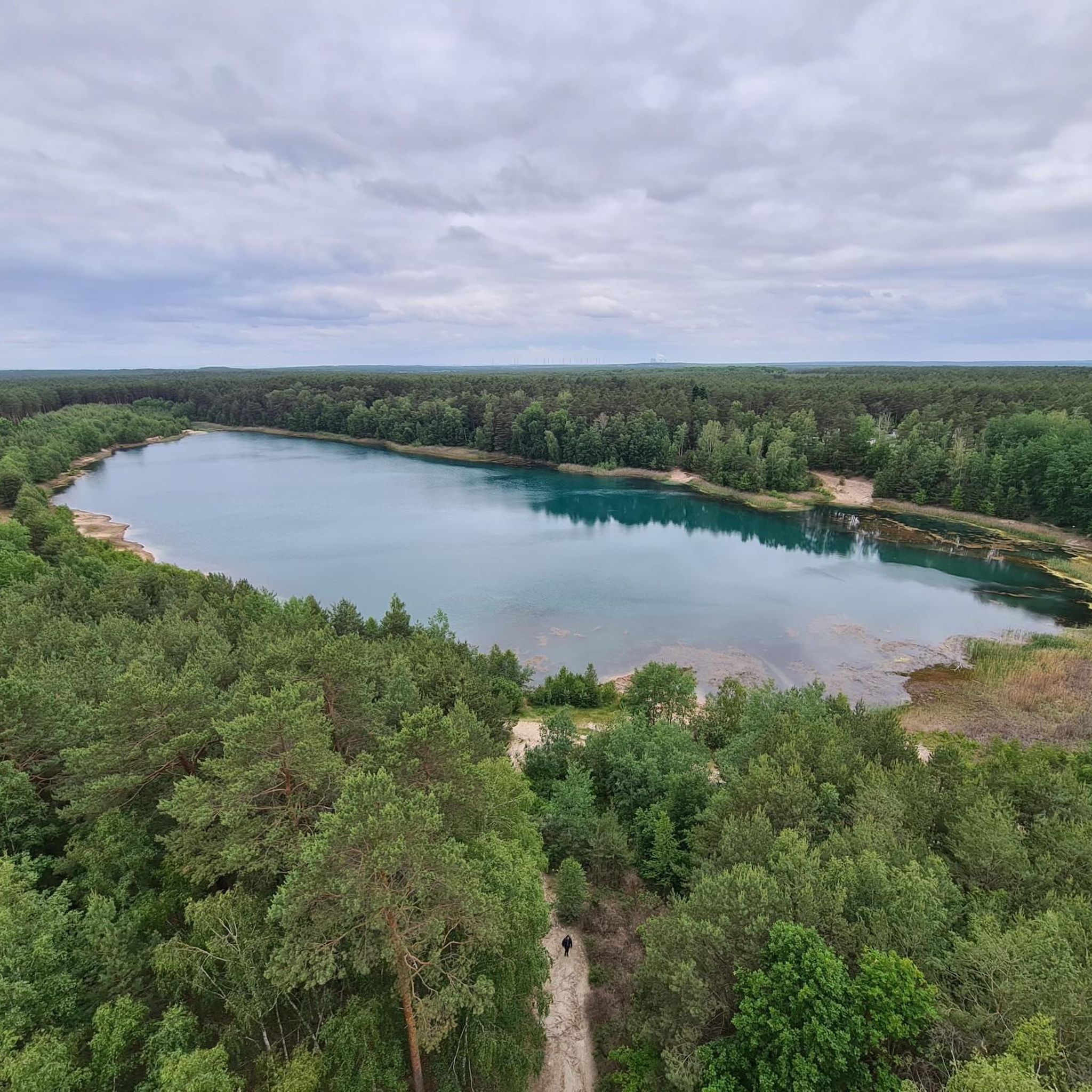
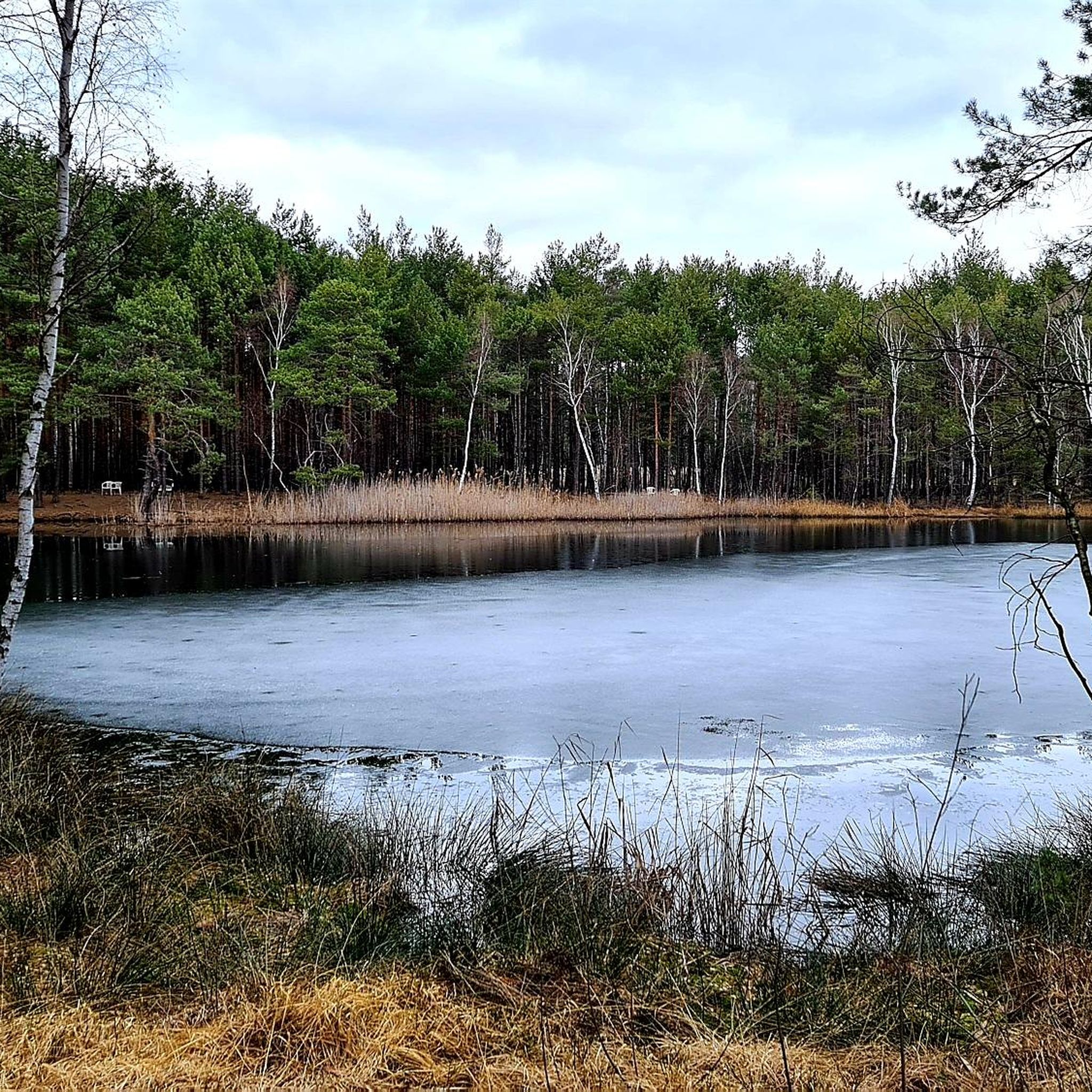
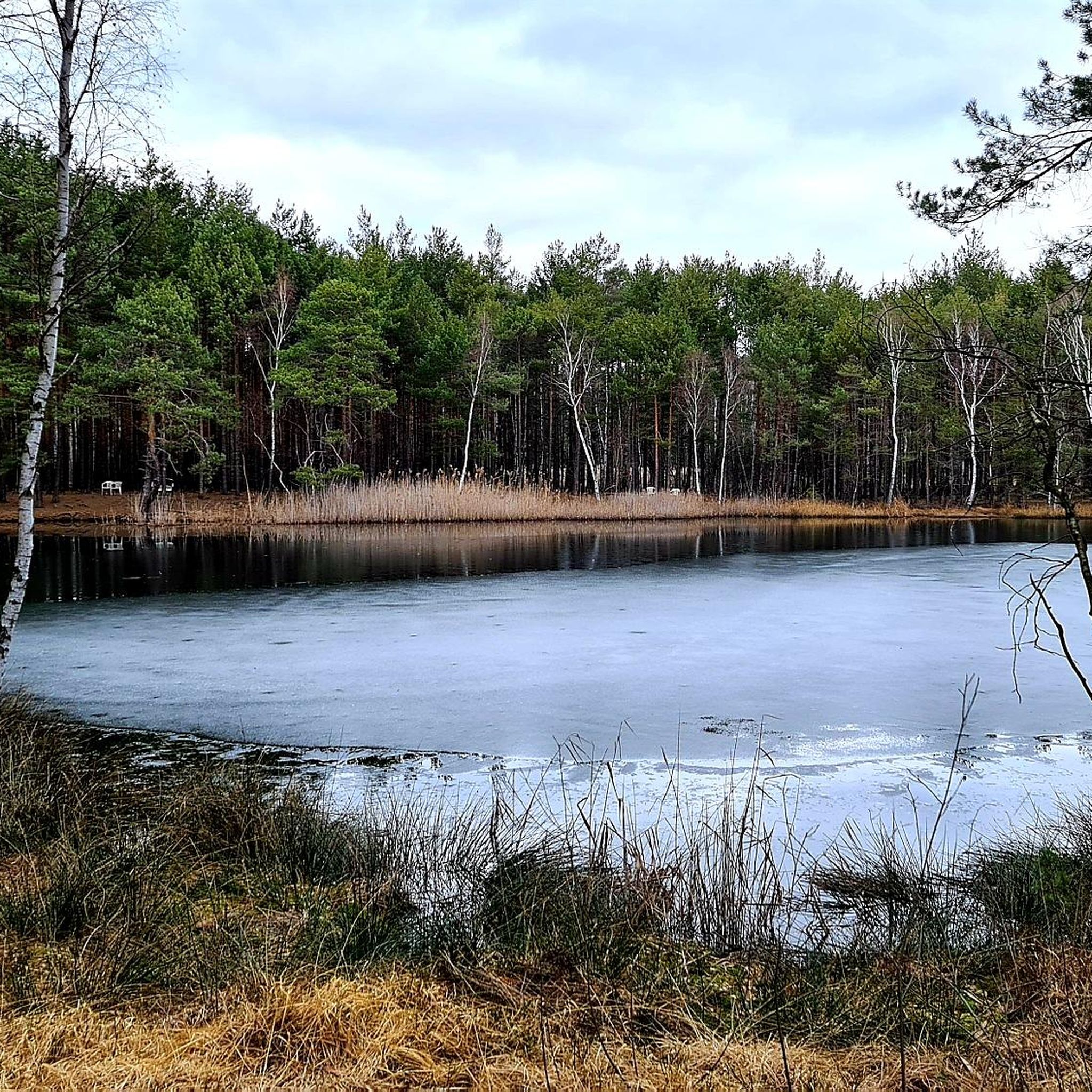
Tips from the Community


The stone is found quite unexpectedly in the middle of the forest, in a small clearing just before the Reuthen estate park. The Apostle Stone was once part of this estate park. The surrounding forest paths are almost magical.
0
0

There are plenty of these remaining holes in Lusatia.
1
0

Next time I'm in Döbern, I have to hike to Groß Kolzig.
0
0

The Apostle Stone is very surprising, the area is suddenly very well maintained, while the whale around it is very natural. with blueberries in summer and mushrooms in autumn. There is little signage in the park itself. It is worth studying the boards in advance.
2
0

Nice quiet area there!
1
0
Very informative, I didn't know that!
1
0
Frequently Asked Questions
What kind of natural monuments can I expect to find in Horlitzer Berg?
Horlitzer Berg, situated within the Muskauer Faltenbogen, features a landscape shaped by glacial activity and former lignite mining. You'll discover unique natural formations such as glacial erratics, former mining lakes, and distinctive gorges. These sites offer insights into geological processes and the impact of historical industrial activity on the natural environment.
Are there any natural monuments in Horlitzer Berg that are particularly unique or historically significant?
Yes, the region is home to several unique sites. The Finkenstein Glacial Erratic is a significant natural monument, being the largest erratic block of its kind on the German side of the Muskau fold, weighing approximately 20 tons and composed of Rönne granite. Another unique spot is Restloch Julius (Sunken Forest), a former lignite mining area where collapsed mining chambers filled with groundwater, submerging the pine forest and creating a distinctive 'sunken forest' effect.
Which natural monuments are considered most popular by visitors?
Among the most popular natural monuments is Luisensee, a lake that formed from a former opencast mine. This site, once the 'Franz' pit, filled with water after its closure, developing unique plant cover and trees. Visitors also frequently enjoy the Finkenstein Glacial Erratic.
Are there any family-friendly natural monuments in Horlitzer Berg?
Yes, Luisensee is noted as a family-friendly natural monument. Its calm lake environment, formed from a former opencast mine, offers a pleasant setting for families to explore the unique plant life and enjoy nature.
What kind of geological features are prominent in Horlitzer Berg?
The geological features in Horlitzer Berg are largely defined by its location within the Muskauer Faltenbogen. This includes formations like glacial erratics, such as the 20-ton Finkenstein Glacial Erratic, and unique gorges like the Eulenschlucht Gorge, which are sharply incised, drainless valleys known as Gieser.
Are there any hidden gems or secluded natural monuments worth seeking out?
For a more secluded experience, consider visiting the Apostelstein Fountain. This man-made monument and natural monument is located in a clearing within a fairly overgrown part of the forest, making it a quiet and somewhat challenging find, but rewarding for its peaceful atmosphere.
What outdoor activities can I do near the natural monuments in Horlitzer Berg?
The area around Horlitzer Berg's natural monuments offers various outdoor activities. You can find numerous hiking trails, including easy options like the 'Felixsee Lookout Tower – Clothing-optional beach at Felixsee loop' or the 'Ziegelei Railway Klein Kölzig – Luisensee loop'. For more challenging hikes, explore options in the waterfall hikes guide. Road cycling routes are also available, with options like the 'Robber Knights' Gate, Klinge – View of Klinger Lake loop'.
Are there easy hiking trails to access the natural monuments?
Yes, there are several easy hiking trails in Horlitzer Berg that can lead you to or near natural monuments. For instance, the 'Ziegelei Railway Klein Kölzig – Luisensee loop' is an easy 6.37 km hike that takes you past the Luisensee. You can find more easy routes in the easy hikes guide for Horlitzer Berg.
What is the significance of the Muskauer Faltenbogen in relation to Horlitzer Berg's natural monuments?
The Muskauer Faltenbogen (Muskau Arch) is a geologically significant region that forms the backdrop for many of Horlitzer Berg's natural monuments. It's a unique landscape shaped by glacial activity and former lignite mining, which led to the formation of features like glacial erratics, former mining lakes (such as Luisensee and Restloch Julius), and distinctive gorges like Eulenschlucht Gorge.
What do visitors say about the natural monuments in Horlitzer Berg?
Visitors appreciate the unique geological formations and the tranquility of the area. For example, the Restloch Julius (Sunken Forest) is described as an 'interesting rest area' and 'like a time capsule'. The Apostelstein Fountain is noted for its beautiful, quiet, and secluded setting, despite being a bit out of the way. Overall, the natural monuments are valued for their natural beauty and historical context.
Is the Eulenschlucht Gorge a protected area?
Yes, the area around the Eulenschlucht Gorge is a protected area according to Section 29 of the Federal Nature Conservation Act. This highlights its ecological importance as a characteristic landscape element within the Muskau Arch, known for its sharply incised, drainless valleys.
Most popular routes in Horlitzer Berg
Most popular attractions in Horlitzer Berg

Get inspired with the komoot mobile app


Explore more
Extend your search for the best caves by checking out these guides of the top ones in Horlitzer Berg:
