Top 5 Natural Monuments in Segeberger Staatsforst
Best natural monuments in Segeberger Staatsforst are found within Schleswig-Holstein's second-largest contiguous forest area, spanning over 4,000 hectares. This region features a mix of spruce, pine, larch, beech, and oak stands. The area is characterized by diverse natural landscapes, including protected heathlands and ancient woodlands. It offers opportunities to explore significant natural features and historical sites.
Best natural monuments in Segeberger Staatsforst
- The most popular natural monument is Wittenborn Heath Nature Reserve, a natural monument that is a significant…
Last updated: June 30, 2026
Wittenborn Heath Nature Reserve
Highlight • Natural Monument
Translated by Google •
Tip by

Bronze Age Burial Mounds
Highlight • Historical Site
Translated by Google •
Tip by

Sign up now to discover places like this
Get recommendations on the best single tracks, peaks, & plenty of other exciting outdoor places.
Sign up for free
Intertwined Birch and Oak Trees
Highlight • Natural Monument
Translated by Google •
Tip by

The Dead Man
Highlight • Forest
Translated by Google •
Tip by

Start today with a free account
Your next adventure awaits.
Login or Signup
Popular around Segeberger Staatsforst
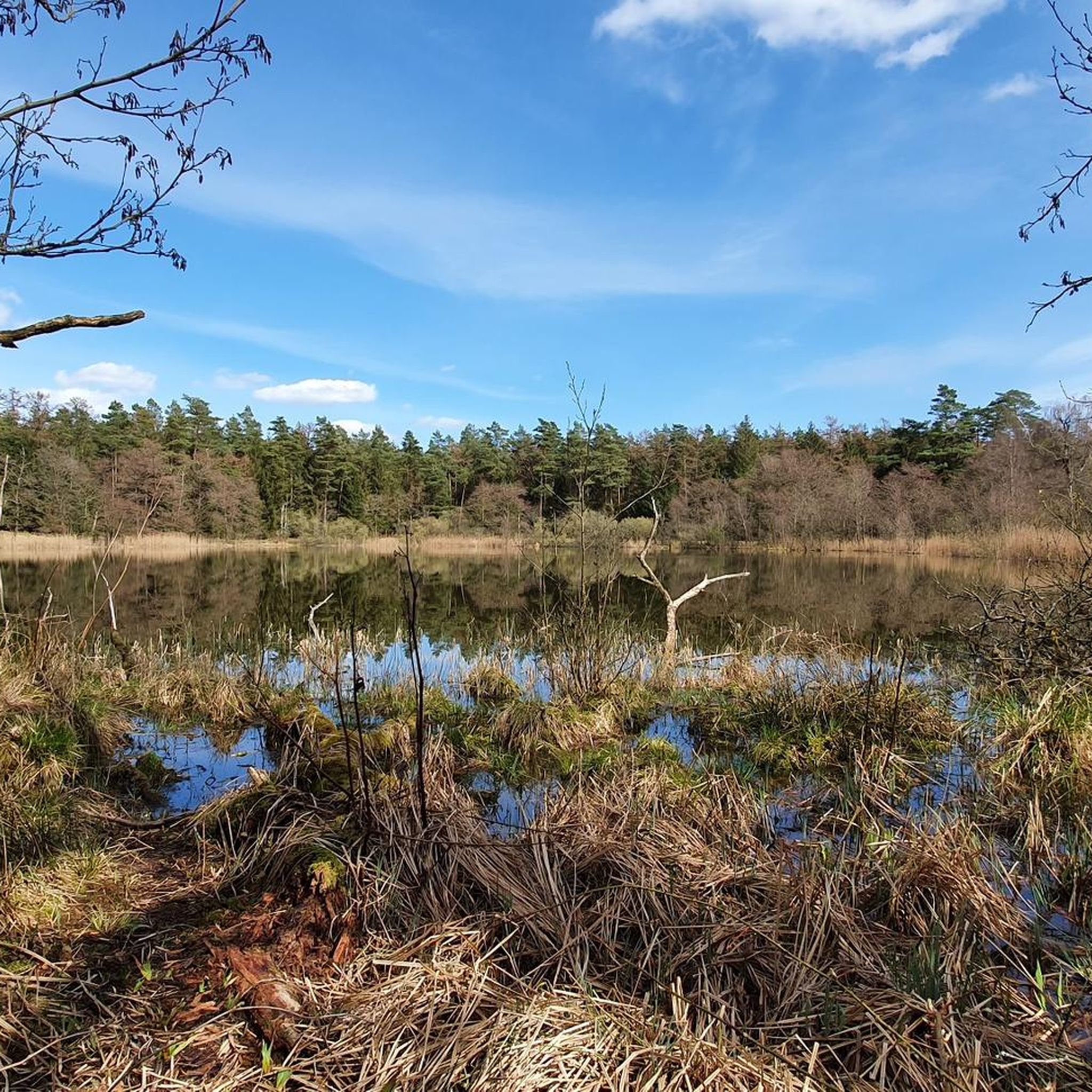
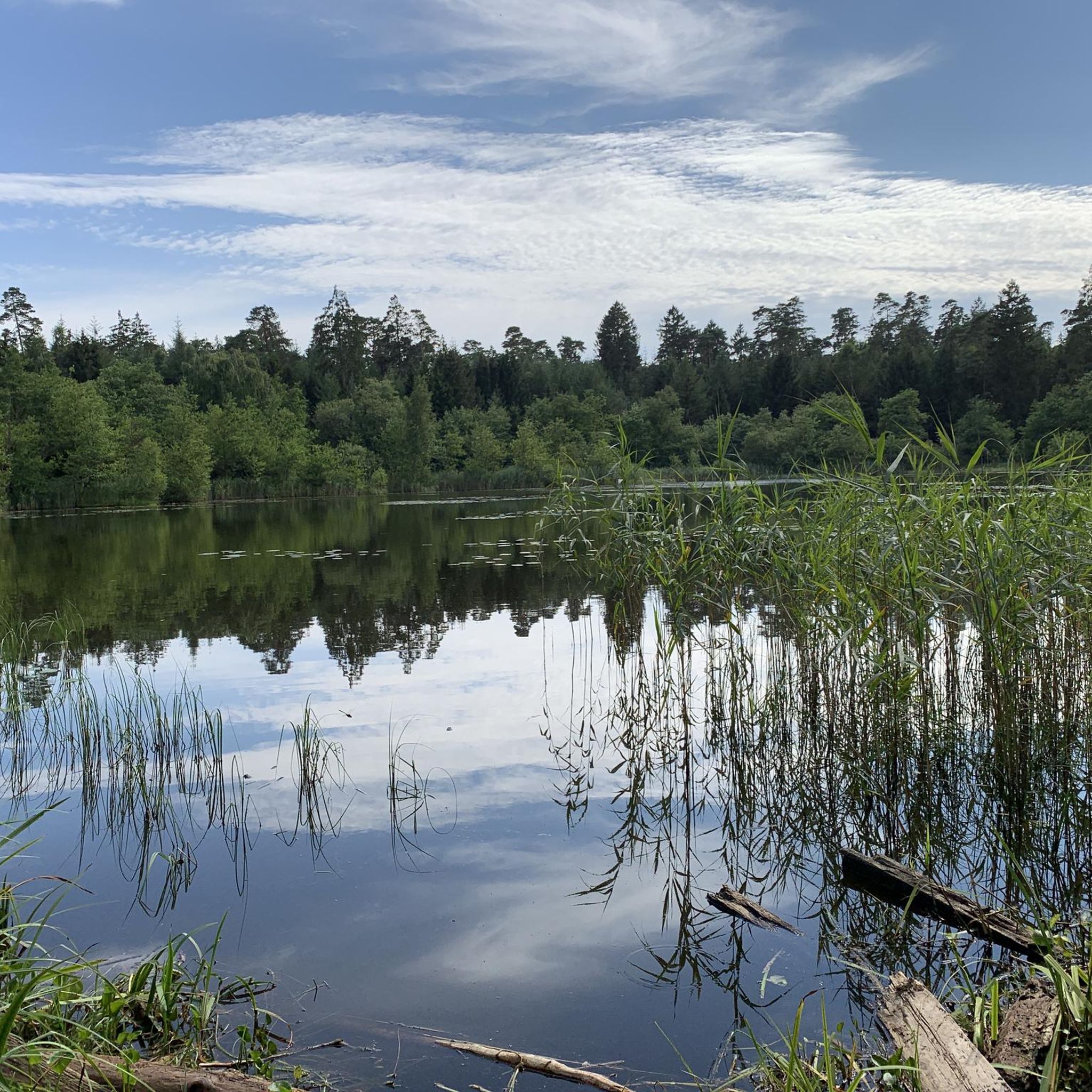

Other adventures in Segeberger Staatsforst

Tips from the Community

A beautiful, naturally preserved area.
0
0

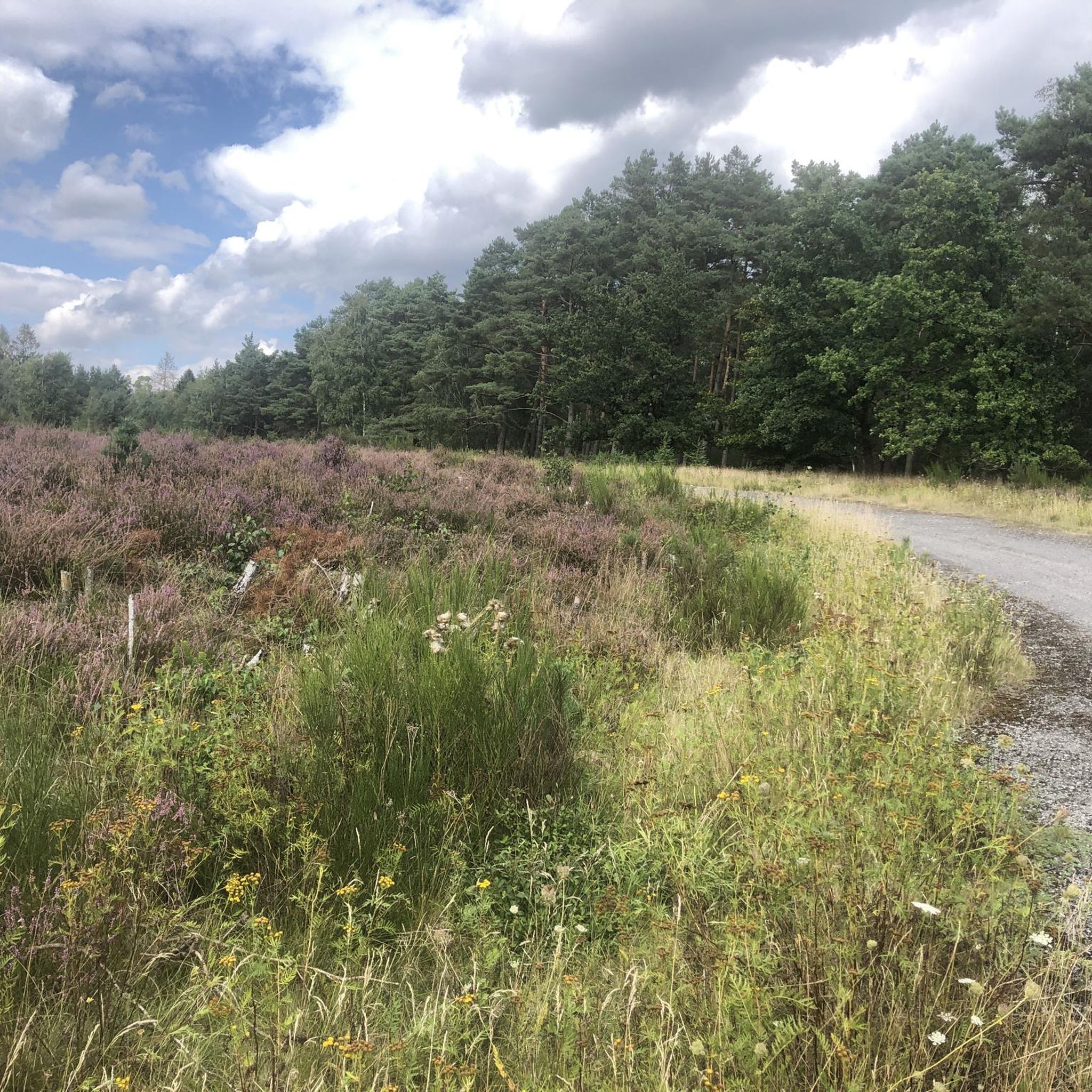
The Wittenborner Heide nature reserve remained nutrient-poor and unfertilized due to its previous use as a military training area. This resulted in a diverse landscape of heathland, moors and sparse forests that provide a habitat for many species. You can hike through a very beautiful landscape that is always worth a visit.
3
0

This fellow is lurking before the best descent in the Segeberg Forest. Watch out, the descent is tough.
0
0

Two signs in quick succession point to barrows, unfortunately there is no further information
1
0

Birch and oak are strange together
0
0

But you have to look closely to see the hills. ;)
2
0

The "Wittenborner Heide" in the district of Segeberg with 294 hectares will be protected in the future. Environment Minister Robert Habeck signed a corresponding ordinance, as the ministry announced on April 21, 2016. The area includes large parts of the former "Wittenborn" training area, including part of the bird sanctuary "Barker and Wittenborner Heide" and is therefore part of the European NATURA 2000 protected area system . As a former site training area, the new nature reserve is predominantly owned by the Federal Agency for Real Estate (BIMA) and the Nature Conservation Foundation (areas to the west of the former site training area). The eastern border forms the planned BAB 20.
6
0

The Wittenborner Heide is a 294-hectare nature reserve in the Schleswig-Holstein municipalities of Bark and Wittenborn in the Segeberg district. The nature reserve is west of Bad Segeberg in the Segeberger Heide. It includes large parts of the former Wittenborn training area and adjoining areas to the west with partly open, partly wooded dunes, dry grassland, dry heaths, transitional moors, standing water, extensively used grassland areas and partially natural deciduous forests. The heath areas are grazed twice a year with sheep for maintenance. The nature reserve is habitat u. a. smooth snake and adder, dormouse, ant lion, various types of grasshoppers, butterflies and bats. The avifauna is in the area z. B. represented by eagle owl, honey buzzard, green and black woodpecker and red-backed shrike. The area is of particular importance for the woodlark and potentially also for the nightjar, which, however, no longer occurs in the area. In the nature reserve settle u. Seven stars, shadow flowers, St. John's wort and heron's beak. In a vacant building on the site of the former location training area, a research station was set up with the "Fledermausstation Wittenborn" as a test facility for roost design for bats. The project was recognized as a UN Decade Project in May 2016. The area, which is looked after by the Federal Forest Service Trave, is also important as a local recreation area and can be experienced from numerous paths. In the south it borders on federal highway 206, to the south-east it is bounded by the route corridor of the planned federal highway 20. https://de.wikipedia.org/wiki/Wittenborner_Heide
4
3
Frequently Asked Questions
What unique natural features can I expect to see in Segeberger Staatsforst?
The Segeberger Staatsforst is home to diverse natural features. You can explore the extensive heathlands of the Wittenborn Heath Nature Reserve, discover ancient and uniquely shaped trees like the Intertwined Birch and Oak Trees, and encounter prominent natural landmarks such as The Dead Man. The forest itself is characterized by a mix of spruce, pine, larch, beech, and oak stands.
Are there historical sites among the natural monuments?
Yes, the region combines natural beauty with historical significance. You can find Bronze Age Burial Mounds within the Wittenborner Heide, which are listed historical sites dating from approximately 1800-500 BC. Another notable historical feature is the Barrow in Wittenborner Heide, also serving as an ancient grave.
What is the significance of the Wittenborner Heide Nature Reserve?
The Wittenborn Heath Nature Reserve is a significant protected area covering 294 hectares within the Segeberger Staatsforst. It is part of the European Natura 2000 protection system and includes parts of a bird sanctuary. It's known for its diverse heathland landscapes, unique flora and fauna, and the 'Wittenborn Bat Station'. There's also a tower offering wonderful views, especially during the flowering season.
Are the natural monuments suitable for families with children?
Many areas within the Segeberger Staatsforst, including some natural monuments, are family-friendly. The nearly flat forest terrain is ideal for walks with children. For example, the Wittenborn Heath Nature Reserve and the Intertwined Birch and Oak Trees are suitable for family outings. The nearby Ihlsee und Ihlwald Nature Reserve also offers opportunities for swimming and forest hikes.
What kind of wildlife can be observed in the natural monuments area?
The Segeberger Staatsforst and its natural monuments are rich in wildlife. The Wittenborn Heath Nature Reserve is part of a bird sanctuary, and the 'Wittenborn Bat Station' highlights the presence of bats. The nearby Segeberger Kalkberg is famous for its bat caves, hosting up to 30,000 bats in winter, and the NOCTALIS bat museum provides further education. The Ihlsee und Ihlwald Nature Reserve is also known for a variety of wildlife, including rare animals.
What is the terrain like for exploring the natural monuments?
The Segeberger Staatsforst generally features a nearly flat forest terrain, making it accessible for walks and various outdoor activities. While some areas might have slight inclines, the overall landscape is not overly challenging, making it suitable for a wide range of visitors. Specific highlights like The Dead Man are noted for having a 'tough descent', so it's always good to check route details for specific paths.
Are there parking facilities near the natural monuments?
Yes, good parking facilities are available in several locations around the Segeberger Staatsforst. You can find parking in places like Wahlstedt, near Forsthaus Glashütte, or in Bockhorn, providing convenient access to the forest and its natural monuments.
What is the best time of year to visit the natural monuments in Segeberger Staatsforst?
The Segeberger Staatsforst and its natural monuments can be enjoyed year-round, with each season offering a different experience. The heathlands, particularly in the Wittenborn Heath Nature Reserve, are especially beautiful during their flowering season. Summer offers pleasant conditions for hiking and swimming in nearby lakes like Ihlsee. Winter provides a tranquil atmosphere for forest walks, and the bat caves at Segeberger Kalkberg are active with hibernating bats during this time (though tours are typically in summer).
What outdoor activities can I do near these natural monuments?
The Segeberger Staatsforst offers a variety of outdoor activities. You can enjoy extensive hiking trails, with options like the 'Wittenborner Heide – Wittenborn Bat Station loop'. Cycling is also popular, with routes such as the 'Barker Heide Nature Reserve – heathland loop'. For runners, there are dedicated running trails like the 'Wittenborner Heide loop'. You can find more details on these activities and routes in the Hiking in Segeberger Staatsforst, Cycling in Segeberger Staatsforst, and Running Trails in Segeberger Staatsforst guides.
Are there specific hiking trails to explore the natural monuments?
Yes, there are numerous hiking trails that allow you to explore the natural monuments. For instance, you can hike the 'Wittenborner Heide – Wittenborn Bat Station loop' which takes you through the Wittenborn Heath Nature Reserve. The generally flat terrain of the Segeberger Staatsforst makes it ideal for walks, including practices like 'Waldbaden' (forest bathing). For more hiking options, refer to the Hiking in Segeberger Staatsforst guide.
What do visitors enjoy the most about Segeberger Staatsforst?
Visitors particularly appreciate the diverse natural landscapes, from the protected heathlands to the ancient woodlands. The tranquility of the forest, the unique shapes of ancient trees like the Intertwined Birch and Oak Trees, and the historical significance of sites like the Bronze Age Burial Mounds are frequently highlighted. The opportunity for relaxing walks and enjoying the natural beauty is a major draw.
Is the Segeberger Kalkberg considered a natural monument in the area?
While the Segeberger Kalkberg is situated in Bad Segeberg, adjacent to the Staatsforst, it is a crucial natural landmark in the broader region. This 91-meter-high gypsum mountain is famous for its extensive cave system, which serves as a winter hibernation site for up to 30,000 bats. Guided tours of the caves are available in summer, and the NOCTALIS bat museum offers further insights into these fascinating creatures.
Most popular routes in Segeberger Staatsforst
Most popular attractions in Segeberger Staatsforst

Get inspired with the komoot mobile app


Explore more
Extend your search for the best caves by checking out these guides of the top ones in Segeberger Staatsforst:
