Top 5 Natural Monuments around Nova Gorica
Best natural monuments around Nova Gorica include diverse landscapes and geological features. The region, situated at the intersection of Dinaric, sub-Mediterranean, and sub-Alpine bio-geographic zones, offers a mix of woodlands, karst formations, and river valleys. This area provides opportunities to explore natural landmarks and historical sites. The terrain ranges from riverbeds to plateaus and mountain ridges, offering varied natural attractions.
Best natural monuments around Nova Gorica
- The most popular natural monuments is Sabotin Peace Park Bunkers and Caves, a historical site that features preserved bunkers, ditches, and caverns from World War I. This site combines natural beauty with historical significance, offering views from the Dolomites to the Adriatic Sea.
- Another must-see spot is Smrečje Natural Monument, a natural monument known for its atypical cold spot where cold air masses accumulate, resulting in a valley covered with spruce. Visitors can experience significantly lower temperatures here, even in summer.
- Visitors also love Sabotino Stone Pyramids, man-made monuments erected during the 1930s. These pyramids symbolize the starting point of battalions that conquered Sabotino during the Sixth Battle of the Isonzo.
- Nova Gorica is known for its diverse natural monuments, including historical sites, caves, forests, and viewpoints. The region offers a variety of natural monuments to see and explore, from mountain ridges to unique geological formations.
- The natural monuments around Nova Gorica are appreciated by the komoot community, with more than 120 upvotes and over 60 photos shared by visitors.
Last updated: June 30, 2026
Sabotin Peace Park Bunkers and Caves
Highlight • Historical Site
More info: sabotin-parkmiru.si/?option=com_content&view=article&layout=edit&id=5
The view in front of the hut takes us from the Dolomites, Carniola and Julian Alps to Goriška Brda and the Italian plain all the way to the Adriatic Sea.
Translated by Google •
Tip by

Paradana Ice Cave
Highlight • Cave
The ice cave is accessible via a mouth hole located at around 1100 m above sea level, which is reached from the road via a walk of around 10 minutes. The cave is about 850 m deep; its length is given as 7311 m.
Ice was extracted from the cave for the city of Trieste. The ice was mined and transported in blocks of 10 to 40 kg at night to Trieste, where it was used to cool the catch on fishing ships. It is also said to have been exported to Egypt in the 19th century.
Translated by Google •
Tip by

Sign up now to discover places like this
Get recommendations on the best single tracks, peaks, & plenty of other exciting outdoor places.
Sign up for free
Sabotino Stone Pyramids
Highlight • Monument
Translated by Google •
Tip by

Smrečje Natural Monument
Highlight (Segment) • Natural Monument
Translated by Google •
Tip by
Ravnica Spring, Troughs, and Pond
Highlight • Natural Monument
The site has been recently renovated and is suitable for a restful stop thanks to the benches present.
Translated by Google •
Tip by

View of the Vipava Valley from Skozno Rock Arch
Highlight • Natural Monument
Tip by

View of the Julian Alps and Banjšice Plateau
Highlight • Viewpoint
Translated by Google •
Tip by
Start today with a free account
Your next adventure awaits.
Login or Signup
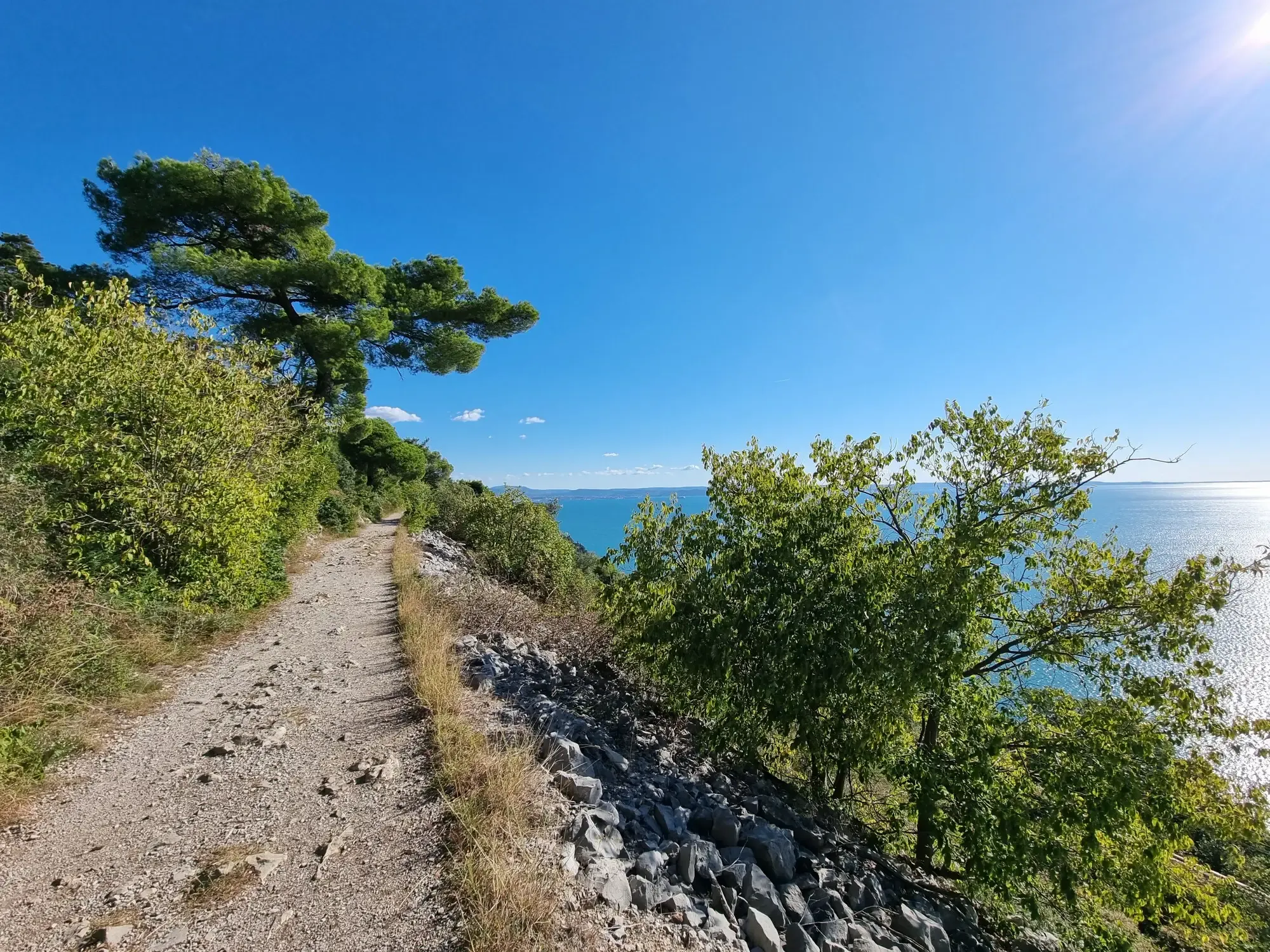
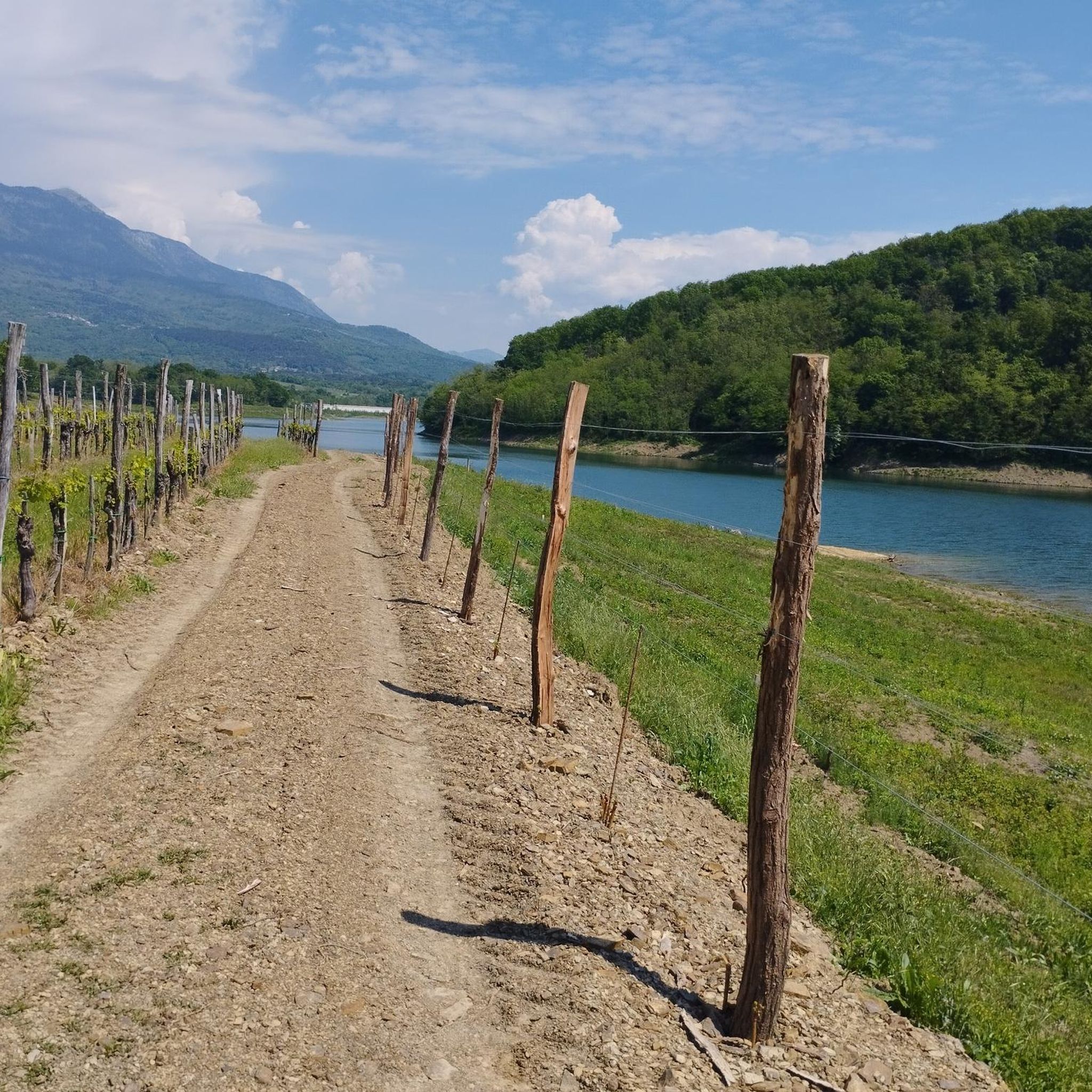
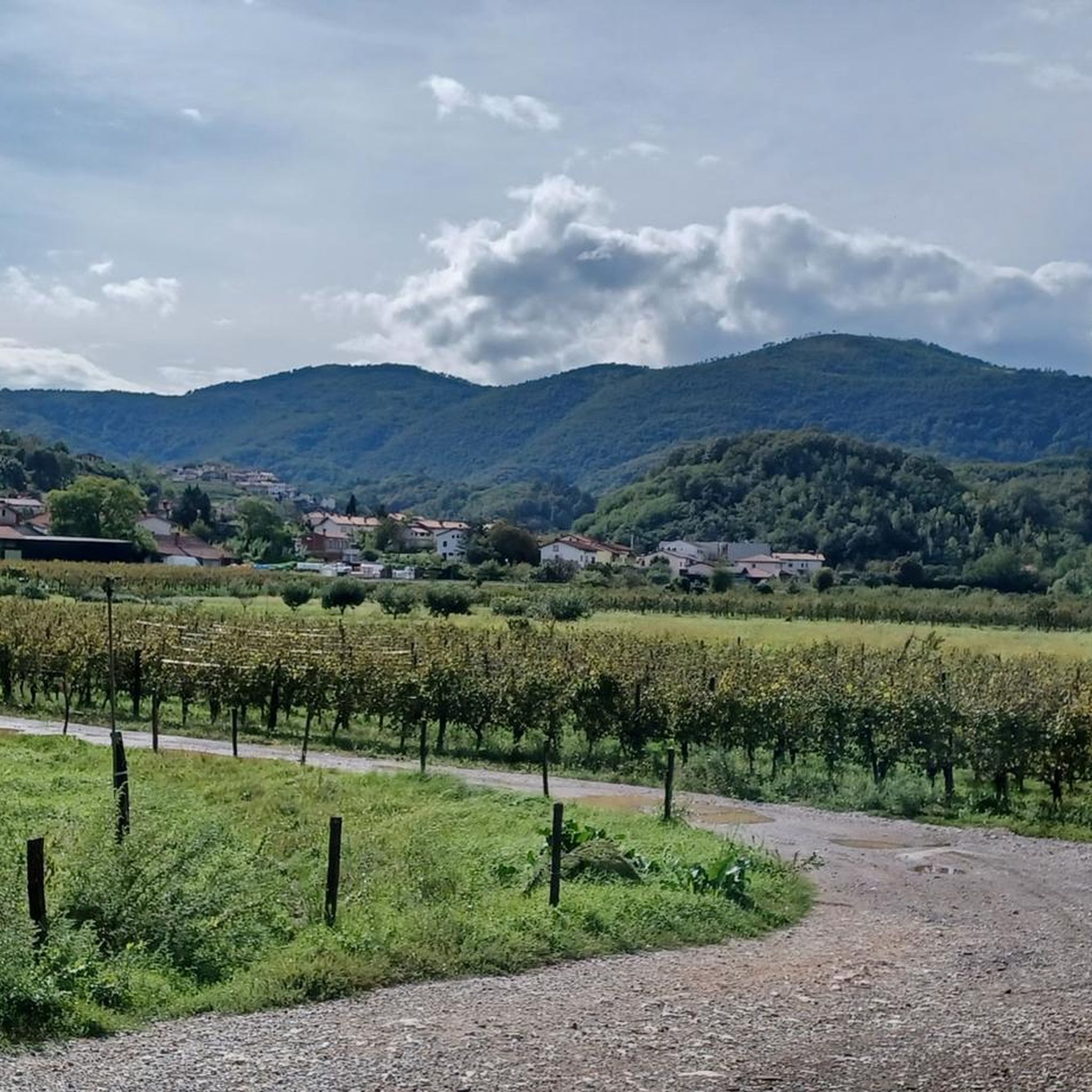
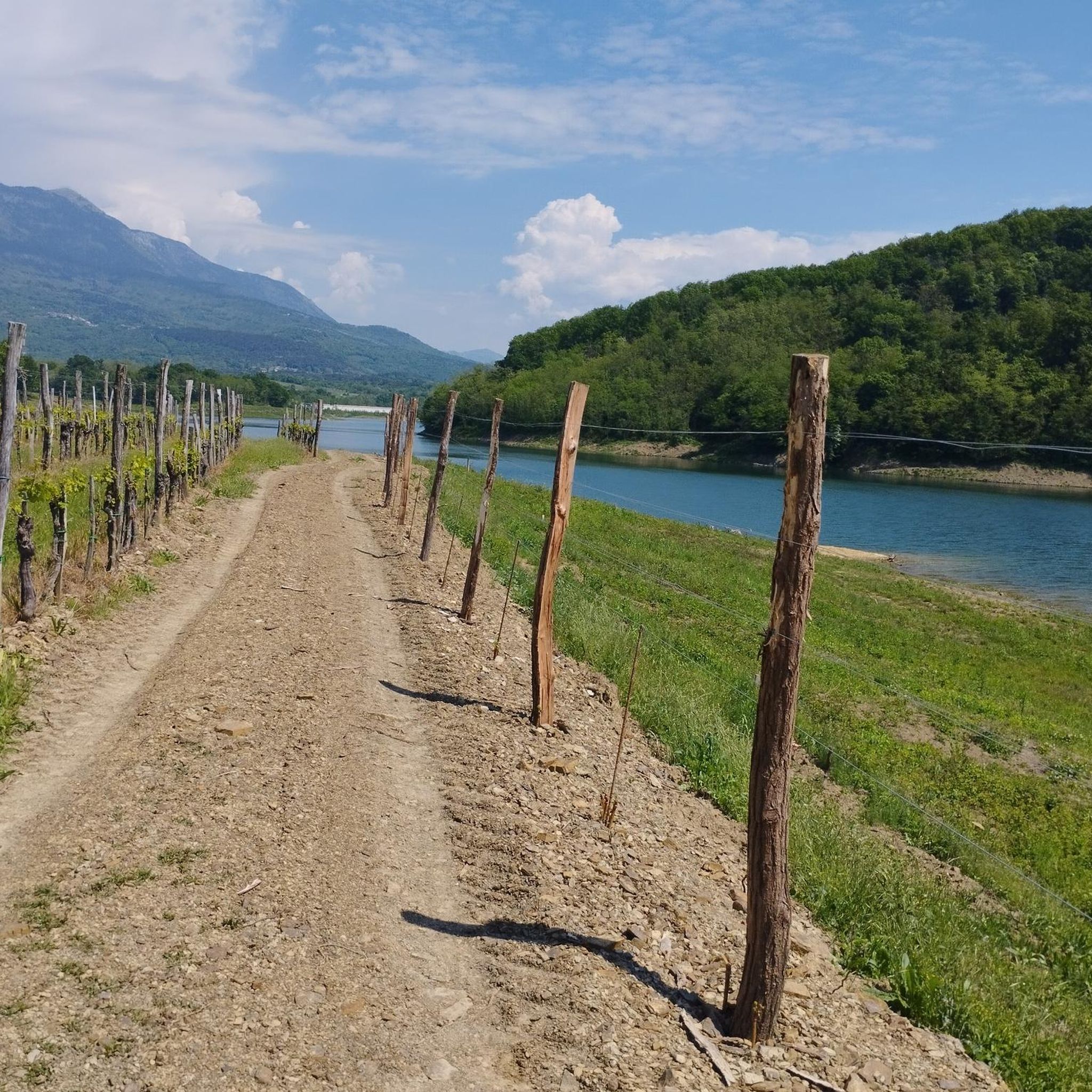

Other adventures around Nova Gorica

Tips from the Community

Large spruce forest, temperatures here are always significantly below average: I always recommend bringing an extra item of clothing, in summer but especially in winter.
0
0

A historic peak (World War I) accessible from two sides via paved and gravel roads and forest trails. Presumably a "must-see" for historians. On Monte Sabatino is a cross-border open-air museum of Italy and Slovenia. The starting point is a former barracks, which now serves as an information center and restaurant. Due to its strategic position, the mountain was one of the key battlegrounds during the Battles of the Isonzo in World War I. The museum offers a tour of the second Austro-Hungarian defensive line, which was breached by the Italian Second Army on August 6, 1916, during the Sixth Battle of the Isonzo. Visitors can also see bunkers, fortifications, trenches, a complex tunnel system, caves, and relics of wartime equipment. Source: https://www.turismofvg.it/de/grandeguerra-gorz-isontinischer-karst-und-collio/parco-della-pace-del-monte-sabotino-park-des-friedens?LangSetCMS=de
1
0
The Skozno viewpoint is easily accessible via forest roads and then a wide path, ideal for MTB. After reaching the edge, two downhill paths are available, both equipped with a handrail cord. One descends to a magnificent viewpoint and a small cave that is not passable (too narrow) and leads into a larger one. The other, also equipped, first touches a tunnel probably built during the First World War, which ends with a small window from which to observe the valley below. At the entrance there is also the classic box with the register of the local Alpine club's attendance, including stamps. Continuing, you arrive at a lower point of the Skozno arch, truly sublime, then you go back up towards the mouth of the cave overlooking the first small cave: here too the path is equipped and ropes allow you to climb the rapid steps and penetrate deep into the main cave, up to under the small window mentioned earlier. To visit this place I recommend appropriate clothing and a powerful torch for the caves, be careful in the artificial tunnel with the low ceiling.
0
0

1
0

To look out over the Vipava Valley you have to walk the last few meters but it's worth it.
0
0
Attention, there are no drinking fountains
0
0

The Sabotino pyramids are the work of the Italian Military Engineers and are located where the front line separated the Kingdom of Italy from Austria-Hungary
0
0

If you arrive by car, park on a parking before the road bridge towards Goriška Brda and climb Sabotin via southern slope to reach the ruins on the ridge. From there its about 15 - 20 minutes to reach the open air museum and refuge. Descend via northern slope to reach cycle-path Solkan - Plave, turn right and just follow the path back to Solkan.
2
0
Frequently Asked Questions
What are some of the most notable natural monuments and attractions around Nova Gorica?
The Nova Gorica area offers a diverse range of natural attractions. Highlights include the dramatic Sabotin Peace Park Bunkers and Caves, which combines natural beauty with historical significance, and the unique Smrečje Natural Monument, known for its unusually cold microclimate. Other significant sites include the mesmerizing emerald-green Soča River and its valley, the powerful Boka Waterfall, the picturesque Vipava Valley, and the vast Trnovo Forest Plateau with its karst features and the Paradana Ice Cave.
Are there any natural monuments with historical significance in the Nova Gorica region?
Yes, several natural monuments in the region are intertwined with history. Sabotin Peace Park Bunkers and Caves is a prime example, featuring preserved World War I bunkers, ditches, and caverns. The Sabotino Stone Pyramids are also man-made monuments from the 1930s, commemorating the Sixth Battle of the Isonzo. The Soča Valley itself holds significant World War I history, with trails like the Soča Trail weaving through historical areas.
What kind of outdoor activities can I do near these natural monuments?
The natural monuments around Nova Gorica are excellent for outdoor enthusiasts. The Soča Valley is renowned for hiking, cycling, kayaking, rafting, and canyoning. The Vipava Valley is ideal for hiking, cycling, paragliding, and hang-gliding. The Trnovo Forest Plateau offers numerous hiking and cycling trails. For specific routes, you can explore easy hikes, waterfall hikes, and cycling tours in the wider Nova Gorica area.
What are the unique geological features I can observe in the Nova Gorica area?
The region boasts fascinating geological features. The Soča River is famous for its emerald-green color and dramatic gorges. Boka Waterfall is Slovenia's mightiest waterfall, plunging 144 meters from a karst spring. The Vipava Valley features a unique inverted river delta and is bordered by distinct plateaus. The Trnovo Forest Plateau is characterized by extensive karst formations, including caves like the Paradana Ice Cave and unique 'mrazišča' (frost hollows). The View of the Vipava Valley from Skozno Rock Arch also showcases a striking natural rock formation.
Are there family-friendly natural monuments or activities around Nova Gorica?
Yes, there are options suitable for families. The Ravnica Spring, Troughs, and Pond is a recently renovated site with benches, perfect for a restful stop. Many of the hiking trails in the Vipava Valley and Trnovo Forest Plateau are accessible and can be enjoyed by families. The panoramic viewpoints, such as those from Sabotin Mountain or the Skozno Rock Arch, offer rewarding experiences for all ages.
What is the best time to visit the natural monuments around Nova Gorica?
The best time to visit largely depends on your preferred activities. Spring (April-May) and autumn (September-October) offer pleasant temperatures for hiking and cycling, with vibrant colors. Spring also brings the most powerful flow to Boka Waterfall due to snowmelt. Summer (June-August) is ideal for water activities in the Soča River and for exploring the cooler Trnovo Forest Plateau. Even winter can be appealing for hiking on Sabotin Mountain, which offers clear panoramic views.
What kind of terrain can I expect on hiking trails near Nova Gorica's natural monuments?
The terrain varies significantly across the region. You can find everything from gentle riverbed paths along the Soča, to rolling hills and vineyards in the Vipava Valley. The Trnovo Forest Plateau features woodlands and diverse karst landscapes with hills, vales, and caves. Sabotin Mountain offers well-maintained trails on a mountain ridge. Trails can range from easy, like some sections of the Soča Trail, to more demanding routes with elevation changes, especially when exploring plateaus or mountain peaks.
Are dogs allowed on trails around Nova Gorica's natural monuments?
Generally, dogs are welcome on many outdoor trails in the Nova Gorica region, including those around natural monuments. However, it's always recommended to keep them on a leash, especially in protected areas, near wildlife, or when encountering other visitors. Specific rules may apply to certain nature reserves or historical sites, so it's advisable to check local signage.
Where can I find panoramic viewpoints of the region's natural beauty?
The Nova Gorica area is rich in stunning viewpoints. Sabotin Mountain offers spectacular panoramic views stretching from the Julian Alps to the Vipava Valley, the Karst, and even the Adriatic Sea. The Skozno Rock Arch provides breathtaking vistas across the Vipava Valley. Additionally, the View of the Julian Alps and Banjšice Plateau offers another impressive perspective of the surrounding landscape.
What do visitors particularly enjoy about the natural monuments in Nova Gorica?
Visitors frequently praise the diverse landscapes and the blend of natural beauty with historical significance. The stunning views from places like Sabotin and the Skozno Rock Arch are highly appreciated. The unique microclimate of Smrečje Natural Monument and the historical context of Sabotin Peace Park also leave a lasting impression. The opportunity for various outdoor activities, from easy walks to more challenging adventures, is a major draw.
Is public transport available to reach natural monuments near Nova Gorica?
While some natural monuments might be accessible via local bus routes, many of the more remote or expansive natural areas, such as parts of the Trnovo Forest Plateau or specific trailheads, are best reached by car. Public transport options are more limited for direct access to all natural monuments, so planning your journey in advance is recommended.
Are there any permits required for hiking in Nova Gorica's natural areas?
Generally, no specific permits are required for hiking on established trails in the natural monuments around Nova Gorica. However, if you plan to visit specific caves, such as the Paradana Ice Cave, or participate in guided tours, there might be entry fees or specific arrangements needed. Always respect local regulations and signage, especially in protected nature reserves.
Most popular routes around Nova Gorica
Most popular attractions around Nova Gorica

Get inspired with the komoot mobile app


Explore more
Extend your search for the best caves by checking out these guides of the top ones around Nova Gorica:
