Top 9 Natural Monuments around São Martinho das Moitas e Covas do Rio
Best natural monuments around São Martinho das Moitas e Covas do Rio are found within a region characterized by mountainous terrain, rivers, and valleys. This area, part of the wider Viseu Dão-Lafões region, offers significant natural beauty and opportunities for outdoor activities. The landscape includes prominent mountain ranges such as Serra de São Macário, Serra da Gralheira, and Serra da Arada, which are part of the "Montanhas Mágicas." These features provide a rich environment for exploring geological sites and diverse…
Last updated: June 30, 2026
Paiva Walkways and 516 Arouca Suspension Bridge
Highlight • Bridge
Translated by Google •
Tip by

Paiva Walkways
Highlight • Trail
Translated by Google •
Tip by

Sign up now to discover places like this
Get recommendations on the best single tracks, peaks, & plenty of other exciting outdoor places.
Sign up for free
Paiva Walkways
Highlight • Trail
Translated by Google •
Tip by
Translated by Google •
Tip by

Gola do Salto (Rio Paiva)
Highlight • River
Translated by Google •
Tip by
Sign up for free to discover even more natural monuments around São Martinho das Moitas e Covas do Rio.
Sign up for free
Already have an account?
Start today with a free account
Your next adventure awaits.
Login or Signup
Popular around São Martinho das Moitas e Covas do Rio
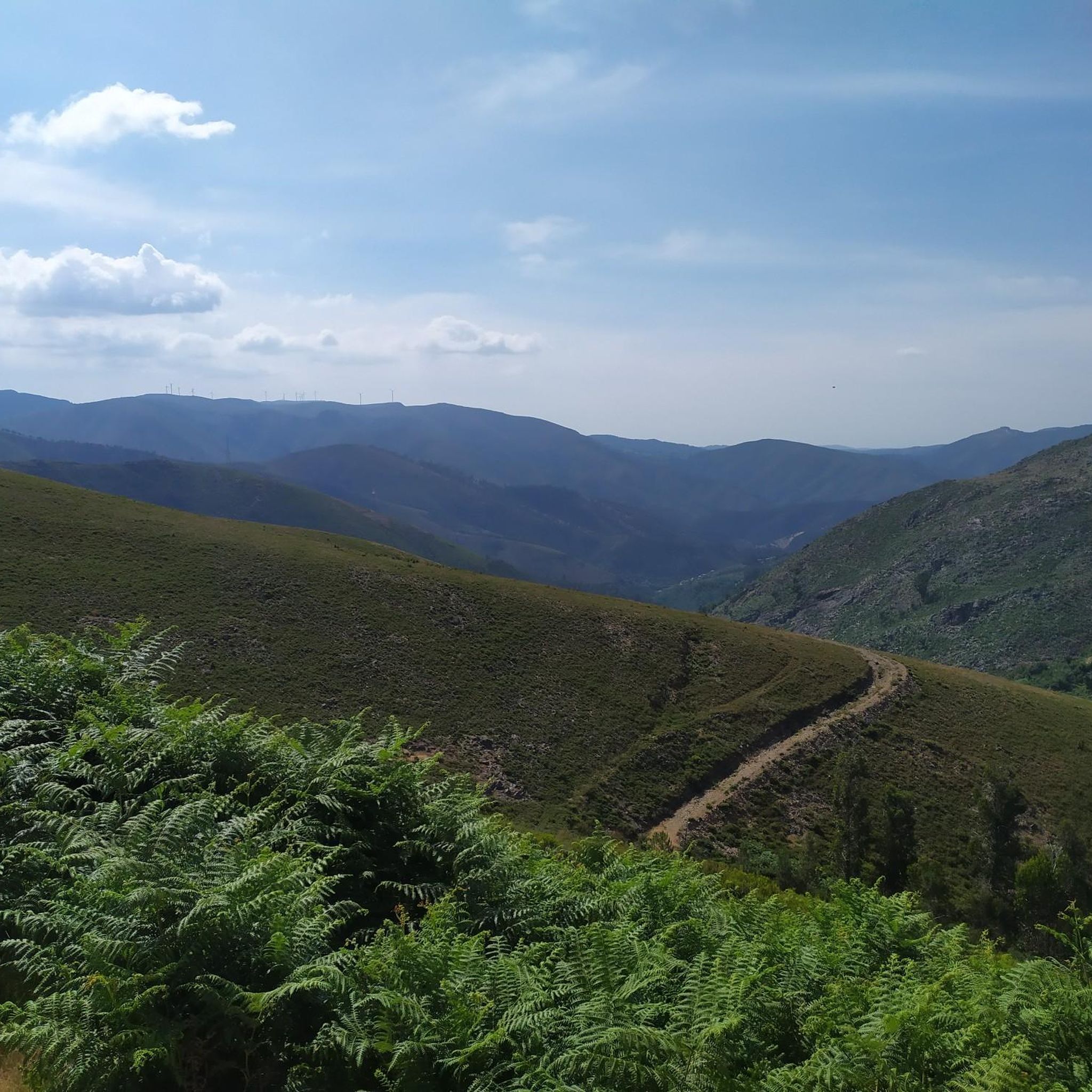

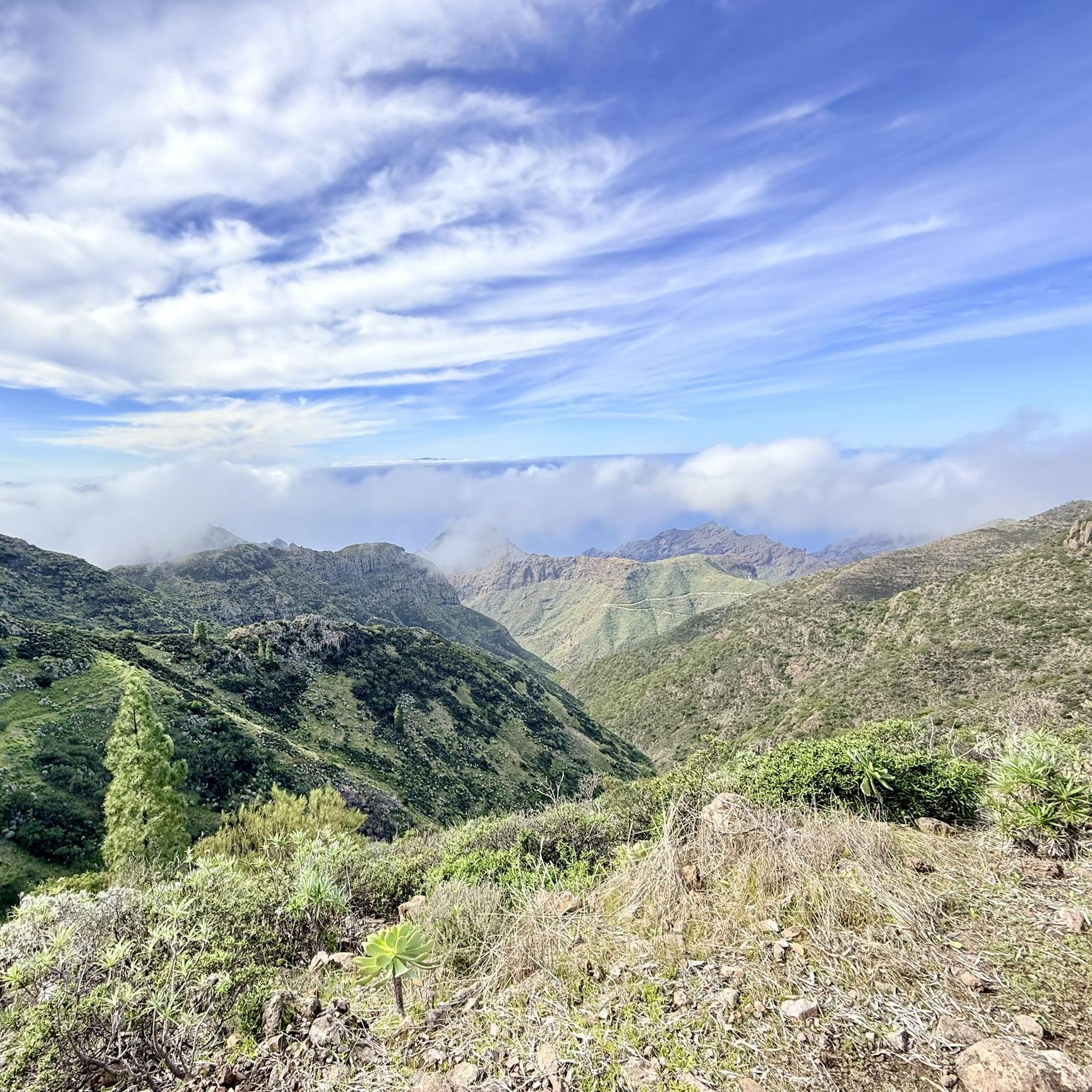
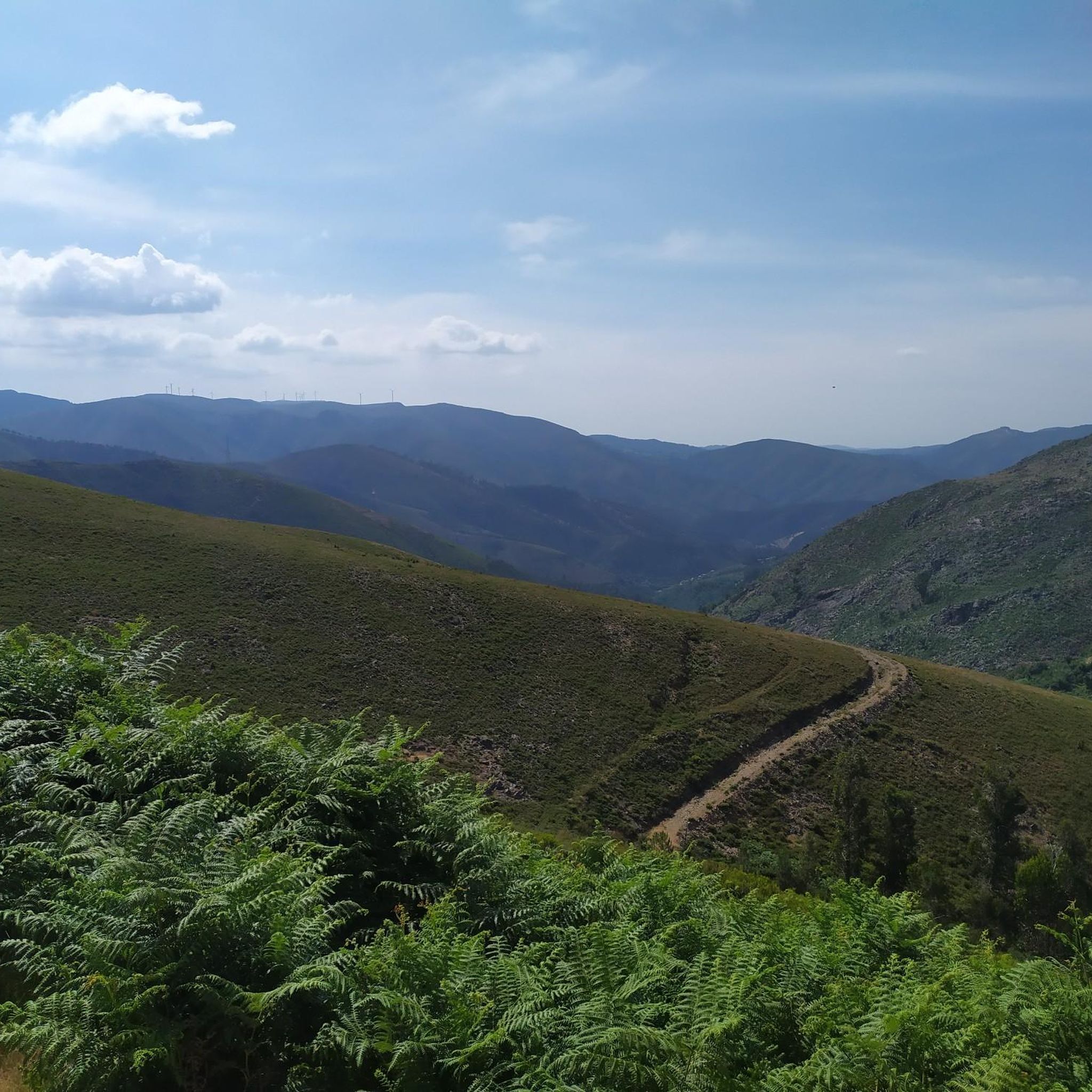
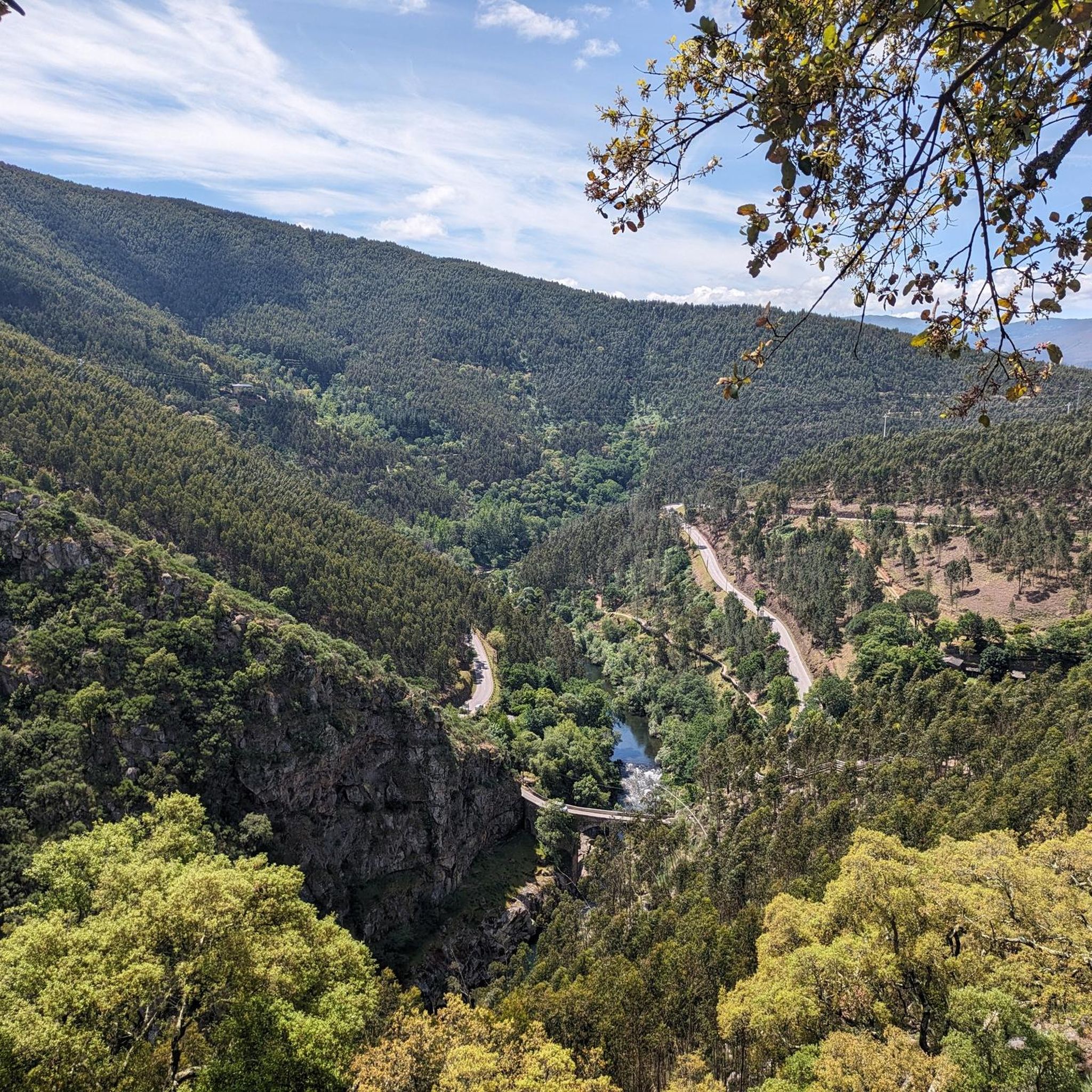
Tips from the Community

Starting point A is not safely located. It leads through impassable terrain or over non-existent paths. We aborted our descent from the bridge (Highlight 1) to starting point A and, thanks to the friendly guides at the bridge, were able to use it for the safe return to our car. Anyone who wants to do the whole loop should book a ticket for crossing the bridge in advance. Attention: limited ticket contingent per day.
0
0

This small suspended walkway appears discreetly along the wooden path that leads to the imposing 516 Arouca bridge. Here, you cross the Paiva River in a more intimate and serene way, feeling the water flowing below while the sounds of nature surround you. A kind of charming appetizer before the great spectacle of the main crossing.
1
0
Gola do Salto is one of the most impressive waterfalls on the Paiva River — a narrow gorge where the river roars with force. It is located next to the Espiunca bridge, where a suspended viewpoint offers you a privileged view and a natural concert with the sound of the waters echoing beneath your feet. The walkway that follows this landscape makes the route comfortable and accessible, even on naturally rocky and uneven terrain.
1
0


Balcony over the river where kayak tours are also organized.
3
0

If you cross the bridge at Alvarenga and then take the wooden walkway along the Rio Paiva to Espiunca, you should remember that you will need a taxi from there back to the starting point. A later return via the Arouca bridge is not possible. However, if you just want to walk across the bridge and back, this is no problem with your ticket booking (online). The Alvarenga side is recommended for people who want to avoid the many wooden steps and just want the pure bridge experience.
9
3

After the forest fires on September 24, only the bridge is still open. Hopefully the repairs will go quickly.
5
0

Beautiful "wooden path" with impressive views. There are lots of stairs to climb up and down, especially the way back has to be taken into account, or halfway there at 2.5km (from the entrance) you can order a taxi from the nice guy. The suspension bridge is impressive... all in all a great experience with swimming opportunities to cool off... we were there at 39*. Part of the path is shaded.
4
0
Frequently Asked Questions
What are the main natural features to explore around São Martinho das Moitas e Covas do Rio?
The region is characterized by its mountainous terrain, rivers, and valleys. Notable natural features include the Serra de São Macário, known for panoramic views and the 'Portal do Inferno,' the Serra da Gralheira with its traditional mountain villages and rich biodiversity, and the rugged landscapes of the Serra da Arada. The area also features impressive river landscapes, such as the Paiva River gorge.
What kind of outdoor activities can I do near the natural monuments in this region?
The mountainous areas provide a rich environment for ecotourism. You can find numerous hiking and cycling trails. For example, there are several easy hikes, running trails, and MTB trails that allow you to immerse yourself in nature.
Is the 516 Arouca Suspension Bridge considered a natural monument, and what should I know about visiting it?
The Paiva Walkways and 516 Arouca Suspension Bridge is a significant pedestrian bridge crossing the Paiva River gorge at 175 meters high. While man-made, its integration with the natural landscape makes it a key attraction. It's advisable to book your time slot online in advance for admission. Access from the Alvarenga Entrance is often less crowded.
What is the Paiva Walkways experience like, and how long does it take?
The Paiva Walkways offer an 8 km route along a large boardwalk with scenic views. Depending on your condition, it can take up to 2.5 hours to complete. The path includes many stairs, especially on the return journey. Taxis are often available at the end of the valley to take you back to the starting point if you prefer not to walk back.
Are there family-friendly options for visiting natural monuments in the area?
While specific 'family-friendly' categories aren't listed for all natural monuments, the Paiva Walkways offer an accessible boardwalk experience, though it does involve stairs. Many of the easy hiking trails in the region, such as those listed in the Easy Hikes guide, could be suitable for families depending on the children's age and fitness levels.
Can I bring my dog on trails near these natural monuments?
The guide data does not explicitly state the pet policy for all natural monuments or trails. It's best to check local regulations or specific trail information before bringing your dog, especially in protected areas like those within the Natura 2000 network (Serras da Freita e Arada).
What is the best time of year to visit the natural monuments around São Martinho das Moitas e Covas do Rio?
The region's mountainous terrain and outdoor activities suggest that spring and autumn would be ideal for visiting, offering milder temperatures for hiking and exploring. Summer can be hot, as indicated by tips mentioning 39°C temperatures at the Paiva Walkways, though swimming opportunities are available to cool off.
What unique geological features can be found in the Serra de São Macário?
The Serra de São Macário is a geological site of interest, part of the 'Montanhas Mágicas.' It offers breathtaking panoramic views of surrounding mountain ranges like Serra do Montemuro, Serra da Estrela, and Caramulo. A notable feature is the picturesque scenery known as 'Portal do Inferno' (Gate of Hell), adding to its dramatic landscape.
Where can I find traditional mountain architecture and rich biodiversity in the region?
The Serra da Gralheira is home to the village of Gralheira, one of Portugal's highest villages. It's known for its traditional mountain architecture, predominantly built with granite, including some houses with thatched roofs. The area also boasts rich biodiversity, including marshes, oak trees, and various fauna like the meadow squill and fire salamander.
What do visitors particularly enjoy about the natural monuments in this area?
Visitors appreciate the impressive views and the unique experience of walking along the Paiva Walkways. The suspension bridge is often highlighted as an impressive feat of engineering within a stunning natural setting. The opportunity for swimming in the river to cool off is also a popular tip, especially during warmer months.
Are there any river-related natural monuments or viewpoints to explore?
Yes, the region is rich in river landscapes. Besides the Paiva Walkways and the 516 Arouca Suspension Bridge over the Paiva River, you can visit Gola do Salto (Rio Paiva), which features slightly larger rapids and a balcony viewpoint. The Stone Bridge over the Paiva River also offers beautiful scenery.
What are the parking options for visiting the natural monuments?
For popular sites like the Paiva Walkways and 516 Arouca Suspension Bridge, parking is available at the entrances (e.g., Alvarenga or Espiunca). Some visitors opt to park at one end and take a taxi back after completing the walk. For other trails and natural areas, parking availability may vary, often found near trailheads or villages.
Most popular routes around São Martinho das Moitas e Covas do Rio
Most popular attractions around São Martinho das Moitas e Covas do Rio

Get inspired with the komoot mobile app


Explore more
Extend your search for the best caves by checking out these guides of the top ones around São Martinho das Moitas e Covas do Rio:
