Top 7 Natural Monuments around Barbeita
Natural monuments around Barbeita are characterized by a picturesque natural setting, primarily defined by the Mouro River. This area, nestled within Monção, offers a serene and verdant landscape. Its proximity to the Peneda-Gerês National Park provides access to Portugal's only national park and a UNESCO Biosphere Reserve. The region presents a blend of natural features and historical sites for exploration.
Best natural monuments around Barbeita
- The most popular natural monuments is Terraced Fields of the Vez Valley, a cultural…
Last updated: May 18, 2026
Terraced Fields of the Vez Valley
Highlight (Segment) • Structure
Translated by Google •
Tip by

Alto San Nomedio Summit and Hermitage
Highlight • Summit
Translated by Google •
Tip by

Sign up now to discover places like this
Get recommendations on the best single tracks, peaks, & plenty of other exciting outdoor places.
Sign up for free
A Coutada Petroglyphs
Highlight • Historical Site
Translated by Google •
Tip by

Castro de Lira and Chapel of San Amaro
Highlight • Historical Site
Tip by

Altamira Hillforts
Highlight • Historical Site
Translated by Google •
Tip by
Sign up for free to discover even more natural monuments around Barbeita.
Sign up for free
Already have an account?
Start today with a free account
Your next adventure awaits.
Login or Signup
Tips from the Community

The terraces of the Vez Valley, between Padrão and Porta Cova, are a masterpiece of the relationship between man and nature. Created by our ancestors to cultivate the land and ensure their livelihood, they change with each season, painting the landscape with ever-new colors. It is no wonder that this unique landscape was elected one of the “7 Wonders of Portugal” in the Rural Village category.
1
0

high with views and climb to pre iosa, stellar observatory and chapel
0
0

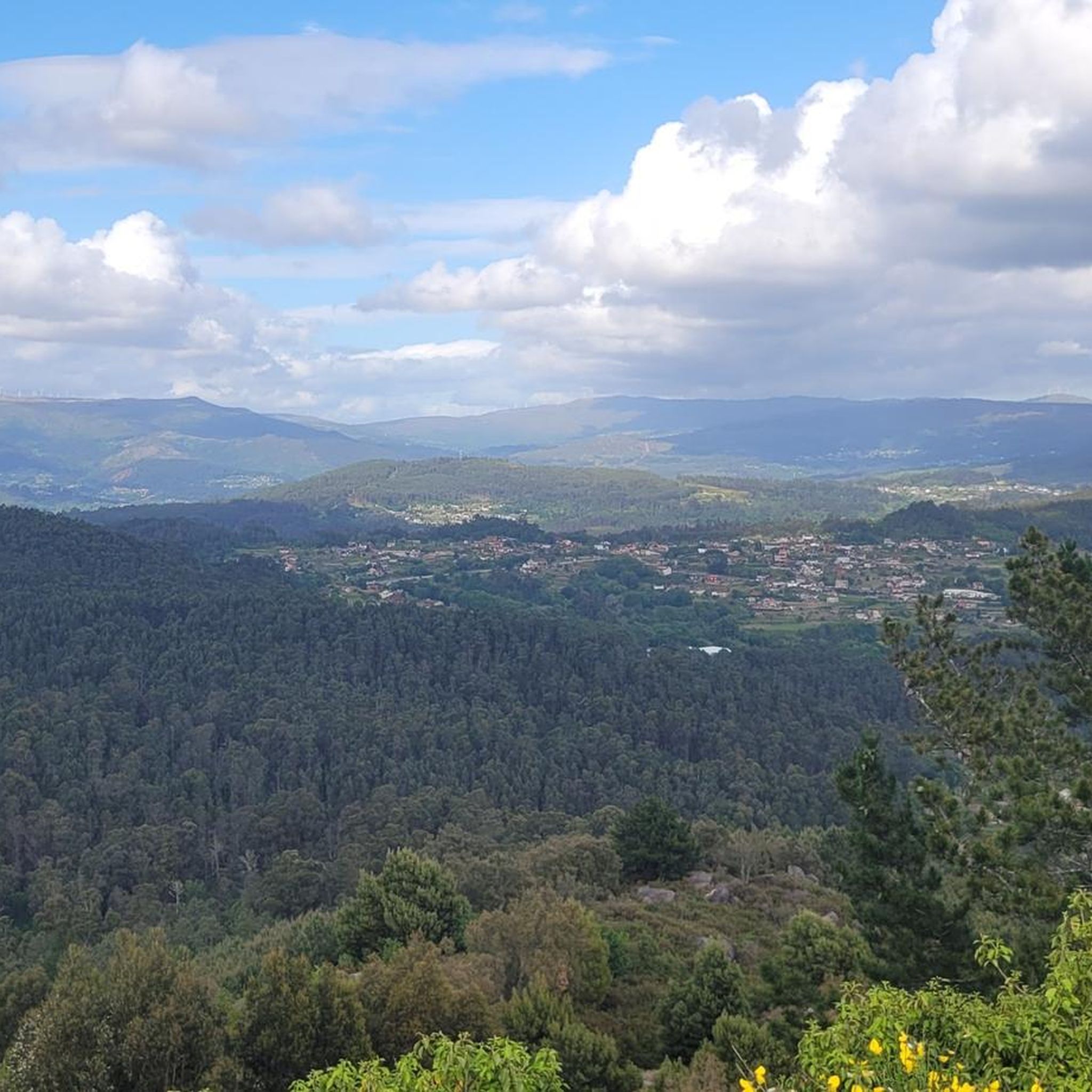
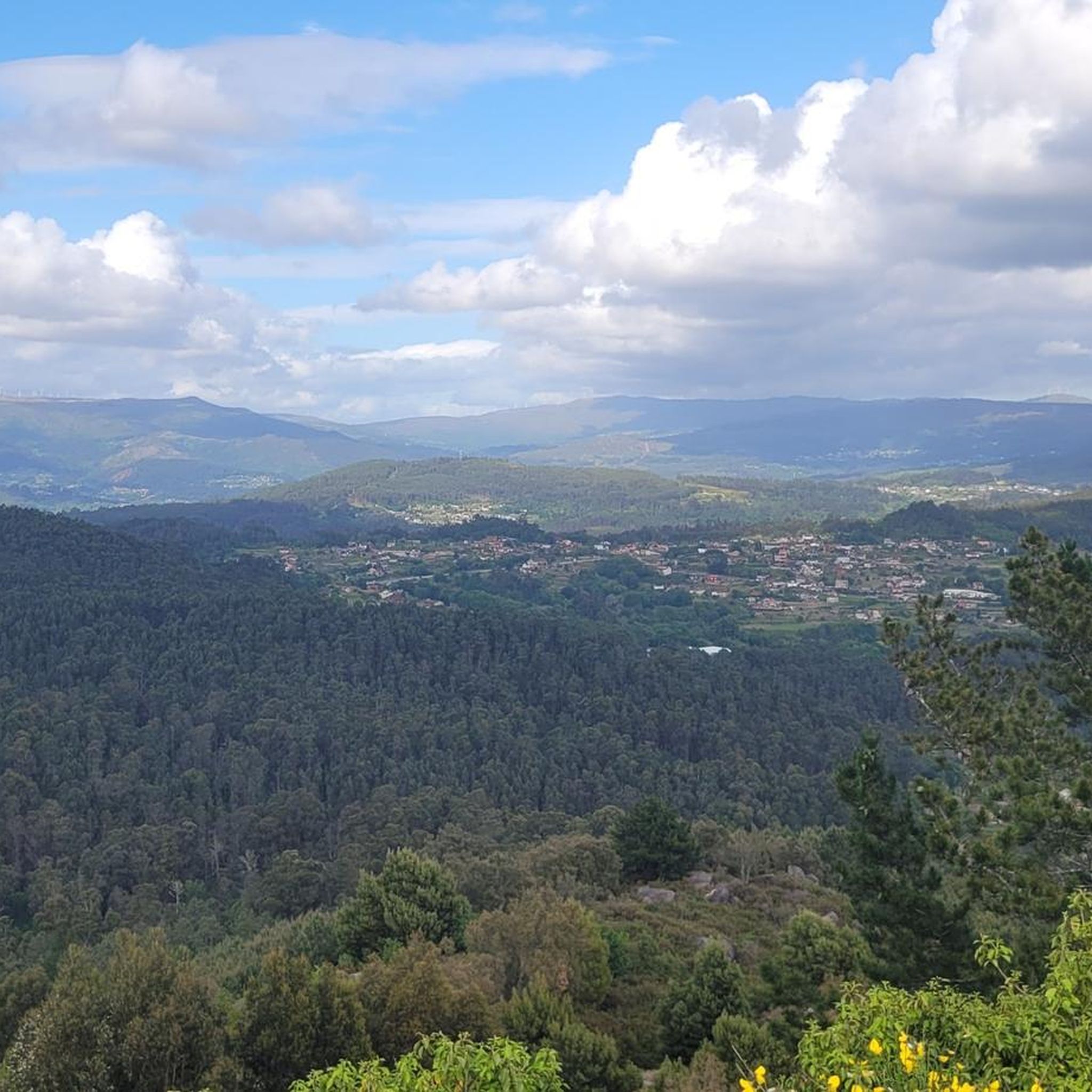
The top of Alto San Nomedio (Coto Grande) at 690m altitude. At the same top we will find the hermitage of San Nomedio and spectacular views
1
0

The Concello de As Neves has a rich natural and cultural heritage. Among its main archaeological resources is one of the main petroglyph stations in Galicia.
9
0
In the parish of Taboexa, in As Neves, there is a 328 meter mound whose pyramidal silhouette rises behind the parish church. This small curuto is part of the history of the parish since a castrexo settlement settled there more than two thousand years ago and survived for a while after the Roman conquest. This is the Altamira castro, a site that contains numerous mysteries that have caused the appearance of numerous legends around it.
9
0

The Concello of As Neves suffered devastating fires in October 2017. The fires destroyed 90% of the forest, all of San Domenio as well as the neighboring mountains were completely burned. However, after this ecological disaster, one of the most important archaeological discoveries of the last twenty years came to light, known as the petroglyphs of A Coutada , in Taboexa. Located in the parish of Taboexa, whose past is full of archaeological finds. Its petroglyphs, its mythical and legendary Castro Altamira, and its Roman presence (Note: bronze figure of the god Mercury found at the Capela San Bartolome) and many other discoveries make this parish a place without equal. Reference: Galicia Máxica https://www.galiciamaxica.eu/galicia/petroglifos-as-coutadas-taboexa/
2
0
Castro de Lira is located on one of the peaks that form the Monte da Costa and is the highest of an iron age fort (castro). There isn’t much left to see but the vistas are quite nice. Cut into the rock there is an altar and close by several deep bowls cut into the rock. The early inhabitants the “os mouros”, held rituals here and like most other pagan places of worship it was in the 18th century Christianized with a chapel. On January 15, during the celebration of San Amaro, a priest fills the historic basins with water to bless the surrounding farmlands, surely a similar tradition inherited from centuries ago. It is said that there were passageways at the top of San Amaro but the neighbors decided to plug them to prevent the cattle from falling into them. The baroque chapel is very simple. It has a quadrangular plan, a gabled roof and a facade formed by a lintel door and two windows on both sides. Two pinnacles on the sides and a simple belfry adorned with a Latin cross on top.
2
0
Castro de Lira is located on one of the peaks that form the Monte da Costa and is the highest of an iron age fort (castro). There isn’t much left to see but the vistas are quite nice. Cut into the rock there is an altar and close by several deep bowls cut into the rock. The early inhabitants the “os mouros”, held rituals here and like most other pagan places of worship it was in the 18th century Christianized with a chapel. On January 15, during the celebration of San Amaro, a priest fills the historic basins with water to bless the surrounding farmlands, surely a similar tradition inherited from centuries ago. It is said that there were passageways at the top of San Amaro but the locals pluged them to prevent livestock from falling in. The baroque chapel is very simple. It has a quadrangular plan, a gabled roof and a facade formed by a lintel door and two windows on both sides. Two pinnacles on the sides and a simple belfry adorned with a Latin cross on top.
0
0
Frequently Asked Questions
What unique natural features can I explore around Barbeita?
Beyond the picturesque Terraced Fields of the Vez Valley, Barbeita is defined by the serene Mouro River, which forms a natural border and offers a verdant landscape. The region also provides access to the stunning Peneda-Gerês National Park, known for its diverse ecosystems, mountain ranges, and numerous waterfalls and lagoons.
Are there any historical natural monuments to visit near Barbeita?
Yes, you can explore significant historical sites that blend with the natural landscape. The A Coutada Petroglyphs in Taboexa represent one of Galicia's main archaeological stations. Additionally, the Castro de Lira and Chapel of San Amaro offers insights into Iron Age settlements and ancient rituals, with impressive vistas from its peak.
What kind of views can I expect from natural monuments in the area?
For expansive vistas, visit the Alto San Nomedio Summit and Hermitage, which stands at 690m altitude and provides spectacular panoramic views. The ancient Altamira Hillforts also offer a viewpoint from its 328-meter mound, overlooking the parish of Taboexa.
What outdoor activities are available near the natural monuments around Barbeita?
The region offers a variety of outdoor activities. For hiking, you can find trails like the 'Parque da Canuda Playground – Lovers' Viewpoint loop from Monção' or 'Hiking loop from Sistelo'. Mountain biking enthusiasts can tackle routes such as 'As Neves - return via San Fins Viewpoint'. Road cycling options include 'O Porriño Town Center – Ponte da Veiga loop from As Neves'. You can find more details on these and other routes in the Hiking around Barbeita, MTB Trails around Barbeita, and Road Cycling Routes around Barbeita guides.
Is Peneda-Gerês National Park easily accessible from Barbeita, and what does it offer?
Peneda-Gerês National Park, Portugal's only national park and a UNESCO Biosphere Reserve, is accessible from Barbeita. It offers stunning mountain trails, pristine river beaches, and numerous waterfalls and lagoons. Visitors can enjoy hiking through ancient forests, swimming in crystal-clear lagoons, and discovering breathtaking waterfalls. The park is also home to unique flora and fauna, including wild garrano horses.
Are there family-friendly natural attractions or trails near Barbeita?
While specific family-friendly natural monuments are not highlighted, the Peneda-Gerês National Park, accessible from Barbeita, offers various trails suitable for different levels, including easier walks that families can enjoy. The serene banks of the Mouro River also provide a peaceful environment for walks with children.
What is the significance of the Mouro River in Barbeita?
The Mouro River is a central natural element of Barbeita, forming a natural border between Portugal and Galicia. Its banks are characterized by exuberant vegetation, creating a serene and verdant landscape. It's an ideal spot for tranquil walks and appreciating the natural beauty of the area. The historic Ponte da Barbeita, a Gothic bridge, also spans this river, blending heritage with nature.
What do visitors appreciate most about the natural monuments around Barbeita?
Visitors particularly appreciate the blend of natural beauty and historical significance. The Terraced Fields of the Vez Valley are admired as a masterpiece of human-nature interaction, changing colors with the seasons. The expansive views from summits like Alto San Nomedio Summit and Hermitage and the archaeological discoveries at sites like A Coutada Petroglyphs are also highly valued.
Can I find easy hiking trails near Barbeita's natural monuments?
Yes, there are easy hiking options available. For instance, the 'Parque da Canuda Playground – Lovers' Viewpoint loop from Monção' is an easy-grade route. These trails allow you to experience the natural beauty of the region without strenuous effort. More details can be found in the Hiking around Barbeita guide.
Are there any protected natural areas near Barbeita besides Peneda-Gerês National Park?
While Peneda-Gerês National Park is the most prominent, the region's natural beauty extends to other protected landscapes. The Mouro River itself, with its lush banks, contributes to a protected natural environment. For broader context on Portugal's protected areas, you can refer to information on Natural Parks and Reserves in Portugal.
What kind of terrain can I expect on trails around Barbeita and in Peneda-Gerês National Park?
The terrain around Barbeita, particularly along the Mouro River, is generally verdant and serene. In contrast, Peneda-Gerês National Park features diverse and often challenging mountain terrain, encompassing four main mountain ranges (Peneda, Gerês, Amarela, and Soajo). You'll find everything from ancient forests and valleys to rocky paths and trails leading to waterfalls and lagoons, catering to various difficulty levels.
Most popular routes around Barbeita
Most popular attractions around Barbeita

Get inspired with the komoot mobile app


Explore more
Extend your search for the best caves by checking out these guides of the top ones around Barbeita:
