Top 8 Natural Monuments around Eiras
Best natural monuments around Eiras offer diverse natural attractions for exploration. Eiras, a former civil parish in the municipality of Coimbra, Portugal, serves as a starting point for discovering the natural features of the wider region. The landscape includes significant river valleys and mountainous areas, providing varied outdoor experiences. These natural sites highlight the geological and ecological diversity of the area.
Best natural monuments around Eiras
- The most popular natural monuments is Terraced Fields of the Vez Valley, a…
Last updated: June 30, 2026
Terraced Fields of the Vez Valley
Highlight (Segment) • Structure
Translated by Google •
Tip by

Vez River
Highlight • River
Translated by Google •
Tip by

Sign up now to discover places like this
Get recommendations on the best single tracks, peaks, & plenty of other exciting outdoor places.
Sign up for free
Castelo das Furnas
Highlight • Natural Monument
Translated by Google •
Tip by

On the terraces of the Vez Valley
Highlight (Segment) • Structure
Translated by Google •
Tip by

Corno de Bico Summit (883 m)
Highlight • Summit
Translated by Google •
Tip by
Sign up for free to discover even more natural monuments around Eiras.
Sign up for free
Already have an account?
Start today with a free account
Your next adventure awaits.
Login or Signup



Tips from the Community

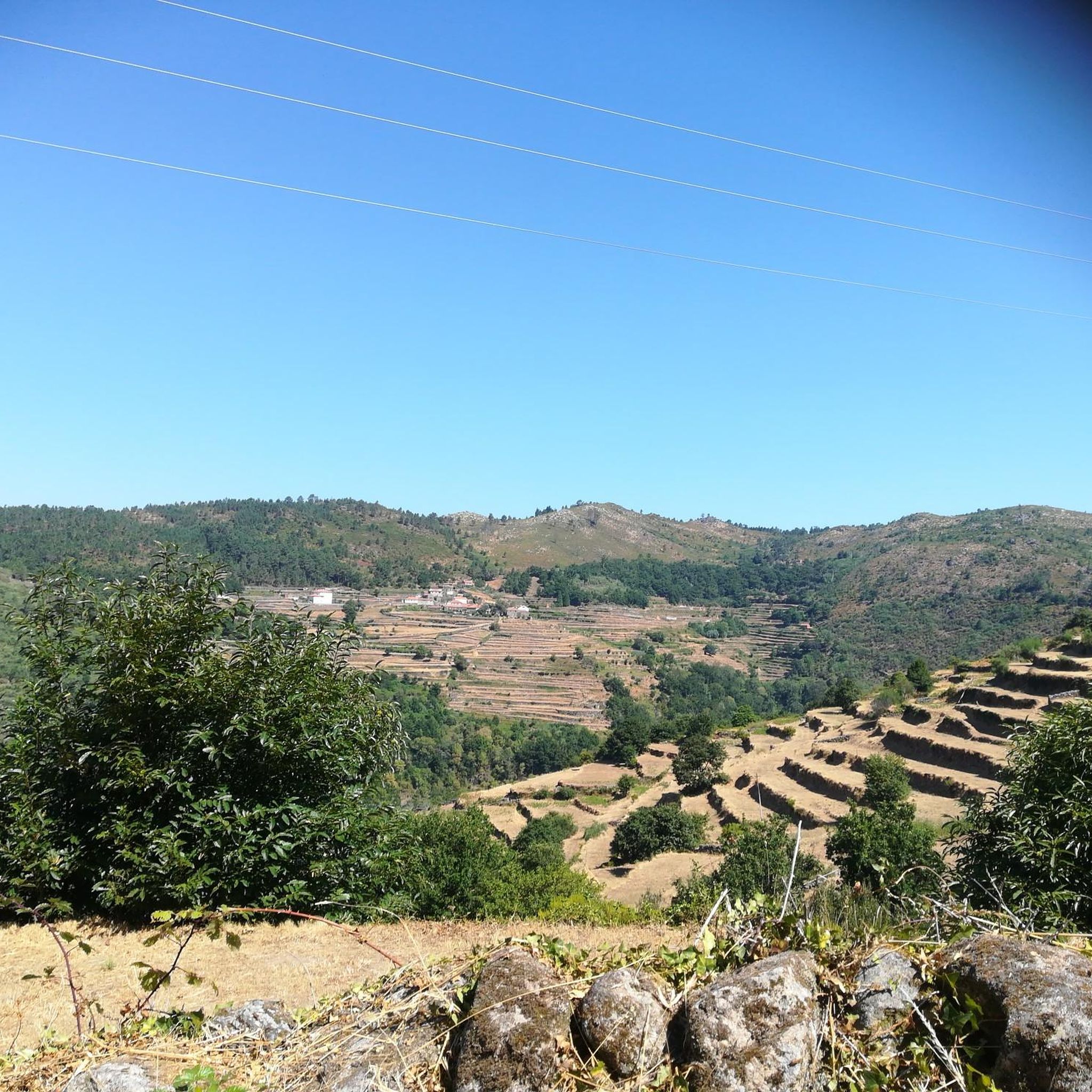
Locally known as socalcos, these are platforms built on granite walls to utilize steep slopes and transform them into farmland. This ancient method allowed for the production of grain and pasture in an extremely mountainous environment. The Sistelo cultural landscape, comprised of these terraces, is recognized as a National Monument.
4
0

The Corno do Bico Protected Landscape Area lies entirely within Paredes de Coura, Portugal. As one of the country's 30 officially protected areas, it encompasses forests, pastures, and well-preserved oak woodlands. The area is home to a diverse range of native and European flora and fauna, including species such as the Iberian wolf, the Pyrenean desman, the European otter, the palmate newt, the genet, the European roe deer, and the wild boar.
0
0

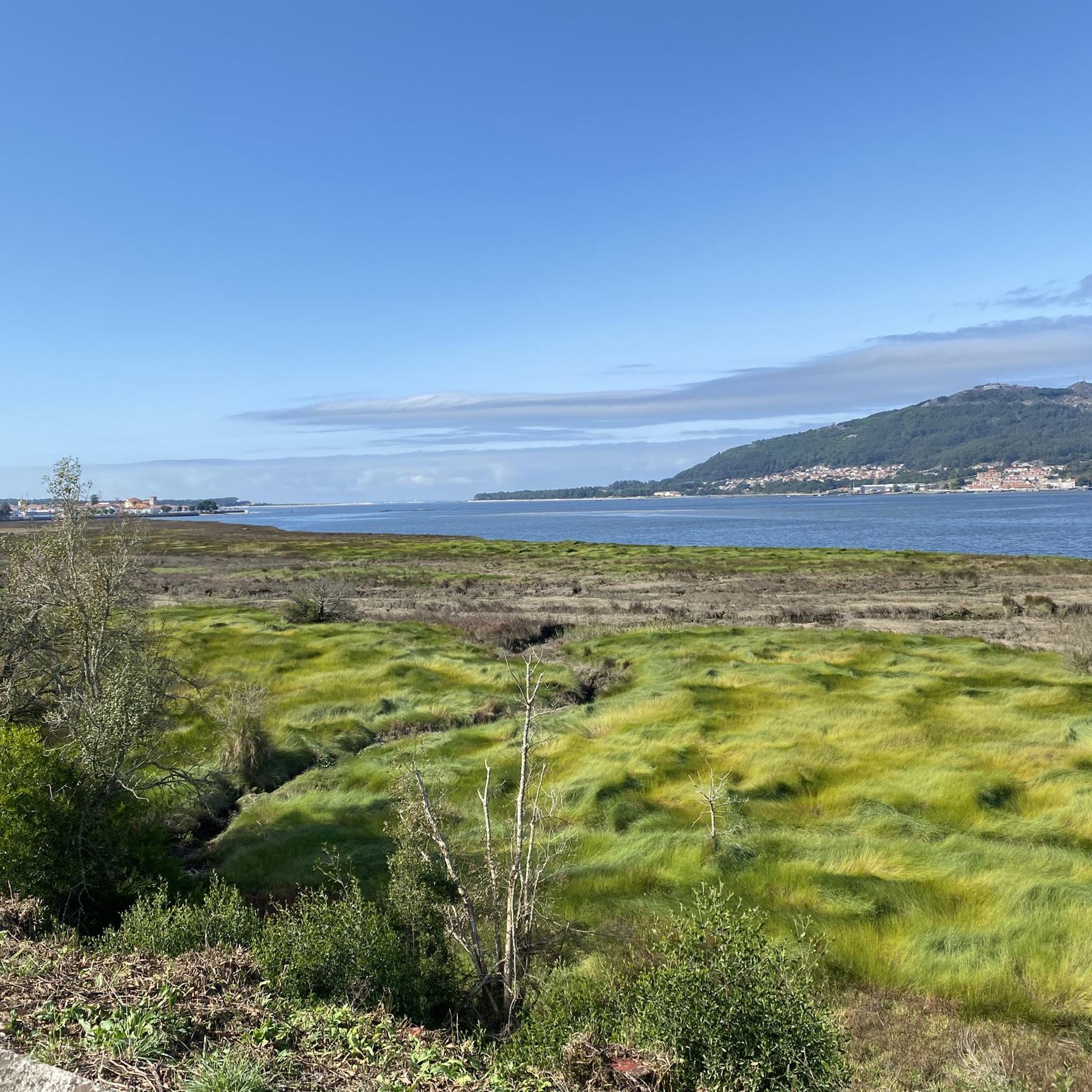
the river is impeccable, it has very clean water, shade and river beaches
2
0

I recommend bringing a swimsuit. There are areas that deserve a dip ☺️
2
0
The Vez River is a mountain river located at the foot of the Serra do Soajo in the Peneda-Gerês National Park, Portugal. This river flows through the land of Arcos de Valdevez.
2
0

Between Padrão and Porta Cova, the terraces of the Vez Valley wind their way down the hillside like ancient steps carved into the mountain. Created by human hands to tame the earth, today they offer a magical setting for running: a path of ancient, irregular slabs that tests you and fills your eyes. Here, each step echoes ancient stories. It is no coincidence that this rural wonder was consecrated as one of the “7 Wonders of Portugal”.
2
1
The terraces of the Vez Valley, between Padrão and Porta Cova, are a masterpiece of the relationship between man and nature. Created by our ancestors to cultivate the land and ensure their livelihood, they change with each season, painting the landscape with ever-new colors. It is no wonder that this unique landscape was elected one of the “7 Wonders of Portugal” in the Rural Village category.
1
0

This recreational area is actually called Castelo das Furnas or de Boiao or Fraiao. The Castelo de san Martinho da Penha Raíña is nearby and is also highly recommended to visit, although you have to leave the bike down in the parking lot and walk up to the top.
0
0
Frequently Asked Questions
What kind of natural features can I expect to see around Eiras?
The region around Eiras offers a diverse landscape, including significant river valleys, unique rock formations, and agricultural terraces. You can explore features like the clean waters and river beaches of the Vez River, and impressive geological formations such as Castelo das Furnas. The area also features human-modified natural spaces like the Terraced Fields of the Vez Valley, which showcase the relationship between human activity and nature.
Are there any significant natural reserves or parks near Eiras?
Yes, the wider Coimbra region boasts several important natural areas. The Reserva Natural do Paul de Arzila, located west of Coimbra, is a vital wetland and a Special Protection Zone for migratory birds. Further afield, the Parque Natural das Serras de Aire e Candeeiros is known for its extensive limestone formations, caves, and unique landscapes. You can find more information about this park on Visit Portugal.
Can I visit any caves or geological formations in the wider Coimbra region?
Absolutely. The Parque Natural das Serras de Aire e Candeeiros, while not directly in Eiras, is a major highlight within a reasonable distance. It is Portugal's most important limestone deposit, featuring over 130 identified caves, some of which are open to visitors, such as the Mira de Aire Caves and Alvados Caves. This park offers a fascinating glimpse into underground geological wonders.
Are there opportunities for hiking or outdoor activities near these natural monuments?
Yes, the region provides numerous opportunities for outdoor activities. You can find various routes for gravel biking, cycling, and road cycling. For instance, there are challenging gravel biking trails like the Corno de Bico Loop Trail, and moderate cycling routes such as the Lapela Tower – Brejoeira Palace loop. Explore more options on the Gravel biking around Eiras, Cycling around Eiras, and Road Cycling Routes around Eiras guide pages.
What do visitors particularly enjoy about the natural monuments in this region?
Visitors frequently praise the stunning views and the unique blend of natural beauty and human ingenuity. For example, the Terraced Fields of the Vez Valley are celebrated as a masterpiece of human-nature interaction, changing colors with each season. The Vez River is loved for its clean water and inviting river beaches, perfect for a refreshing dip. The rock formations like Castelo das Furnas are appreciated for their spectacular views, despite the challenging climb.
Are there family-friendly natural monuments around Eiras?
Yes, the Vez River is considered family-friendly, offering clean water and river beaches suitable for all ages. The Botanical Garden of the University of Coimbra also provides a peaceful and educational experience for families, with its vast collection of plants and serene environment.
Can I bring my dog to the natural monuments or trails near Eiras?
While specific regulations for each site vary, many natural outdoor areas and trails in Portugal are generally dog-friendly, especially if dogs are kept on a leash. For instance, the Mata Nacional do Choupal near Coimbra is a popular green space where locals often walk their dogs. It's always best to check local signage or official websites for specific rules regarding pets at each natural monument or reserve you plan to visit.
What is the best time of year to visit the natural monuments around Eiras?
The Coimbra region generally enjoys a Mediterranean climate. Spring (April to June) and early autumn (September to October) are often considered the best times to visit. During these periods, the weather is typically mild and pleasant, ideal for outdoor activities like hiking and exploring, and the landscapes are vibrant. Summer can be quite hot, especially in July and August, while winters are generally mild but can be rainy.
Is there a botanical garden worth visiting in the Coimbra area?
Yes, the Botanical Garden of the University of Coimbra is a must-visit. Founded in 1772, it is one of the oldest botanical gardens in the world, spanning 13 hectares. It features hundreds of species of trees and plants from across the globe, offering a tranquil oasis within the city with beautiful features like a lily pond and various greenhouses.
Are there any places to see ancient history or paleontology near Eiras?
Yes, within the Parque Natural das Serras de Aire e Candeeiros, you can find the Aire Range Dinosaur Tracks Natural Monument. This is one of the few sites globally where well-preserved Middle Jurassic sauropod dinosaur tracks can be observed. Some tracks measure over 100 meters in length, with individual footprints up to 95 cm, offering a remarkable glimpse into prehistoric life.
Are there any natural monuments around Eiras that are wheelchair accessible?
While many natural monuments, especially those with rugged terrain or steep climbs like Castelo das Furnas, may not be fully wheelchair accessible, some areas might offer better access. The Botanical Garden of the University of Coimbra, being a cultivated urban space, generally offers more accessible paths. For specific natural reserves or trails, it's advisable to check their official websites for detailed accessibility information before your visit.
Most popular routes around Eiras
Most popular attractions around Eiras

Get inspired with the komoot mobile app


Explore more
Extend your search for the best caves by checking out these guides of the top ones around Eiras:
