Top 12 Natural Monuments around Gâmbia-Pontes-Alto Da Guerra
Best natural monuments around Gâmbia-Pontes-Alto Da Guerra are primarily found within the Sado Estuary Nature Reserve, a protected area known for its diverse ecosystems. This region features saltmarshes, sand and mudflats, and pine forests, supporting a rich array of wildlife. It is home to a resident population of bottlenose dolphins and serves as a crucial habitat for over 200 bird species. The area provides opportunities to explore varied natural features and historical sites.
Best natural monuments around Gâmbia-Pontes-Alto Da Guerra
…Last updated: June 30, 2026
São Luís Lookout
Highlight • Viewpoint
Tip by

Sado Estuary Nature Reserve
Highlight • Natural
Translated by Google •
Tip by

Sign up now to discover places like this
Get recommendations on the best single tracks, peaks, & plenty of other exciting outdoor places.
Sign up for free
Troia Caldeira Pine Forest
Highlight • Forest
Translated by Google •
Tip by

Portuguese oak
Highlight • Natural Monument
Translated by Google •
Tip by

View of Setúbal and Tróia Peninsula from Parque Natural da Arrábida
Highlight • Viewpoint
Translated by Google •
Tip by

Sign up for free to discover even more natural monuments around Gâmbia-Pontes-Alto Da Guerra.
Sign up for free
Already have an account?
Start today with a free account
Your next adventure awaits.
Login or Signup
Popular around Gâmbia-Pontes-Alto Da Guerra

Tips from the Community


On foot or by bike, Arrábida is always a privilege of nature.👍🇵🇹
0
0
The Arrábida Mountains have spectacular trails, along which we can enjoy beautiful landscapes, both green and sea. 👍
0
0

Bench and great seats on the rocks
1
1

The Portuguese oak can be considered an intermediate species between the oaks of the north of the country and those of the south, that is, between the black oak and the oak, and the cork oak and holm oak. This tree grows slowly and inhabits habitats that are generally limiting for most other trees. Like the holm oak, the acorns of this oak are also used in the feed of the wild pig.
5
0

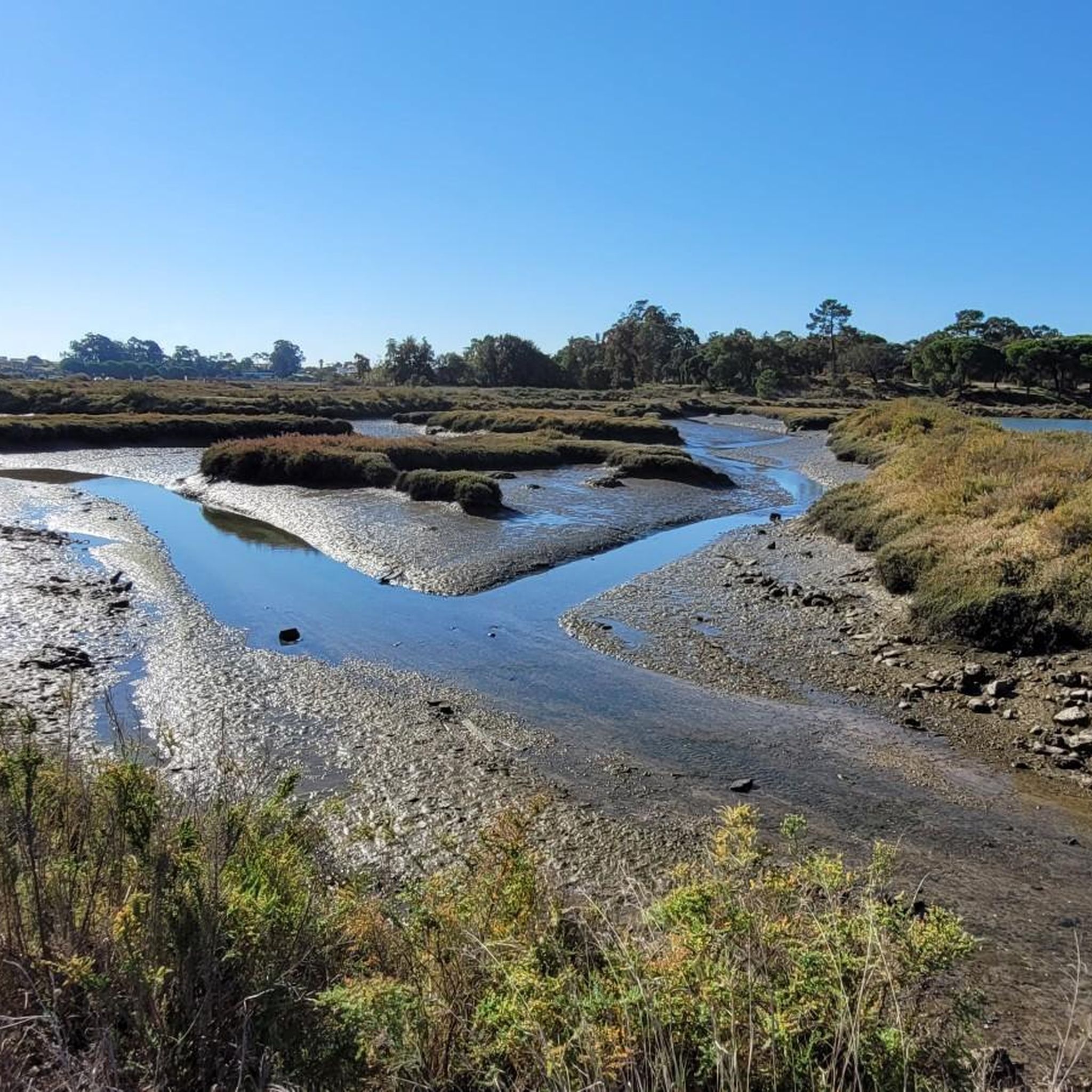
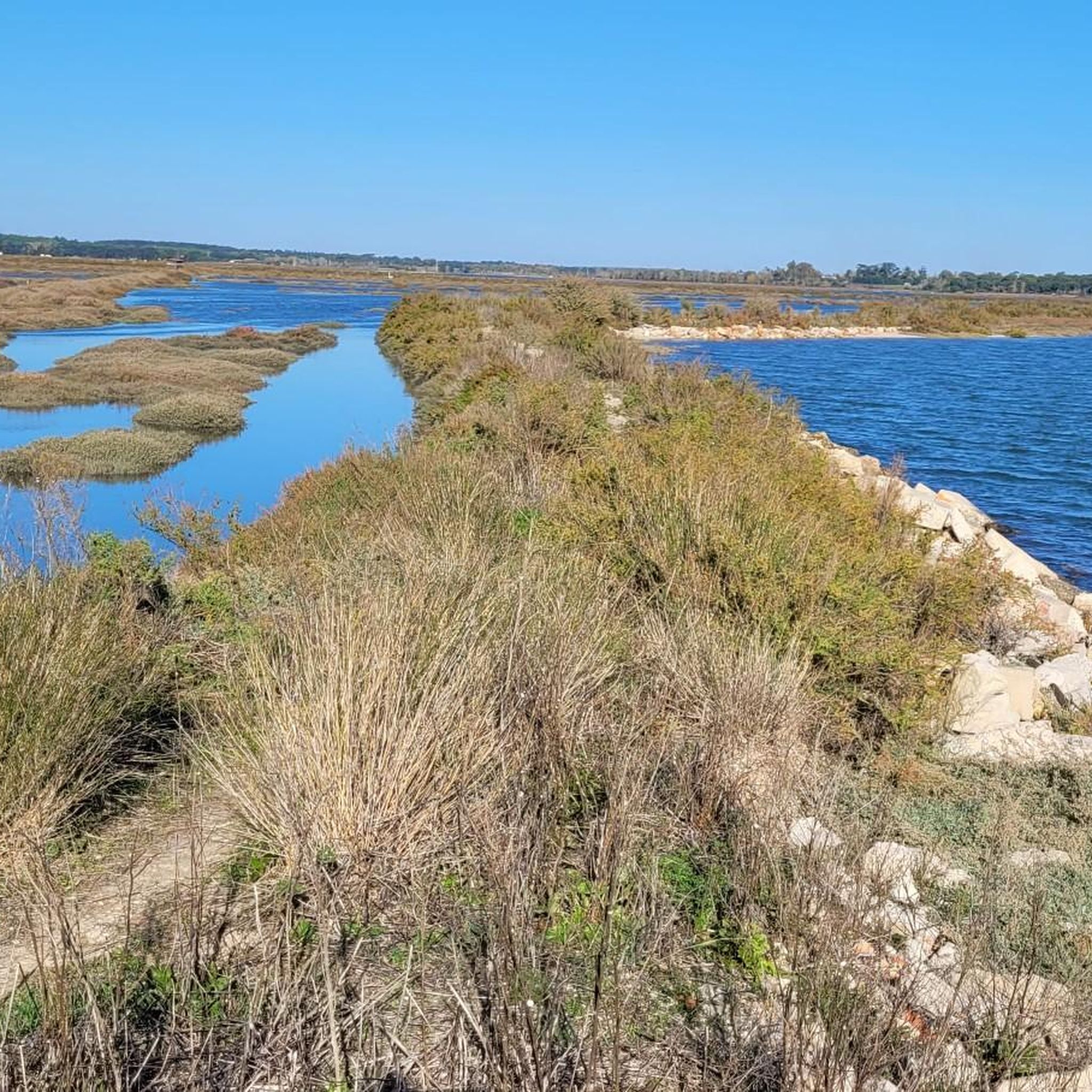
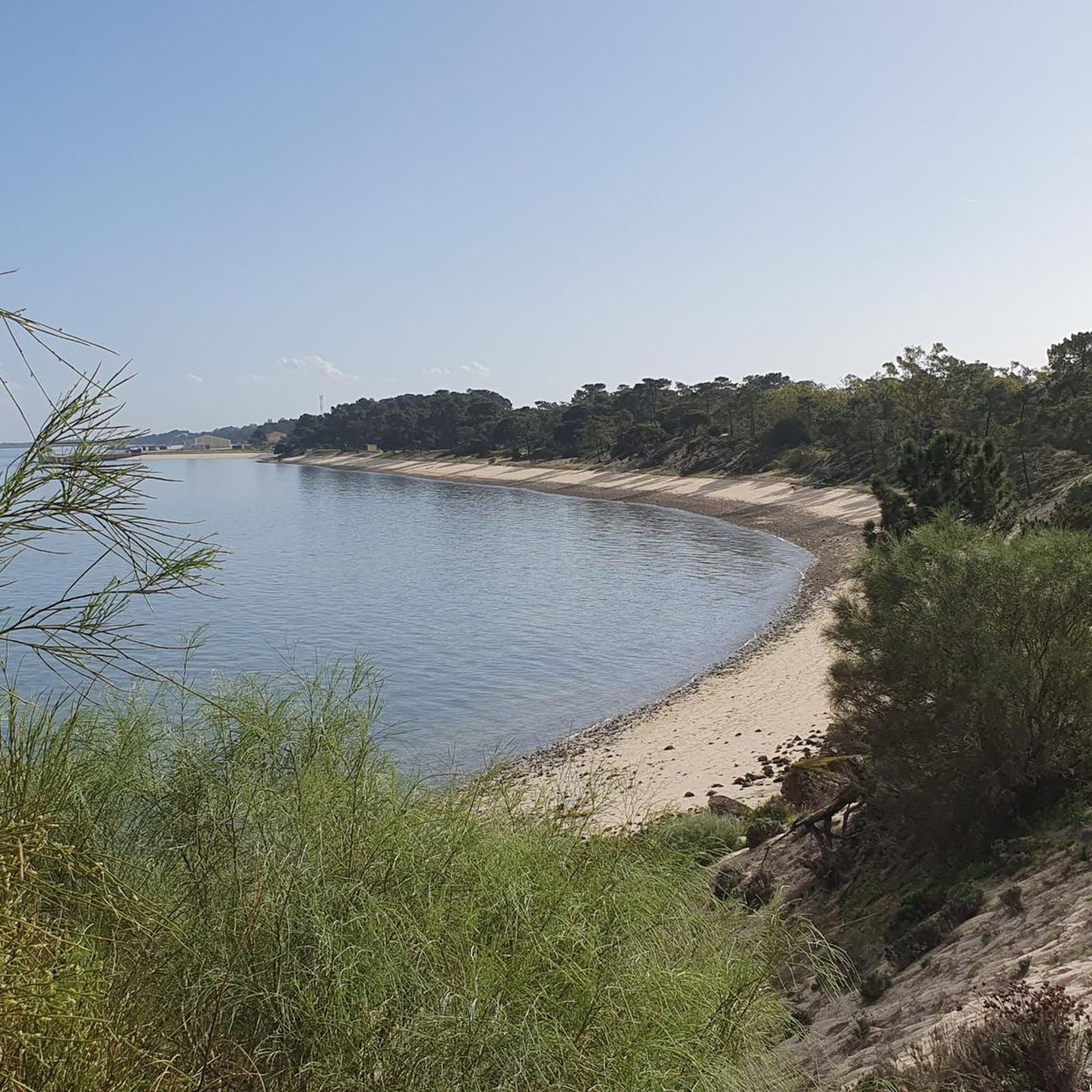
The hiking trail along the Troy Caldera is relaxing and you can observe numerous water birds. Surrounded by dunes, the Troia Caldera reveals a huge salt marsh area at low tide.
6
2

Great view in all directions! The ascent and descent on the hiking routes is not quite as easy and very steep. The dirt road up to the station above is a good alternative for the less daring.
6
1

Perfect to take a break enjoy the view and take some pictures.
2
2
Frequently Asked Questions
What natural features can I expect to see in Gâmbia-Pontes-Alto Da Guerra?
The region is dominated by the Sado Estuary Nature Reserve, offering diverse habitats such as saltmarshes, reedbeds, vast sand and mudflats, and pine forests. You can also find beautiful beaches and coastal dunes. The nearby Arrábida Natural Park features stunning coastal cliffs and rich flora.
Are there any unique wildlife viewing opportunities in the natural monuments area?
Yes, the Sado Estuary is famous for its resident population of bottlenose dolphins, often referred to as 'Sado dolphins,' which can be observed on boat tours. It's also an internationally recognized area for birdwatching, hosting over 200 species, including flamingos and spoonbills, especially during migration and wintering periods.
Where can I find the best viewpoints to appreciate the landscape?
For expansive vistas, visit the View of Setúbal and Tróia Peninsula from Parque Natural da Arrábida, which offers panoramic views in all directions. Another excellent spot is São Luís Lookout, located in the southern part of Arrábida Natural Park, providing views of the Setúbal bay, Tróia, and the northern Arrábida hills.
Are there family-friendly natural monuments around Gâmbia-Pontes-Alto Da Guerra?
Absolutely. The Troia Caldeira Pine Forest is a great option, offering relaxing hiking trails where you can observe water birds. The View of Setúbal and Tróia Peninsula from Parque Natural da Arrábida is also considered family-friendly, though some routes to it can be steep.
What outdoor activities can I do near these natural monuments?
The area offers a variety of outdoor activities. You can explore diverse ecosystems through hiking and cycling trails. For cycling enthusiasts, there are numerous routes for road cycling, touring, and gravel biking. You can find detailed routes and guides for road cycling, touring cycling, and gravel biking in the region.
Are there historical or cultural sites within the natural monuments area?
Yes, the Sado Estuary Nature Reserve holds historical significance. Within its boundaries, particularly near Troia, you can find archaeological remains such as Roman ovens, a Phoenician factory, and Roman fish-salting complexes, offering a glimpse into the region's ancient past.
What is the best time to visit the natural monuments in this region?
The best time to visit depends on your interests. For birdwatching, the migratory seasons (spring and autumn) and winter offer the highest diversity of species. Dolphin watching tours are generally available year-round, but weather conditions can affect trips. Spring is particularly beautiful for nature exploration when the Botanical Reserve of the Troia Dunes is in bloom.
Are the natural monuments dog-friendly?
While many natural areas in Portugal are generally accessible for dogs on a leash, specific rules may apply within protected areas like the Sado Estuary Nature Reserve and Arrábida Natural Park. It's advisable to check local regulations for each specific trail or area you plan to visit to ensure compliance and protect wildlife.
What do visitors enjoy most about the natural monuments in Gâmbia-Pontes-Alto Da Guerra?
Visitors frequently praise the stunning panoramic views, especially from spots like the View of Setúbal and Tróia Peninsula from Parque Natural da Arrábida, which offers great photo opportunities and places to rest. The tranquility of the Troia Caldeira Pine Forest and the unique wildlife experiences in the Sado Estuary Nature Reserve are also highly valued.
Is there parking available near the natural monuments?
Parking availability varies by specific location within the extensive natural areas. Many popular viewpoints and trailheads, especially within the Arrábida Natural Park and near access points to the Sado Estuary, offer designated parking areas. However, during peak seasons, these can fill up quickly.
Can I find specific tree species of interest in the area?
Yes, the region is home to interesting tree species. For example, you can find the Portuguese oak, which is considered an intermediate species between the oaks of northern and southern Portugal. These trees grow slowly and thrive in habitats that are often challenging for other species.
Are there any challenging routes for experienced hikers or cyclists?
Yes, for those seeking more challenging experiences, some routes within the Arrábida Natural Park, such as those leading to São Luís Lookout, involve significant climbs. For cyclists, routes like the 'Atlantic Coast Route: Arrábida and Cabo Espichel Loop' are rated as difficult, offering demanding terrain and rewarding views. You can find more challenging cycling routes in the road cycling guide.
Most popular routes around Gâmbia-Pontes-Alto Da Guerra
Most popular attractions around Gâmbia-Pontes-Alto Da Guerra

Get inspired with the komoot mobile app


Explore more
Extend your search for the best caves by checking out these guides of the top ones around Gâmbia-Pontes-Alto Da Guerra:
