Top 20 Natural Monuments around Charneca De Caparica
Natural monuments around Charneca De Caparica feature a diverse landscape, including significant natural heritage areas. The region is characterized by its coastal environment and protected natural spaces. These areas offer opportunities to explore unique geological formations and varied flora. The natural features contribute to the region's appeal for outdoor activities.
Best natural monuments around Charneca De Caparica
- The most popular natural monuments is Sanctuary of Christ the King (Santuário de Cristo Rei), a man-made monument that depicts Christ with…
Last updated: August 23, 2026
Monument to the Overseas Combatants 🏛️ Belém
Highlight • Monument
Translated by Google •
Tip by

Sanctuary of Christ the King (Santuário de Cristo Rei)
Highlight • Monument
Translated by Google •
Tip by

Sign up now to discover places like this
Get recommendations on the best single tracks, peaks, & plenty of other exciting outdoor places.
Sign up for free
University of Lisbon Botanical Garden
Highlight • Forest
Translated by Google •
Tip by
Monumental Fountain at Praça do Império
Highlight • Monument
Translated by Google •
Tip by

Ancient Gnarled Tree in Alfama
Highlight • Natural Monument
Translated by Google •
Tip by

Sign up for free to discover even more natural monuments around Charneca De Caparica.
Sign up for free
Already have an account?
Start today with a free account
Your next adventure awaits.
Login or Signup
Tips from the Community

Located in the Belem district, it was inaugurated in 1994 to honor the Portuguese soldiers (10,000) who fought and died in the colonial wars.
2
0

The ancient, gnarled tree in Alfama seems to have witnessed countless stories from the neighborhood. With its thick trunk, twisted branches, and the shadows it casts on the cobblestones and house walls, it offers a tranquil counterpoint to the hustle and bustle of the narrow streets. A beautiful spot to pause, take a breath, and soak up the unique atmosphere of old Lisbon.
2
0

The Lisbon Botanical Garden, located in the parish of São Mamede, is one of the city's oldest and most important green spaces, with a rich history linked to scientific research and botanical conservation. Founded in 1873 at the initiative of Count Ficalho and Andrade Corvo, professors at the Lisbon Polytechnic School. Officially inaugurated in 1878, it was conceived as a scientific garden to support teaching and research in botany. It is part of the National Museum of Natural History and Science of the University of Lisbon.
3
0

The square Jardim da Praça do Império park is bordered by the Jerónimos Monastery (to the north), the Jardim de Belém and Jardim Afonso de Albuquerque parks (to the east), Avenida da Índia and the Cascais railway line (to the south), and the Belém Cultural Center (to the west). The Monument to the Discoveries (Padrão dos Descobrimentos) (to the south) and the Belém Palace (Palácio de Belém) (to the northeast) are also located nearby. José Ângelo Cottinelli Telmo designed the square, along with the monumental fountain (Fonte Monumental), in honor of the Portuguese colonial empire for the 1940 Exposition Internationale des Português (Portuguese World Exhibition). The central fountain has a diameter of almost 30 meters. The surrounding green spaces feature plants arranged to represent the coats of arms of 32 former provinces of the colonial empire. https://de.wikipedia.org/wiki/Pra%C3%A7a_do_Imp%C3%A9rio
1
1
The Monument to Overseas Combatants is a solemn tribute to the Portuguese soldiers who lost their lives during the Portuguese Colonial War (also known as the Overseas War), which took place between 1961 and 1974 in Africa.
21
0
The former Limoeiro Square, currently a street connecting downtown Lisbon to the Portas do Sol viewpoint, is a must-see for tourists and part of the famous tram line 28. Next to the wall of the former Limoeiro Prison, now the Center for Judicial Studies, stands a Phytolacca dioica L., which replaced the lemon tree from which this square took its name. It is approximately 13 meters tall, 17 meters across its base, and 100 years old. This species is native to South America, has a very fast growth rate, and blooms between April and June.
1
1

In a botanical garden, plants are kept looking as close as possible to what they would have in nature, without excessive human intervention (for example, pruning or cutting dry leaves). On the other hand, this ‘hands-off’ option encourages small ecosystems where insects and small animals, other plants, fungi and lichens, which are extremely important for urban biodiversity, live. In the summer, we only water what is essential. Water is a precious commodity, especially in a country like Portugal. Therefore, it is possible that water circulation is limited and that the undergrowth may become drier, especially in the summer. This is a deliberate option that does not put the plants at risk. The presence of the Garden in the heart of Lisbon mitigates the effects of rising temperatures, promoting its own microclimate and the capture of carbon dioxide.
0
1

there is so much to discover here
3
0
Frequently Asked Questions
What are the primary natural features to explore in Charneca De Caparica?
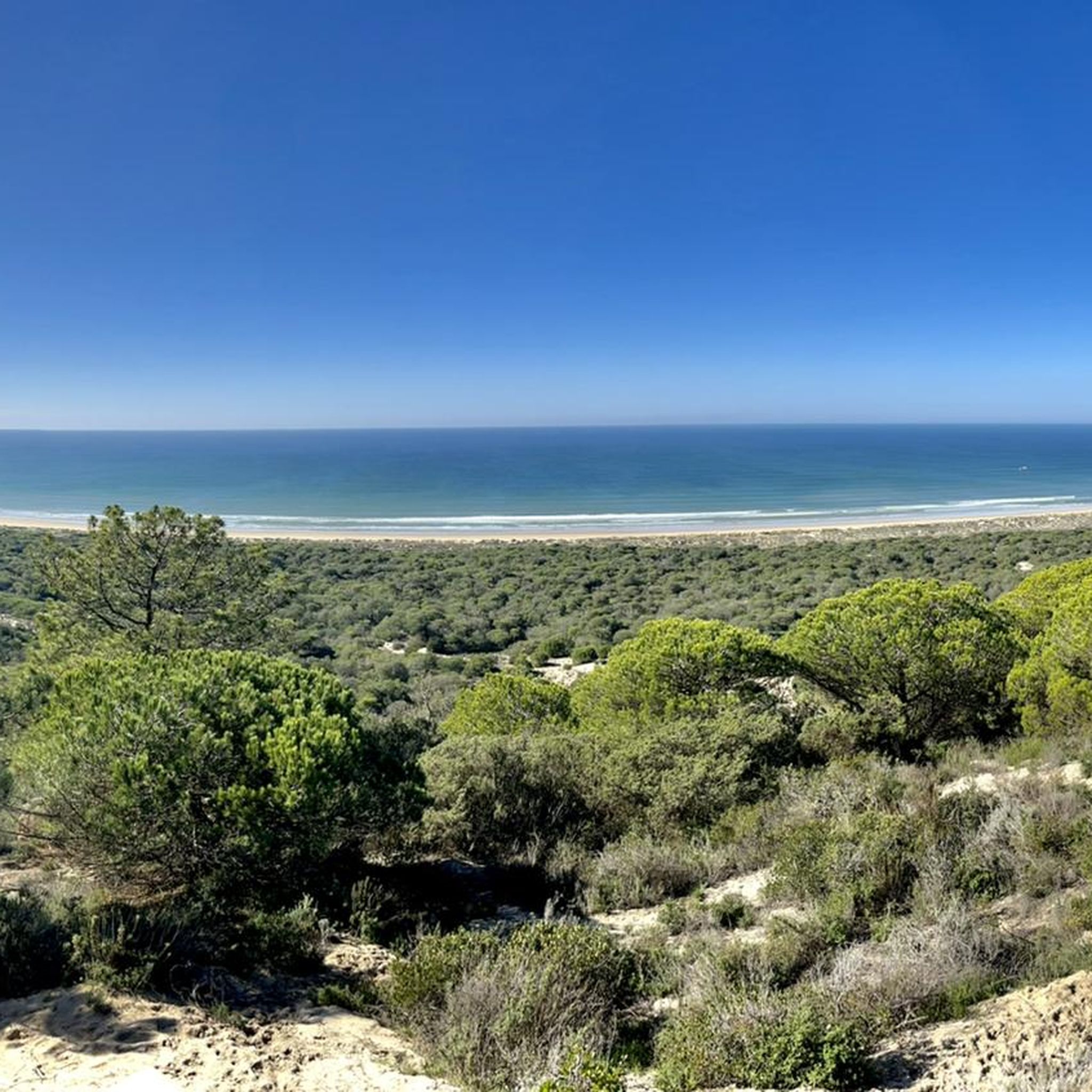
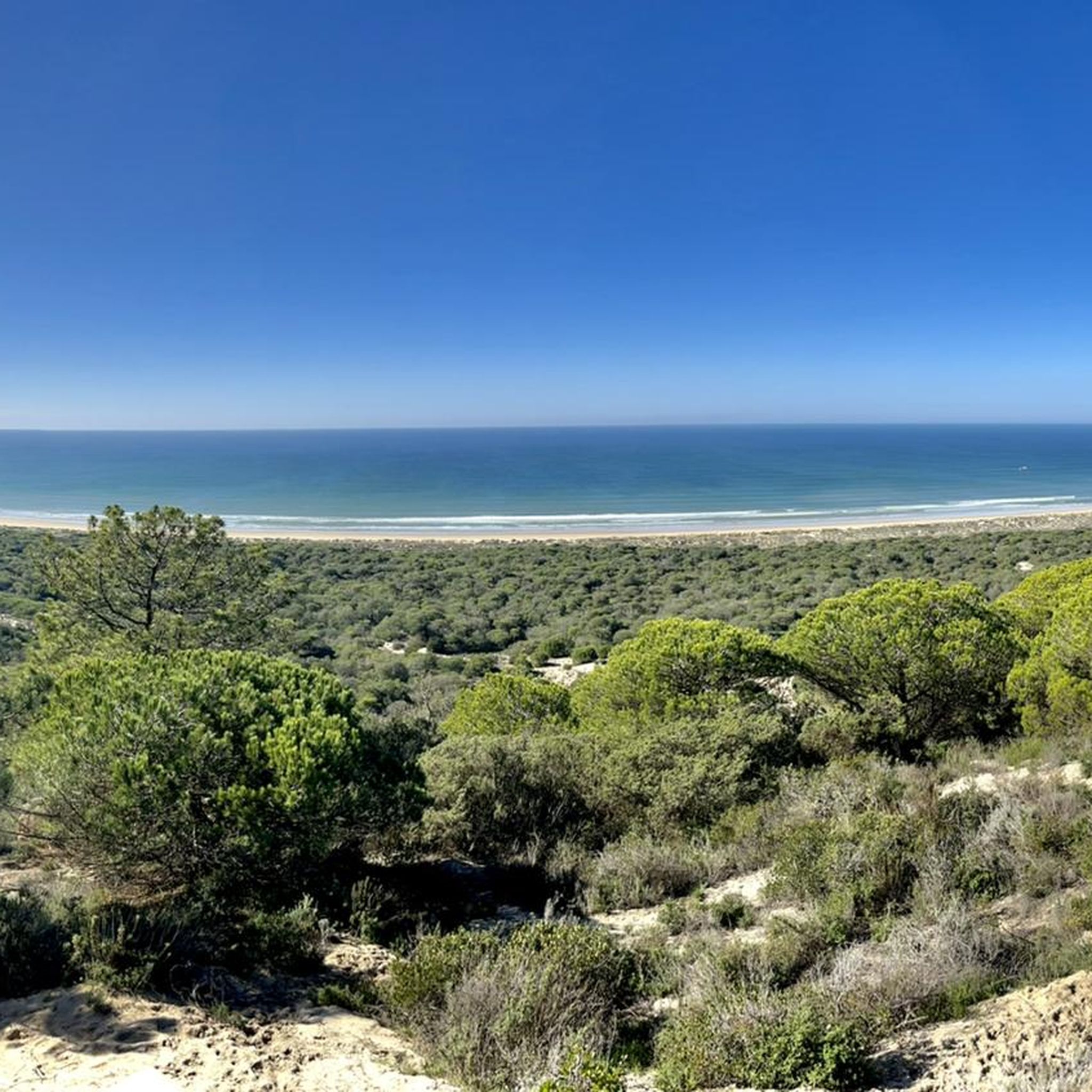
The region is renowned for the Mata dos Medos (Medos Forest), an ancient pine forest with rich biodiversity, and the Paisagem Protegida da Arriba Fóssil da Costa da Caparica (Protected Landscape of the Fossil Cliff of Costa da Caparica), featuring impressive fossil cliffs and panoramic ocean views. These areas offer unique geological formations and varied flora.
Where can I find impressive views of the ocean and landscape in the area?
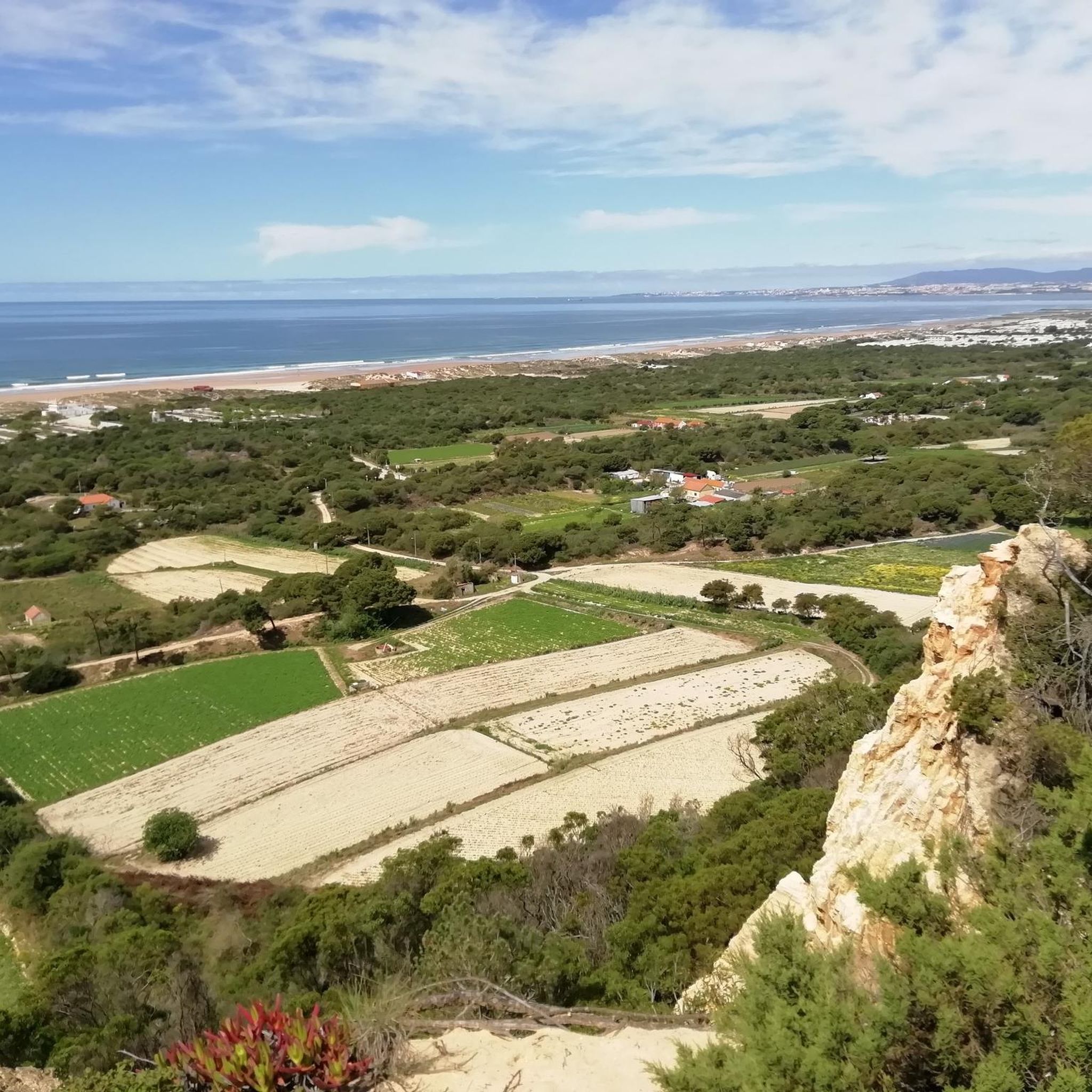
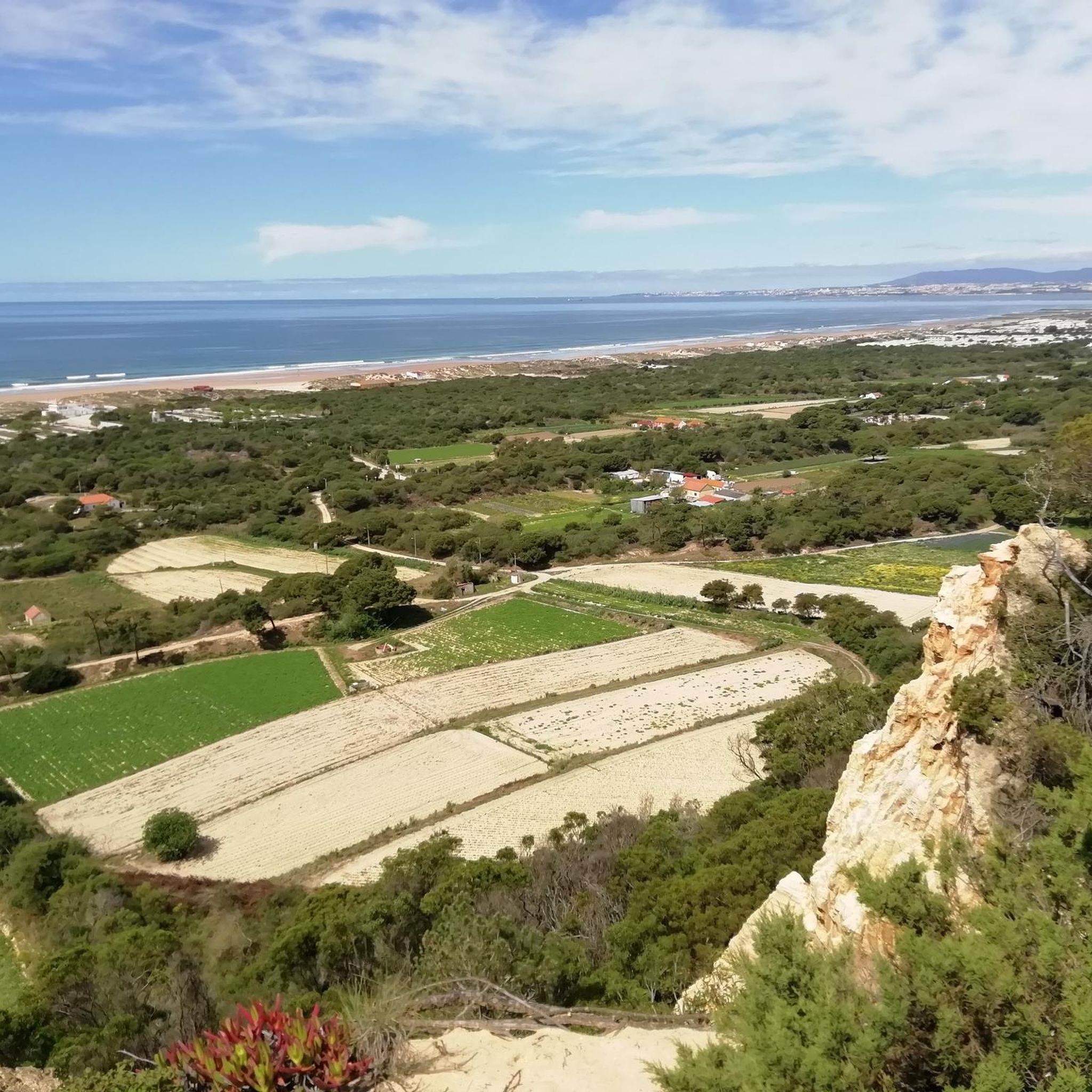
For breathtaking vistas, head to the clifftop paths within the Paisagem Protegida da Arriba Fóssil da Costa da Caparica. These paths offer panoramic views of the Atlantic Ocean and the extensive sandy beaches below. Additionally, the Sanctuary of Christ the King (Santuário de Cristo Rei), though a man-made monument, stands on a 75-meter high pedestal offering a significant viewpoint overlooking the Tagus river and Lisbon.
Are there hiking or walking trails available in the natural monuments?
Yes, both the Mata dos Medos and the Paisagem Protegida da Arriba Fóssil offer trails. The Mata dos Medos has designated walkways, such as the Mata dos Medos Walkway, for refreshing strolls. The coastal landscape of the Arriba Fóssil is part of the European Great Route: Atlantic Way, providing unique hiking and cycling experiences. You can find easy hikes around Charneca De Caparica, including routes like the 'Mata Nacional dos Medos loop' or 'Cliffs of Fonte da Telha loop', by exploring the Easy hikes around Charneca De Caparica guide.
What kind of wildlife can I expect to see in the natural areas?
The Mata dos Medos is a vital habitat for diverse fauna, including birds of prey like the common buzzard and sparrowhawk, nocturnal birds such as the little owl, and mammals like hares, hedgehogs, and foxes. Migratory birds also use the forest for nesting. The cliffs of the Paisagem Protegida da Arriba Fóssil also serve as nesting sites for several bird species.
What is the historical significance of the Mata dos Medos forest?
The Mata dos Medos holds significant historical value. It was originally planted in the 18th century by King João V to prevent coastal sand dunes, locally known as 'medos,' from advancing inland and damaging agricultural lands. This historical intervention makes the forest a testament to early landscape preservation efforts, alongside its ancient stone pines and mastic trees, many of which are centuries old.
Are there any family-friendly natural monuments or activities in Charneca De Caparica?
Yes, several spots are considered family-friendly. The Mata dos Medos offers easy walkways suitable for families. The Príncipe Real Garden and the University of Lisbon Botanical Garden are both forests categorized as family-friendly, providing tranquil green spaces to explore. The Sanctuary of Christ the King (Santuário de Cristo Rei) is also listed as family-friendly, offering impressive views.
What is the best time of year to visit the natural monuments in Charneca De Caparica?
The region can be enjoyed year-round. Spring and autumn offer pleasant temperatures for hiking and exploring the trails. Summer is ideal for enjoying the coastal areas and beaches, though it can be warmer. The dramatic coastal scenery of the Paisagem Protegida da Arriba Fóssil is particularly stunning at sunset when the cliffs take on golden hues.
How can I reach the Mata dos Medos or the Fossil Cliff Protected Landscape by public transport?
While specific direct routes can vary, public transport options typically involve buses connecting from nearby towns or Lisbon. For detailed and up-to-date information on public transport to Mata Nacional dos Medos or Paisagem Protegida da Arriba Fóssil da Costa da Caparica, it's advisable to check local transport schedules or use a journey planner app.
Are there any unique geological features to observe?
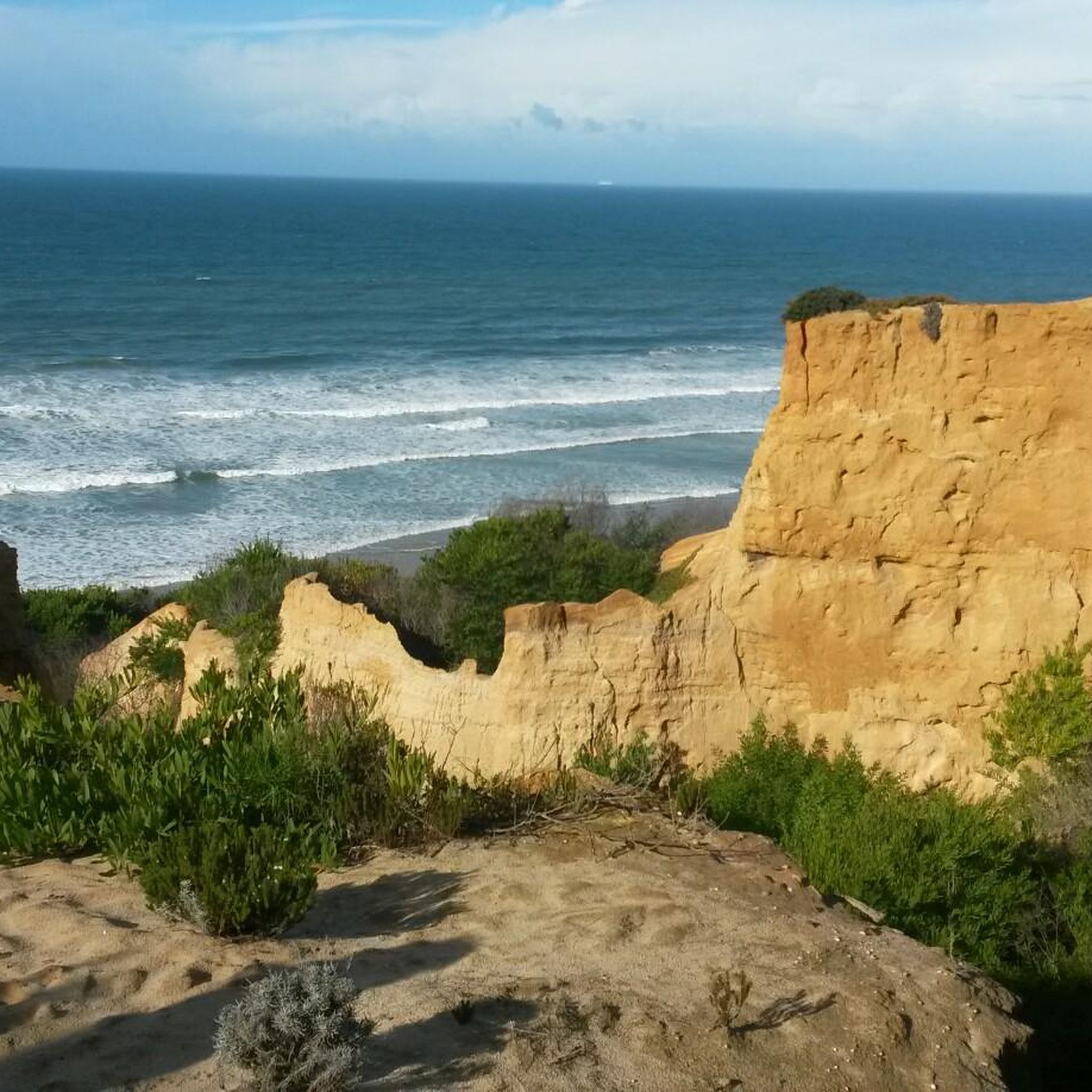
Absolutely. The Paisagem Protegida da Arriba Fóssil da Costa da Caparica is defined by its impressive fossil cliffs. These ancient coastlines are composed of sedimentary rock strata containing fossilized shells, snails, and starfish dating back approximately 10 million years to the Miocene period. Erosion has sculpted unique shapes into these steep cliffs, offering a significant record of Earth's geological past.
Can I find other outdoor activities like running or cycling near these natural monuments?
Yes, the area offers various outdoor activities. For running, you can find routes like the 'Mata Nacional dos Medos loop' in the Running Trails around Charneca De Caparica guide. Cyclists can explore routes such as the 'Fonte da Telha Cliff – Costa da Caparica Beach loop' detailed in the Cycling around Charneca De Caparica guide. These guides provide options for different difficulty levels.
Are there any permits required for hiking or visiting the natural parks?
Generally, no specific permits are required for casual hiking or visiting the main public areas of Mata Nacional dos Medos or Paisagem Protegida da Arriba Fóssil da Costa da Caparica. However, it's always good practice to respect local regulations, stay on marked trails, and be aware of any specific rules posted at entrances to protected areas.
What do visitors enjoy most about the natural monuments in Charneca De Caparica?
Visitors frequently appreciate the tranquil escape into nature offered by the Mata dos Medos, with its ancient trees and refreshing walks. The dramatic coastal scenery, geological formations, and stunning ocean views, especially at sunset, are highlights of the Paisagem Protegida da Arriba Fóssil. The blend of natural beauty, historical context, and opportunities for outdoor activities makes the region a compelling destination.
Most popular routes around Charneca De Caparica
Most popular attractions around Charneca De Caparica

Get inspired with the komoot mobile app


Explore more
Extend your search for the best caves by checking out these guides of the top ones around Charneca De Caparica:
