Top 7 Natural Monuments around Louriceira
Best natural monuments around Louriceira are situated within the Santarém district, offering access to the Serras de Aire e Candeeiros Natural Park. This region is characterized by its significant natural heritage, including a notable karst landscape with numerous caves. The area features a variety of geological formations and ecological sites. It serves as a compelling destination for exploring Portugal's natural features.
Best natural monuments around Louriceira
- The most popular natural monuments is PR3 Hiking Trail – Serras de Aire e…
Last updated: May 18, 2026
PR3 Hiking Trail – Serras de Aire e Candeeiros Natural Park
Highlight • Trail
Translated by Google •
Tip by

Peão Fountain - Monsanto
Highlight • Natural Monument
Translated by Google •
Tip by

Sign up now to discover places like this
Get recommendations on the best single tracks, peaks, & plenty of other exciting outdoor places.
Sign up for free
Grutas de Mira de Aire
Highlight • Cave
The first gallery of this system of caves was discovered by locals in 1947. Of …
Tip by

Algar da Cerejeira
Highlight • Cave
Translated by Google •
Tip by

Dinosaur Footprints of Parque Natural das Serras de Aire e Candeeiros
Highlight • Natural Monument
Tip by

Sign up for free to discover even more natural monuments around Louriceira.
Sign up for free
Already have an account?
Start today with a free account
Your next adventure awaits.
Login or Signup

Tips from the Community

Algar da Cerejeira is a remarkable geological karst formation, that is, a natural cavity or vertical sinkhole. These algars are typically formed in limestone regions due to the erosive action of water, which dissolves the rock and creates underground pits or caves. Algar da Cerejeira is therefore an example of this process, offering a fascinating glimpse into the depths of the earth.
0
0

While this was my second visit, I've enjoyed it as much as the first one! The first gallery of this system of caves was discovered by locals in 1947. Of course people were curious and had to investigate further. What is known today is that the cave reaches 11 Kilometers in length which makes it the biggest and most important in Portugal. The formation of the cave goes back 150 million years to the middle Jurassic age when dinosaurs inhabited this region. They found traces of species who inhabited these caves, some of it on display. A part of the cave-system was opened to the public in 1974 with many improvements in safety for the visitors in later years. At one point colored lights found their way in with some spectacular and dramatic effects. My photos inside the cave are in the wrong order, not sure how to interchange them or what I've done wrong when uploading, sorry!
1
0

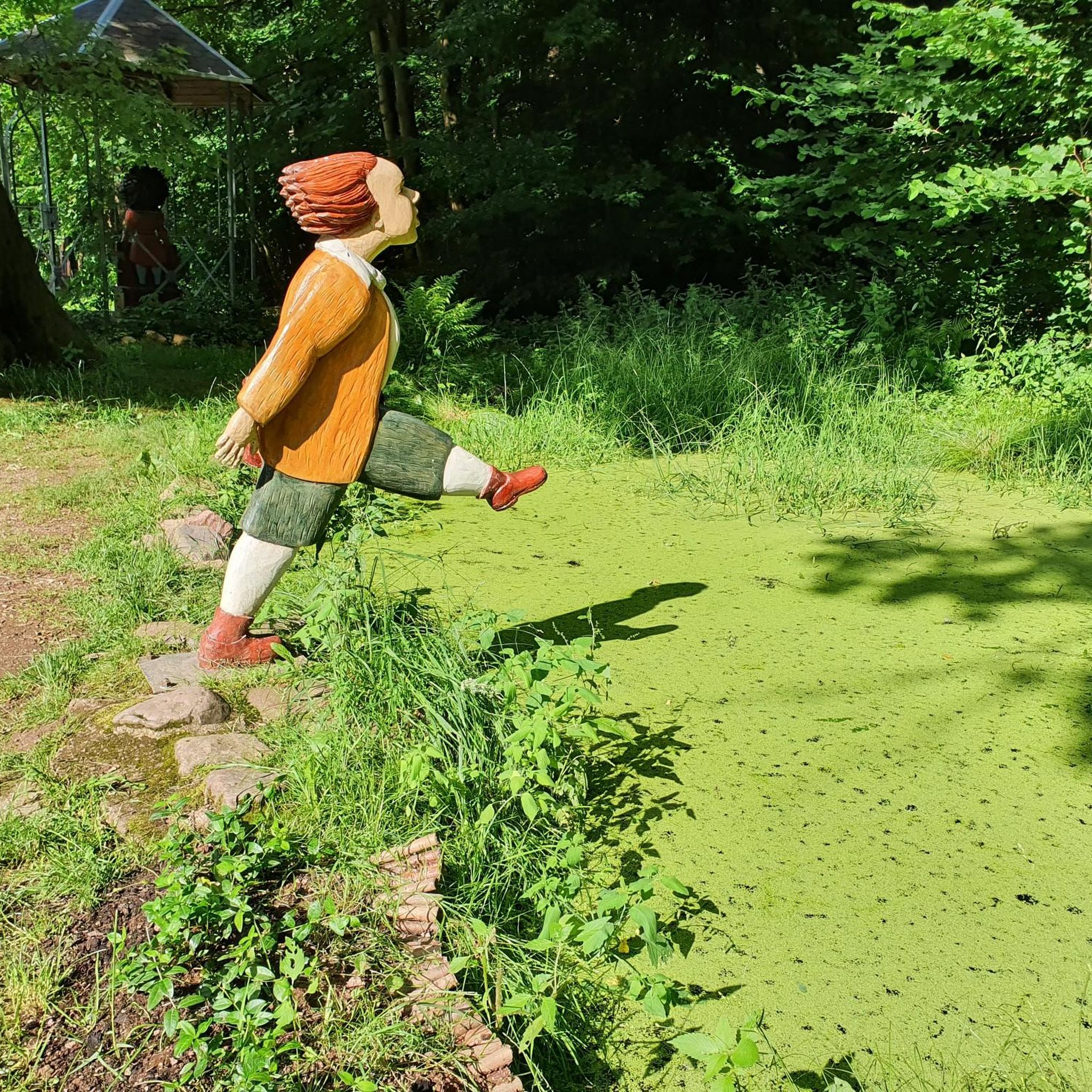
The Fonte do Peão, built in 1884, is one of the symbols of the parish of Monsanto. It is covered in tiles that depict rural life. The water in the Fonte do Peão comes from a spring and flows regularly throughout the year. According to information obtained from local residents, the water is good for human consumption and is used as a source of water for the many travellers who pass through there.
2
0

You'll find excavated dinosaur footprints of all shapes and sizes, dating back to 140 million years ago.
0
0

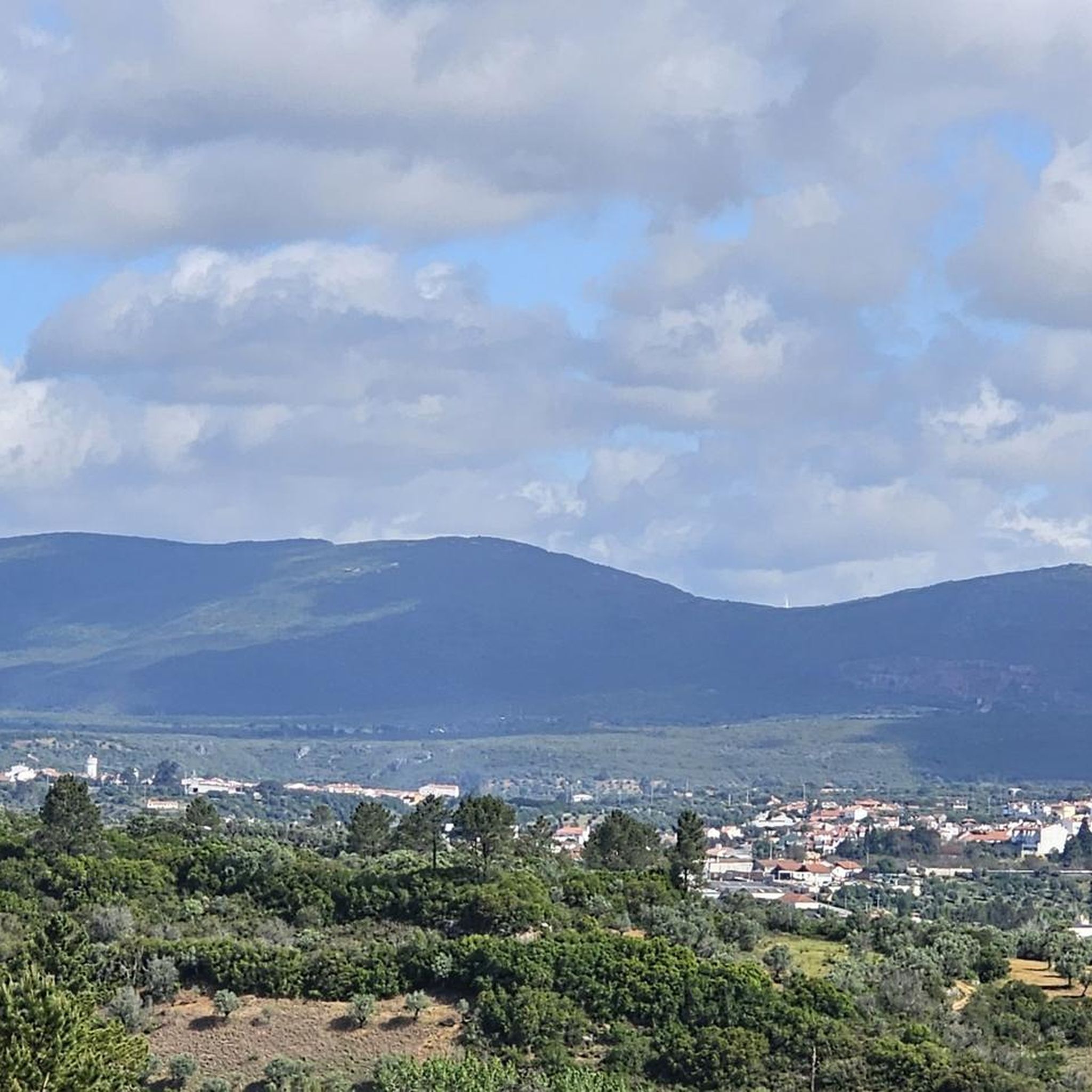
It was more by chance that we came across the hiking trail PR3. A very nice tour with many natural spectacles. However, we started from the parking space in Sao Bento and then followed the signs in the direction of Sao Bento. At the intersection of Costa de Alvados, we decided to stay up there on the heights. The PR3 path described starts in Alvados and ends there. However, since it is an estimated 150 meters down to Alvados and then up again, we stayed up. The view from up here is fantastic.
2
0
Frequently Asked Questions
What are the most popular natural monuments to visit around Louriceira?
Among the most popular natural monuments, you'll find the PR3 Hiking Trail – Serras de Aire e Candeeiros Natural Park, which offers diverse natural elements and expansive views. Another highly regarded spot is the Grutas de Mira de Aire, Portugal's largest cave system, known for its impressive formations dating back 150 million years.
What unique geological features can I explore in the Louriceira region?
The region around Louriceira is renowned for its significant karst landscape. This includes an impressive network of over 1500 caves within the Serras de Aire e Candeeiros Natural Park. You can explore fascinating formations like the Algar da Cerejeira, a remarkable vertical sinkhole formed by water erosion, offering a glimpse into the Earth's depths.
Are there family-friendly natural monuments or activities near Louriceira?
Yes, there are several family-friendly options. The Grutas de Mira de Aire is a great choice, offering an accessible and educational experience through its vast cave system. Additionally, the Peão Fountain - Monsanto is a charming spot with historical significance and a continuous spring water source, perfect for a relaxed visit.
What kind of outdoor activities can I do near the natural monuments in Louriceira?
The area offers a variety of outdoor activities. For hiking enthusiasts, there are numerous trails within the Serras de Aire e Candeeiros Natural Park, such as the 'Tour of the Friars (PR 5)' or 'Rota dos Ferreiros (PR 4)'. Cyclists can enjoy routes like the 'Charneca Circular Route' or the 'Moitas Venda – Peão Fountain - Monsanto loop'. You can find more details on these activities in the Hiking around Louriceira and Cycling around Louriceira guides.
Where can I find impressive viewpoints of the natural landscape around Louriceira?
For expansive views, consider visiting the View of the Polje de Minde. From here, you can witness the breathtaking Polje de Minde, a rare wetland nestled between hills, with the São Mamede plateau and Serra d’Aire in the background. The Geodetic Vertex of Serra de Aire, the highest point of the Estremenho Limestone Massif, also offers panoramic vistas, including the Tagus Basin and even the distant sea on clear days.
Is there a river beach or natural swimming spot near Louriceira?
Yes, Louriceira is home to the Praia fluvial dos Olhos d'Água, a scenic river beach. It features a mix of grassy areas, sand, and stone, all surrounded by nature. Its most notable feature is the Olhos d'Água spring, which has historically been a crucial water source for Lisbon.
What is the best time of year to visit the natural monuments around Louriceira?
The best time to visit is generally during spring (April to June) and autumn (September to October) when the weather is mild and pleasant for outdoor activities like hiking and exploring caves. Summers can be hot, while winters are cooler and wetter, though still suitable for some activities.
Are there any natural monuments with historical significance in the area?
The Peão Fountain - Monsanto, built in 1884, is a natural monument with historical significance. It is adorned with tiles depicting rural life and has served as a vital spring water source for locals and travelers for over a century. The Olhos d'Água spring at the river beach also has historical importance as a water supply for Lisbon since 1880.
What kind of flora and fauna can I expect to see in the Serras de Aire e Candeeiros Natural Park?
The Serras de Aire e Candeeiros Natural Park is known for its rich biodiversity. You can expect to encounter diverse flora adapted to the limestone environment, as well as various species of birds and mammals. The park is particularly notable for its colonies of bats, which inhabit the extensive cave systems.
Are there any challenging natural monuments or trails for experienced adventurers?
For those seeking a challenge, the Algar da Cerejeira is a geological formation categorized as challenging, offering a unique experience for experienced explorers interested in karst features. Additionally, some hiking and cycling routes in the region are rated as 'difficult', such as the 'Charneca Circular Route' for cycling, providing a more strenuous adventure.
What do visitors particularly enjoy about the natural monuments around Louriceira?
Visitors frequently praise the expansive views from trails like the PR3 Hiking Trail and the unique experience of exploring the vast Grutas de Mira de Aire. The natural beauty, geological wonders, and the opportunity to connect with nature are consistently highlighted as key attractions.
Most popular attractions around Louriceira

Get inspired with the komoot mobile app


Explore more
Extend your search for the best caves by checking out these guides of the top ones around Louriceira:
