Top 10 Natural Monuments around Madalena
Best natural monuments around Madalena showcase Pico Island's volcanic origins and unique biodiversity. The region features a diverse landscape, from subterranean lava tubes to the highest peak in Portugal. These natural formations provide insight into the island's geological history and offer varied outdoor experiences. Madalena's natural monuments are integral to its identity, blending geological significance with rich ecosystems.
Best natural monuments around Madalena
- The most popular natural monuments is Chapel of Senhor da Pedra (Chapel of the Lord of the…
Last updated: May 18, 2026
Chapel of Senhor da Pedra (Chapel of the Lord of the Rock)
Highlight • Religious Site
Translated by Google •
Tip by

Infante Dom Henrique Garden
Highlight • Natural Monument
Translated by Google •
Tip by

Sign up now to discover places like this
Get recommendations on the best single tracks, peaks, & plenty of other exciting outdoor places.
Sign up for free
Gardens of the Crystal Palace
Highlight • Natural
Translated by Google •
Tip by

Senhor da Pedra Chapel
Highlight • Religious Site
Translated by Google •
Tip by

Plane Trees at Jardim da Cordoaria
Highlight • Natural Monument
Translated by Google •
Tip by
Sign up for free to discover even more natural monuments around Madalena.
Sign up for free
Already have an account?
Start today with a free account
Your next adventure awaits.
Login or Signup
Tips from the Community

The Cordoaria Garden, also known as the João Chagas Garden, is an example of how gardens represent an important nature-based solution in the urban environment. This green space, founded in 1865, combines historical elements with modern sustainable practices. Recently, a requalification was carried out that included improving the rainwater drainage system, replacing public lighting with more efficient options, and restoring and waterproofing the existing lake. In addition, the replacement of pavements with gravel and the planting of new landscaped areas reinforce support for local biodiversity and promote rainwater infiltration, reducing the risk of flooding in the area. This garden has about 160 trees, several classified as being of public interest, namely the Plane Tree Avenue, the Linden Tree Walk, American Oaks (some centuries old), Araucarias, Cedars and Sequoias, which throughout the year present its visitors with various colors and contrasts. Beyond its environmental function, it also has an important social function, being a thoroughfare for many visitors and residents, surrounded by a museum, university campuses, a hospital, and important tourist attractions in the city. It is a true green lung in the urban center of Porto. Various cultural events and activities take place in this garden, combining nature with the various needs of the population in that area. Ecological functions Improvement of quality of life; Promotion of biodiversity; Reduction of extreme weather events; Noise reduction; Regulation of air quality; Temperature regulation; Regulation of floods and inundations; Carbon sequestration
1
0

The plane trees in the Jardim da Cordoaria in Porto are one of the most striking features of this historic park. These are specimens of Platanus × hispanica (European plane), planted in the 19th century, which form two monumental rows along the garden's paths.
3
0

Cool view of a beautiful house
1
0
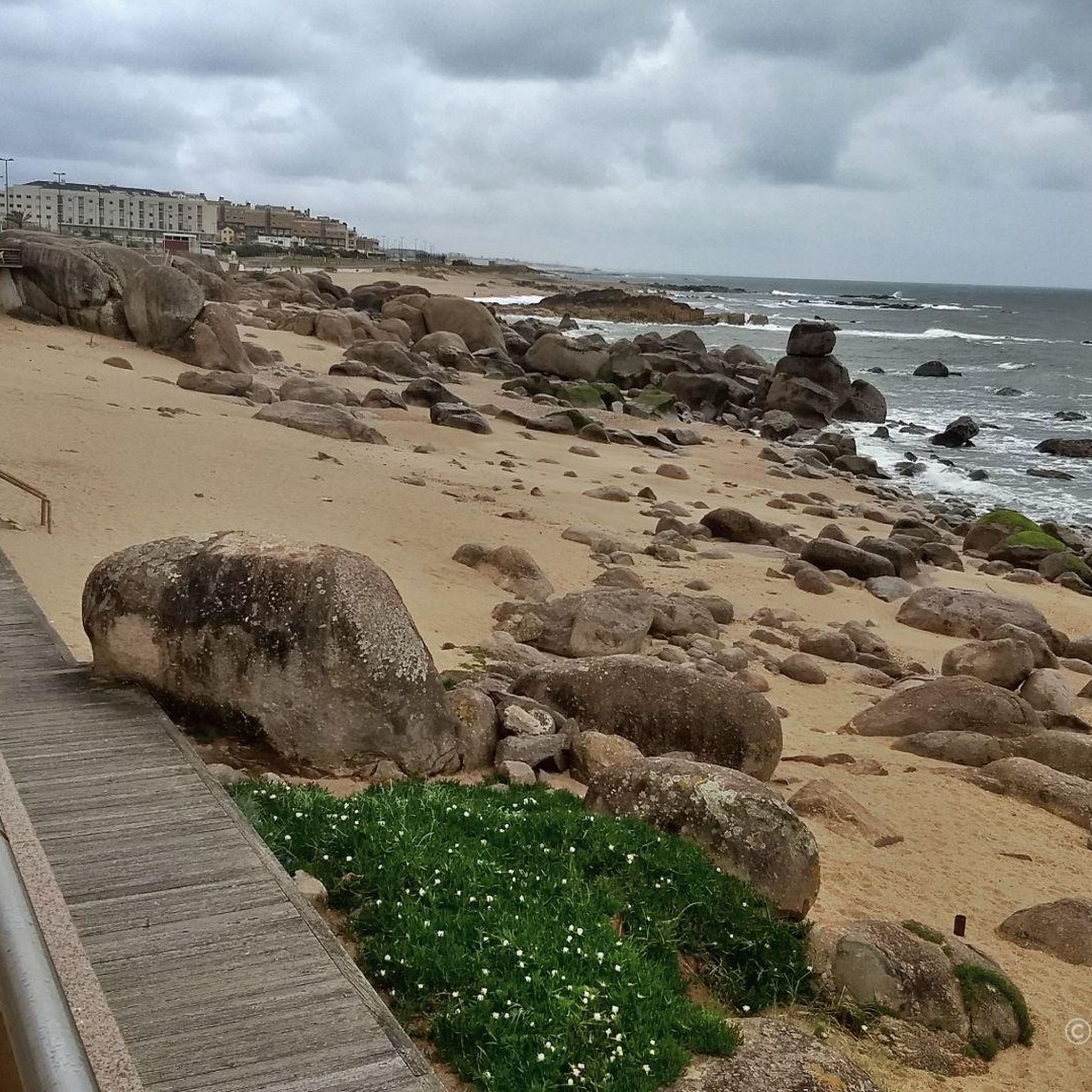
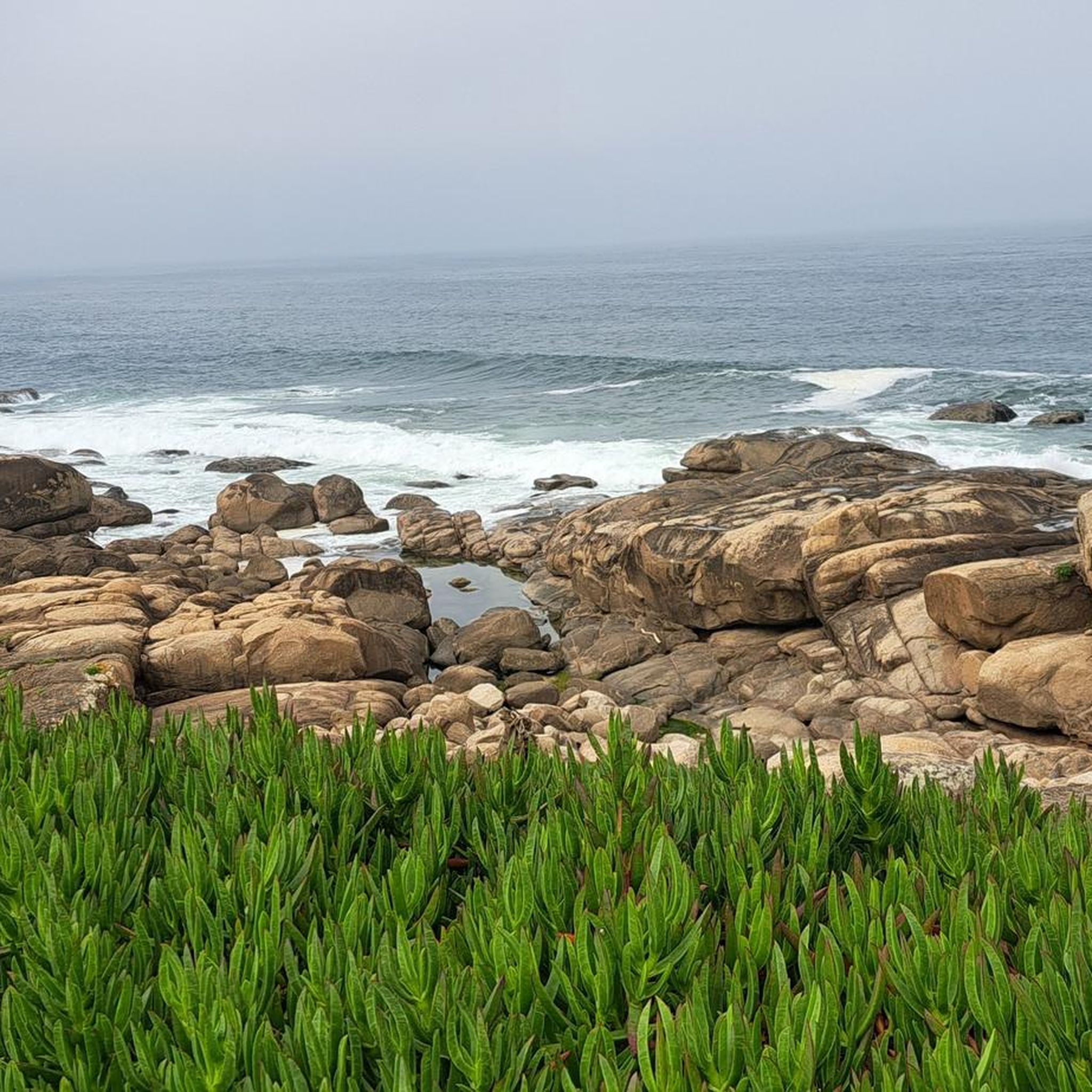
The Capela do Senhor da Pedra is one of Portugal's most iconic and photogenic chapels, located on a rocky promontory on Miramar Beach in Vila Nova de Gaia, about a 20-minute drive from downtown Porto.
1
0
The Crystal Palace Gardens (Jardins do Palácio de Cristal) are one of Porto's most beautiful and iconic green spaces, ideal for strolling, relaxing, and enjoying spectacular views of the Douro River and the Atlantic Ocean.
2
0
The Crystal Palace Gardens in Porto are one of the city's most iconic and romantic green spaces, ideal for strolling, relaxing, and enjoying spectacular views of the Douro River and the Atlantic Ocean.
4
0

I recommend it very beautiful
1
0

The lower part of the trunks is massively thickened. Is this a tree disease or what's going on here?
0
1
Frequently Asked Questions
What are the most prominent natural monuments to visit around Madalena?
Madalena, on Pico Island, is home to several remarkable natural monuments. Key attractions include the Gruta das Torres, Portugal's largest known lava tube; Pico Mountain, the highest peak in Portugal; and Lagoa do Capitão, the island's largest lagoon offering stunning views. These sites showcase the island's volcanic origins and unique biodiversity.
What kind of geological features can I expect to see at Gruta das Torres?
The Gruta das Torres is a geological marvel, featuring lava stalactites, lava stalagmites, lateral benches, and lava balls. You can also observe well-preserved 'aa' and 'pahoehoe' lava types, along with unique drainage patterns and varied surface characteristics, all within a subterranean environment.
What is the climbing experience like on Pico Mountain?
Climbing Pico Mountain is a challenging but rewarding experience, rated medium/difficult. It requires good physical fitness. The hike leads to Portugal's highest point, Piquinho, and offers breathtaking panoramic views of surrounding islands like Graciosa, Terceira, Faial, and São Jorge on clear days. You might also encounter diverse natural habitats and, occasionally, a lava tube or gallery.
Are there any natural monuments suitable for families around Madalena?
Lagoa do Capitão is an excellent choice for families, offering a serene and picturesque environment with calm waters surrounded by lush vegetation. It's a great spot for nature lovers and photographers. While the climb up Pico Mountain is challenging, the base areas and surrounding trails can be enjoyed by families. The Gruta das Torres also offers an accessible guided tour experience.
What is the best time of year to visit the natural monuments in Madalena?
The best time to visit Madalena's natural monuments is generally during the warmer, drier months, typically from late spring to early autumn (May to October). This period offers more stable weather conditions, which are ideal for hiking Pico Mountain and enjoying the scenic beauty of Lagoa do Capitão. However, the Gruta das Torres can be visited year-round.
What unique natural elements, beyond the main monuments, can be found near Madalena?
Beyond the main monuments, you can explore the Madalena Islets (Ilhéu Deitado and Ilhéu em Pé), which are important resting and nesting grounds for seabirds. The Vineyard Culture Landscape, a UNESCO World Heritage site, also showcases a unique blend of human adaptation to the volcanic environment, with vineyards protected by distinctive black basalt walls.
What outdoor activities can I do near Madalena's natural monuments?
The region around Madalena offers diverse outdoor activities. You can embark on challenging hikes up Pico Mountain, explore various trails around Lagoa do Capitão, or take guided tours through the Gruta das Torres. For cycling enthusiasts, there are numerous road cycling routes, gravel biking paths, and MTB trails that allow you to explore the island's landscapes.
Are there any specific hiking trails around Lagoa do Capitão?
Yes, several hiking trails pass through or near Lagoa do Capitão. These trails allow visitors to explore the surrounding region's rich biodiversity, endemic Macaronesian vegetation, and unique landscapes, all while enjoying stunning views of Pico Mountain reflected in the lagoon's waters.
What should I pack for a trip to Madalena's natural monuments?
For visiting Madalena's natural monuments, it's advisable to pack layers of clothing, as weather can change quickly, especially on Pico Mountain. Sturdy hiking shoes are essential for trails and volcanic terrain. If visiting Gruta das Torres, helmets and individual lighting are provided, but comfortable clothing is recommended. Don't forget water, snacks, sun protection, and a camera.
Can I see wildlife at the natural monuments in Madalena?
Yes, wildlife spotting is possible. Lagoa do Capitão is known for various bird species. The Madalena Islets serve as important resting and nesting grounds for seabirds, offering opportunities for birdwatching. Within the Gruta das Torres, you might observe cave-dwelling fauna and bacteria typical of such subterranean environments.
How long does it take to visit the Gruta das Torres?
A typical visit to the Gruta das Torres usually lasts about an hour, covering approximately 450 meters of the lava tube. This guided expedition provides ample time to observe the unique volcanic formations.
What makes the Vineyard Culture Landscape near Madalena a unique natural element?
While a cultural landscape, the Vineyard Culture Landscape is deeply intertwined with the natural environment. It's a UNESCO World Heritage site where vineyards thrive in fertile volcanic soil, protected by distinctive black basalt walls. This unique system, influenced by the ocean breeze, creates a special ecological and cultural blend, showcasing human adaptation to Pico Island's volcanic nature.
Most popular attractions around Madalena

Get inspired with the komoot mobile app


Explore more
Extend your search for the best caves by checking out these guides of the top ones around Madalena:
