Top 11 Natural Monuments around Matosinhos
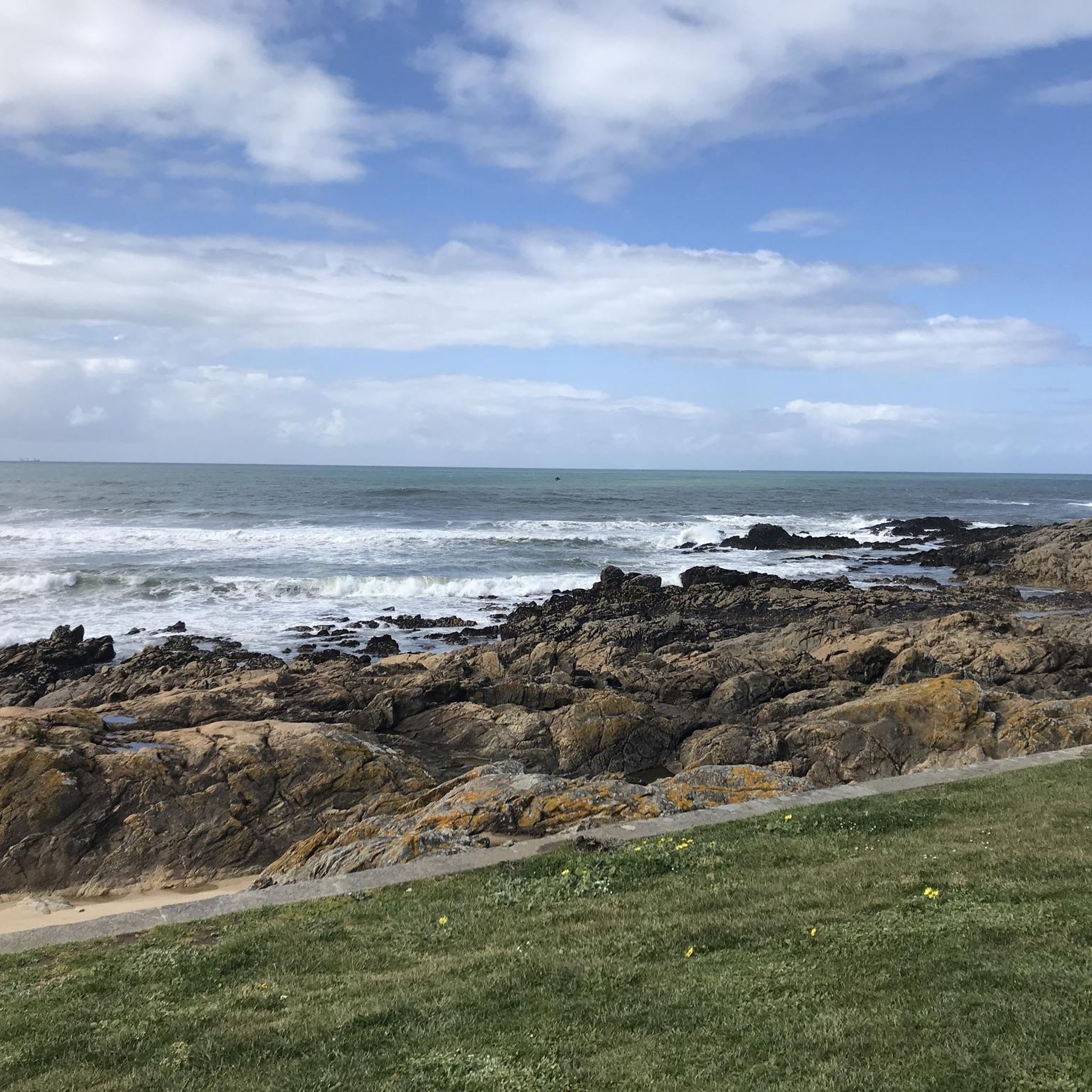
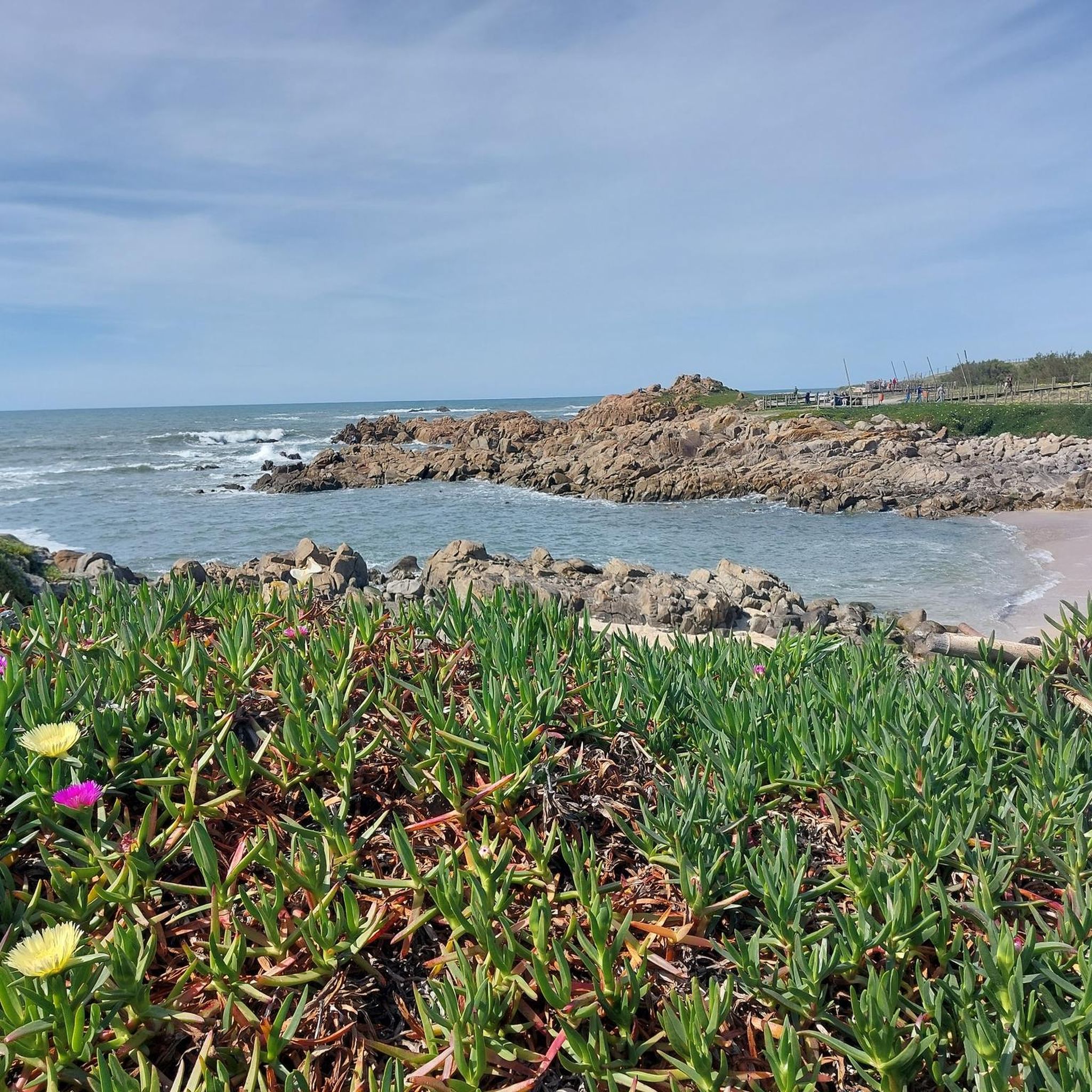
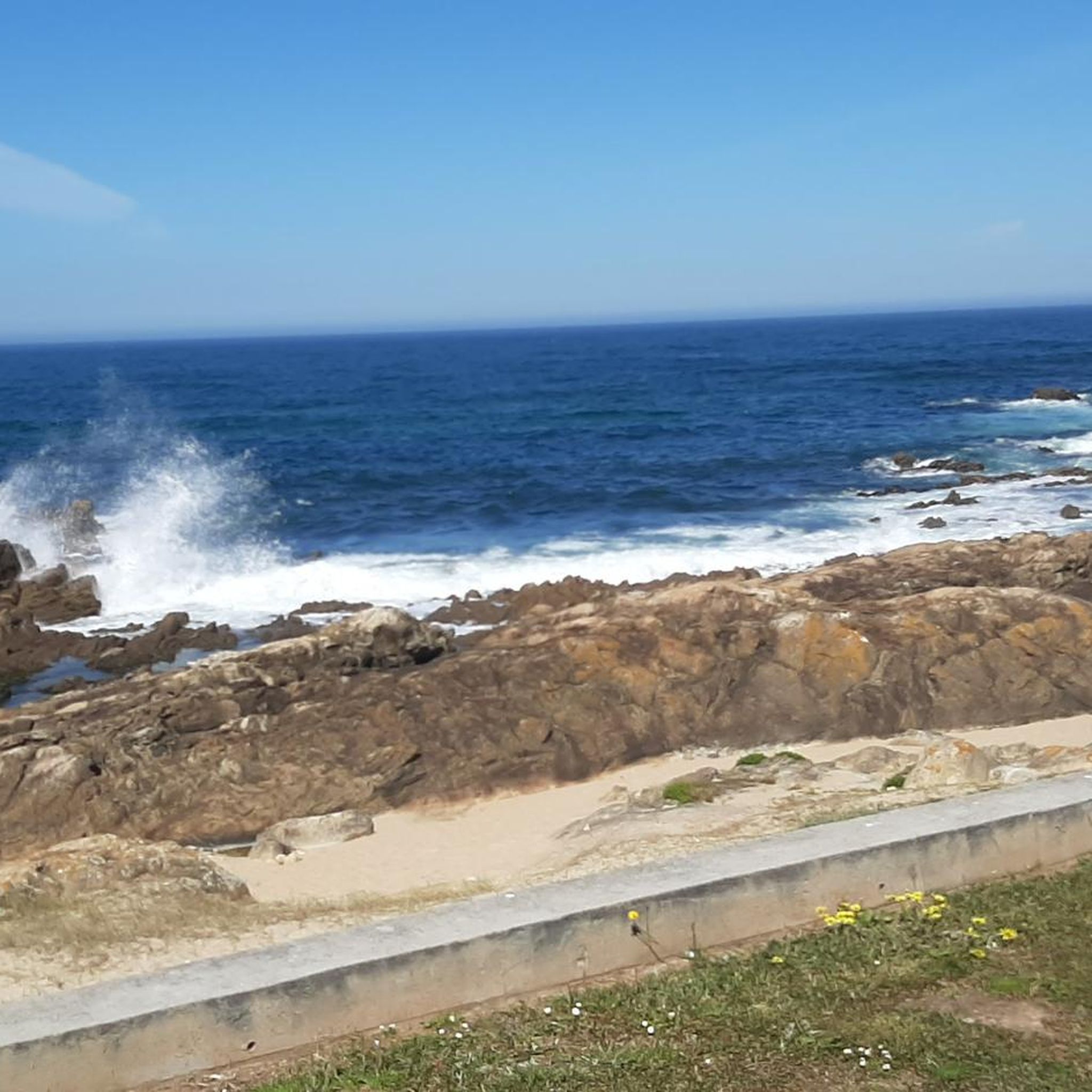
Best natural monuments around Matosinhos include a variety of coastal features and urban green spaces. The region's Atlantic coastline offers diverse beach environments and unique rock formations. Matosinhos is known for its strong connection to the sea, providing both scenic enjoyment and opportunities for recreation. These natural features are often integrated with urban development, highlighting a blend of natural landscape and architecture.
Best natural monuments around Matosinhos
- The most popular natural monuments is Infante Dom Henrique Garden, a natural…
Last updated: May 18, 2026
Infante Dom Henrique Garden
Highlight • Natural Monument
Translated by Google •
Tip by

Gardens of the Crystal Palace
Highlight • Natural
Translated by Google •
Tip by

Sign up now to discover places like this
Get recommendations on the best single tracks, peaks, & plenty of other exciting outdoor places.
Sign up for free
Plane Trees at Jardim da Cordoaria
Highlight • Natural Monument
Translated by Google •
Tip by
Jardim de João Chagas 🌳 Porto
Highlight • Natural
Inside you can also see various …
Translated by Google •
Tip by
Senhor do Padrão Garden
Highlight • Monument
Translated by Google •
Tip by

Sign up for free to discover even more natural monuments around Matosinhos.
Sign up for free
Already have an account?
Start today with a free account
Your next adventure awaits.
Login or Signup
Tips from the Community

The Cordoaria Garden, also known as the João Chagas Garden, is an example of how gardens represent an important nature-based solution in the urban environment. This green space, founded in 1865, combines historical elements with modern sustainable practices. Recently, a requalification was carried out that included improving the rainwater drainage system, replacing public lighting with more efficient options, and restoring and waterproofing the existing lake. In addition, the replacement of pavements with gravel and the planting of new landscaped areas reinforce support for local biodiversity and promote rainwater infiltration, reducing the risk of flooding in the area. This garden has about 160 trees, several classified as being of public interest, namely the Plane Tree Avenue, the Linden Tree Walk, American Oaks (some centuries old), Araucarias, Cedars and Sequoias, which throughout the year present its visitors with various colors and contrasts. Beyond its environmental function, it also has an important social function, being a thoroughfare for many visitors and residents, surrounded by a museum, university campuses, a hospital, and important tourist attractions in the city. It is a true green lung in the urban center of Porto. Various cultural events and activities take place in this garden, combining nature with the various needs of the population in that area. Ecological functions Improvement of quality of life; Promotion of biodiversity; Reduction of extreme weather events; Noise reduction; Regulation of air quality; Temperature regulation; Regulation of floods and inundations; Carbon sequestration
1
0

The plane trees in the Jardim da Cordoaria in Porto are one of the most striking features of this historic park. These are specimens of Platanus × hispanica (European plane), planted in the 19th century, which form two monumental rows along the garden's paths.
3
0
The Crystal Palace Gardens (Jardins do Palácio de Cristal) are one of Porto's most beautiful and iconic green spaces, ideal for strolling, relaxing, and enjoying spectacular views of the Douro River and the Atlantic Ocean.
2
0
The Crystal Palace Gardens in Porto are one of the city's most iconic and romantic green spaces, ideal for strolling, relaxing, and enjoying spectacular views of the Douro River and the Atlantic Ocean.
4
0

The lower part of the trunks is massively thickened. Is this a tree disease or what's going on here?
0
1

Free entry to the garden.
5
1

The name "Palácio de Cristal" comes from the old palace that once stood on the site, which was demolished in 1951. Today, the gardens are a place of great cultural and tourist importance for the city of Porto. The Jardins do Palácio de Cristal are a complex of public gardens located in the city centre of Porto, Portugal. It was created in 1860 and is considered one of the most important urban gardens in Europe.
2
1
The Crystal Palace, designed by the English architect Thomas Dillen Jones, was built in granite, iron and glass, using the Crystal Palace in London as its model. It measured 150 metres long by 72 metres wide and was divided into three naves. Its construction began in 1861, and it was inaugurated on 18 September 1865 by King Luís. It was designed to host the great Porto International Exhibition, organised by the then Associação Industrial Portuense, now the Associação Empresarial de Portugal. The Industrial Exhibition, in addition to the official visit of King D. Luís, Dona Maria Pia and the Crown Prince, also had 3,139 exhibitors, of which 499 were French, 265 German, 107 British, 89 Belgian, 62 Brazilian, 24 Spanish, 16 Danish and also representatives from Russia, the Netherlands, Turkey, the United States and Japan. Over its 86 years of existence, the Palácio de Cristal hosted many other exhibitions, including the rose exhibition in 1879, the agricultural exhibition in 1903 and the Portuguese Colonial Exhibition, which opened in June 1934. From this last exhibition, the Monument to the Portuguese Colonization Effort survives, currently located at the western end. from Avenida do Marechal Gomes da Costa. The Crystal Palace was also an important cultural space, containing a pipe organ that was one of the largest in the world. It was in this palace that important concerts by the composer Viana da Mota and the virtuoso cellist Guilhermina Suggia were held. The palace was destroyed in 1951, and in its place a reinforced concrete nave was built, which was given the name of Sports Pavilion, according to a project by architect José Carlos Loureiro and engineer António dos Santos Soares and on the pretext of the Roller Hockey World Championship. The building was demolished in less than a year, with the pipe organ being destroyed with a hammer. Due to popular protests against the demolition, the name Crystal Palace has survived to this day.
2
0
Frequently Asked Questions
What unique natural features can I explore in Matosinhos?
Matosinhos is defined by its Atlantic coastline, offering diverse natural features. You can explore the unique Piscina das Marés, natural saltwater pools integrated into a rocky outcrop. The coastline also features expansive sandy beaches like Praia de Matosinhos and Praia de Leça da Palmeira, as well as distinct rocky formations at places like Senhora da Boa Nova Beach.
Are there any family-friendly natural monuments in Matosinhos?
Yes, several natural monuments in Matosinhos are suitable for families. The Piscina das Marés provides a safe, controlled environment for swimming. Urban green spaces like the Infante Dom Henrique Garden and the Gardens of the Crystal Palace offer pleasant pathways and open spaces for all ages.
What kind of outdoor activities can I do near Matosinhos' natural monuments?
The coastal setting of Matosinhos provides excellent opportunities for various outdoor activities. You can enjoy coastal walks, sunbathing, and surfing on the expansive beaches. For more structured activities, there are numerous routes for running, mountain biking, and hiking. For example, you can find running trails, MTB trails, and easy hikes that explore the region's natural beauty.
How do Matosinhos' natural monuments blend with historical sites?
Matosinhos uniquely integrates natural landscapes with historical elements. A prime example is the Piscina das Marés, an architectural masterpiece by Álvaro Siza Vieira, which harmoniously blends with the natural rocky coastline. Additionally, the 17th-century Castelo do Queijo stands on a distinct granite rock formation, showcasing where geology meets history. The Infante Dom Henrique Garden, created in 1885, also pays homage to a key historical figure within a serene natural setting.
Are there any urban gardens or parks considered natural monuments in Matosinhos?
Yes, Matosinhos and its vicinity feature several significant urban green spaces. The Infante Dom Henrique Garden, established in 1885, offers a serene escape with lush greenery. The Gardens of the Crystal Palace provide numerous gardens and viewpoints over the river and city. Another notable spot is the Jardim de João Chagas 🌳 Porto, a pleasant urban park with various sculptures and historic trees like the Plane Trees at Jardim da Cordoaria.
What is the best time of year to visit Matosinhos for its natural monuments?
The Atlantic coastline of Matosinhos is enjoyable throughout much of the year. The warmer months, typically from late spring to early autumn (May to October), are ideal for beach activities, swimming in the Piscina das Marés, and coastal walks. During these months, the weather is generally pleasant for exploring the urban gardens and viewpoints. However, the natural beauty of the rocky formations and ocean views can be appreciated in any season.
Are there any natural monuments in Matosinhos that offer great viewpoints?
Yes, Matosinhos offers several locations with excellent views. Senhora da Boa Nova Beach, with its rocky formations, provides an excellent viewpoint of the Matosinhos coastline. The Gardens of the Crystal Palace are renowned for their various viewpoints overlooking the river and the city. Additionally, the Jardim de João Chagas 🌳 Porto, while an urban park, also offers pleasant perspectives within the city.
What do visitors enjoy most about the natural monuments in Matosinhos?
Visitors frequently appreciate the harmonious blend of natural beauty and urban integration. The unique architectural design of the Piscina das Marés is a particular highlight. Many enjoy the serene escape offered by the lush greenery and inviting pathways of gardens like the Infante Dom Henrique Garden, as well as the beautiful views from places like the Gardens of the Crystal Palace. The expansive beaches and coastal rock formations also draw visitors for their scenic enjoyment and recreational opportunities.
Is there a natural monument in Matosinhos with religious or cultural significance?
Yes, the Senhor do Padrão Garden is home to a monument with significant religious and cultural importance. This 1758 dome, now classified as a National Monument, marks the legendary spot where the image of Bom Jesus de Matosinhos appeared. It serves as a link between the Matosinhos waterfront and the fishing center, offering a blend of natural setting and deep local heritage.
Are there any natural monuments in Matosinhos that are particularly good for photography?
The natural monuments in Matosinhos offer diverse photographic opportunities. The architectural and natural blend of the Piscina das Marés provides stunning lines and ocean backdrops. The rocky formations at Senhora da Boa Nova Beach and the expansive sandy beaches are perfect for capturing coastal landscapes. Urban gardens like the Gardens of the Crystal Palace offer picturesque views and lush greenery, while the ancient Plane Trees at Jardim da Cordoaria present unique natural structures.
What are the main types of natural monuments found in the Matosinhos area?
The natural monuments around Matosinhos primarily consist of coastal features and urban green spaces. The coastline is characterized by unique rock formations, such as those at the Piscina das Marés and Senhora da Boa Nova Beach, alongside expansive sandy beaches. Inland, you'll find historical urban gardens and parks like the Infante Dom Henrique Garden and the Gardens of the Crystal Palace, which serve as green lungs within the urban environment.
Most popular attractions around Matosinhos

Get inspired with the komoot mobile app


Explore more
Extend your search for the best caves by checking out these guides of the top ones around Matosinhos:
