Top 8 Natural Monuments around Foz Do Sousa
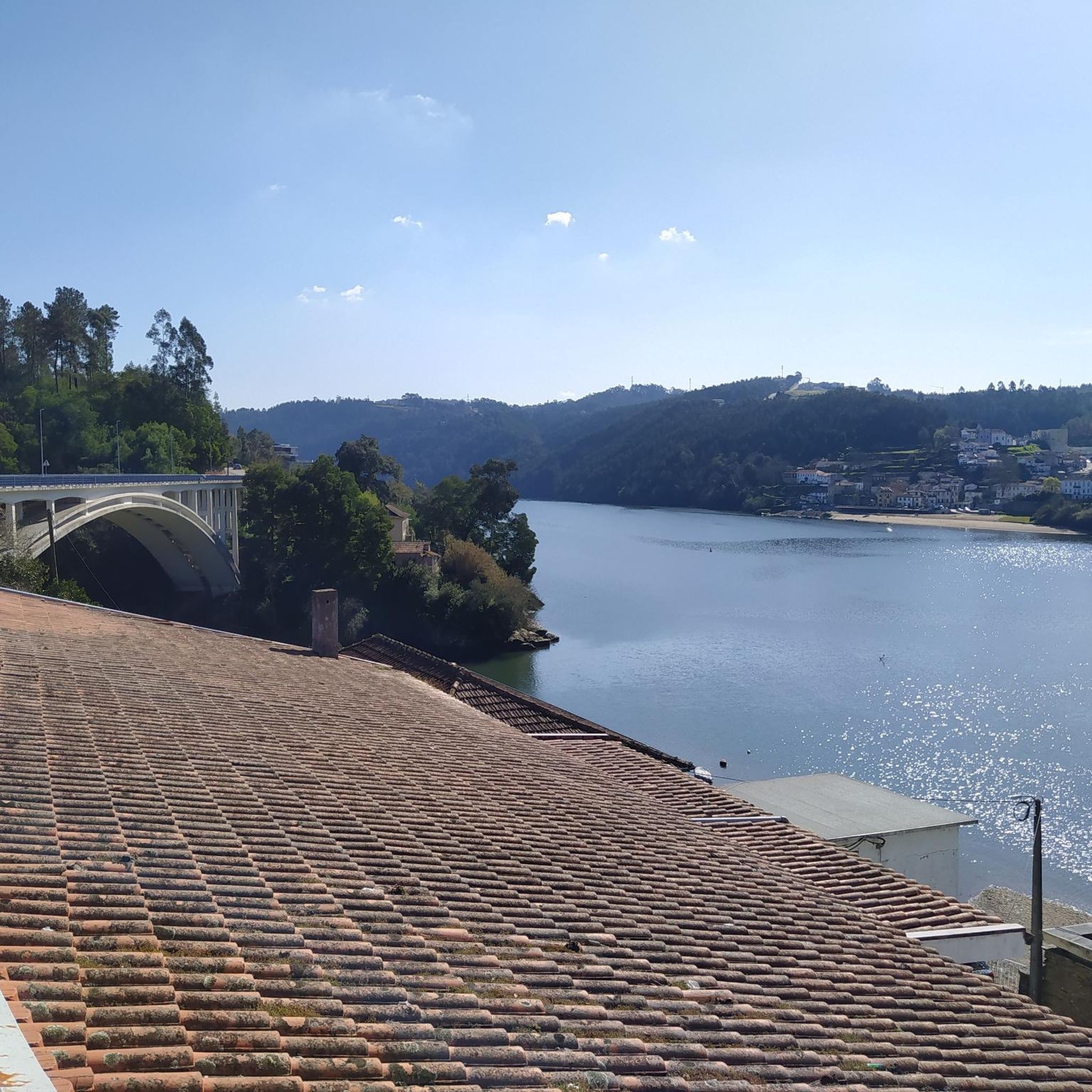
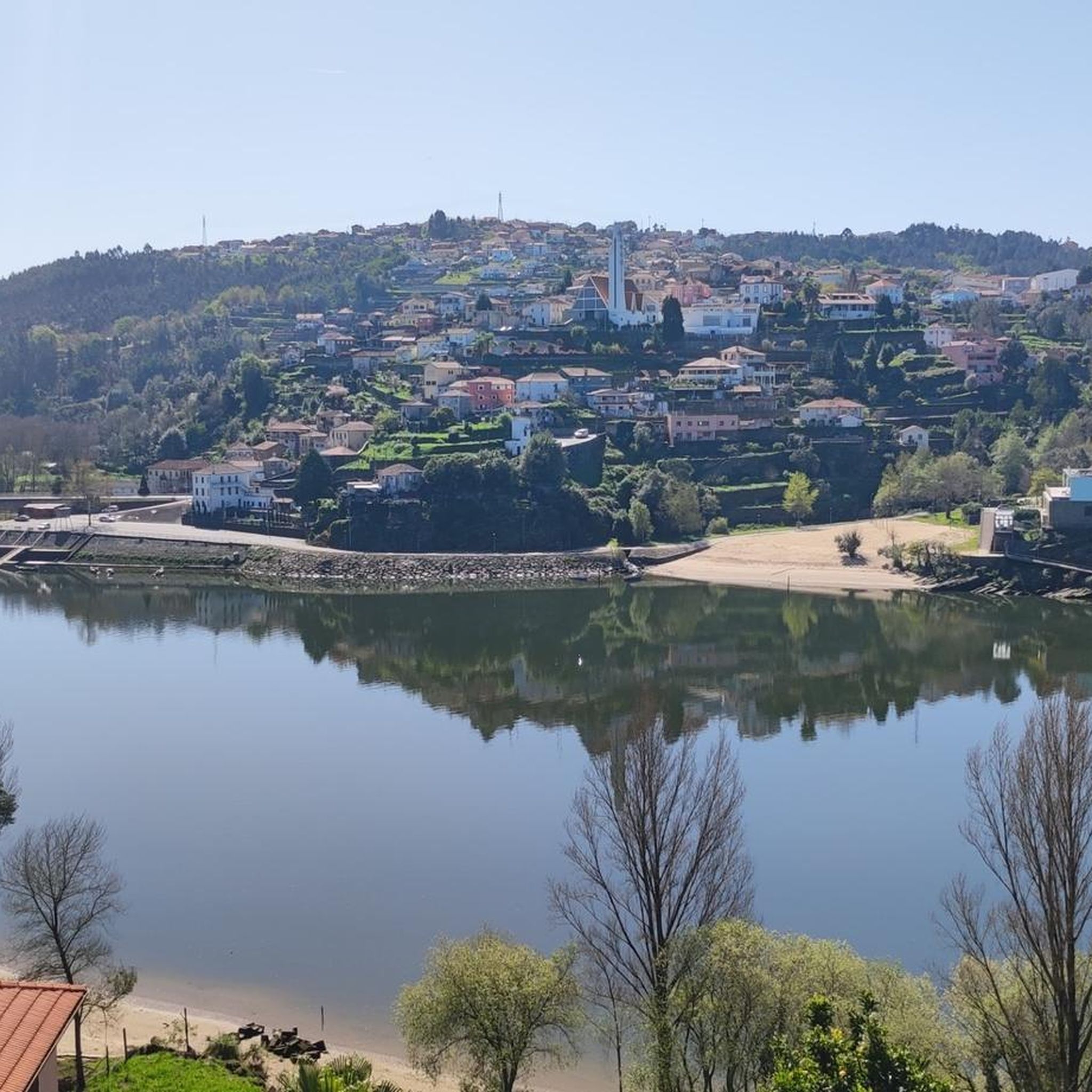
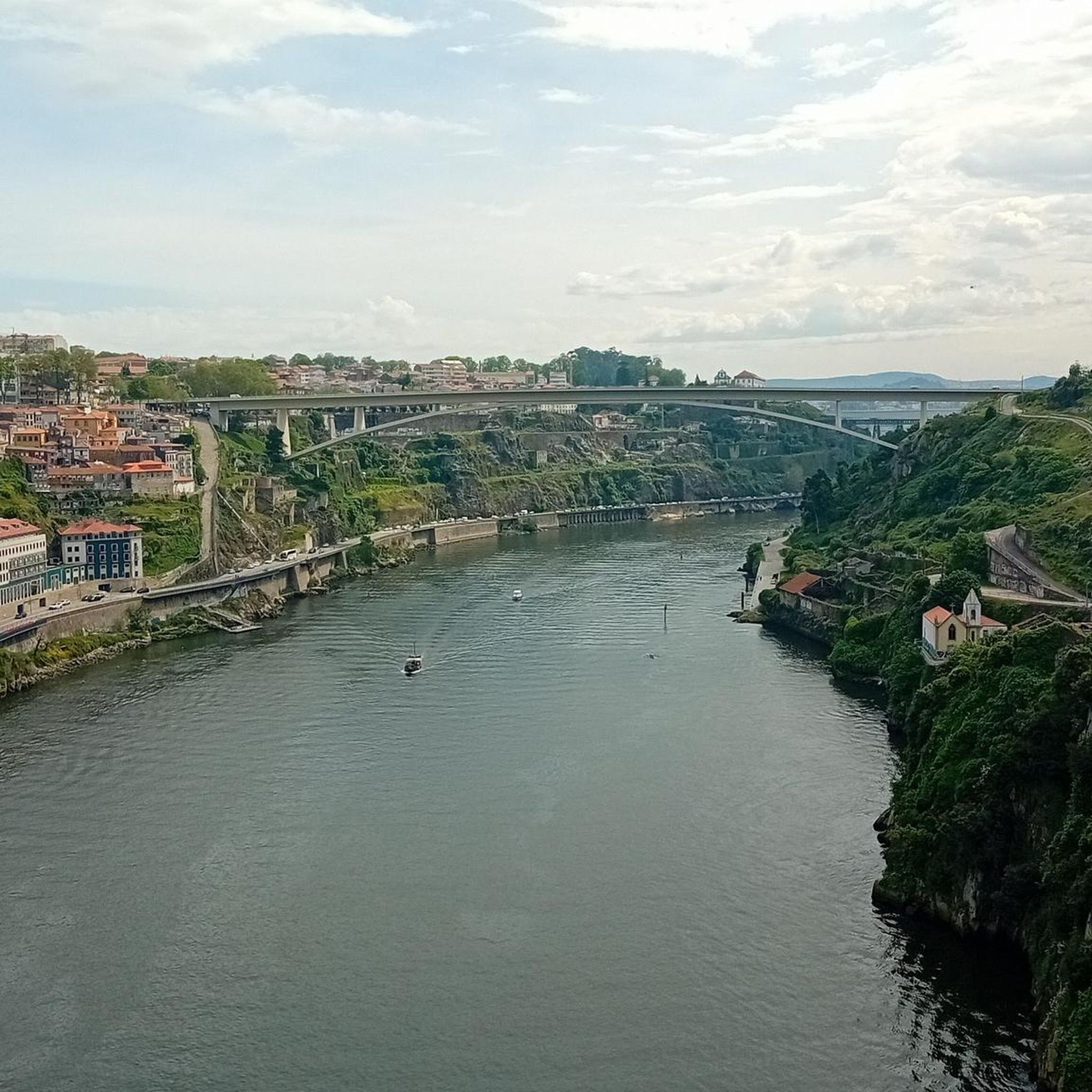
Best natural monuments around Foz Do Sousa are found in a region characterized by its location at the confluence of the Sousa and Douro Rivers in Gondomar, Portugal. This area offers diverse natural features, from river landscapes to elevated viewpoints. The local terrain provides opportunities for exploring ecological areas and scenic spots. Visitors can discover a variety of natural attractions within the broader Gondomar municipality.
Best natural monuments around Foz Do Sousa
- The most popular natural monuments is Senhora do Salto Waterfall, a waterfall that features great climbing walls with many routes. This location is known as a spectacular place for climbing.
- Another must-see spot is Pico da Serra de Santa Justa, a summit that is the highest point on the ridge of the Serra de Santa Justa. Along its quartzite ridges, the view offers an impressive panorama of the surrounding landscape.
- Visitors also love Infante Dom Henrique Garden, a natural monument offering lush greenery and inviting pathways. This garden provides a serene escape and pays homage to a key historical figure.
- Foz Do Sousa is known for its waterfalls, summits, and gardens. The region offers a variety of natural monuments to see and explore, including diverse landscapes and historical green spaces.
- The natural monuments around Foz Do Sousa are appreciated by the komoot community, with over 120 upvotes and 45 photos shared by visitors.
Last updated: June 29, 2026
Infante Dom Henrique Garden
Highlight • Natural Monument
Translated by Google •
Tip by

Plane Trees at Jardim da Cordoaria
Highlight • Natural Monument
Translated by Google •
Tip by
Sign up now to discover places like this
Get recommendations on the best single tracks, peaks, & plenty of other exciting outdoor places.
Sign up for free
Jardim de João Chagas 🌳 Porto
Highlight • Natural
Inside you can also see various sculptures and busts, such as those of Juan Muñoz, Antonio Nobre or Ramalho Ortigao.
Translated by Google •
Tip by
Pico da Serra de Santa Justa
Highlight • Summit
Translated by Google •
Tip by

Senhora do Salto Waterfall
Highlight • Waterfall
Translated by Google •
Tip by

Sign up for free to discover even more natural monuments around Foz Do Sousa.
Sign up for free
Already have an account?
Start today with a free account
Your next adventure awaits.
Login or Signup

Tips from the Community

The Cordoaria Garden, also known as the João Chagas Garden, is an example of how gardens represent an important nature-based solution in the urban environment. This green space, founded in 1865, combines historical elements with modern sustainable practices. Recently, a requalification was carried out that included improving the rainwater drainage system, replacing public lighting with more efficient options, and restoring and waterproofing the existing lake. In addition, the replacement of pavements with gravel and the planting of new landscaped areas reinforce support for local biodiversity and promote rainwater infiltration, reducing the risk of flooding in the area. This garden has about 160 trees, several classified as being of public interest, namely the Plane Tree Avenue, the Linden Tree Walk, American Oaks (some centuries old), Araucarias, Cedars and Sequoias, which throughout the year present its visitors with various colors and contrasts. Beyond its environmental function, it also has an important social function, being a thoroughfare for many visitors and residents, surrounded by a museum, university campuses, a hospital, and important tourist attractions in the city. It is a true green lung in the urban center of Porto. Various cultural events and activities take place in this garden, combining nature with the various needs of the population in that area. Ecological functions Improvement of quality of life; Promotion of biodiversity; Reduction of extreme weather events; Noise reduction; Regulation of air quality; Temperature regulation; Regulation of floods and inundations; Carbon sequestration
1
0

The plane trees in the Jardim da Cordoaria in Porto are one of the most striking features of this historic park. These are specimens of Platanus × hispanica (European plane), planted in the 19th century, which form two monumental rows along the garden's paths.
3
0

The lower part of the trunks is massively thickened. Is this a tree disease or what's going on here?
0
1

This is the highest point on the ridge of the Serra de Santa Justa. Along the quartzite ridges, the view opens up into an impressive panorama, revealing the grandeur of the landscape in all directions.
2
1
It has great climbing walls with some roofs and many routes, a spectacular place to climb
0
0


You can relax for a while in the small park. Very nicely laid out
4
1

The Jardim do Infante D. Henrique in Porto was created in 1885 and accompanied the revitalization of an area that was the city's commercial center, with the Palácio da Bolsa as its mainstay. The garden has undergone several transformations over the years and now features an underground parking garage. It is located in a lively area surrounded by important city buildings such as the Palácio da Bolsa, the Mercado Ferreira Borges, and the Instituto do Vinho do Porto. The Praça do Infante D. Henrique, where the garden is located, is named after Infante D. Henrique, considered one of the most important figures of the early Portuguese voyages of discovery and believed to have been born nearby in 1394, in the so-called Casa do Infante. This historic site was part of the grounds of the Convento de São Domingos and was acquired by the Associação Comercial do Porto for urban development following the victory of liberalism in the Portuguese Civil War and the subsequent dissolution of the male religious orders in 1834. In 1894, the first stone column was placed for the monument to Infante Dom Henrique, which was inaugurated in 1900. The square was renovated as part of the Sociedade Porto projects in 2001, including the creation of an underground car park with 319 spaces and the redesign of the green area.
5
0
Frequently Asked Questions
What are some of the most notable natural features to explore around Foz do Sousa?
While Foz do Sousa itself is known for its river confluence, the broader region offers diverse natural attractions. You can visit the impressive Salto do Sousa waterfall, explore the rich biodiversity of the Sousa River Basin, or enjoy panoramic views from Monte Crasto. The tranquil Praia Fluvial de Zebreiros river beach and the scenic Douro River Landscape also provide excellent natural experiences. Don't miss the unique views from the "Cu Grande" Swing.
Are there any officially designated natural monuments in Foz do Sousa?
Within Foz do Sousa itself, there are no explicitly designated 'natural monuments' with official protective statuses. However, the surrounding Gondomar area and neighboring municipalities feature several significant natural attractions recognized for their ecological, scenic, and recreational value, such as the Sousa River Basin and Monte Crasto.
What are the most popular natural monuments mentioned in the guide?
The guide highlights several popular spots. The most popular is Senhora do Salto Waterfall, known for its climbing walls. Another must-see is Pico da Serra de Santa Justa, offering impressive panoramic views. Visitors also appreciate Infante Dom Henrique Garden for its lush greenery and historical significance.
Are there family-friendly natural monuments or trails in the area?
Yes, several natural spots are suitable for families. The Infante Dom Henrique Garden and the Plane Trees at Jardim da Cordoaria are both categorized as family-friendly, offering pleasant environments for strolls. The tranquil Praia Fluvial de Zebreiros river beach is also a great spot for families to relax by the water.
What kind of hiking trails can I find near these natural monuments?
The region offers a variety of hiking trails. For example, you can find easy to moderate routes around the Senhora do Salto Waterfall, such as the 'Senhora do Salto Waterfall – View of Nossa Senhora do Salto loop'. Other trails, like 'Moinhos de Jancido – Ponte de Longras loop', offer moderate challenges. You can explore more options in the Hiking around Foz Do Sousa guide.
Are there any natural monuments with good viewpoints?
Absolutely. Pico da Serra de Santa Justa is the highest point on its ridge and provides an impressive panorama of the surrounding landscape. Monte Crasto, the highest point in Gondomar, also offers magnificent panoramic views over the municipalities and the Douro River. The informal "Cu Grande" Swing is another popular spot for privileged views over Branzelo and the Douro.
Can I bring my dog to the natural monuments and trails?
Many natural areas and trails in the region are generally dog-friendly, especially those in more open, natural settings like the Sousa River Basin or hiking paths. However, it's always advisable to keep your dog on a leash and check for specific signage at gardens or more structured sites like Infante Dom Henrique Garden regarding pet policies.
What is the best time of year to visit the natural monuments around Foz do Sousa?
The region's natural beauty can be enjoyed year-round. Spring and autumn offer pleasant temperatures for hiking and exploring, with lush greenery and comfortable weather. Summer is ideal for enjoying river beaches like Praia Fluvial de Zebreiros and riverside activities. Even winter can be beautiful, especially for crisp walks and enjoying the serene landscapes, though some trails might be muddier.
Are there any natural monuments that are good for wildlife spotting?
The Sousa River Basin is particularly rich in biodiversity, home to over 550 species of flora and fauna, including endemic and protected species. This makes it an excellent area for those interested in local wildlife and plant life. Exploring trails along the river can offer opportunities to observe various species in their natural habitat.
Where can I find easy hiking routes near Foz do Sousa's natural attractions?
For easier routes, consider the trails around Senhora do Salto Waterfall, such as the 'Senhora do Salto Waterfall – View of Nossa Senhora do Salto loop', which is rated as easy. The Easy hikes around Foz Do Sousa guide provides more options for less strenuous walks.
What facilities are available at the natural monuments?
Facilities vary by location. Urban green spaces like Jardim de João Chagas often have amenities such as benches and sometimes cafes nearby. More remote natural features like Salto do Sousa or Monte Crasto might have limited facilities, so it's best to come prepared with water and snacks. River beaches like Praia Fluvial de Zebreiros may offer basic amenities during peak season.
Are there opportunities for climbing near the natural monuments?
Yes, the Senhora do Salto Waterfall is particularly renowned for its climbing opportunities. It features great climbing walls with various routes, making it a spectacular place for climbers of different skill levels.
Most popular attractions around Foz Do Sousa

Get inspired with the komoot mobile app


Explore more
Extend your search for the best caves by checking out these guides of the top ones around Foz Do Sousa:
