Top 14 Natural Monuments around Campolide
Best natural monuments around Campolide include a variety of green spaces and viewpoints that offer natural beauty and recreational opportunities within Lisbon's urban fabric. While Campolide itself is an urban neighborhood, its proximity to extensive parks and its own local green areas provide valuable natural escapes. These areas contribute to the city's ecological balance and offer tranquil environments for outdoor activities. Visitors can explore diverse landscapes, from manicured gardens to expansive forest parks, providing a range of experiences for nature…
Last updated: August 23, 2026
Monument to the Overseas Combatants 🏛️ Belém
Highlight • Monument
Translated by Google •
Tip by

Eduardo VII Park Viewpoint
Highlight • Viewpoint
Translated by Google •
Tip by

Sign up now to discover places like this
Get recommendations on the best single tracks, peaks, & plenty of other exciting outdoor places.
Sign up for free
Sanctuary of Christ the King (Santuário de Cristo Rei)
Highlight • Monument
Translated by Google •
Tip by

University of Lisbon Botanical Garden
Highlight • Forest
Translated by Google •
Tip by
Monumental Fountain at Praça do Império
Highlight • Monument
Translated by Google •
Tip by

Sign up for free to discover even more natural monuments around Campolide.
Sign up for free
Already have an account?
Start today with a free account
Your next adventure awaits.
Login or Signup
Tips from the Community

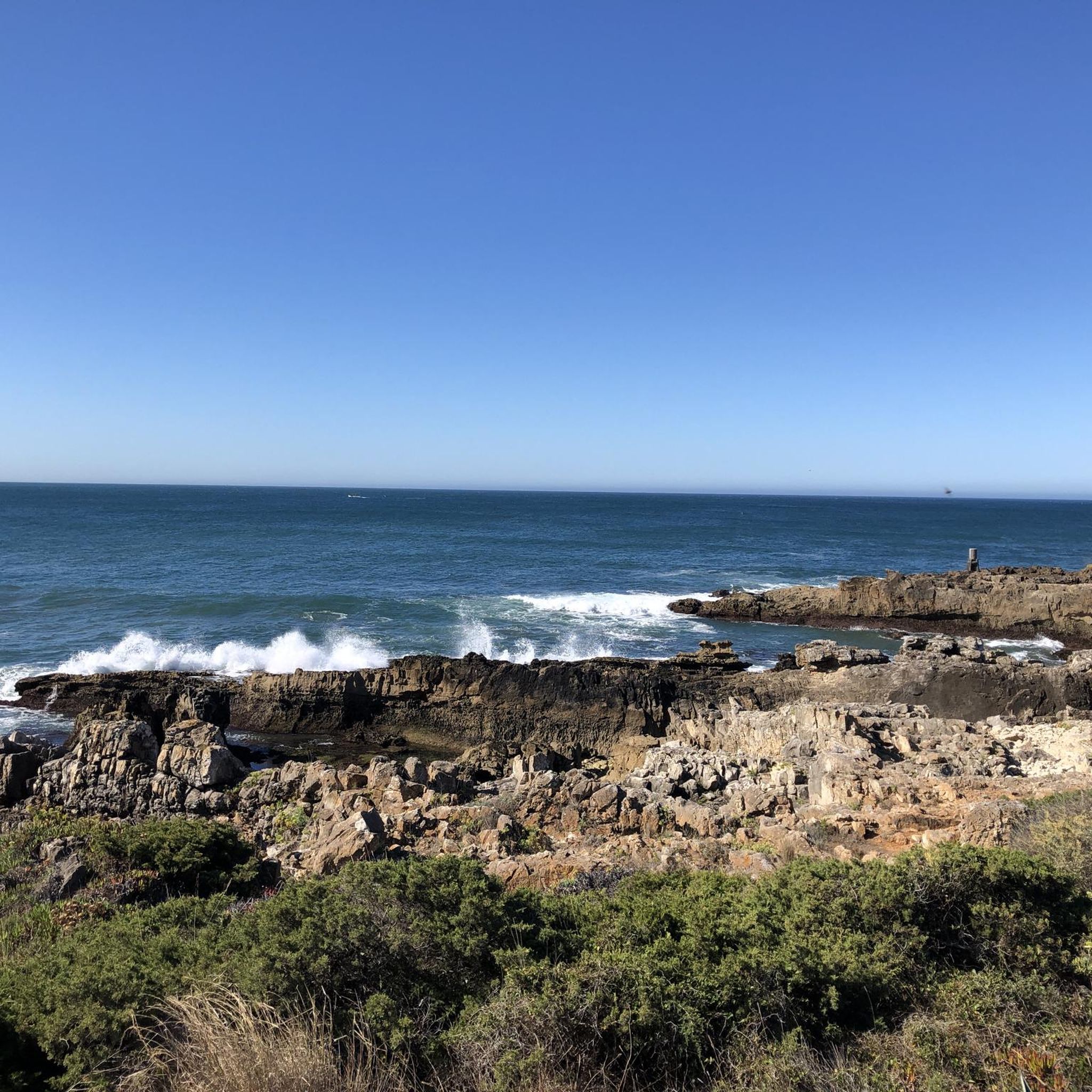
Located in the Belem district, it was inaugurated in 1994 to honor the Portuguese soldiers (10,000) who fought and died in the colonial wars.
2
0

Eduardo VII Park stretches like a large green ribbon up the hill, offering plenty of space to breathe with its lawns and paths. From the top, you have a stunning view across Avenida da Liberdade all the way down to the Tagus River. Perfect for a quiet break, a picnic, or a relaxing stroll in nature right in the heart of Lisbon.
4
1

The Lisbon Botanical Garden, located in the parish of São Mamede, is one of the city's oldest and most important green spaces, with a rich history linked to scientific research and botanical conservation. Founded in 1873 at the initiative of Count Ficalho and Andrade Corvo, professors at the Lisbon Polytechnic School. Officially inaugurated in 1878, it was conceived as a scientific garden to support teaching and research in botany. It is part of the National Museum of Natural History and Science of the University of Lisbon.
3
0

The square Jardim da Praça do Império park is bordered by the Jerónimos Monastery (to the north), the Jardim de Belém and Jardim Afonso de Albuquerque parks (to the east), Avenida da Índia and the Cascais railway line (to the south), and the Belém Cultural Center (to the west). The Monument to the Discoveries (Padrão dos Descobrimentos) (to the south) and the Belém Palace (Palácio de Belém) (to the northeast) are also located nearby. José Ângelo Cottinelli Telmo designed the square, along with the monumental fountain (Fonte Monumental), in honor of the Portuguese colonial empire for the 1940 Exposition Internationale des Português (Portuguese World Exhibition). The central fountain has a diameter of almost 30 meters. The surrounding green spaces feature plants arranged to represent the coats of arms of 32 former provinces of the colonial empire. https://de.wikipedia.org/wiki/Pra%C3%A7a_do_Imp%C3%A9rio
1
1
The Monument to Overseas Combatants is a solemn tribute to the Portuguese soldiers who lost their lives during the Portuguese Colonial War (also known as the Overseas War), which took place between 1961 and 1974 in Africa.
21
0
Eduardo VII Park is one of Lisbon's most iconic green spaces, located just north of Marquis of Pombal Square and Avenida da Liberdade. It's an ideal place to stroll, relax, and enjoy spectacular views of the city.
10
0

Lisbon's central park was named as a tribute to the English monarch Edward VII, who visited Lisbon in 1903, five centuries after the Anglo-Portuguese Alliance. It ascends one of the city's hills and provides a wonderful view from the top. It's made up of symmetrical box hedging and a variety of plants, most of them found inside a cool and heated greenhouse from the 1930s, which is filled with exotic species from tropical climates. This greenhouse is one of the most important green spaces in Lisbon, considered an authentic living museum, with its small lakes and waterfalls, statuary, and hundreds of species of plants.
6
0
In a botanical garden, plants are kept looking as close as possible to what they would have in nature, without excessive human intervention (for example, pruning or cutting dry leaves). On the other hand, this ‘hands-off’ option encourages small ecosystems where insects and small animals, other plants, fungi and lichens, which are extremely important for urban biodiversity, live. In the summer, we only water what is essential. Water is a precious commodity, especially in a country like Portugal. Therefore, it is possible that water circulation is limited and that the undergrowth may become drier, especially in the summer. This is a deliberate option that does not put the plants at risk. The presence of the Garden in the heart of Lisbon mitigates the effects of rising temperatures, promoting its own microclimate and the capture of carbon dioxide.
0
1
Frequently Asked Questions
What types of natural monuments can I find around Campolide?
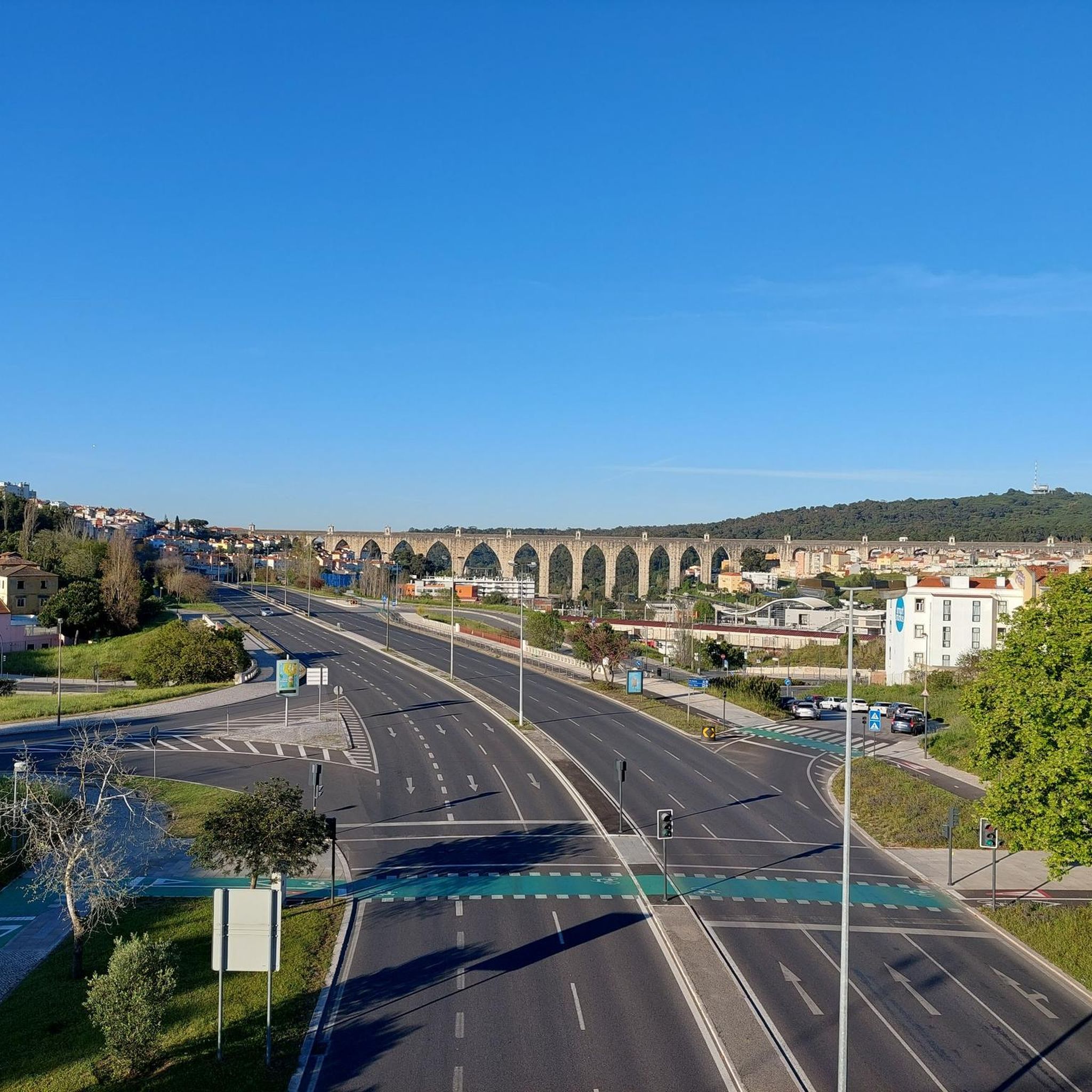
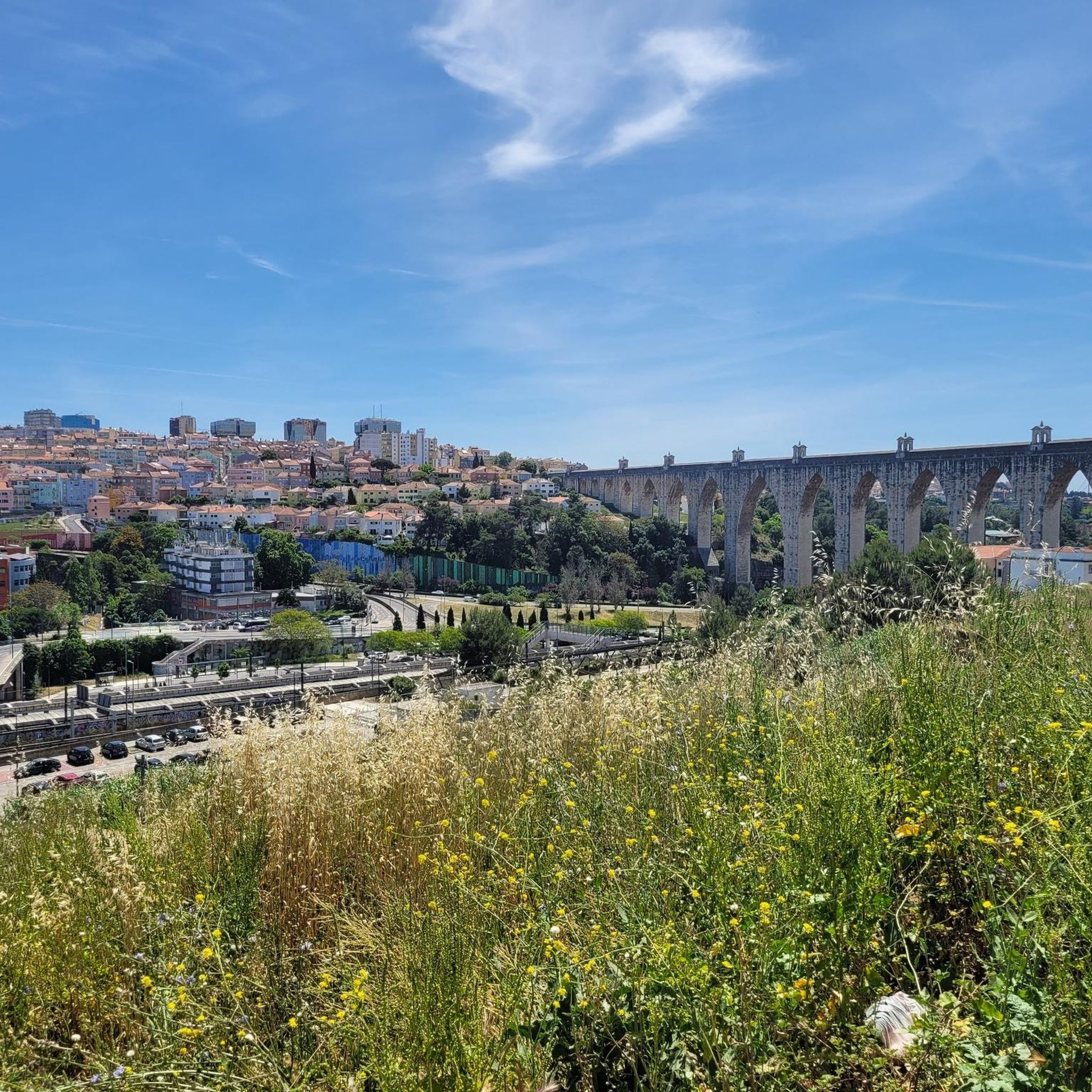
While Campolide is an urban neighborhood, the surrounding area offers a variety of green spaces and viewpoints. You can explore extensive forest parks like Monsanto, beautifully manicured gardens such as Parque Eduardo VII, and historical sites integrated with green areas like Jardim do Aqueduto das Águas Livres. The region also features several local parks for relaxation and recreation.
Are there any prominent viewpoints to enjoy the scenery near Campolide?
Yes, the area is known for its impressive viewpoints. A must-see is the Eduardo VII Park Viewpoint, offering spectacular vistas of Lisbon stretching down to the Tagus River. Another significant spot is the Sanctuary of Christ the King (Santuário de Cristo Rei), which, despite being a man-made monument, stands on a high pedestal providing panoramic views of Lisbon and the Tagus.
What historical or cultural sites are considered natural monuments in this area?
The Monument to the Overseas Combatants 🏛️ Belém is a significant historical site that serves as a solemn tribute to Portuguese soldiers, located next to the Forte do Bom Sucesso. Additionally, the Jardim do Aqueduto das Águas Livres combines natural beauty with the historical significance of the impressive Baroque-era aqueduct, offering unique views.
Are there family-friendly natural monuments around Campolide?
Absolutely. Many green spaces and viewpoints are suitable for families. The Eduardo VII Park Viewpoint and the Sanctuary of Christ the King (Santuário de Cristo Rei) are both family-friendly. The University of Lisbon Botanical Garden offers a serene environment for all ages, and local parks like Alto de Serafina Park provide play areas for children.
What outdoor activities can I do near these natural monuments?
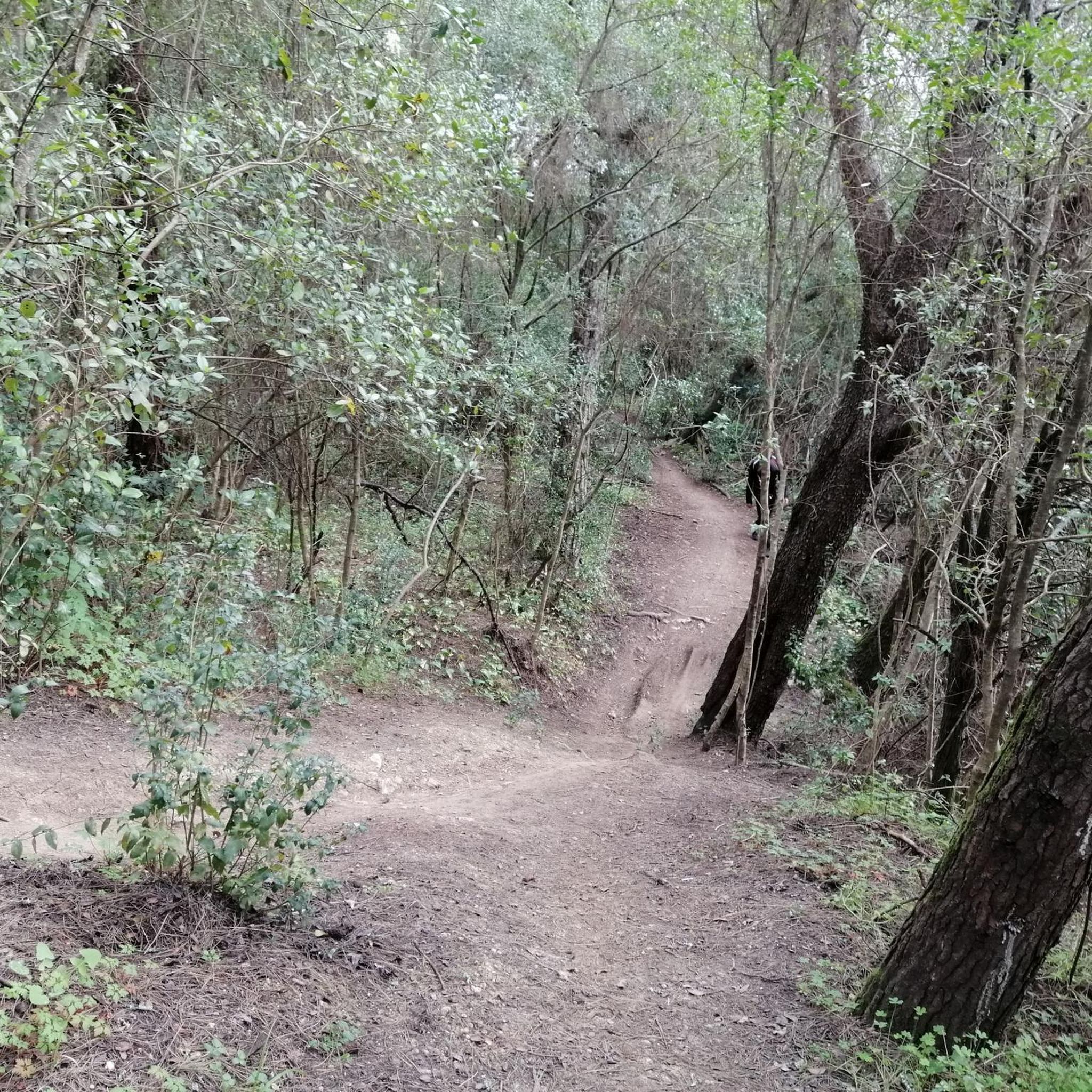
The proximity to Monsanto Forest Park means there are ample opportunities for outdoor activities. You can find numerous MTB trails, including routes like the 'Montes Claros Viewpoint – Monsanto Forest Park loop'. For runners, there are several running trails, such as the 'Trilho Azul — circular route Parque Florestal de Monsanto'. Hikers can also enjoy easy hikes in the area.
Are there hiking trails near the natural monuments around Campolide?
Yes, there are several hiking opportunities. Monsanto Forest Park, often called Lisbon's 'green lung,' features numerous trails. For an easy option, consider the 'Trilho Azul — circular route Parque Florestal de Monsanto'. You can find more details on various hiking routes around Campolide.
Which natural monuments are wheelchair accessible?
The Eduardo VII Park Viewpoint is wheelchair accessible, allowing everyone to enjoy its spectacular city views. The Monument to the Overseas Combatants 🏛️ Belém is also designed to be wheelchair friendly, ensuring accessibility to this important historical site.
What is the University of Lisbon Botanical Garden like?
The University of Lisbon Botanical Garden is one of the city's oldest and most important green spaces. It's a scientific garden founded in 1873, dedicated to botanical research and conservation. It maintains plants in a natural state, fostering small ecosystems crucial for urban biodiversity. It also helps mitigate rising temperatures in the city by promoting its own microclimate.
What do visitors enjoy most about the natural monuments around Campolide?
Visitors frequently praise the breathtaking panoramic views, especially from spots like the Eduardo VII Park Viewpoint and the Sanctuary of Christ the King (Santuário de Cristo Rei). The vastness and tranquility of Monsanto Forest Park for hiking and cycling are also highly appreciated, as is the unique blend of history and nature found at sites like the Aqueduto das Águas Livres.
Are there any other notable green spaces or parks within Campolide itself?
Yes, within the Campolide neighborhood, you can find several local green spaces. These include Alto de Serafina Park, which has outdoor exercise structures and play areas, as well as Jardim Amnista Internacional, Jardim da Bela-Flor, Jardins de Campolide, and Parque Urbano Quinta do Zé Pinto. These parks offer accessible spots for relaxation and enjoying greenery within the urban environment.
What is the Alameda Luminous Fountain?
The Alameda Luminous Fountain, also known as the Monumental Fountain, is an iconic monument in Lisbon. Inaugurated in 1948, it celebrates the regular water supply to the eastern part of the city. Designed in the Portuguese Suave style, it features impressive sculptures and is located on Alameda Dom Afonso Henriques, offering a blend of architectural and natural appeal.
When is the best time to visit the natural monuments around Campolide?
Lisbon generally enjoys mild weather, making most times of the year suitable. Spring (March to May) and autumn (September to November) offer pleasant temperatures for exploring parks and viewpoints. Summer can be warm, but the green spaces provide shade, and the views are always spectacular. Even in winter, the mild climate allows for enjoyable outdoor activities.
Most popular routes around Campolide
Most popular attractions around Campolide

Get inspired with the komoot mobile app


Explore more
Extend your search for the best caves by checking out these guides of the top ones around Campolide:
