Top 20 Natural Monuments around Cascais e Estoril e Estoril e Estoril
Best natural monuments around Cascais e Estoril e Estoril e Estoril are found within a region known for its dramatic landscapes and unique geological features. This area, part of the larger Sintra-Cascais Natural Park, features diverse environments including rugged coastlines, high cliffs, and varied terrain. Visitors can explore natural formations shaped by the Atlantic Ocean and discover sites with both natural beauty and historical significance. The region offers a blend of natural wonders and cultural heritage.
Best natural monuments around…
Last updated: May 18, 2026
Pena Palace
Highlight • Castle
Translated by Google •
Tip by

Castle of the Moors
Highlight • Castle
Translated by Google •
Tip by
Sign up now to discover places like this
Get recommendations on the best single tracks, peaks, & plenty of other exciting outdoor places.
Sign up for free
Cabo da Roca — Westernmost point of mainland Europe
Highlight • Viewpoint
Until the 14th century, Europeans thought it was the end of the world.
The highlight of Cabo da …
Translated by Google •
Tip by

Ursa Beach
Highlight • Beach
Translated by Google •
Tip by
Pena Park
Highlight • Forest
Translated by Google •
Tip by
Sign up for free to discover even more natural monuments around Cascais e Estoril e Estoril e Estoril.
Sign up for free
Already have an account?
Start today with a free account
Your next adventure awaits.
Login or Signup
Popular around Cascais e Estoril e Estoril e Estoril
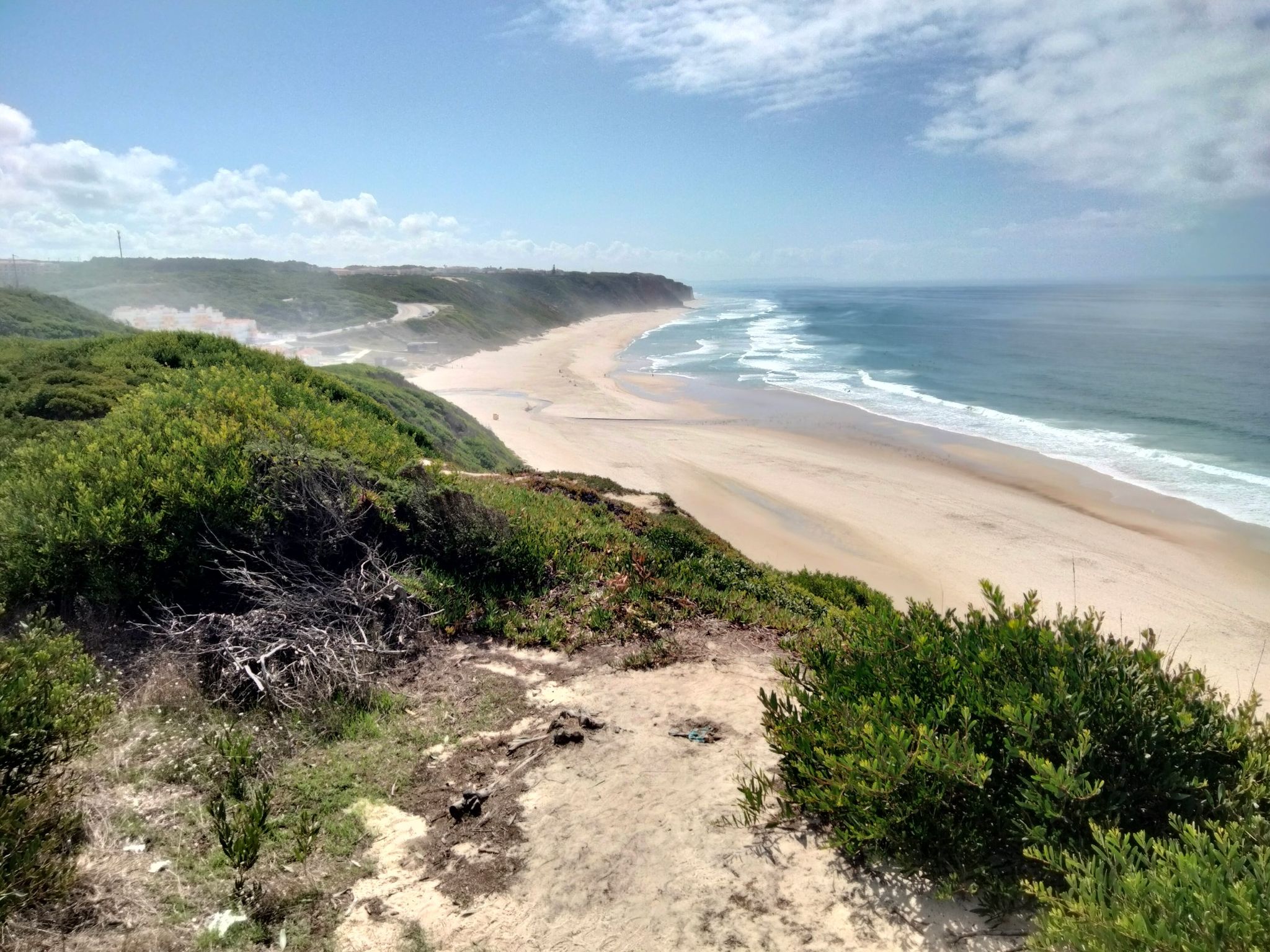
Portugal's Atlantic coast (north) – from Caminha to Lisbon
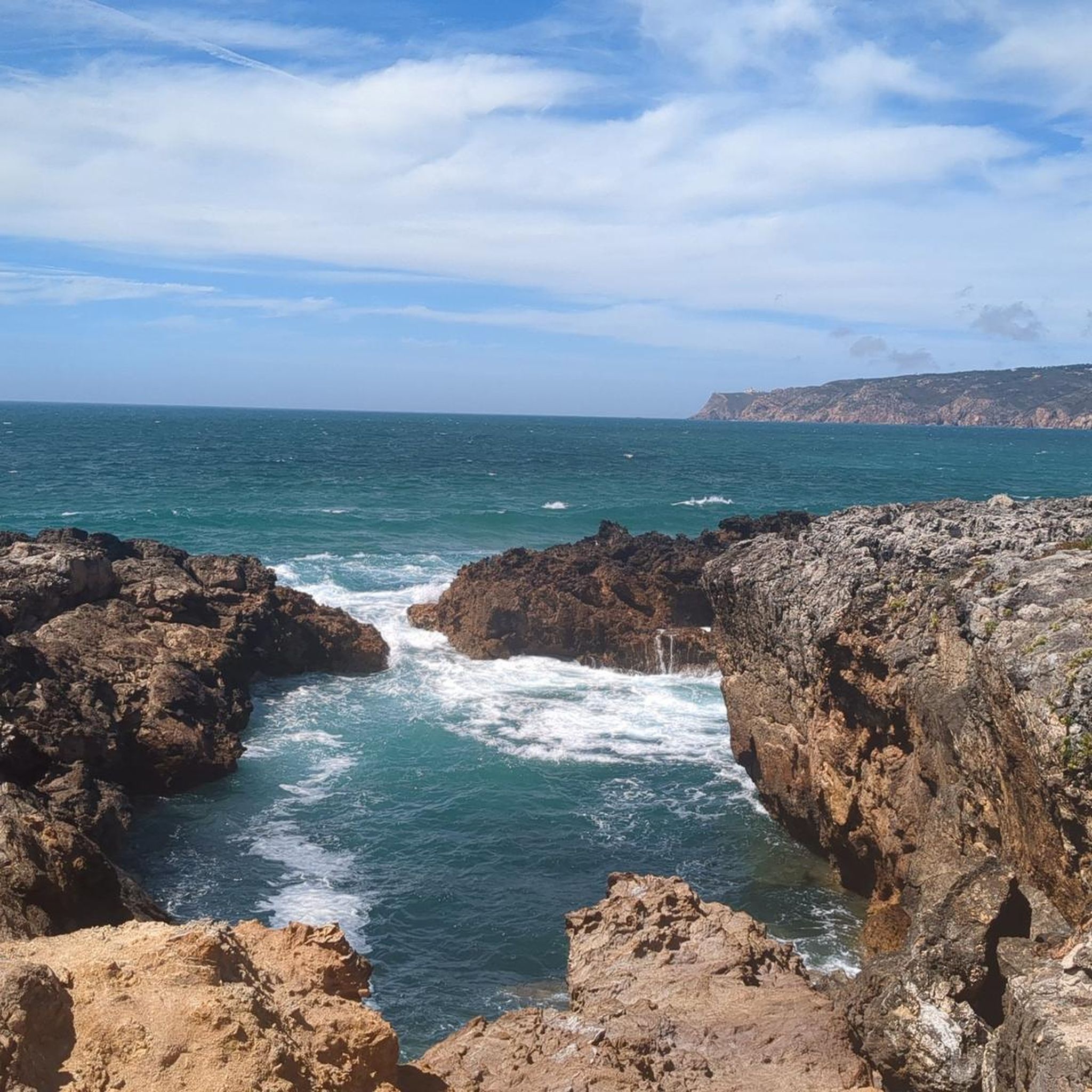
Running Trails around Cascais e Estoril e Estoril e Estoril
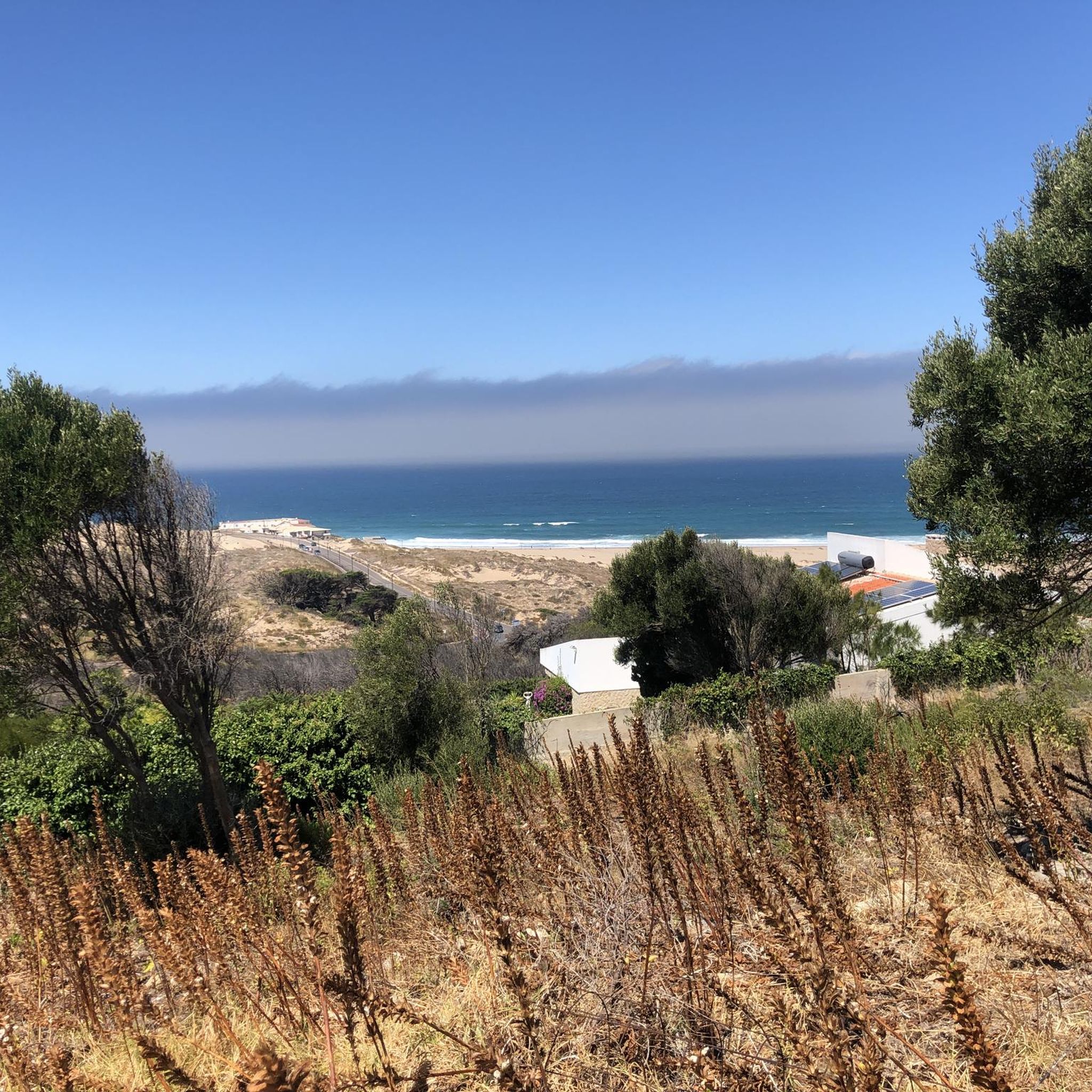
Hiking around Cascais e Estoril e Estoril e Estoril
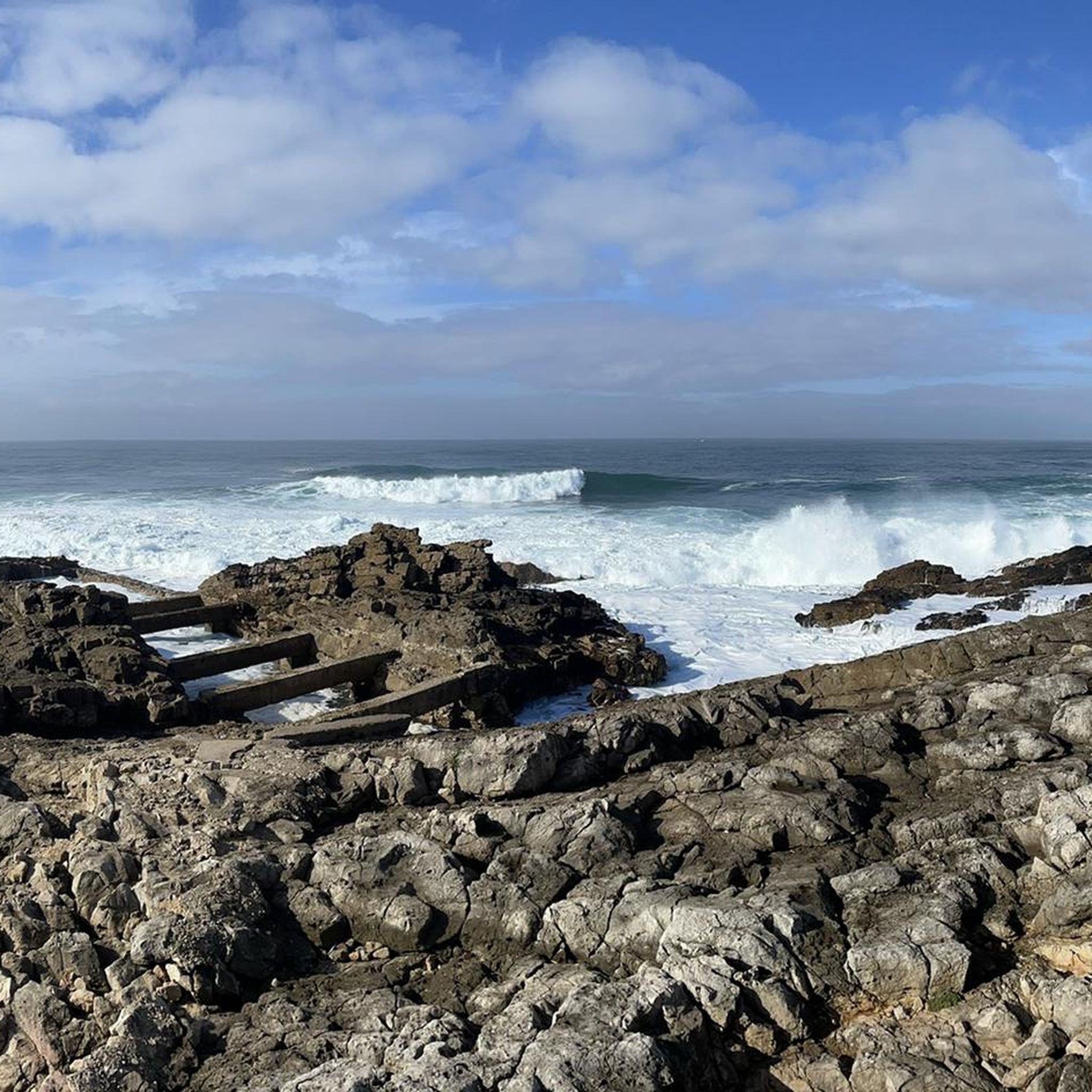
Road Cycling Routes around Cascais e Estoril e Estoril e Estoril
Cycling around Cascais e Estoril e Estoril e Estoril
MTB Trails around Cascais e Estoril e Estoril e Estoril
Gravel biking around Cascais e Estoril e Estoril e Estoril
Other adventures around Cascais e Estoril e Estoril e Estoril

Tips from the Community

Pena Park surrounds the palace like a vast, romantic garden filled with exotic plants, winding paths, and hidden viewpoints. Among ferns, camellias, towering trees, and tranquil ponds, a fairytale atmosphere is created that perfectly complements the palace's architecture. It's a sprawling natural and cultural experience where you can wander for hours, constantly discovering new and enchanting corners.
3
0

The view of Pena Palace and Sintra from the Castelo dos Mouros is one of the most spectacular in the entire region. Walking along the castle walls, you'll discover a landscape that blends history, architecture, and nature in perfect harmony.
7
0
Cabo da Roca is a spectacular cape located in the Sintra-Cascais Natural Park in Portugal, known as the westernmost point of continental Europe. Its rugged beauty and remote location make it a very special destination for nature lovers and those interested in dramatic landscapes.
7
0
It was originally a Hieronymite monastery founded in the 16th century, dedicated to Our Lady of Sorrow. After the 1755 earthquake, it fell into ruins and was acquired by King Ferdinand II in 1838. Between 1842 and 1854, it became a summer palace for the Portuguese royal family. In 1910, following the end of the monarchy, it passed into state hands and was opened to the public.
20
0
The Pena Palace in Sintra is one of Portugal's most spectacular monuments and a jewel of European Romanticism. Located high in the Sintra Mountains, about 25 km from Lisbon, this palace looks like something out of a fairy tale with its colorful and eclectic architecture.
21
0

I didn't visit the Palacio National de Pene because the €20 entrance fee is tied to a time slot and you should be there about an hour before the gate opens so you don't miss your time slot. It was too stressful for me 🤔🙂 The Parque de Pene is simply stunning! I bought the entrance ticket (€12) at the Castelo, but you can also buy them separately in the entrance area on site. When you're there, you should leave the wide main paths and follow the narrow, enchanted paths to the individual highlights - the view from Cruz Alto (The Cross) is magnificent! 🤩
2
0

Beautiful viewpoint, very popular, many buses, early or late time is recommended
6
1

This is one of the places that every visitor to Portugal wants to go to. When the weather is nice, it is of course full here. But even in fog and storms, the visit is attractive.
6
1
Frequently Asked Questions
What are some of the most popular natural monuments to visit in the Cascais e Estoril region?
The region offers several impressive natural monuments. Among the most popular is Cabo da Roca — Westernmost point of mainland Europe, known for its dramatic cliffs and panoramic ocean views. Another highly regarded site is the Castle of the Moors, which combines historical significance with stunning natural surroundings on the Sierra de Sintra.
What kind of natural features can I expect to see in the Cascais e Estoril area?
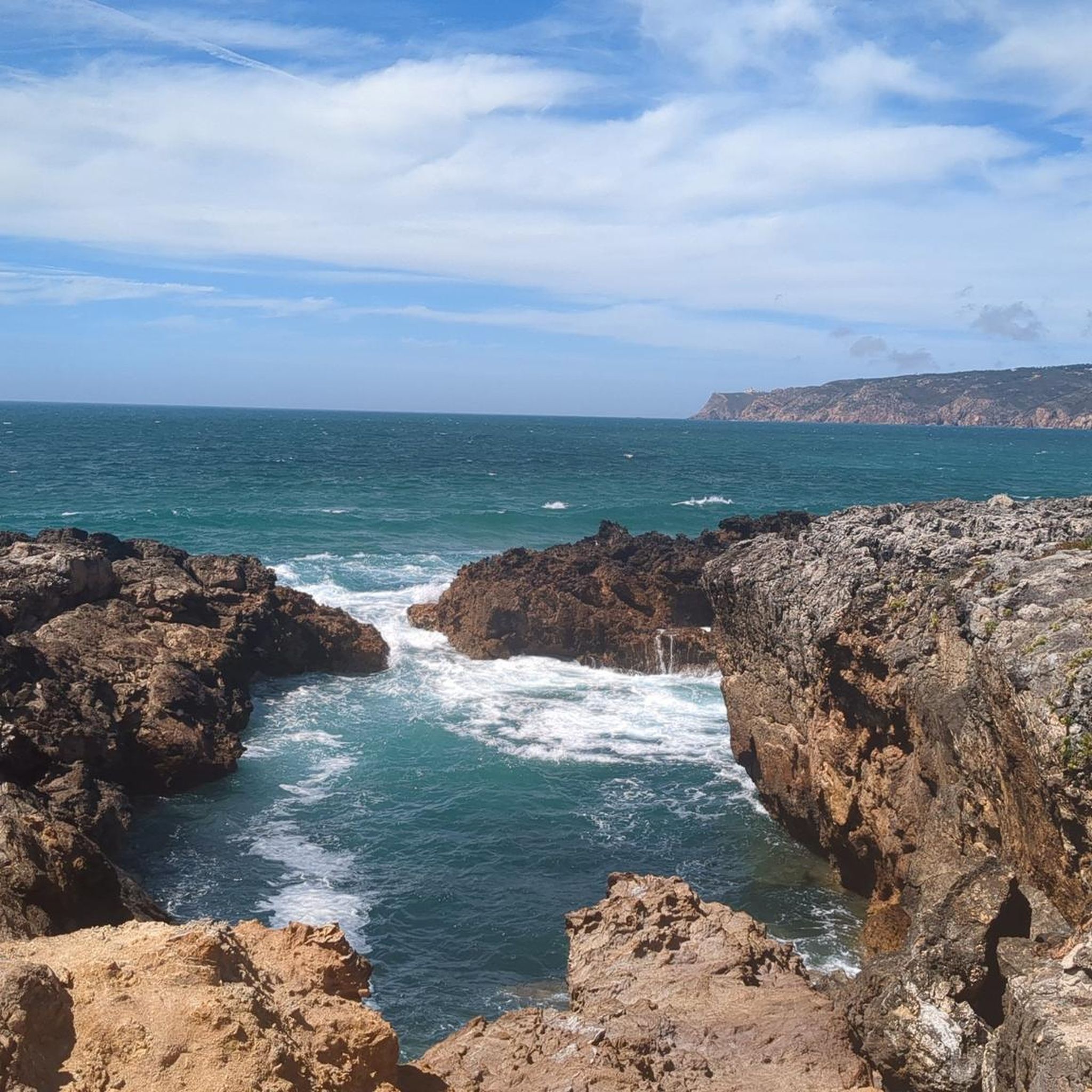
The Cascais e Estoril region, particularly within the Sintra-Cascais Natural Park, boasts a diverse range of natural features. You'll find rugged coastlines with towering cliffs, picturesque beaches like Ursa Beach, and unique rock formations such as Boca do Inferno, where the Atlantic Ocean dramatically crashes into eroded cavities. The park also includes forests and diverse flora adapted to its unique microclimate.
Are there any historical or cultural natural monuments in the region?
Yes, the area beautifully blends natural beauty with historical and cultural significance. The Castle of the Moors, an ancient Moorish fortress, offers both historical exploration and elevated views. Additionally, the Peninha Sanctuary, situated at 448 meters altitude, is a religious building and natural monument providing spectacular coastal vistas.
What outdoor activities can I do near these natural monuments?
The region is excellent for outdoor enthusiasts. You can enjoy various activities, including hiking, road cycling, and gravel biking. For hiking, explore routes like the 'Cabo Raso Route' or the 'Boca do Inferno (Hell’s Mouth) Rock Arch – Cascais Citadel loop'. You can find more details and routes on the Hiking around Cascais e Estoril guide page. Cyclists can find routes on the Road Cycling Routes and Gravel biking around Cascais e Estoril guide pages.
Are there family-friendly natural monuments in Cascais e Estoril?
Yes, several natural monuments are suitable for families. Cabo da Roca — Westernmost point of mainland Europe is categorized as family-friendly, offering accessible viewing platforms and a memorable experience at the edge of the continent. The scenic coastal walk from Cascais to Boca do Inferno is also a pleasant option for families.
What is Boca do Inferno and why is it worth visiting?
Boca do Inferno, or 'Hell's Mouth,' is a stunning natural rock formation near Cascais. It features eroded limestone cliffs, a gaping chasm, and a natural archway where the Atlantic Ocean relentlessly pounds. During stormy weather, waves crash dramatically, creating a thunderous display. Even on calmer days, the surging ocean is impressive. It's an excellent spot for photos, especially at sunset, and easily accessible via well-maintained pathways.
What makes Cabo da Roca a significant natural monument?
Cabo da Roca is significant as the westernmost point of mainland Europe. This wild and rugged headland features towering cliffs, over 100 meters high, offering breathtaking panoramic views of the Atlantic. Historically, it was considered the edge of the world. A lighthouse stands atop the cliffs, and visitors can obtain a certificate confirming their visit. It's a magical place for sunsets and offers access to scenic hiking trails.
What is the Sintra-Cascais Natural Park known for?
The Sintra-Cascais Natural Park is a protected area stretching from the Sintra mountains to the coast, encompassing diverse environments like forests, sand dunes, and rugged cliffs. It's known for its unique microclimate, rich biodiversity, and a harmonious blend of nature and human influence, earning it UNESCO Cultural Landscape heritage status. It offers numerous hiking trails and stunning scenic views.
What do visitors enjoy most about the natural monuments in this region?
Visitors frequently praise the spectacular panoramic views, especially from elevated points like Cabo da Roca and Peninha Sanctuary. The dramatic coastal landscapes, the historical ambiance of sites like the Castle of the Moors, and the opportunity for scenic walks and hikes are also highly appreciated. Many enjoy witnessing the raw power of the ocean at Boca do Inferno and the tranquility of Pena Park.
Is it possible to access these natural monuments using public transport?
Yes, many natural monuments in the region are accessible by public transport. For instance, Cabo da Roca has regular bus connections to Sintra and Cascais. While some locations might require a longer journey, public transport is a viable option for exploring the area.
Are there any hidden gems or less-known natural monuments worth exploring?
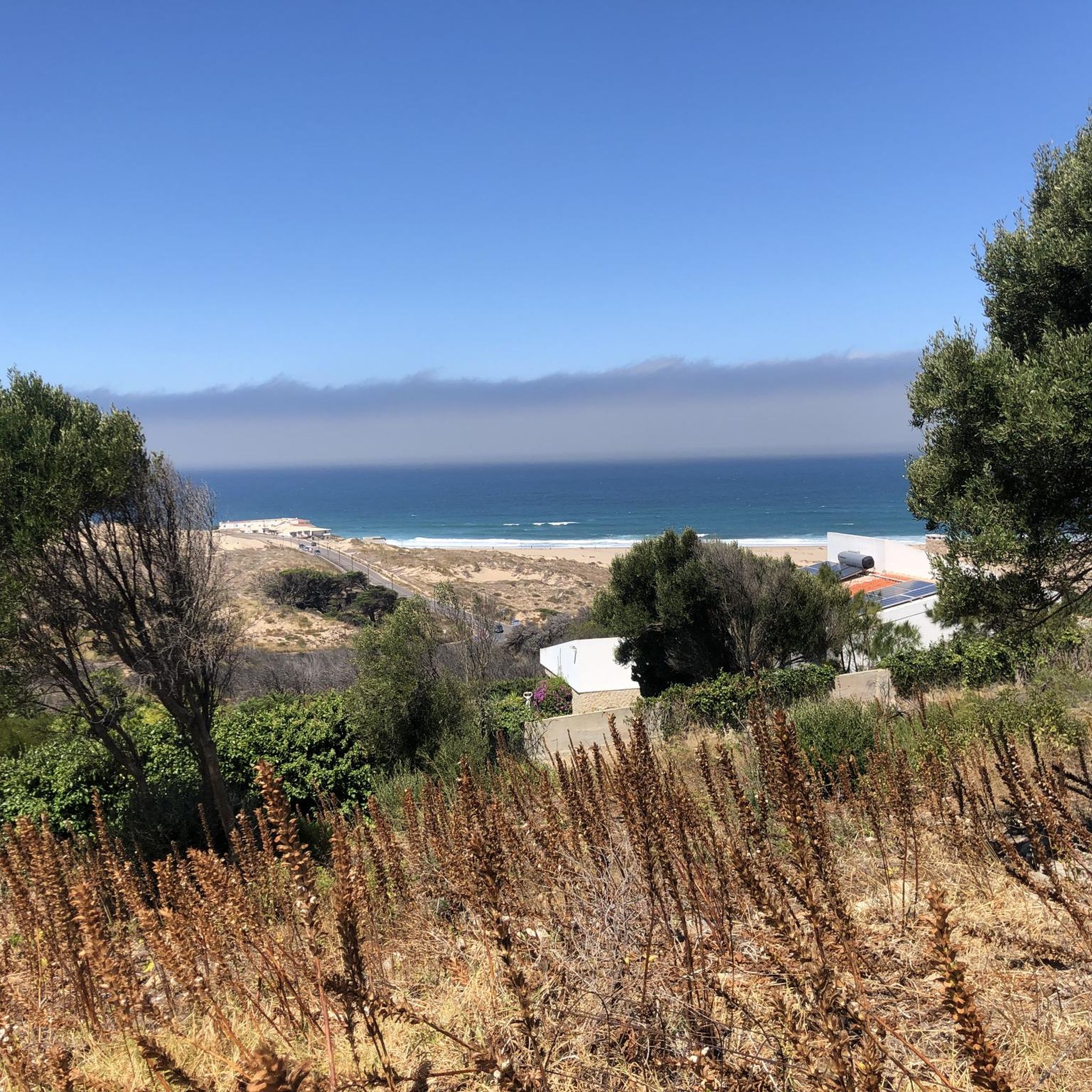
While not entirely hidden, Ursa Beach is a secluded golden sand beach known for its huge rock formations. It requires navigating a steep path, making it a more adventurous and less crowded option for those seeking a pristine natural experience away from the main tourist hubs.
What is the best time of year to visit the natural monuments in Cascais e Estoril?
The region's natural monuments can be enjoyed year-round, but spring (April to June) and early autumn (September to October) often offer the most pleasant weather for exploring. During these periods, temperatures are mild, and the landscapes are vibrant, making it ideal for hiking and sightseeing. Summer can be warm and busy, while winter might bring more dramatic ocean conditions, particularly at coastal sites like Boca do Inferno and Cabo da Roca.
Most popular routes around Cascais e Estoril e Estoril e Estoril
Most popular attractions around Cascais e Estoril e Estoril e Estoril

Get inspired with the komoot mobile app


Explore more
Extend your search for the best caves by checking out these guides of the top ones around Cascais e Estoril e Estoril e Estoril:
