Top 13 Natural Monuments around Alcoentre
Best natural monuments around Alcoentre are found within a region known for its varied natural landscapes. The area encompasses significant natural features, including the biodiverse Paúl de Manique do Intendente wetland and the elevated Serra de Montejunto Protected Landscape. These sites offer a range of ecosystems, from critical bird habitats to unique geological formations and expansive viewpoints. The region provides opportunities to explore diverse natural environments.
Best natural monuments around Alcoentre
- The most popular natural monuments is Serra de Montejunto…
Last updated: June 29, 2026
Paúl de Manique do Intendente.
Highlight • Lake
Translated by Google •
Tip by

Serra de Montejunto Watchtower
Highlight • Viewpoint
Translated by Google •
Tip by

Sign up now to discover places like this
Get recommendations on the best single tracks, peaks, & plenty of other exciting outdoor places.
Sign up for free
Gravel Bend
Highlight • Natural Monument
Translated by Google •
Tip by
Castro de Pragança
Highlight • Historical Site
Translated by Google •
Tip by
Ota River
Highlight • River
Translated by Google •
Tip by
Sign up for free to discover even more natural monuments around Alcoentre.
Sign up for free
Already have an account?
Start today with a free account
Your next adventure awaits.
Login or Signup

Tips from the Community

The area of the springs, on the Ota River, was once a leisure area for the local population, including the local bathing area in the summer. This site remained natural for a long time after the EPAL was installed, but at a certain point, the intensification of agriculture with the use of chemical fertilizers and pesticides, intensive livestock farming, and urban sewage made the flow from upstream a polluting threat to EPAL's water intakes, and EPAL paved several dozen meters of the river course near the site where it is installed with reinforced concrete.
1
0

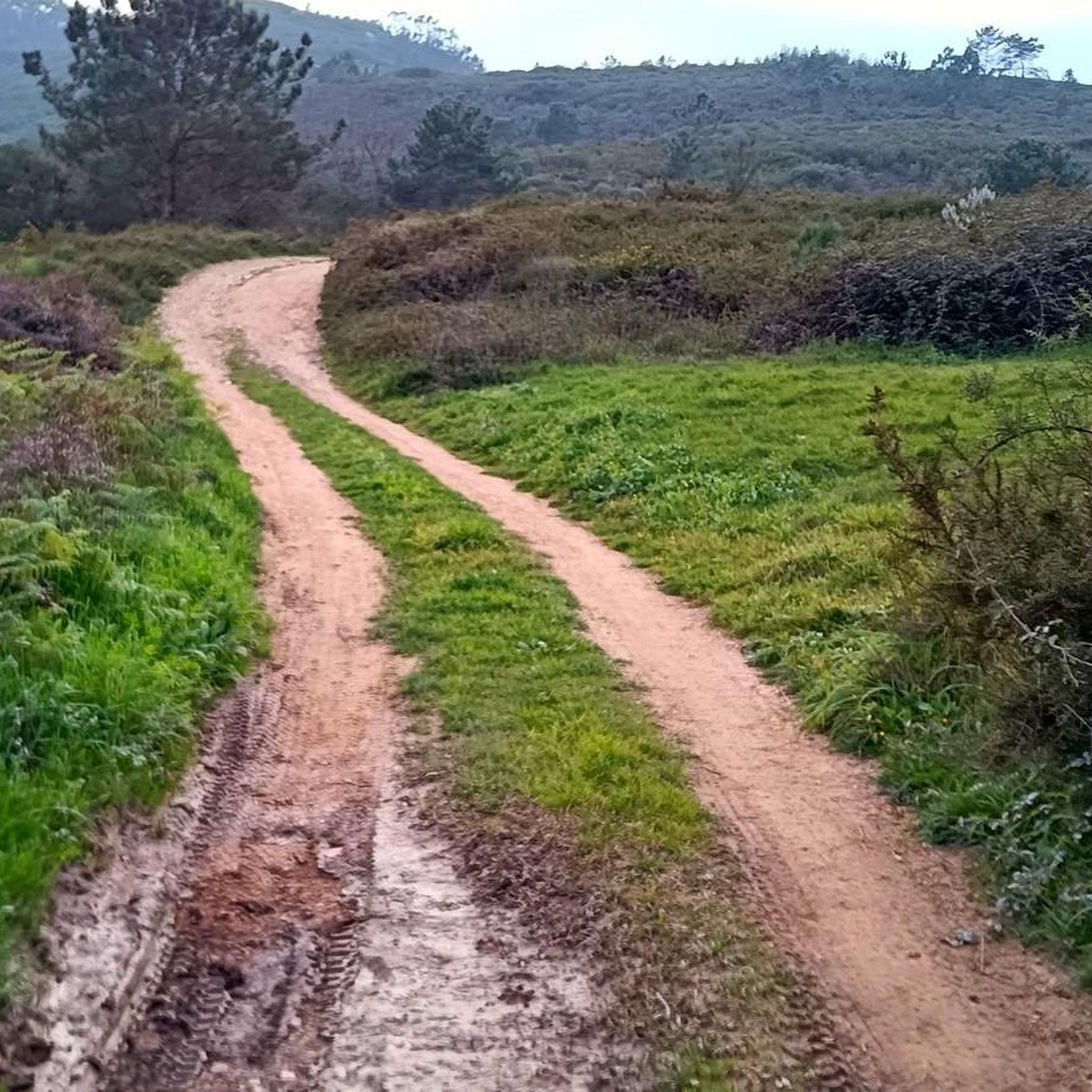
The Ota River has its source in the Montejunto mountain range. It flows through the Ota area and empties into the Alenquer River, which in turn meets the Tagus River near Vila Nova da Rainha. At this point the river is close to the village of the same name, Ota.
1
0
The Serra de Montejunto Forest Watch Station can be accessed via a pastoral trail from the picnic park. It offers a beautiful panorama of the region north of the Serra.
3
0
Castro de Pragança, located in Serra de Montejunto, is an archaeological site occupied from the Neolithic period to the Roman period. Discovered in 1893, its study revealed traces from various eras. Its archaeological collection is distributed across several national museums and, despite several excavation campaigns and studies, the Castro is currently in a state of abandonment. Its fortifications date back to the first half of the 3rd millennium BC, and the materials found include weights and metallic artefacts, indicating a prolonged and complex occupation.
1
0
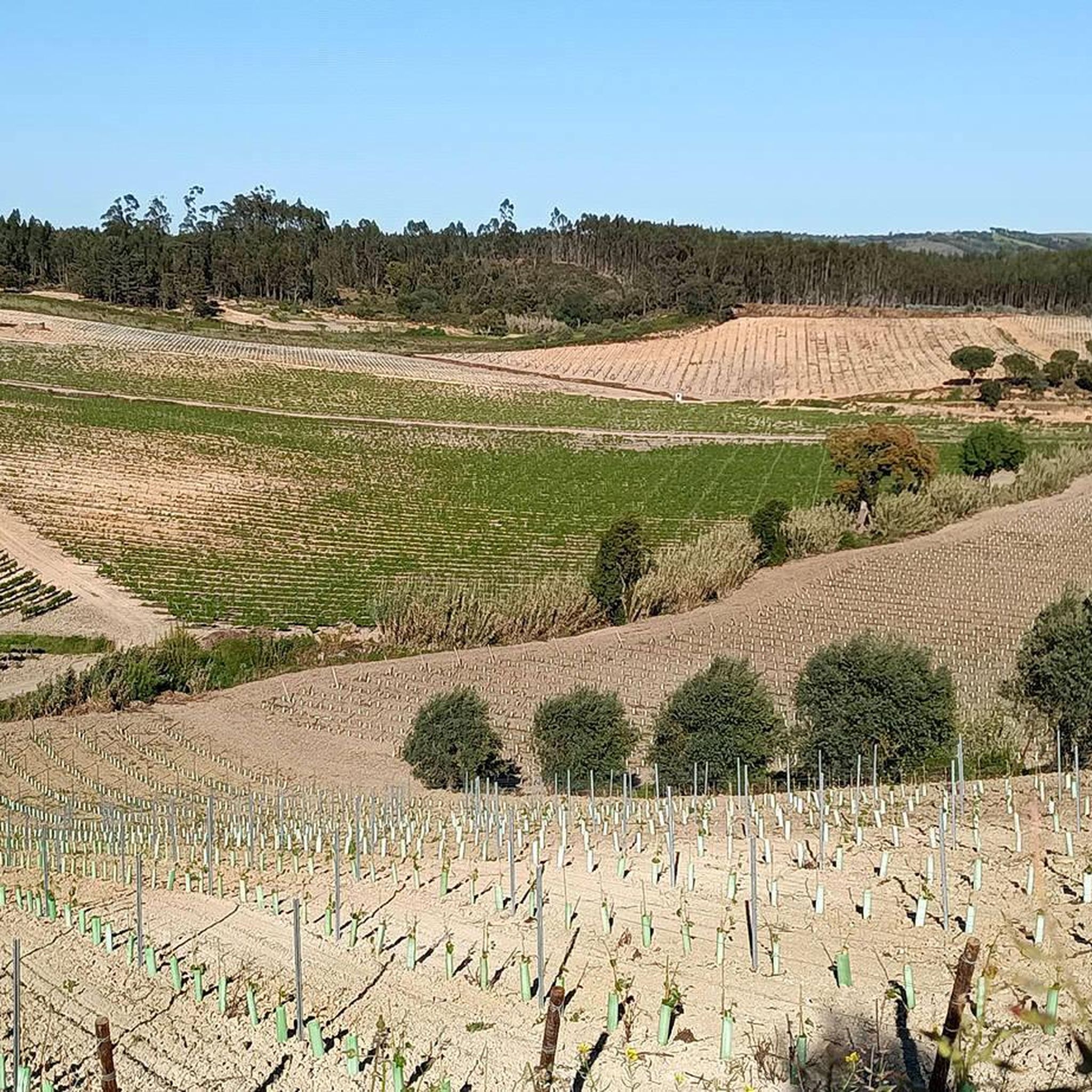
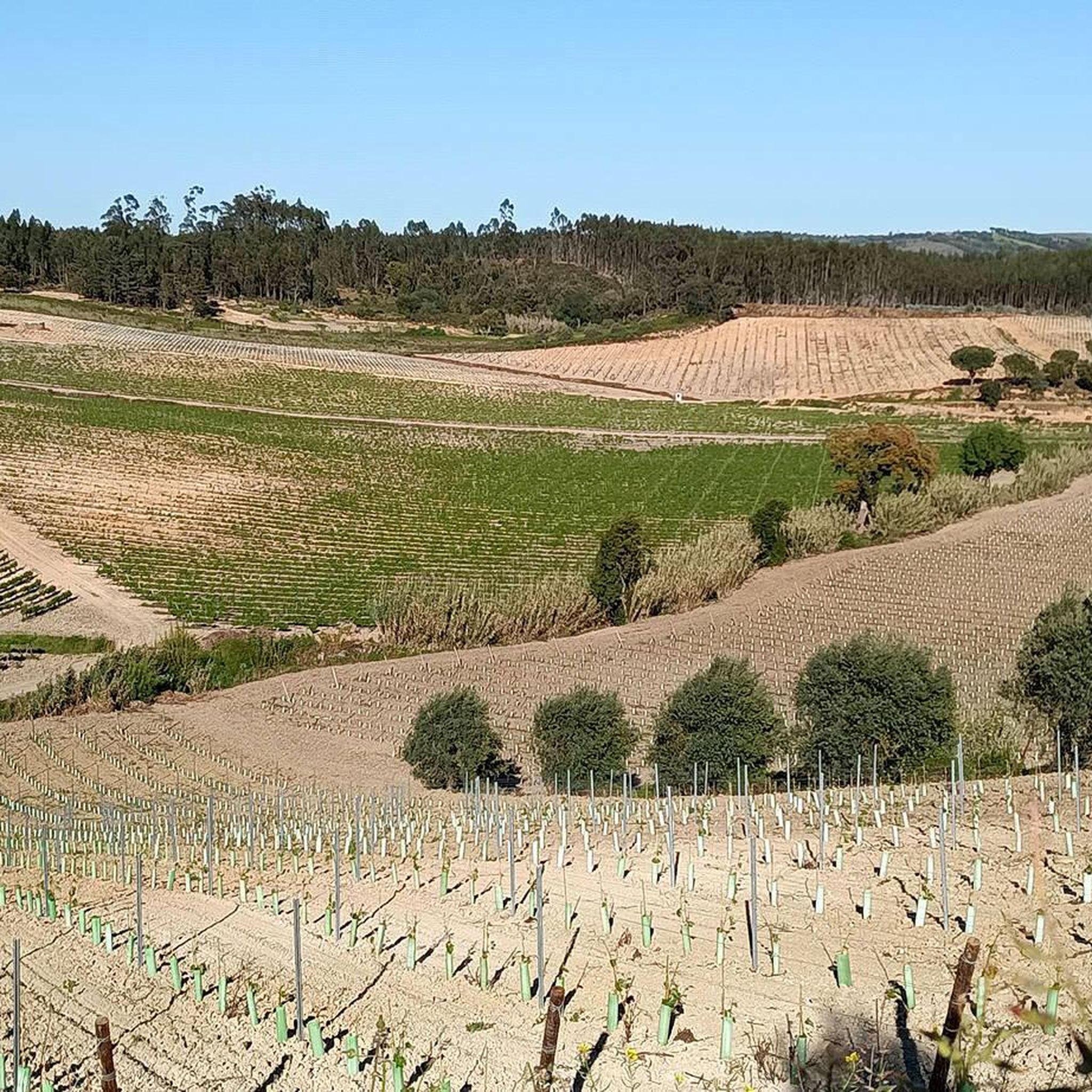
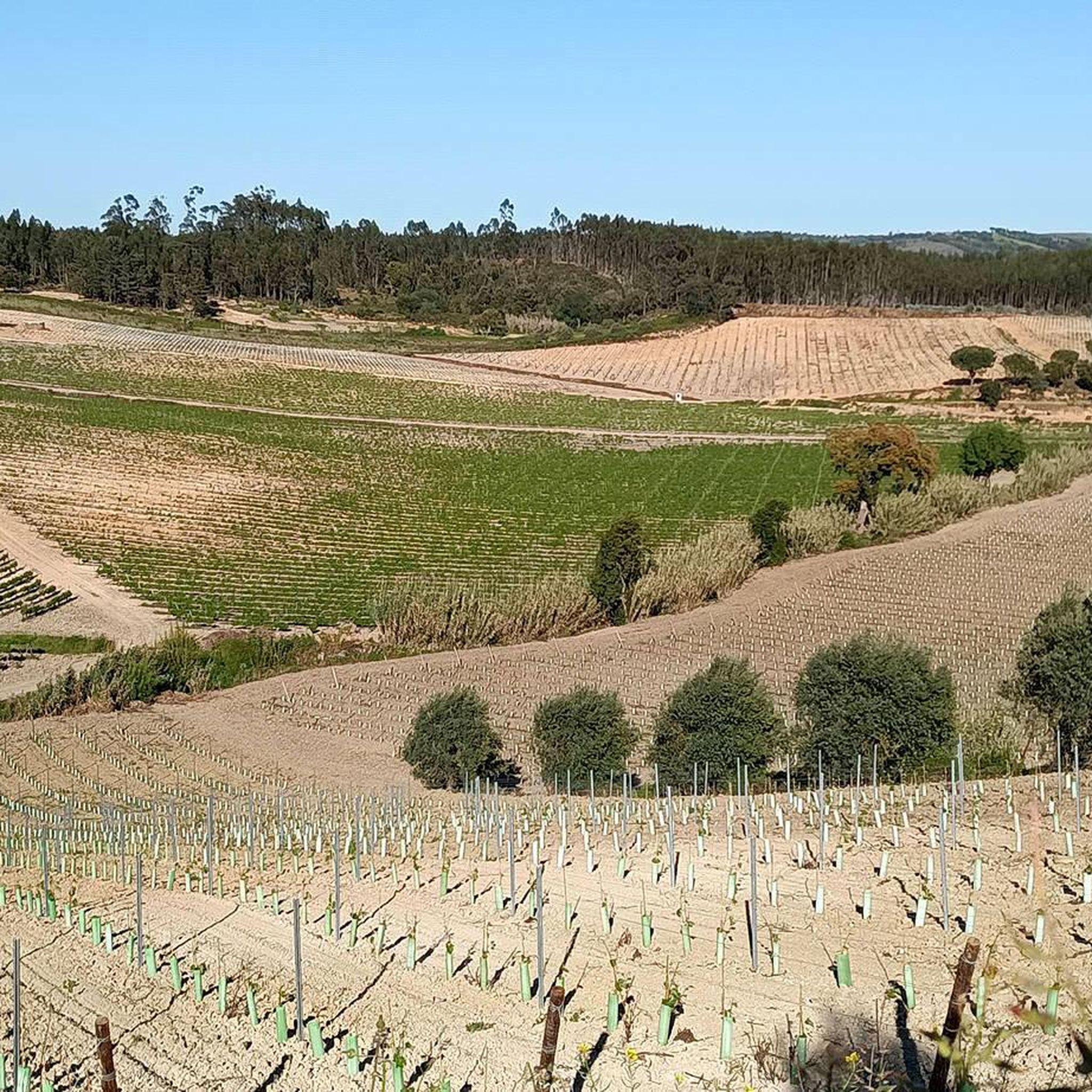
The karst landscape of Montejunto constitutes the extreme southwest of the Estremenho Limestone Massif. Deep valleys, lakes, gravel pits and lapiás are some of the formations found here, testimonies of various geological eras. Water has been the protagonist in erosion phenomena over time. Several deposits of gravel pits result from the cracking of the outcrops caused by the expansion of the water which, when freezing, breaks the rock into small parts. Source: https://montejunto.pt/natureza/paisagens/
3
0
“Paul Natura”, Manique do Intendente https://www.youtube.com/watch?v=9nKhlLvOrJw
3
0
Paúl de Manique do Intendente is an area of around 97,000 square meters that constitutes a very rich natural heritage of great importance in terms of biodiversity, namely in terms of avifauna, already recognized at national level. It is an ecosystem composed of more than 180 species, where you can find 5 "simply unique" species such as the striped tortoise, the common caiman, the otter, the black stork and the reed. The municipality has been focusing on promoting this space, having recently advanced with the installation of an infrastructure for the observation of the fauna and flora of Pául, which aims to promote knowledge, protection and preservation of this unique and so rich ecosystem for the Municipality of Azambuja and for the entire region.
5
0

very pleasant landscape, it is recommended
1
0
Frequently Asked Questions
What are the most notable natural monuments to visit around Alcoentre?
The region around Alcoentre features several significant natural monuments. The Paúl de Manique do Intendente is a vital wetland known for its rich biodiversity, especially birdlife. The Serra de Montejunto Watchtower offers expansive panoramic views from the highest point in the Estremadura region. Another interesting site is Gravel Bend, which showcases the unique karst landscape of Montejunto with its deep valleys and geological formations.
Are there family-friendly natural monuments near Alcoentre?
Yes, the Paúl de Manique do Intendente is considered family-friendly. It offers infrastructure for observing flora and fauna, making it an engaging educational experience for all ages. Visitors are encouraged to participate in cultural and scientific activities to appreciate its sensitive ecosystem.
What kind of wildlife can I expect to see at the Paúl de Manique do Intendente?
The Paúl de Manique do Intendente is a biodiversity hotspot, home to over 180 species. You might spot unique species such as the striped-necked terrapin, the purple swamphen, otters, and the black stork. The area has dedicated observation infrastructure to help visitors view the wildlife without disturbance.
What geological features are prominent in the Serra de Montejunto area?
The Serra de Montejunto is part of the Estremenho Limestone Massif, characterized by a rich array of geological formations. These include numerous caves, sinkholes, and prehistoric fossils. The Gravel Bend highlight specifically showcases the karst landscape with its deep valleys, lakes, and gravel pits, all formed by various geological processes over time.
Are there hiking opportunities around the natural monuments?
Yes, the Serra de Montejunto Protected Landscape is excellent for hiking. You can find trails leading to viewpoints like the Serra de Montejunto Watchtower. For more extensive hiking options, you can explore various running trails in the region, such as the challenging Serra de Montejunto Windmills Trail. Find more details on routes in the Running Trails around Alcoentre guide.
What other outdoor activities are available near these natural monuments?
Beyond hiking, the Serra de Montejunto offers opportunities for birdwatching and climbing. For cycling enthusiasts, there are numerous routes for both road cycling and mountain biking. You can find detailed routes in the Road Cycling Routes around Alcoentre guide and the MTB Trails around Alcoentre guide.
Can I visit historical sites within the Serra de Montejunto Protected Landscape?
Yes, the Serra de Montejunto holds historical significance. You can find archaeological remains dating back to the Neolithic period. Notably, the Real Fábrica do Gelo (Royal Ice Factory) is classified as a National Monument within the protected landscape, offering a glimpse into the region's past.
Is the Ota River a natural monument and what are its features?
The Ota River is indeed a natural monument, originating in the Montejunto mountain range. A significant feature is the “Cannon” of the Ota river valley, which exhibits geomorphological characteristics of national relevance. Historically, the area around its springs was a popular leisure spot and bathing area for locals.
Are there any viewpoints offering panoramic vistas?
Absolutely. The Serra de Montejunto Watchtower is a prime viewpoint, providing a beautiful panorama of the region north of the Serra. On clear days, views can extend all the way to Lisbon. The Gravel Bend also serves as a viewpoint, showcasing the unique karst landscape.
What is the best time to visit the natural monuments around Alcoentre?
The Serra de Montejunto, with its diverse landscapes and outdoor activities, is generally pleasant for visiting during spring and autumn when temperatures are milder, making hiking and exploration more comfortable. For birdwatching at the Paúl de Manique do Intendente, spring and early summer are ideal for observing migratory species.
Are there any natural monuments that are also man-made structures?
Yes, the Windmills of Serra de Montejunto are an example of man-made structures that are also recognized as natural monuments. These recovered windmills are integrated into the landscape and can be explored via trails, offering both natural beauty and historical interest.
What efforts are being made to preserve the Paúl de Manique do Intendente?
The local municipality actively promotes the knowledge, protection, and preservation of the Paúl de Manique do Intendente. There's an ongoing “Paúl Natura” project, which aims to establish it as a Local Natural Reserve, highlighting its ecological value and the continuous efforts to conserve this unique wetland ecosystem.
Most popular attractions around Alcoentre

Get inspired with the komoot mobile app


Explore more
Extend your search for the best caves by checking out these guides of the top ones around Alcoentre:
