Top 15 Natural Monuments around Mina de Água
Best natural monuments around Mina de Água are primarily characterized by urban green spaces and historical structures with natural elements. While large natural parks are not directly within the parish, it offers urban parks and historical sites that incorporate natural features. The area features several green spaces and significant historical monuments connected to water management. These locations provide opportunities for recreation and a connection to both urban nature and the region's historical water infrastructure.
Best natural monuments around Mina de…
Last updated: June 29, 2026
Monument to the Overseas Combatants 🏛️ Belém
Highlight • Monument
Translated by Google •
Tip by

Eduardo VII Park Viewpoint
Highlight • Viewpoint
Translated by Google •
Tip by

Sign up now to discover places like this
Get recommendations on the best single tracks, peaks, & plenty of other exciting outdoor places.
Sign up for free
University of Lisbon Botanical Garden
Highlight • Forest
Translated by Google •
Tip by
Alameda Luminous Fountain
Highlight • Monument
Translated by Google •
Tip by
Monumental Fountain at Praça do Império
Highlight • Monument
Translated by Google •
Tip by

Sign up for free to discover even more natural monuments around Mina de Água.
Sign up for free
Already have an account?
Start today with a free account
Your next adventure awaits.
Login or Signup

Tips from the Community

Located in the Belem district, it was inaugurated in 1994 to honor the Portuguese soldiers (10,000) who fought and died in the colonial wars.
2
0

Eduardo VII Park stretches like a large green ribbon up the hill, offering plenty of space to breathe with its lawns and paths. From the top, you have a stunning view across Avenida da Liberdade all the way down to the Tagus River. Perfect for a quiet break, a picnic, or a relaxing stroll in nature right in the heart of Lisbon.
4
1

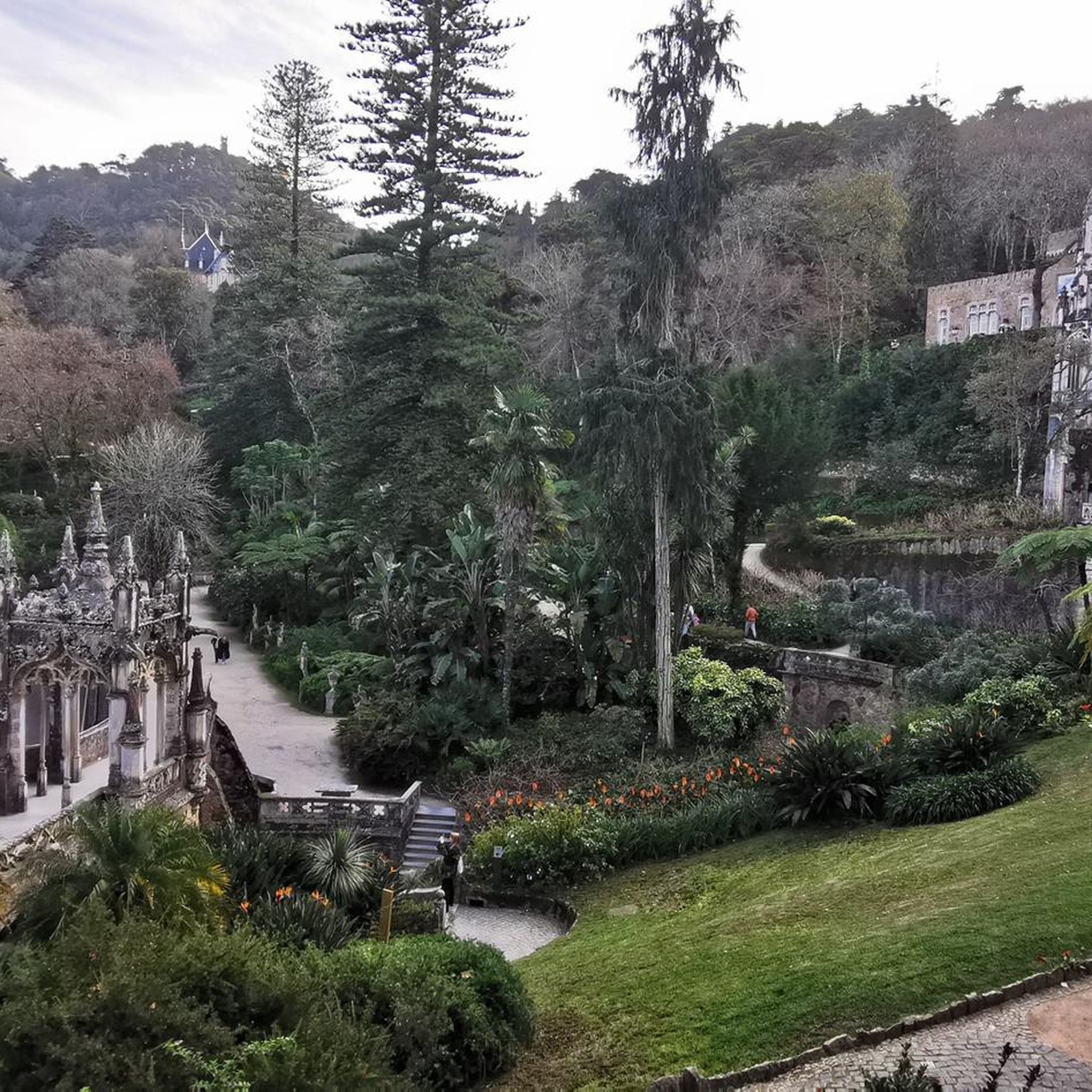
The Lisbon Botanical Garden, located in the parish of São Mamede, is one of the city's oldest and most important green spaces, with a rich history linked to scientific research and botanical conservation. Founded in 1873 at the initiative of Count Ficalho and Andrade Corvo, professors at the Lisbon Polytechnic School. Officially inaugurated in 1878, it was conceived as a scientific garden to support teaching and research in botany. It is part of the National Museum of Natural History and Science of the University of Lisbon.
3
0
The architectural design was designed by brothers Carlos and Guilherme Rebello de Andrade in the Portuguese Suave style, typical of the Estado Novo. The sculptures were made by Maximiano Alves (caryatids) and Diogo de Macedo (figures of the Tagus River and the Tagides), with lateral reliefs by Jorge Barradas.
5
0
The Alameda Luminous Fountain, also known as the Monumental Fountain, is one of Lisbon's most iconic monuments, located on Alameda Dom Afonso Henriques, right next to the Alameda metro station (green and red lines). It was conceived in 1938 and finally inaugurated on May 30, 1948. Its construction celebrated the regular supply of water to the eastern part of Lisbon.
5
0

The square Jardim da Praça do Império park is bordered by the Jerónimos Monastery (to the north), the Jardim de Belém and Jardim Afonso de Albuquerque parks (to the east), Avenida da Índia and the Cascais railway line (to the south), and the Belém Cultural Center (to the west). The Monument to the Discoveries (Padrão dos Descobrimentos) (to the south) and the Belém Palace (Palácio de Belém) (to the northeast) are also located nearby. José Ângelo Cottinelli Telmo designed the square, along with the monumental fountain (Fonte Monumental), in honor of the Portuguese colonial empire for the 1940 Exposition Internationale des Português (Portuguese World Exhibition). The central fountain has a diameter of almost 30 meters. The surrounding green spaces feature plants arranged to represent the coats of arms of 32 former provinces of the colonial empire. https://de.wikipedia.org/wiki/Pra%C3%A7a_do_Imp%C3%A9rio
1
1
The Monument to Overseas Combatants is a solemn tribute to the Portuguese soldiers who lost their lives during the Portuguese Colonial War (also known as the Overseas War), which took place between 1961 and 1974 in Africa.
21
0
Eduardo VII Park is one of Lisbon's most iconic green spaces, located just north of Marquis of Pombal Square and Avenida da Liberdade. It's an ideal place to stroll, relax, and enjoy spectacular views of the city.
9
0
Frequently Asked Questions
What kind of natural features can I expect to see around Mina de Água?
Mina de Água is characterized by urban green spaces and historical structures with natural elements. You'll find urban parks like the Príncipe Real Garden and the University of Lisbon Botanical Garden, which offer lush environments and diverse flora. The area also features historical water infrastructure, such as the ancient mine within Jardim da Mina and the impressive Aqueduto das Águas Livres.
Are there any family-friendly natural monuments or green spaces in Mina de Água?
Yes, several locations are great for families. The Eduardo VII Park Viewpoint offers expansive views and open spaces for children to enjoy. The Príncipe Real Garden is a cozy spot with benches and a notable old tree, while the
What historical sites with natural connections can I visit in the area?
The region has a strong connection to historical water management. The Jardim da Mina is notable for housing an ancient water mine that historically supplied the area. Additionally, the magnificent Aqueduto das Águas Livres, a prominent 18 km historical monument with 127 granite arches, cuts through the parish and is a testament to 18th-century engineering for water supply.
Are there any viewpoints to enjoy scenic vistas around Mina de Água?
Absolutely. The Eduardo VII Park Viewpoint is a popular spot offering spectacular views over the city of Lisbon. It's an ideal place to relax and take in the urban landscape.
What outdoor activities can I do near the natural monuments in Mina de Água?
You can enjoy various outdoor activities, particularly hiking and road cycling. There are several routes available, such as the 'Hiking loop from Monumento Natural de Carenque' for an easy walk or the 'Espaço Biodiversidade loop from Estádio do Sport Lisboa e Benfica' for a moderate hike. For cyclists, options range from easy routes like 'Windmill Ruins – Chafariz da Porcalhota loop' to more challenging ones. You can find more details on these activities in the Hiking around Mina de Água and Road Cycling Routes around Mina de Água guides.
Are there any wheelchair-accessible natural monuments or sites?
Yes, both the Eduardo VII Park Viewpoint and the Monument to the Overseas Combatants 🏛️ Belém are noted as wheelchair accessible, allowing for broader enjoyment of these significant locations.
What do visitors enjoy most about the natural monuments and green spaces in Mina de Água?
Visitors appreciate the blend of urban green spaces for relaxation and recreation, the historical significance of water infrastructure, and the scenic viewpoints. The Eduardo VII Park Viewpoint is particularly loved for its impressive scale and magical city views, while the Príncipe Real Garden is valued as a cozy spot to unwind.
Can I bring my dog to the parks and trails in Mina de Água?
While specific dog-friendly policies for every location are not detailed, urban parks and trails in Amadora municipality generally welcome dogs, often requiring them to be on a leash. It's always a good idea to check local signage or official websites for specific rules at each park, such as Parque Urbano do Alto da Mira or Jardim da Mina.
What is the best time of year to visit the natural monuments and parks?
The parks and green spaces in Mina de Água can be enjoyed year-round. Spring and autumn offer pleasant temperatures for walking and exploring. Summer is also suitable, though it can be warmer, making the shaded areas of gardens like Príncipe Real Garden particularly inviting. Even in winter, the climate is generally mild enough for outdoor activities.
Are there any cafes or amenities near these natural monuments?
Yes, being in an urban area, many of these locations are close to amenities. For example, the Príncipe Real Garden is near many cafes and ice cream shops, making it easy to grab a refreshment. The Alameda Luminous Fountain is right next to the Alameda metro station, an area with various services.
How long should I plan for a visit to these natural monuments?
The duration of your visit depends on the specific site. For urban parks like Parque Urbano do Alto da Mira or Jardim da Mina, you might spend 1-2 hours enjoying the green space and facilities. Historical sites like the Aqueduto das Águas Livres can be appreciated in a shorter time, perhaps 30 minutes to an hour for observation. For a more extensive experience, combining a visit to a park with a nearby walking or cycling route could take half a day.
What is the <a href="https://www.komoot.com/highlight/6947921" target="_blank" rel="noopener">Alameda Luminous Fountain</a> and why is it significant?
The Alameda Luminous Fountain, also known as the Monumental Fountain, is an iconic monument in Lisbon. Inaugurated in 1948, its construction celebrated the regular supply of water to the eastern part of Lisbon, highlighting the historical importance of water infrastructure in the city's development. It's a beautiful example of Portuguese Suave style architecture.
What is the <a href="https://www.komoot.com/highlight/853498" target="_blank" rel="noopener">University of Lisbon Botanical Garden</a>?
The University of Lisbon Botanical Garden is one of the city's oldest and most important green spaces, founded in 1873. It serves as a scientific garden supporting botanical research and conservation, featuring a rich collection of plants. It's also a valuable urban ecosystem, promoting biodiversity and mitigating rising temperatures in the city.
Most popular attractions around Mina de Água

Get inspired with the komoot mobile app


Explore more
Extend your search for the best caves by checking out these guides of the top ones around Mina de Água:
