Top 2 Natural Monuments around Pereiro De Palhacana
Natural monuments around Pereiro De Palhacana offer diverse natural and historical features within the Alenquer region. The area is characterized by its proximity to the Serra de Montejunto Protected Landscape, which includes geological formations and varied biodiversity. Visitors can explore a landscape that combines natural beauty with historical elements, providing opportunities for outdoor activities. The topography includes viewpoints and unique geological sites.
Best natural monuments around Pereiro De Palhacana
- The most popular natural monuments is Forte da Archeira, a…
Last updated: June 29, 2026
Forte da Archeira
Highlight • Historical Site
Translated by Google •
Tip by

Cabeço de Meca Quarry Lake
Highlight (Segment) • Lake
Translated by Google •
Tip by

Sign up now to discover places like this
Get recommendations on the best single tracks, peaks, & plenty of other exciting outdoor places.
Sign up for free
Serra da Archeira Wind Farm
Highlight (Segment) • Structure
Translated by Google •
Tip by
Moinho do Gaio
Highlight • Structure
The climb is steep, but worth it for the views of the surrounding landscape.
Translated by Google •
Tip by
Moinho Swing
Highlight • Structure
Tip by

Sign up for free to discover even more natural monuments around Pereiro De Palhacana.
Sign up for free
Already have an account?
Start today with a free account
Your next adventure awaits.
Login or Signup

Tips from the Community

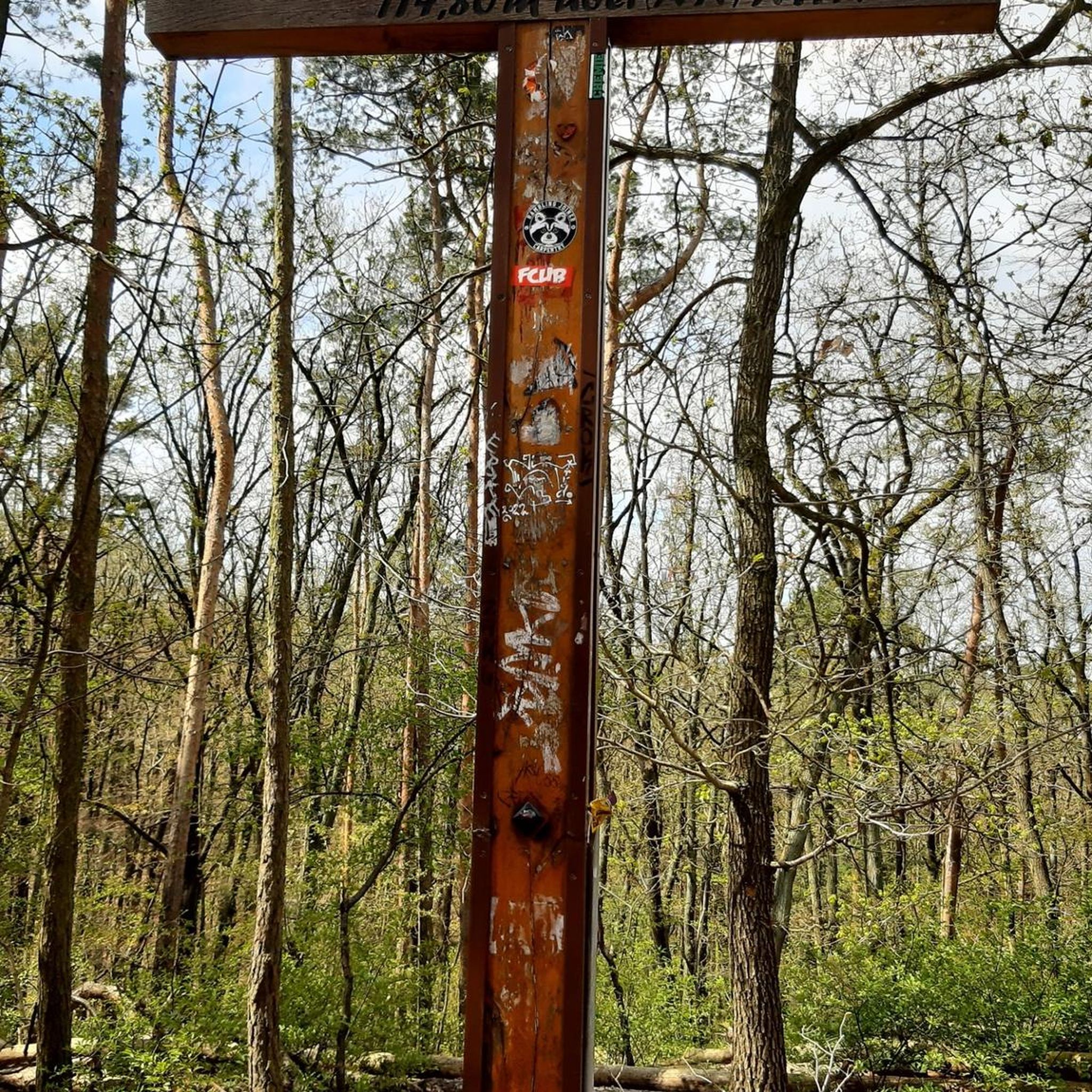
A very well-preserved windmill atop Mount Gaio. The climb is steep, but worth it for the views of the surrounding landscape.
1
0

Steep and rocky to get there, but the table makes for an amazing picnic with a view.
1
0

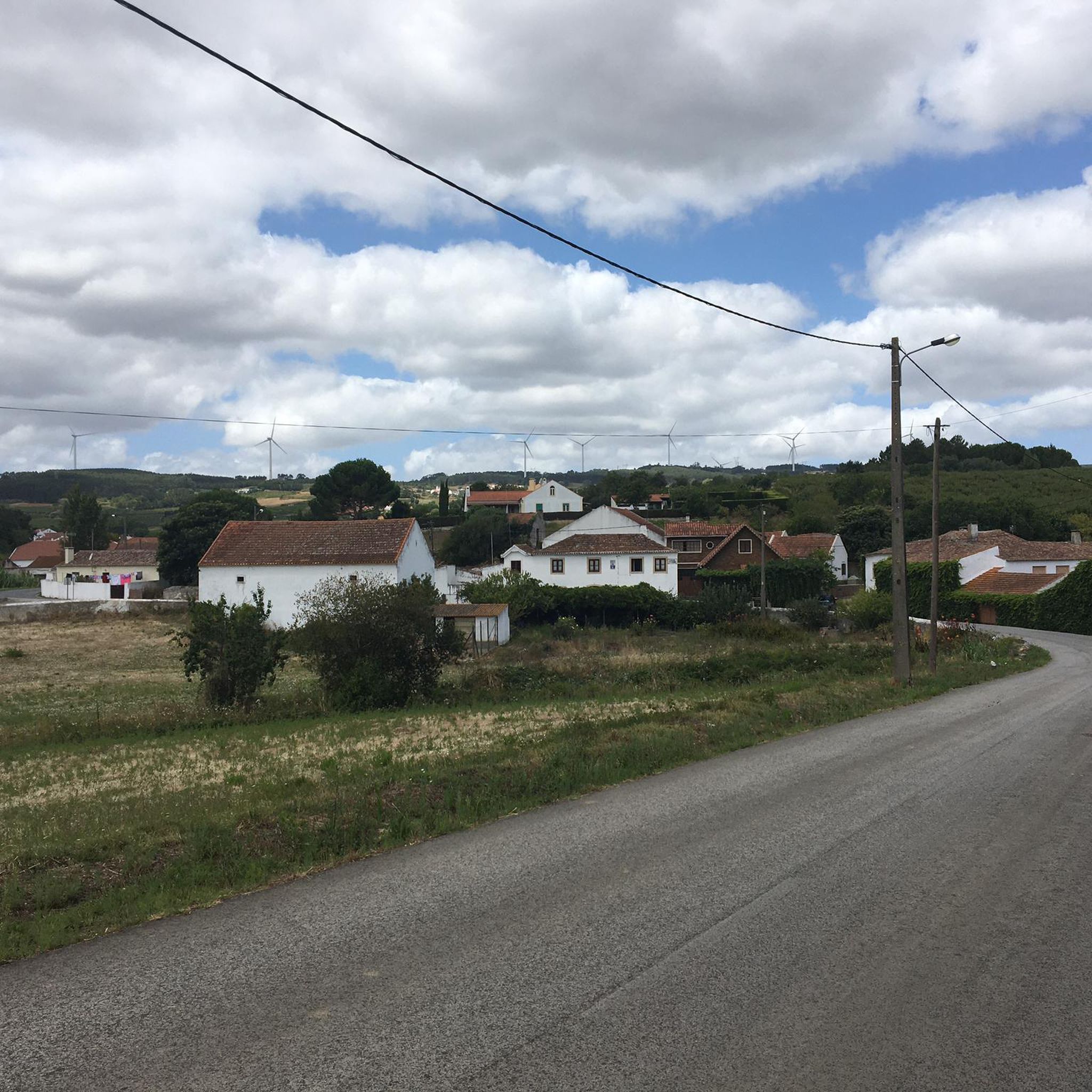
Section of the path on a gravel road that runs alongside the wind farm. The feeling of walking next to a large rotating wind blade is interesting to say the least. Panoramic views of Serra da Archeira.
1
0
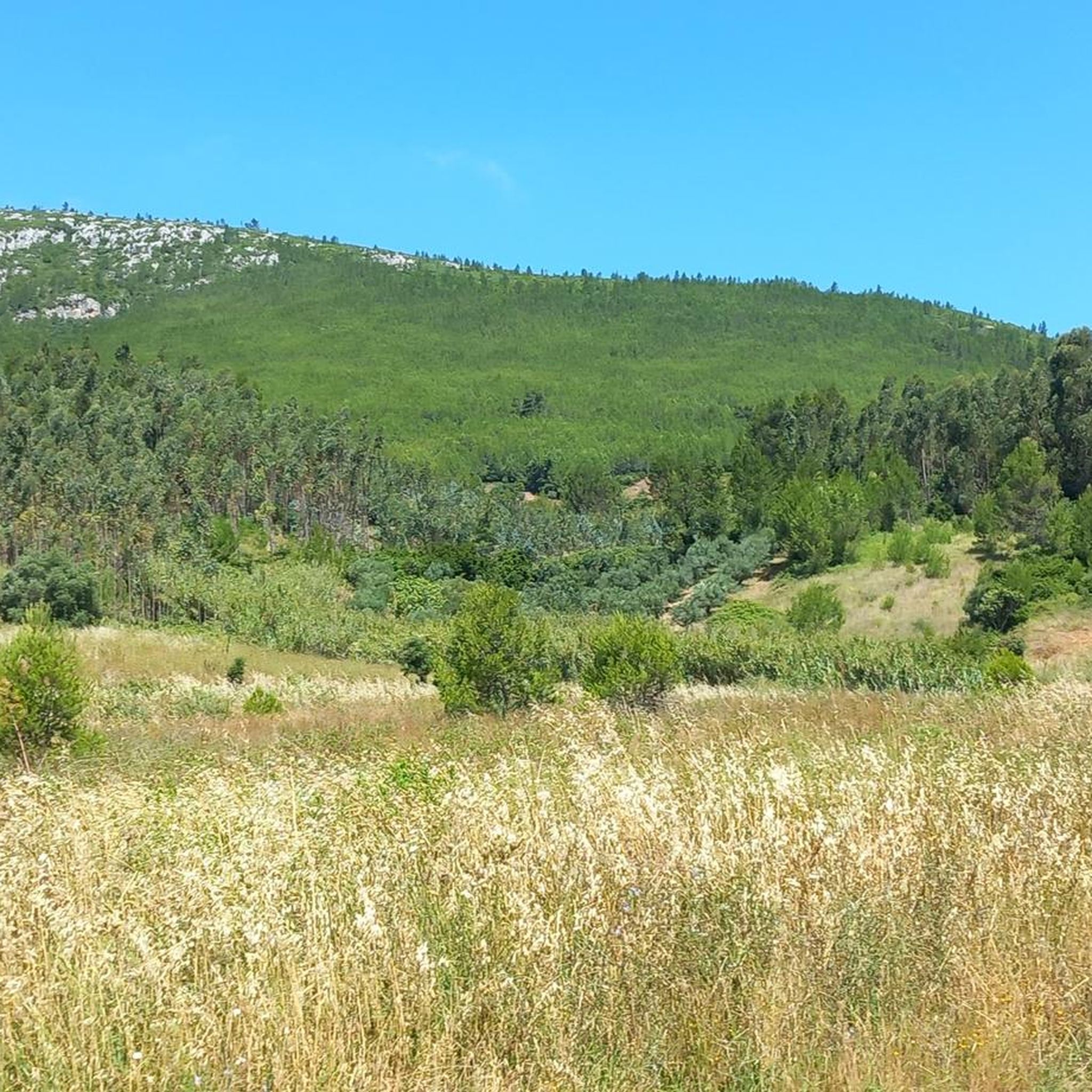
Forte da Archeira, part of the Lines of Towers defensive north of Lisbon during the Peninsular War, is a military fortification located at an altitude of 345 m. It was part of the 1st Defensive Line with the forts of Catefica and Feiteira. Despite not having gunboats, it has traces of a magazine. It forms part of the Lines of Torres, a system of 152 fortifications stretching over 80 km, built between 1809 and 1812 to prevent the advance of Napoleonic troops.
2
0

At the top of Mount Mecca, there was once, I believe it was still working in the 90s, a basalt quarry. it has been closed and has barbed wire to prevent people from entering. As I found out, there were people who went there to bathe, but there was someone who cut part of that fence, and you can get there by bike. The panorama is amazing...
1
0
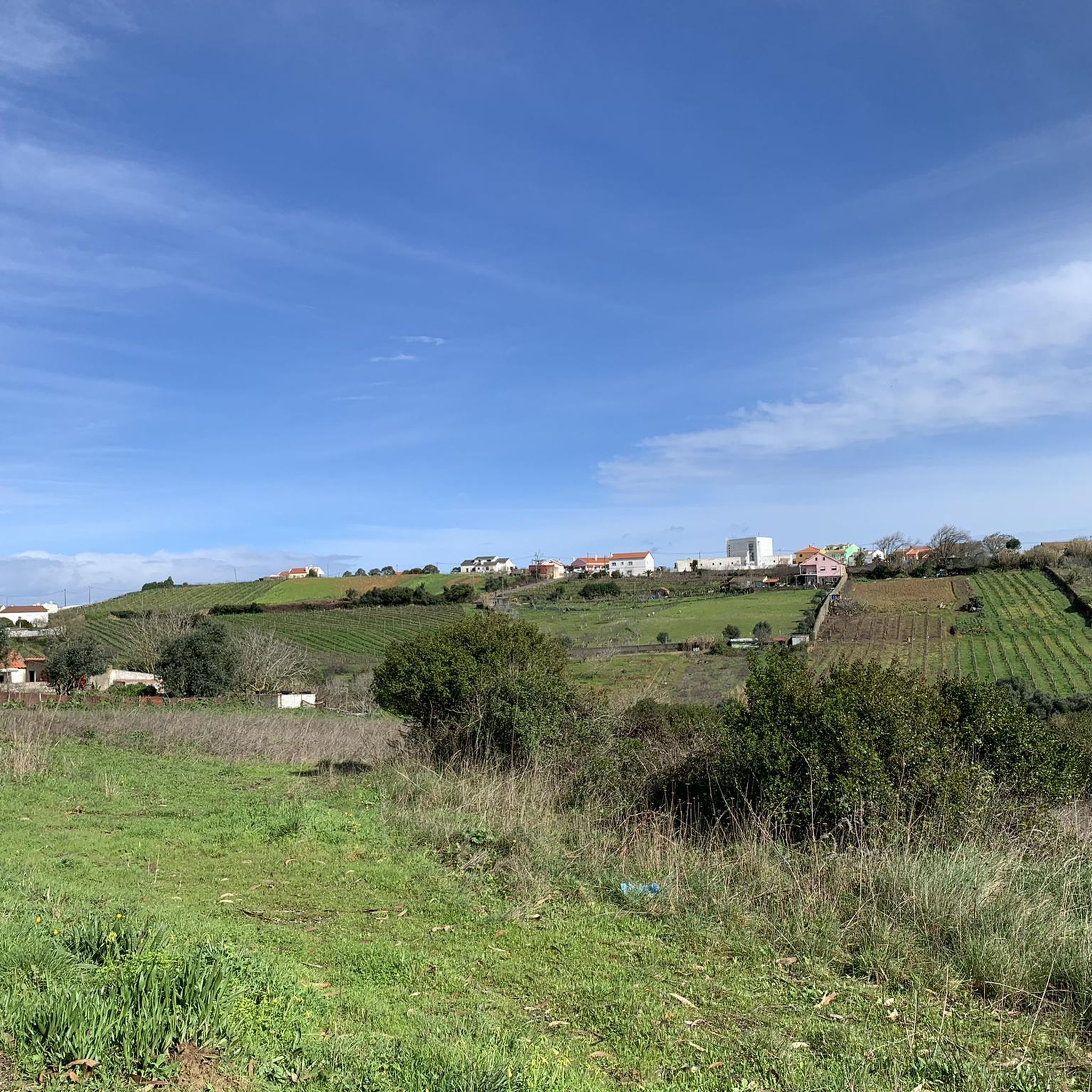
This crater is located in the place usually known as Cabeço de Meca or Cabeço de Santa Quitéria, and is classified as having been a volcanic chimney. This chimney, which was operated as a quarry for the extraction of basaltic material for years, is currently unprotected, as a result of the impasse caused by the PARP, leaving visible the industrial structures that support this extraction, such as a lake in the center of its crater, also a consequence of the same exploitation.
2
0

Frequently Asked Questions
What unique geological features can I explore around Pereiro de Palhacana?
The region, particularly within the influence of the Serra de Montejunto Protected Landscape, is known for its karstic features, including caves and sinkholes. A notable site is Cabeço de Meca Quarry Lake, which is classified as a former volcanic chimney with a lake formed in its crater due to past basalt extraction.
Are there any historical natural monuments in the area?
Yes, the area combines natural beauty with historical significance. You can visit Forte da Archeira, a military fortification at 345 m altitude, part of the Lines of Torres built during the Peninsular War. Another historical site is Moinho do Gaio, a well-preserved windmill offering great views.
What kind of panoramic views can I expect from the natural monuments?
The region offers several excellent viewpoints. The Serra de Montejunto Protected Landscape itself is the highest natural viewpoint in Estremadura, providing expansive vistas. Specific highlights like Forte da Archeira, Serra da Archeira Wind Farm, and Moinho do Gaio all offer panoramic views of the surrounding landscape.
Are there family-friendly natural monuments or activities?
Yes, the Serra da Archeira Wind Farm features a gravel road suitable for walks, offering an interesting experience next to large wind blades. Additionally, Moinho Swing is a popular spot with a view, ideal for a family picnic.
What outdoor activities can I do near these natural monuments?
The area is excellent for various outdoor activities. You can find numerous hiking trails, such as the 'Sobral de Monte Agraço Swings Trail' or the 'Route of Serra da Archeira — circular route'. For running, options include 'Running loop from Sobral de Monte Agraço'. Road cycling enthusiasts can explore routes like 'View of Serra de Montejunto – Montejunto Monument loop'. You can find more details on these activities in the hiking, running, and road cycling guides for Pereiro de Palhacana.
What is the best time of year to visit the natural monuments around Pereiro de Palhacana?
The Serra de Montejunto Protected Landscape, which encompasses many of the region's natural monuments, offers diverse experiences throughout the year. Spring and autumn are generally ideal for hiking and exploring due to milder temperatures and vibrant flora. However, the panoramic views and historical sites can be enjoyed in most seasons, with winter offering a different, often clearer, perspective.
Can I spot any wildlife or unique flora near the natural monuments?
Yes, the Serra de Montejunto Protected Landscape is a biodiversity hotspot. It's home to approximately 75 bird species, including endangered ones like Bonelli's eagle and the Eurasian eagle-owl. The area also boasts about 400 species of flora, representing 15% of all occurrences on mainland Portugal, including endemic species, making it a great spot for nature observation.
Are there any specific trails or walks recommended for exploring the natural monuments?
While specific trails directly linking all natural monuments aren't detailed, the region offers various routes. For instance, the Serra da Archeira Wind Farm has a gravel road suitable for walking. You can find numerous hiking and running trails in the broader area, such as the 'Route of Serra da Archeira — circular route', which allows you to explore the natural surroundings. More detailed routes are available in the hiking guide.
What should I wear for a hike to the natural monuments?
Given the diverse terrain, which can include steep and rocky sections, comfortable and sturdy hiking shoes are highly recommended. Layered clothing is advisable to adapt to changing weather conditions, especially when visiting viewpoints at higher altitudes like Serra de Montejunto, where it can be windier. Don't forget sun protection and sufficient water.
Is it possible to find parking near the natural monuments and trails?
While specific parking details for every natural monument are not provided, many trailheads and popular sites in the Alenquer region generally offer parking facilities. For instance, areas around the Serra de Montejunto Protected Landscape are equipped for visitor access. It's advisable to check local signage upon arrival for designated parking areas.
What makes the Serra de Montejunto Protected Landscape so significant?
The Serra de Montejunto Protected Landscape is significant for several reasons: it's the highest natural viewpoint in Estremadura, features unique geological karstic formations, and is a biodiversity hotspot with a rich array of flora and fauna, including endangered bird species. It also integrates historical elements like ancient ruins and the Real Fábrica do Gelo, adding cultural depth to its natural appeal.
Are there any natural monuments that are considered 'hidden gems' or less known?
While the main highlights are well-regarded, exploring the broader Serra de Montejunto Protected Landscape can reveal less-trafficked spots. For instance, the specific geological formations like caves and sinkholes, beyond the more accessible Cabeço de Meca Quarry Lake, offer a chance to discover unique natural wonders away from the main paths.
Most popular attractions around Pereiro De Palhacana

Get inspired with the komoot mobile app


Explore more
Extend your search for the best caves by checking out these guides of the top ones around Pereiro De Palhacana:
