Top 18 Natural Monuments around Porto de Mós - São João Baptista e São Pedro
Natural monuments around Porto de Mós - São João Baptista e São Pedro are situated within the Parque Natural das Serras de Aire e Candeeiros, a region characterized by its karst landscapes and geological features. This protected area showcases a variety of natural wonders, including extensive cave systems and significant paleontological sites. The landscape is shaped by the erosion of limestone, resulting in diverse surface and underground formations. It offers opportunities to explore geology and natural scenery.
Best natural monuments…
Last updated: June 29, 2026
Source of the Lis River
Highlight • River
Tip by

Fórnea Waterfall
Highlight • Waterfall
Tip by
Sign up now to discover places like this
Get recommendations on the best single tracks, peaks, & plenty of other exciting outdoor places.
Sign up for free
Buraco Roto Cave-Necropolis
Highlight • Cave
Translated by Google •
Tip by

PR3 Hiking Trail – Serras de Aire e Candeeiros Natural Park
Highlight • Trail
Translated by Google •
Tip by

Pia da Ovelha Cave
Highlight • Cave
Translated by Google •
Tip by

Sign up for free to discover even more natural monuments around Porto de Mós - São João Baptista e São Pedro.
Sign up for free
Already have an account?
Start today with a free account
Your next adventure awaits.
Login or Signup
Popular around Porto de Mós - São João Baptista e São Pedro
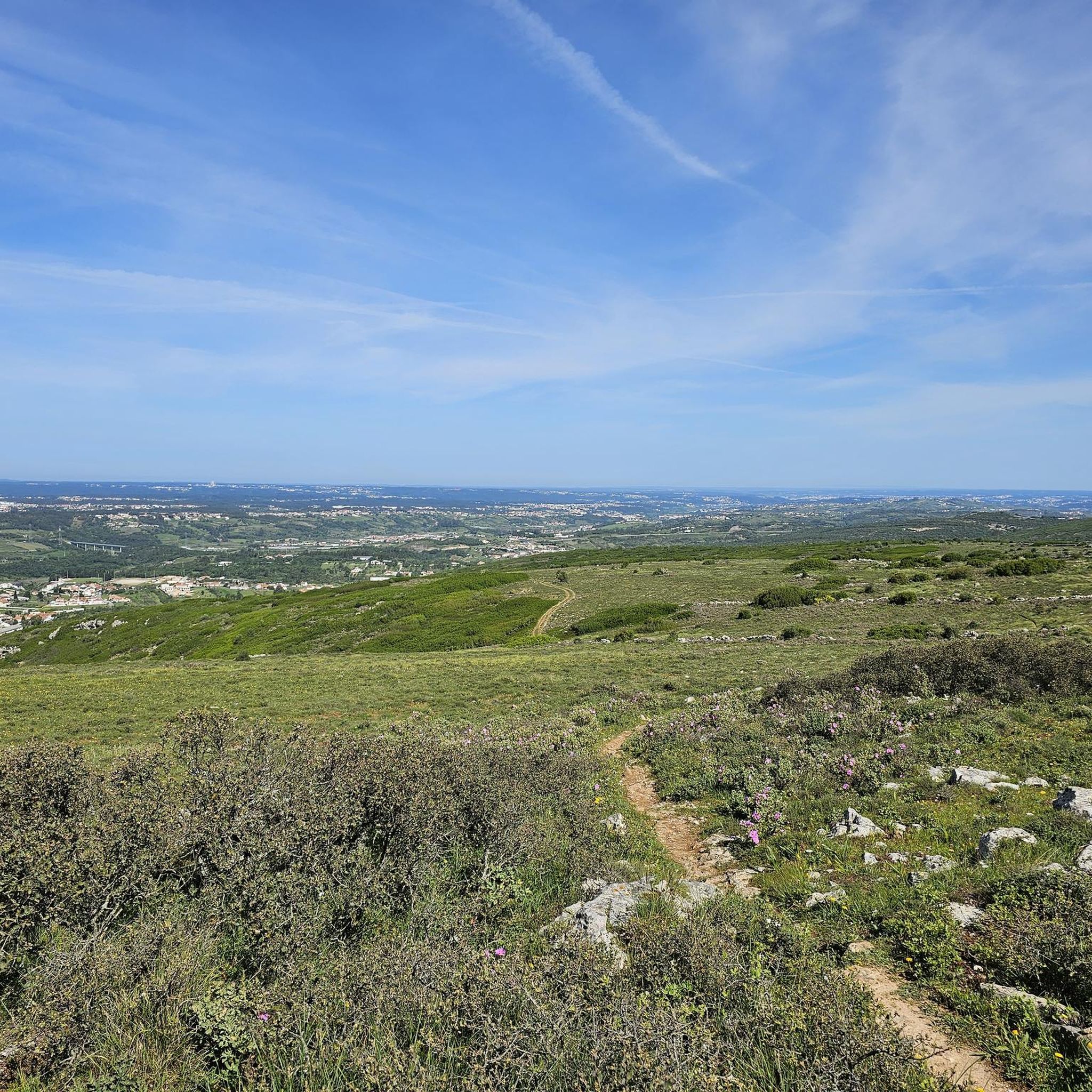
Hiking around Porto de Mós - São João Baptista e São Pedro
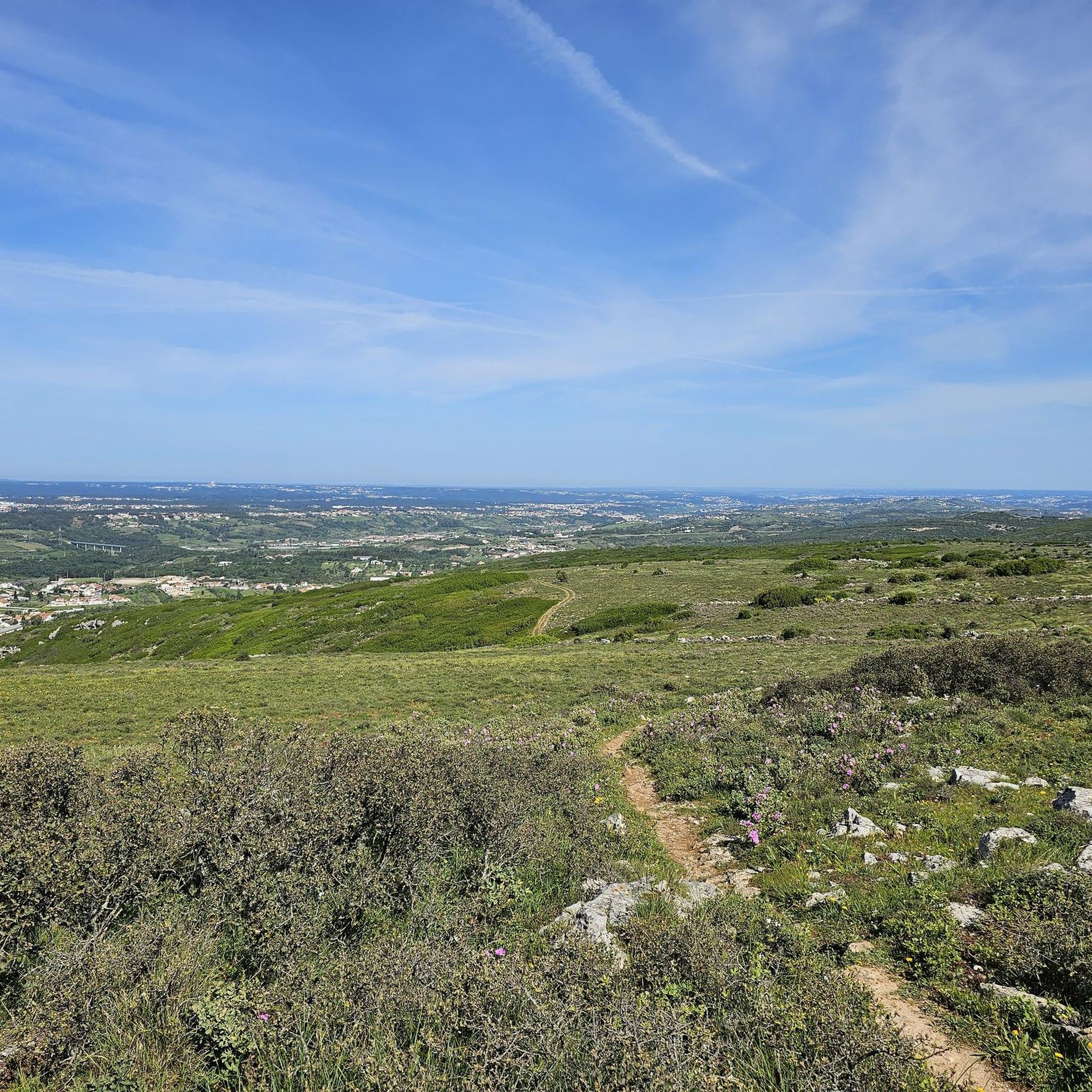
MTB Trails around Porto de Mós - São João Baptista e São Pedro

Running Trails around Porto de Mós - São João Baptista e São Pedro
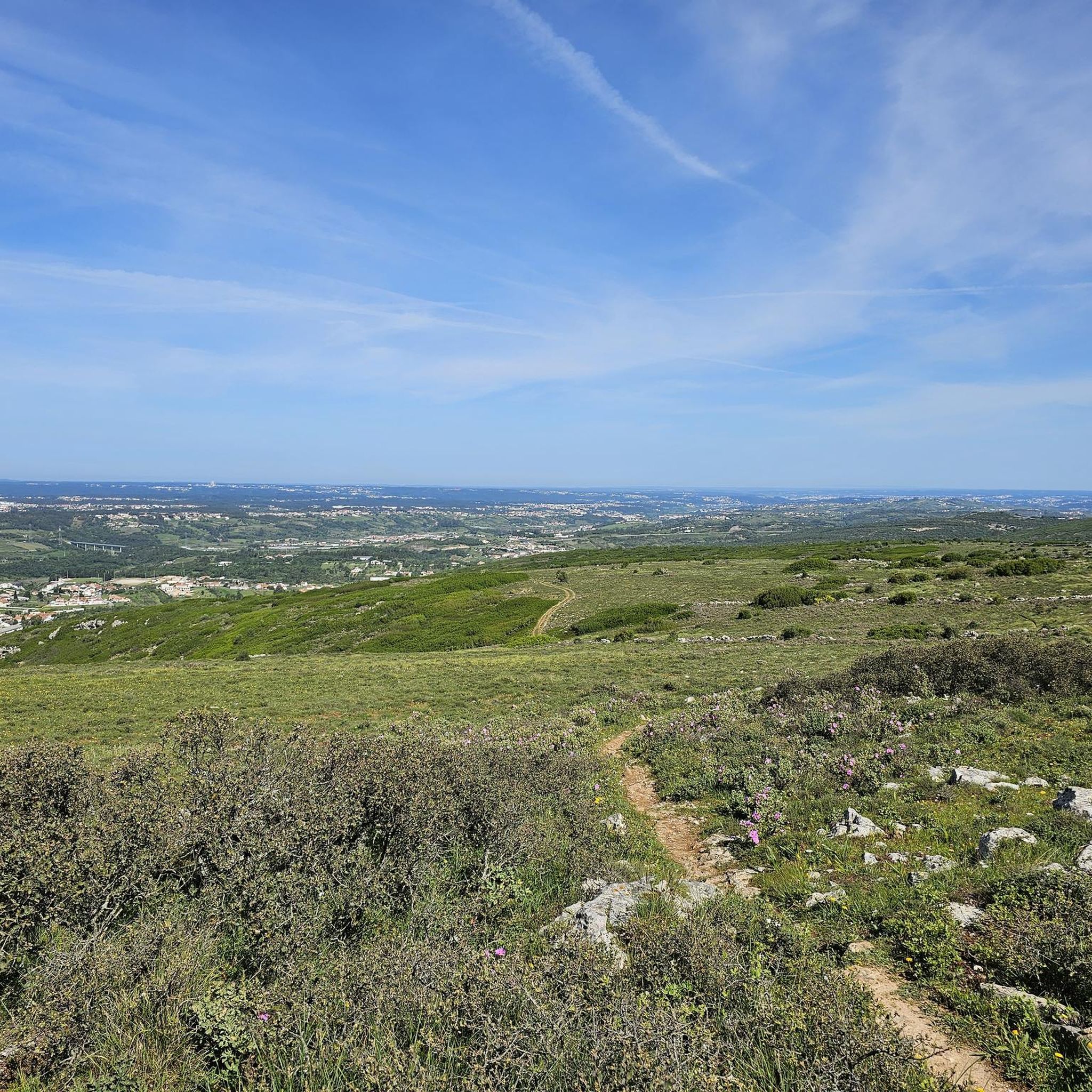
Cycling around Porto de Mós - São João Baptista e São Pedro
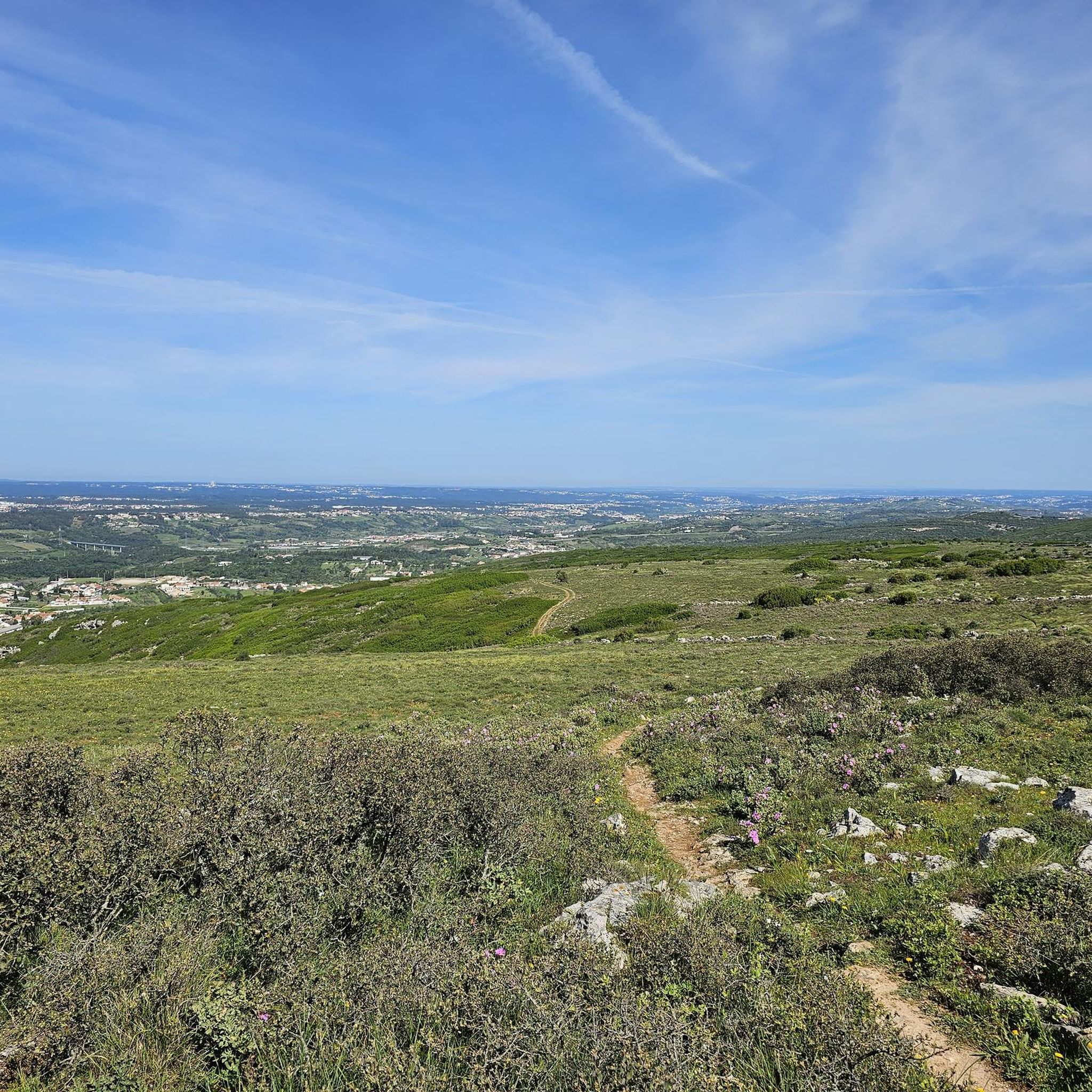
Road Cycling Routes around Porto de Mós - São João Baptista e São Pedro
Tips from the Community

Although the tour is quite short, it thrilled us. On warm days (it was 32 degrees for us) the tour was sweaty. Currently, the authorities have closed the path, a short section of 15 meters has slipped. However, the spot can be easily and safely bypassed.
1
0

The Lis River, whose source is in the town of Fontes, Cortes, is one of the few rivers in the country whose current flows from south to north and, in the final kilometres, from east to west. In winter and early spring, it is possible to see water emerging from the ground in surprising quantities. In the summer months, the source is usually dry.
3
0

The Sheep's Sink is an imposing natural cavity, named after the sink carved under a stalactite that, in the rainy months, pours out abundant water. In the past, this natural refuge served as a drinking trough for cattle.
1
1
The Buraco Roto is a necropolis of singular beauty, hidden in a lush forest of oak, laurel and cork oak trees. In the rainy months, it becomes a natural spectacle, spilling large quantities of water and forming an impressive waterfall.
4
0
The Fórnea Waterfall is located right in the heart of the Serras de Aire e Candeeiros Natural Park, and is fed by the Fórnea Stream, which in turn flows from the Cova da Velha cave.
2
0

Nice quiet route. No water at the waterfall, unfortunately. Because that would give a different experience, certainly worth it for the beautiful views
0
0

The waterfall only appears after heavy rain! Fórnea waterfall just appear after intense rain!
1
0

I recommend it to cyclists who want to push the limits.
3
0
Frequently Asked Questions
What unique geological features can I explore in the Porto de Mós region?
The region is renowned for its extensive karst landscape, part of the Parque Natural das Serras de Aire e Candeeiros. This includes over 130 identified caves, sinkholes, uvalas, and poljes. A particularly striking feature is the Fórnea amphitheater, a massive 250-meter-high, 500-meter-diameter natural amphitheater carved into the limestone.
Are there family-friendly natural monuments suitable for children?
Yes, several natural monuments are suitable for families. The Source of the Lis River is a beautiful spot where water emerges from the earth, especially after rains. The Fórnea Waterfall is also a great family destination, particularly after rainfall. Additionally, the Dinosaur Footprints Natural Monument offers an engaging educational experience with information panels and statues of sauropods.
Where can I see dinosaur footprints in Porto de Mós - São João Baptista e São Pedro?
You can visit the Monumento Natural das Pegadas de Dinossáurios da Serra de Aire. This site preserves extraordinary fossil records from the Middle Jurassic period, featuring some of the longest and best-preserved sauropod dinosaur trackways in the world. It's an excellent place to observe ancient footprints and learn about these creatures.
What kind of caves can I visit in the area?
The region is famous for its caves. The Grutas de Mira de Aire are the largest caves in Portugal, offering guided tours through spectacular stalactites, stalagmites, and underground lakes. Other notable caves include Pia da Ovelha Cave, an imposing natural cavity, and Cova da Velha, where the Fórnea stream originates. The park also features Grutas de Alvados and Grutas de Santo António.
Are there hiking opportunities near the natural monuments?
Absolutely. The Parque Natural das Serras de Aire e Candeeiros offers numerous hiking trails. You can find easy hikes like the 'Fórnea Waterfall – Fornea Waterfall loop' or the 'Source of the Lis River – Olive Tree loop'. For more options, explore the easy hikes around Porto de Mós - São João Baptista e São Pedro guide. The PR3 Hiking Trail also offers a scenic route with many natural spectacles.
What is the significance of the dry stone walls in the landscape?
The dry stone walls, known locally as 'chousos' or 'cerrados,' and stone piles called 'maroiços,' are distinctive cultural and natural features. Built by shepherds over centuries, they define properties and clear land from rocks, creating a unique visual 'puzzle of grey stone walls looking over the green meadows' that characterizes the region and represents a harmonious interaction between human activity and the natural environment.
When is the best time to visit the natural monuments, especially waterfalls and river sources?
For waterfalls like Fórnea Waterfall and river sources like the Source of the Lis River, the best time to visit is during winter and early spring, or after heavy rains. This is when the water flow is most visible and impressive. The caves, however, maintain a constant temperature year-round, making them suitable for visits anytime.
What outdoor activities are available besides hiking?
Beyond hiking, the region offers excellent opportunities for cycling. You can find various routes for touring bicycles and road cycling. For instance, there are routes like the 'Porto de Mós Greenway – Pedreiras Windmill loop' or the 'Igreja Matriz da Batalha – Porto de Mós Castle loop'. You can discover more options in the cycling guide and road cycling guide for the area.
What should I know before visiting the Grutas de Mira de Aire?
The Grutas de Mira de Aire are Portugal's largest caves, with about 600 meters accessible to the public. Guided tours are available, allowing you to explore the illuminated chambers. The caves maintain a constant temperature of 17°C. Be prepared for descending over 600 steps, though an elevator assists with the return to the surface.
What makes the Parque Natural das Serras de Aire e Candeeiros unique?
The Parque Natural das Serras de Aire e Candeeiros is unique due to its exceptional karst landscape, shaped by limestone erosion. This results in a diverse array of geological features, including extensive cave systems, sinkholes, and the impressive Fórnea amphitheater. It's also home to significant paleontological sites like the dinosaur footprints, making it a blend of geological marvels and ancient history.
Are there any natural monuments that are less known or 'hidden' gems?
While popular sites draw crowds, the region's extensive karst landscape means many smaller, less-known features exist. The Pia da Ovelha Cave, for example, is an imposing natural cavity that once served as a drinking trough for cattle. Cova da Velha, the source of the Fórnea stream, is another natural spring that reveals its beauty, especially after heavy rains.
What do visitors enjoy most about the natural monuments in this region?
Visitors particularly enjoy the geological diversity, from the vast cave systems to the unique karst formations. The opportunity to witness natural phenomena like the Source of the Lis River and the Fórnea Waterfall after rainfall is highly appreciated. The paleontological significance of the dinosaur footprints also offers a captivating glimpse into ancient history, making for a truly enriching experience.
Most popular routes around Porto de Mós - São João Baptista e São Pedro
Most popular attractions around Porto de Mós - São João Baptista e São Pedro

Get inspired with the komoot mobile app


Explore more
Extend your search for the best caves by checking out these guides of the top ones around Porto de Mós - São João Baptista e São Pedro:
