Top 7 Natural Monuments around Coto
Best natural monuments around Coto, a civil parish within Caldas da Rainha, Portugal, offer a diverse range of natural spaces. The region features a unique coastal landscape with extensive beaches, lagoons, and dramatic cliffs shaped by the Atlantic. Visitors can explore geological formations, protected dunes, and serene natural areas. This area provides opportunities for appreciating coastal ecosystems and natural beauty.
Best natural monuments around Coto
- The most popular natural monuments is Foz do Arelho Beach, a beach and natural…
Last updated: August 23, 2026
Salir do Porto Dune
Highlight • Natural Monument
Translated by Google •
Tip by

Foz do Arelho Beach
Highlight • Beach
Translated by Google •
Tip by

Sign up now to discover places like this
Get recommendations on the best single tracks, peaks, & plenty of other exciting outdoor places.
Sign up for free
Fonte Pena da Colvina
Highlight • Natural Monument
Translated by Google •
Tip by
Penedo Furado Rock Arch
Highlight • Natural Monument
Translated by Google •
Tip by
View of the Coastal Cliffs
Highlight • Viewpoint
Tip by

Sign up for free to discover even more natural monuments around Coto.
Sign up for free
Already have an account?
Start today with a free account
Your next adventure awaits.
Login or Signup

Tips from the Community

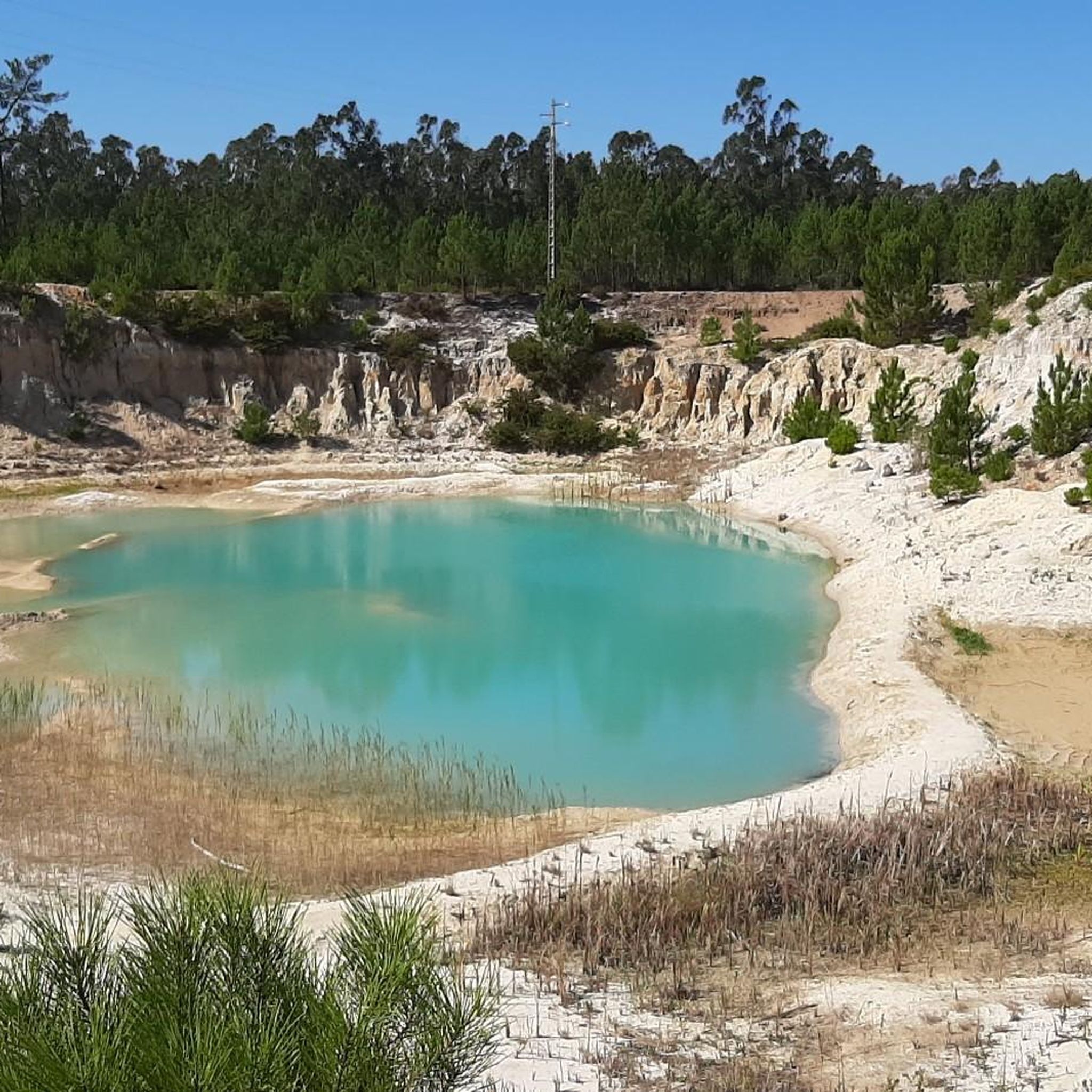
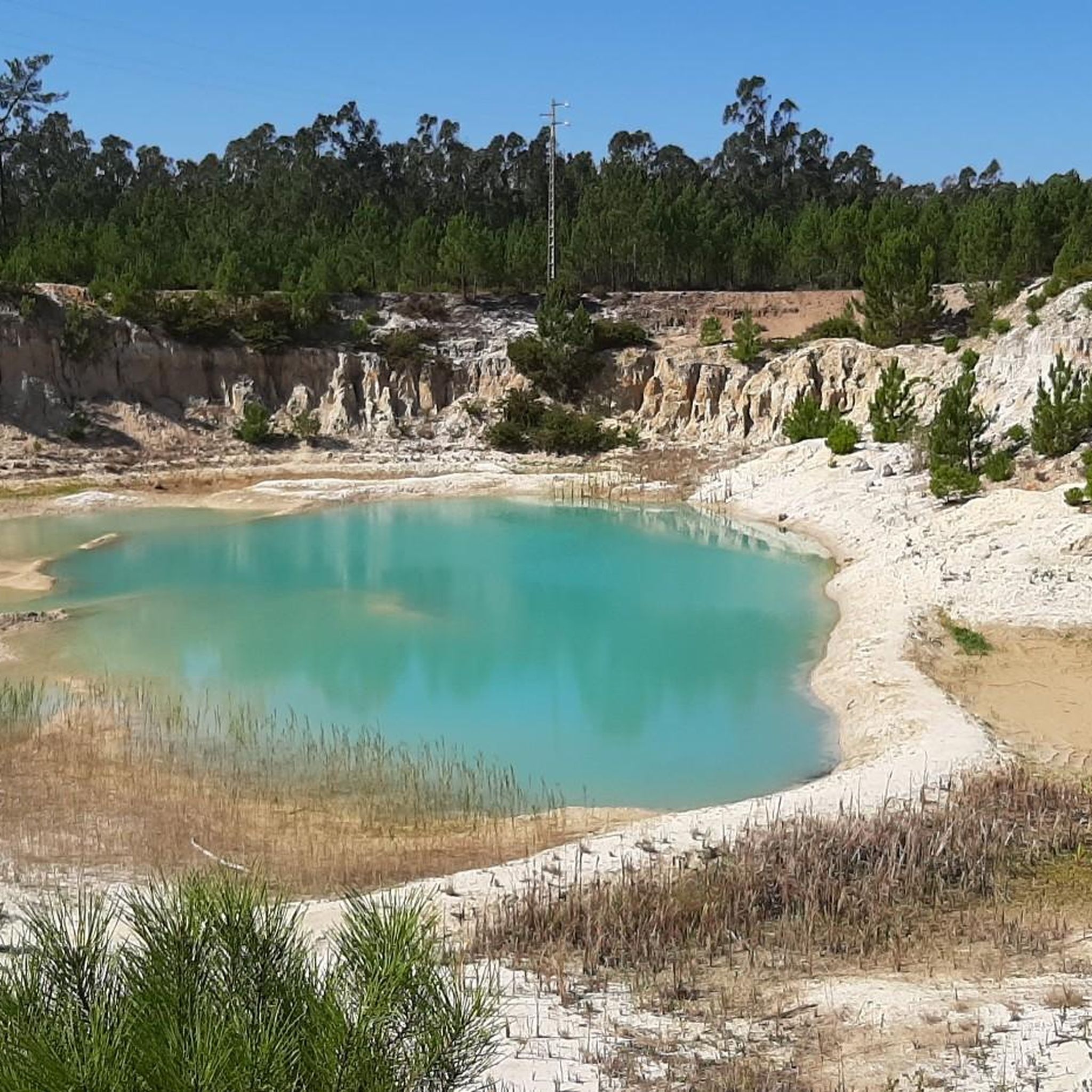
Penedo Furado dates back to the Jurassic period, when the sea bathed this inland area, close to Nadadouro. It is now a huge rock, light brown in colour and on the side facing the Óbidos Lagoon, signs of erosion are visible, with deep cavities and one of them ended up going through the rock, forming a passage.
1
0

The coast is spectacular and there are some paths leading next to the coastal cliffs. It's beautiful there!
1
0
The Pena da Gouvinha fountain used to serve the locals. There was a queue to fill the bottles, so much so that it was decided that each resident could only take eight bottles of water and would have to “give others a chance”. Today it serves as a stopping point to cool off during the walk and, if you wish, you can take advantage of the place to eat whatever you have prepared at home. There is a picnic area next to the fountain. The place name Pena da Gouvinha suggests that barbarians passed through here. Gouvinha is a personal name of Germanic origin, still documented in the 12th century as Gaudina.
3
0

Salir do Porto has a river beach, on the bank of the Tornada River, which flows into the bay of São Martinho do Porto. Salir beach is famous for its sand dune about 50 meters high. Once the largest in Europe, the Salir Dune stands out in the dune landscape of São Martinho Bay. The core of the Dune is partly made up of red sandstone, a vestige of an older dune – a fossil dune. There are other rock beaches in the coastal area that are locally called Quebradas. It was in the Ruins of the artisanal Customs House of Salir that the caravels that participated in the discoveries and conquests were built during the reigns of D. Afonso V and D. João II. The extinct parish was made up of the towns of Salir do Porto, Casais de Salir do Porto and Bouro.
0
0

Climbing up the sand dune and sliding down from the top is the highlight for everyone
3
0
Be sure to go up there from the top, great view and slide down on your bum. Large dune that clings to the rocks there, perfect for hiking. At the foot of the dune, the Tornada river flows into the sea.
3
0
The Óbidos Lagoon is a fascinating combination of natural beauty, cultural heritage and adventure activities. This coastal lagoon with its unique ecosystem
1
1
Praia de Salir do Porto is next to the mouth of the Rio Tornada or Rio Salir on the south bank. The sand is very extensive, it is wider in the south and narrows as we walk north. This beach is known for its huge dune about 50 meters high, the highest in Portugal.
3
0
Frequently Asked Questions
What are the most popular natural monuments around Coto?
The most popular natural monuments include Foz do Arelho Beach, known for its unique combination of ocean waves and a calm lagoon, and Salir do Porto Dune, which is the highest dune in Portugal and offers expansive views. Another highly regarded site is Penedo Furado Rock Arch, a natural rock formation dating back to the Jurassic period.
Are there family-friendly natural monuments around Coto?
Yes, several natural monuments are suitable for families. Foz do Arelho Beach is particularly good, as its lagoon provides shallow, calm waters ideal for children. Additionally, climbing and sliding down the Salir do Porto Dune is a popular activity for visitors of all ages. The Fonte Pena da Colvina also offers a picnic area, making it a pleasant stop for families.
What unique geological features can I see near Coto?
The region boasts several unique geological features. The Penedo Furado Rock Arch is a prime example, showcasing a huge rock with deep cavities and a passage formed by sea erosion, dating back to the Jurassic period. The Salir do Porto Dune, as Portugal's highest dune, is another impressive natural formation. The dramatic Coastal Cliffs also offer spectacular views and demonstrate the powerful forces of nature shaping the coastline.
What outdoor activities can I do near these natural monuments?
The area around Coto offers a variety of outdoor activities. You can enjoy hiking along the scenic easy hikes, including routes that take you past the Penedo Furado Rock Arch and Foz do Arelho Beach. For cycling enthusiasts, there are numerous MTB trails and gravel biking routes, many of which explore the beautiful Óbidos Lagoon area. Water sports like kayaking and paddleboarding are also popular on the Óbidos Lagoon.
Are there hiking trails near the natural monuments?
Yes, there are several hiking opportunities. You can find easy hikes around Coto that lead to or past natural monuments. For instance, there's an easy loop from Foz do Arelho that includes the Penedo Furado Rock Arch and Foz do Arelho Beach. Another easy route from Salir do Porto takes you to the Salir do Porto Dune and São Martinho do Porto Beach.
What do visitors enjoy most about the natural monuments in Coto?
Visitors particularly enjoy the diverse coastal landscape. The ability to swim in both the ocean and the calm lagoon at Foz do Arelho Beach is a highlight. The thrill of climbing and sliding down the Salir do Porto Dune is also very popular. Many appreciate the unique geological formations like the Penedo Furado Rock Arch and the spectacular views from the Coastal Cliffs.
Are there good viewpoints to appreciate the natural beauty?
Absolutely. The top of the Salir do Porto Dune offers great expansive views of the surrounding area. Additionally, the View of the Coastal Cliffs provides spectacular panoramic vistas of the Atlantic coastline. The Óbidos Lagoon itself, visible from various points, is also a beautiful sight.
Can I find picnic or resting spots near the natural monuments?
Yes, the Fonte Pena da Colvina is an excellent spot for a break. It features a picnic area and even a BBQ spot, making it ideal for a relaxing stop during your walk. Many beaches, like Foz do Arelho Beach, also offer ample space for relaxation.
What is the best season to visit the natural monuments around Coto?
The region's natural monuments, particularly the coastal areas and beaches, are generally best enjoyed during the warmer months, from late spring to early autumn (May to October). This period offers pleasant weather for swimming, hiking, and exploring the dunes and cliffs. However, the natural beauty can be appreciated year-round, with quieter experiences in the off-season.
Are there any natural areas beyond the immediate highlights that are worth exploring?
Yes, the wider Caldas da Rainha municipality, where Coto is located, offers more natural spaces. The Óbidos Lagoon is a significant ecosystem rich in aquatic species and migratory birds, perfect for birdwatching and leisurely walks on its boardwalks. You can also explore the Foz do Arelho Walkways, which are scenic wooden paths perched on Atlantic cliffs, offering breathtaking ocean views.
Are the natural monuments accessible for visitors with limited mobility?
While specific accessibility details for each monument vary, the Foz do Arelho Walkways, located near Coto, are designed to provide accessible pathways along the coast, linking beaches and dunes. For other sites like the Salir do Porto Dune or Penedo Furado Rock Arch, access might involve uneven terrain or stairs, so it's advisable to check specific conditions if mobility is a concern.
Are there any historical or cultural aspects linked to the natural monuments?
While primarily natural, some sites have historical connections. The Fonte Pena da Colvina, for example, used to be a vital water source for locals, and its place name suggests Germanic origins from the 12th century. The Penedo Furado Rock Arch dates back to the Jurassic period, offering a glimpse into ancient geological history.
Most popular attractions around Coto

Get inspired with the komoot mobile app


Explore more
Extend your search for the best caves by checking out these guides of the top ones around Coto:
