Top 6 Natural Monuments around Santiago
Best natural monuments around Santiago offer diverse natural features and landscapes. The region is characterized by its unique geological formations and water features. These natural sites provide opportunities for outdoor activities and appreciation of the local environment.
Best natural monuments around Santiago
- The most popular natural monuments is Long Lake, a lake that is the largest water reservoir in the Serra da Estrela. Located at an altitude of approximately 1,600 meters, it features glacial origins and numerous glacial scars…
Last updated: May 18, 2026
Covão dos Conchos Trail
Highlight (Segment) • Natural Monument
Translated by Google •
Tip by

Long Lake
Highlight • Lake
Translated by Google •
Tip by

Sign up now to discover places like this
Get recommendations on the best single tracks, peaks, & plenty of other exciting outdoor places.
Sign up for free
Lapa dos Dinheiros River Beach
Highlight • Beach
Translated by Google •
Tip by

Cornos do Diabo
Highlight • Natural Monument
Translated by Google •
Tip by
Poço da Broca de Serapitel
Highlight • Waterfall
Translated by Google •
Tip by

Sign up for free to discover even more natural monuments around Santiago.
Sign up for free
Already have an account?
Start today with a free account
Your next adventure awaits.
Login or Signup

Tips from the Community

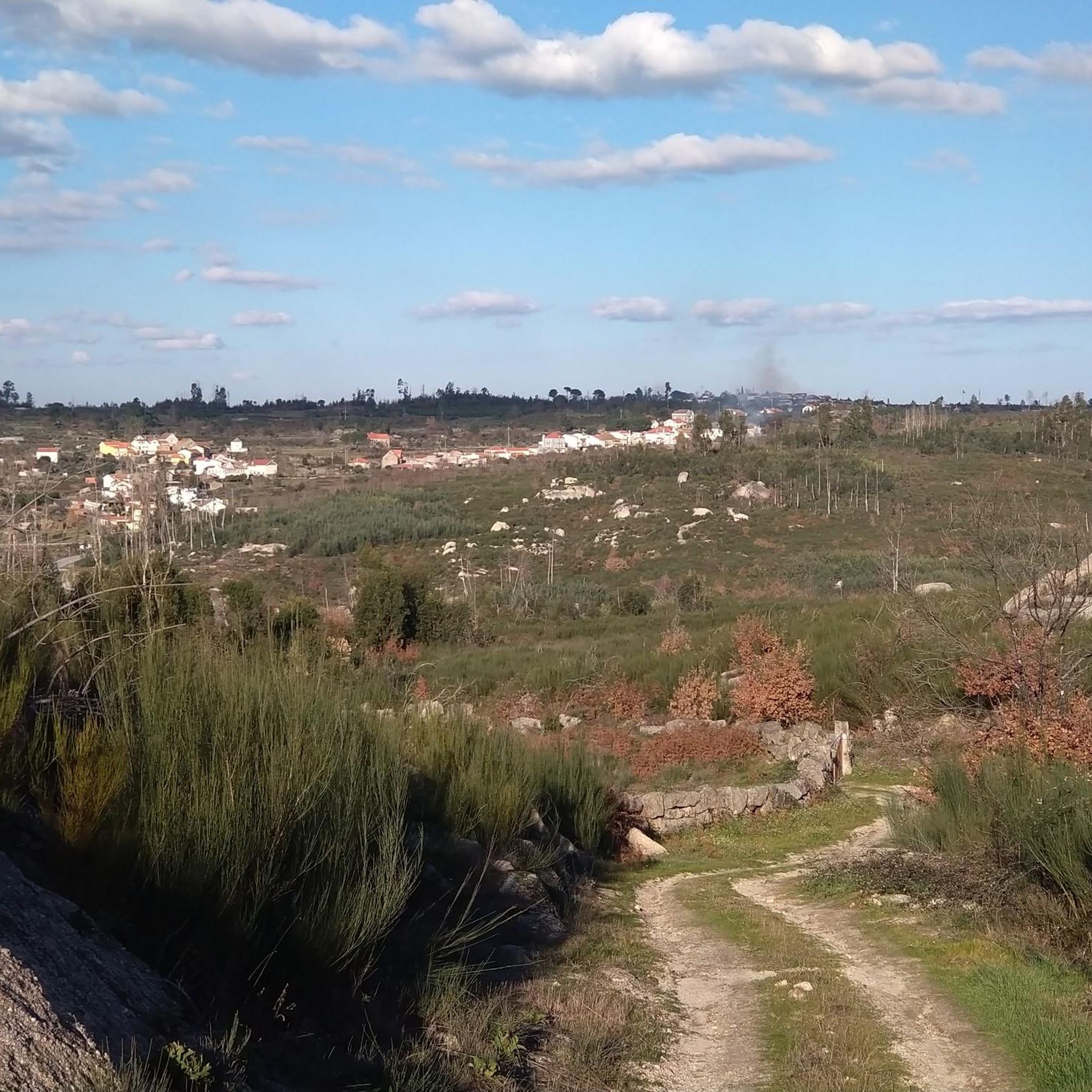
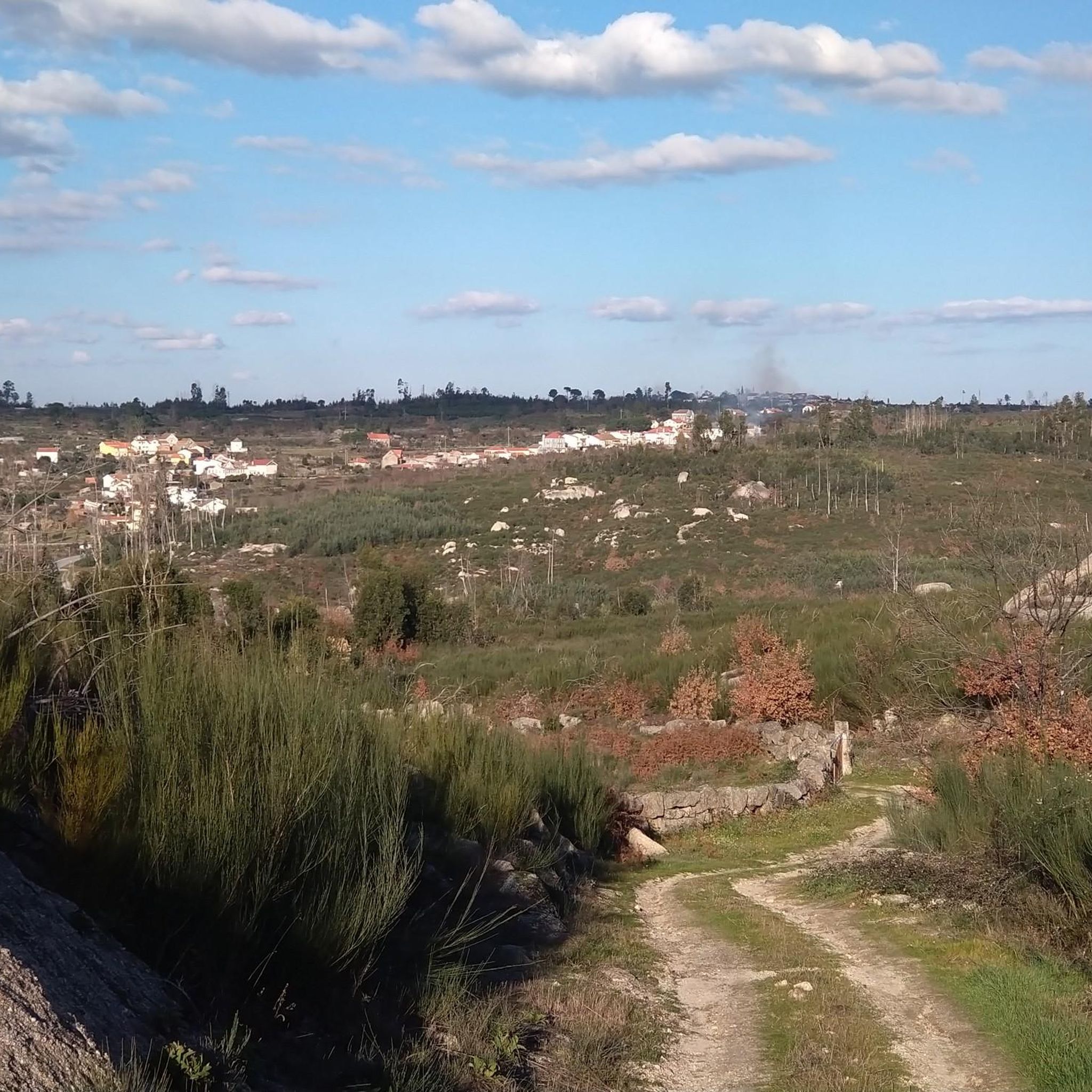
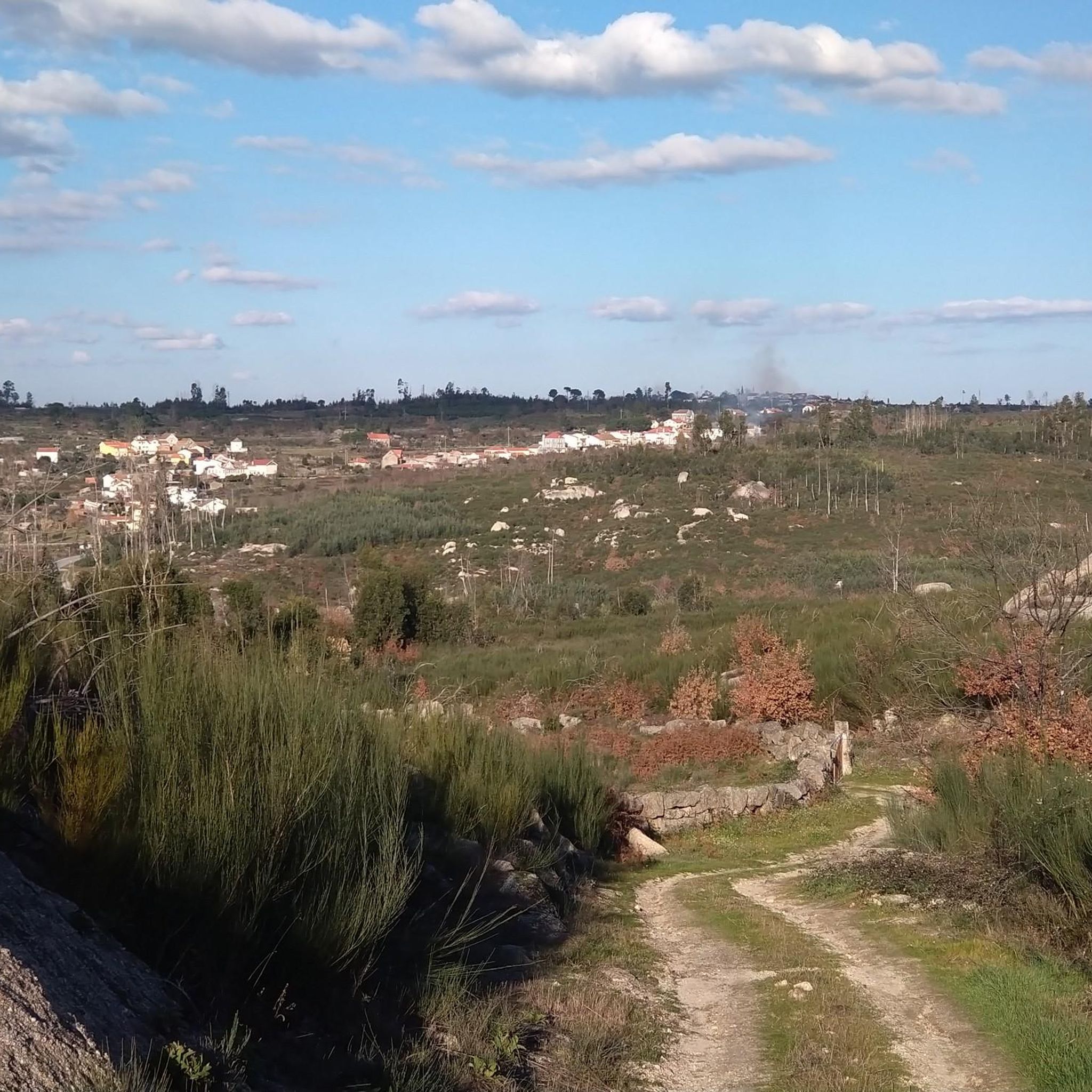
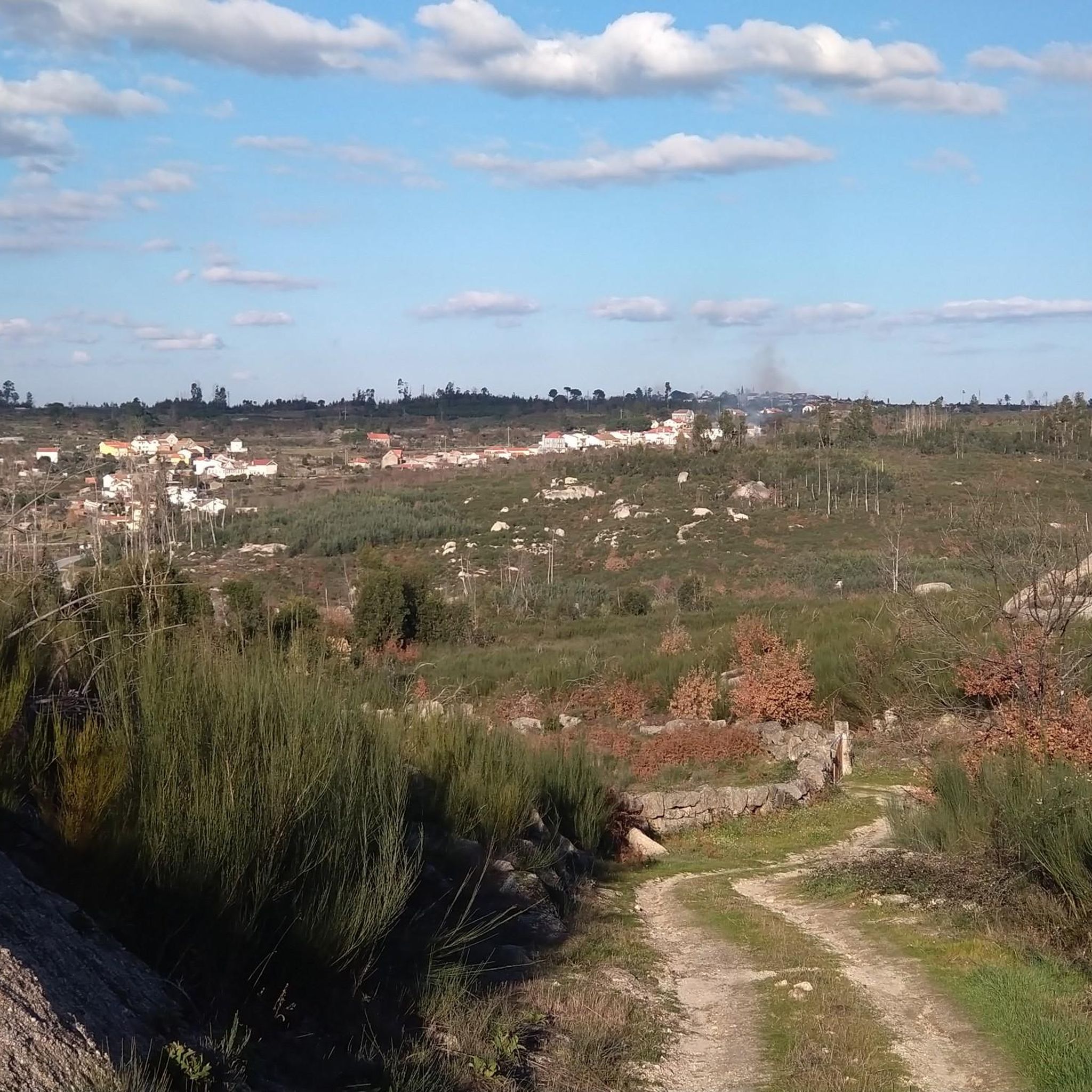
The Devil's Horns are a prominent granite rock formation with two horn-like points, located in the Serra da Estrela mountain range, near Lapa dos Dinheiros and Senhora do Desterro (not in Gerês, but in Seia, Portugal). They are the highlight of a famous circular hiking trail that follows a water channel and the Caniça stream, offering stunning landscapes, lagoons, and waterfalls. 👍🥾
0
0

Covão dos Conchos is an artificial lagoon located in the Serra da Estrela Natural Park, Portugal, near the mountain village of Sabugueiro. Covão dos Conchos became famous for its bell-mouth spillway[1]. The spillway was built in 1955 to allow water to be transferred from the Ribeira das Naves River to Lagoa Comprida. It is part of the Serra da Estrela Hydroelectric System. This science fiction-style spillway became famous when photographs of the hole went viral on social media in 2016. Over the past 60 years, the growth of vegetation at the funnel's mouth has created extraordinary biodiversity and increased its ethereal allure. It is 4.6 meters high and 48 meters in circumference. The tunnel that collects the water is 1,519 meters long.
1
0
The Lapa dos Dinheiros river beach is in perfect harmony with nature. Located in the parish of Lapa dos Dinheiros, on the Caniça River, a right-bank tributary of the Alva River, this bathing area is nestled in a mountainous landscape dominated by the Lapa Souto (south of Lapa) and imposing granite outcrops. With clear water, very appealing for swimming, the beach boasts the award for accessible beach and has lifeguards and a bar available to visitors. The rugged terrain of the valley causes the river to form a succession of small waterfalls nearby. The Lapa Souto, in addition to its valuable collection of centuries-old chestnut trees, is also home to a high level of biodiversity. From the bridge, a pedestrian path leads to the Moura Hole and a viewpoint over the Caniça Waterfalls. The Buraco da Moura is a natural cave system created by the sliding and accumulation of large granite blocks, which formed a complex system of rooms and galleries. How to get there? Once in Seia, follow the EN231 to S. Romão. From there, continue uphill for about 5 km, toward Loriga/Lapa, until you find the sign for Lapa dos Dinheiros on the left. Once inside the town, simply follow the beach signs. Coordinates: 40º 23′ 07.0″ N / 7º 41′ 50.1″ W
1
0

A beautiful nature trail, about 9 km round trip to Covão dos Conchos. Unfortunately, on August 15th, the water couldn't reach the hole and thus reveal the waterfalls. It's a reservoir, part of the Serra da Estrela hydroelectric system. A funnel-shaped drainage structure that allows water to flow from this body of water to Lagoa Comprida. The spillway was built in 1955 to divert water from Ribeira das Naves to Lagoa Comprida. Over the past 60 years, moss and foliage have grown over the mouth of the funnel, creating a captivating spectacle. It is 4.6 meters high and 4.8 meters in circumference. The tunnel that collects the water is 1,519 meters long. It's a stunning place to visit, not only for the combination of human intervention and nature, but also for the surrounding landscape.
2
1
Located at an altitude of approximately 1,600 meters, Lagoa Comprida is the largest water reservoir in the Serra da Estrela, intended for hydroelectric generation. This natural lake lies in a wide depression of glacial origin, approximately one kilometer long, which fed the Covão Grande glacier. Numerous glacial scars are visible along its banks, making this lake one of the most interesting geomorphological sites in the Serra da Estrela. Construction on this lake began in 1911, and by 1914, it was already six meters high. Later, in 1965, it underwent heightening work that increased its height to 28 meters, currently boasting a storage capacity of approximately 14 cubic hectometers, flooding an area of approximately 80 hectares. Small streams of water flow into this lagoon, as well as water retained in the Covões dos Conchos and Covões do Meio and carried to this lagoon through underground tunnels.
6
1

The enigmatic Devil's Horns rise from the granite, defying the sky with their six-metre height. Sculpted by erosion over the centuries, they earned this bold name thanks to their sharp and imposing profile. But the charm doesn't end there: around this unique formation, there are small crystal-clear lagoons and serene waterfalls, creating a true natural refuge that seems to have come straight out of a fantasy story.
3
1
Nestled on the banks of the Caniça river, a tributary of the Alva river, this beach area is a haven in the middle of a mountainous landscape, where ancient chestnut trees and granite blocks shape the scenery. The crystal-clear, inviting water is perfect for a refreshing dip. The beach, which has been awarded the title of accessible, has lifeguards and a bar, making the experience even more enjoyable.
3
0

We walked this walk in October, on a beautiful day, after a few days of heavy rain. Due to the previous wet days, parts of the path were quite a challenge. Certainly to keep your feet dry. The advantage was that the water flowed nicely into the 'drain'. Beautiful sight and impressive. Due to the path of pebbles, boulders, unevenness, etc., it is advisable to wear good walking shoes. Take enough food and drink with you, as is always the advice. In sunny weather, protection from the sun is absolutely necessary. There is no protection from the sun during the walk. Walk calmly, enjoy the surroundings and let everything sink in.
4
0
Frequently Asked Questions
What are some of the most popular natural monuments to visit around Santiago?
While the guide highlights several unique spots, visitors frequently enjoy the Long Lake, known as the largest water reservoir in the Serra da Estrela with its glacial origins. Another favorite is the Covão dos Conchos Trail, offering magnificent landscapes and the impressive 'drain' phenomenon. For a refreshing experience, the Lapa dos Dinheiros River Beach is highly regarded for its crystal-clear water and natural setting.
Are there family-friendly natural monuments near Santiago?
Yes, several natural monuments cater to families. The Covão dos Conchos Trail is considered family-friendly, though good shoes are recommended due to loose stones. For a more urban-accessible option, the Parque Metropolitano de Santiago (Cerro San Cristóbal) offers diverse attractions like a zoo, botanical garden, and pools, making it ideal for all ages. The Santuario de la Naturaleza El Arrayán also provides picnic areas and gentle trails suitable for family outings.
What kind of natural features can I expect to see at these monuments?
The natural monuments around Santiago offer a wide array of features. You can find stunning lakes like Long Lake, river beaches with crystal-clear waters such as Lapa dos Dinheiros River Beach, and impressive rock formations like the enigmatic Cornos do Diabo. Waterfalls are also a common sight, including the beautiful Poço da Broca de Serapitel. Beyond these, you'll encounter diverse ecosystems, from glacial landscapes to sclerophyllous forests and native vegetation.
What outdoor activities can I do near these natural monuments?
The region around Santiago's natural monuments is excellent for various outdoor activities. You can find numerous trails for hiking, running, and cycling. For instance, there are many running trails around Santiago, including challenging routes like the 'Oh Meu Deus 50k Trail' and easier loops. Hikers can explore easy trails like the 'Caniçada Waterfall loop from Lapa dos Dinheiros'. Road cyclists can enjoy scenic routes such as the 'Covão do Ferro Lagoon – Serra da Estrela loop from Seia'. You can find more details on these activities in the Running Trails around Santiago, Easy hikes around Santiago, and Road Cycling Routes around Santiago guides.
Are there any natural monuments with historical or cultural significance?
While primarily natural sites, some monuments hold historical context. The Parque Metropolitano de Santiago, particularly Cerro San Cristóbal, features a towering statue of the Virgin Mary, which is a significant landmark. The funicular railway within the park is also a national monument since 2000, adding a layer of historical interest to the natural beauty.
What are the accessibility options for natural monuments in Santiago?
Accessibility varies by location. The Lapa dos Dinheiros River Beach has been awarded the title of an accessible beach, offering facilities and lifeguards. For Parque Metropolitano de Santiago, the funicular and cable car provide accessible ways to reach the summit of Cerro San Cristóbal, and the cable car system operates on certified renewable energy. However, many trails, such as parts of the Covão dos Conchos Trail, can be challenging with loose stones, requiring good walking shoes.
Can I find places to swim or cool off at these natural monuments?
Yes, several natural monuments offer opportunities for swimming. The Lapa dos Dinheiros River Beach is known for its crystal-clear, inviting water perfect for a refreshing dip. The Poço da Broca de Serapitel features a beautiful waterfall with a bathing pool. Additionally, the Santuario de la Naturaleza El Arrayán has the Estero El Arrayán, a stream ideal for swimming on hot days. During summer months, the Tupahue and Antilén Pools within Parque Metropolitano de Santiago also provide popular spots for relaxation and recreation.
What kind of wildlife can be observed in the natural monuments around Santiago?
The natural monuments around Santiago are home to diverse flora and fauna. In the Parque Natural Quebrada de Macul, you might spot emblematic fauna like the culpeo fox and the turca bird, alongside abundant sclerophyllous forest vegetation including native trees such as quillay, maitén, and peumo. The Santuario de la Naturaleza El Arrayán preserves native forests and endangered species like the Guayacán tree, offering a chance to observe cordilleran flora and fauna.
Are there good viewpoints for panoramic scenery?
Absolutely. Many natural monuments offer spectacular panoramic views. The summit of Cerro San Cristóbal in Parque Metropolitano provides stunning vistas of Santiago and the Andes Mountains. The Long Lake and Covão dos Conchos Trail are noted for their magnificent landscapes and vantage points. The Parque Natural Quebrada de Macul also features several viewing platforms that offer magnificent panoramic views of Santiago and the snow-capped Andes.
What do visitors enjoy most about the natural monuments around Santiago?
Visitors particularly appreciate the diverse natural beauty and the opportunities for outdoor activities. Many highlight the magnificent landscapes and impressive views, especially from spots like the Covão dos Conchos Trail. The refreshing experience of swimming in crystal-clear waters at places like Lapa dos Dinheiros River Beach is also a frequent highlight. The sheer size and diverse attractions of Parque Metropolitano, offering a vital green escape, are also highly valued.
Are there options for picnicking or dining near these natural monuments?
Yes, several locations provide amenities for picnicking and dining. The Santuario de la Naturaleza El Arrayán is well-equipped with tables and barbecue grills, making it an ideal spot for family outings and outdoor meals. The Lapa dos Dinheiros River Beach also has a bar available to visitors, enhancing the experience. For more extensive options, the Parque Metropolitano de Santiago has various facilities, including cafes and restaurants, given its urban park setting.
Most popular attractions around Santiago

Get inspired with the komoot mobile app


Explore more
Extend your search for the best caves by checking out these guides of the top ones around Santiago:
