Top 17 Natural Monuments around Vila Nova De Cacela
Best natural monuments around Vila Nova De Cacela are primarily centered around the Ria Formosa Natural Park and its associated beaches, offering diverse ecosystems and picturesque landscapes. This region in the Algarve boasts a unique lagoon system, barrier islands, and extensive sandy shores. The area provides opportunities to explore significant wetlands and coastal environments.
Best natural monuments around Vila Nova De Cacela
- The most popular natural monuments is Ilha de Cabanas de Tavira Beach, a beach that is part…
Last updated: August 23, 2026
Castelo de Tavira Gardens
Highlight • Castle
Translated by Google •
Tip by

Ilha de Cabanas de Tavira Beach
Highlight • Beach
Cabanas is home to many cafes, restaurants and holiday apartments along the …
Translated by Google •
Tip by

Sign up now to discover places like this
Get recommendations on the best single tracks, peaks, & plenty of other exciting outdoor places.
Sign up for free
Cacela Beach
Highlight • Beach
Translated by Google •
Tip by

Manta Rota Beach
Highlight • Beach
Translated by Google •
Tip by

Salt Pans of the Reserva Natural do Sapal de Castro Marim e Vila Real de Santo António
Highlight • Natural Monument
Translated by Google •
Tip by

Sign up for free to discover even more natural monuments around Vila Nova De Cacela.
Sign up for free
Already have an account?
Start today with a free account
Your next adventure awaits.
Login or Signup
Tips from the Community

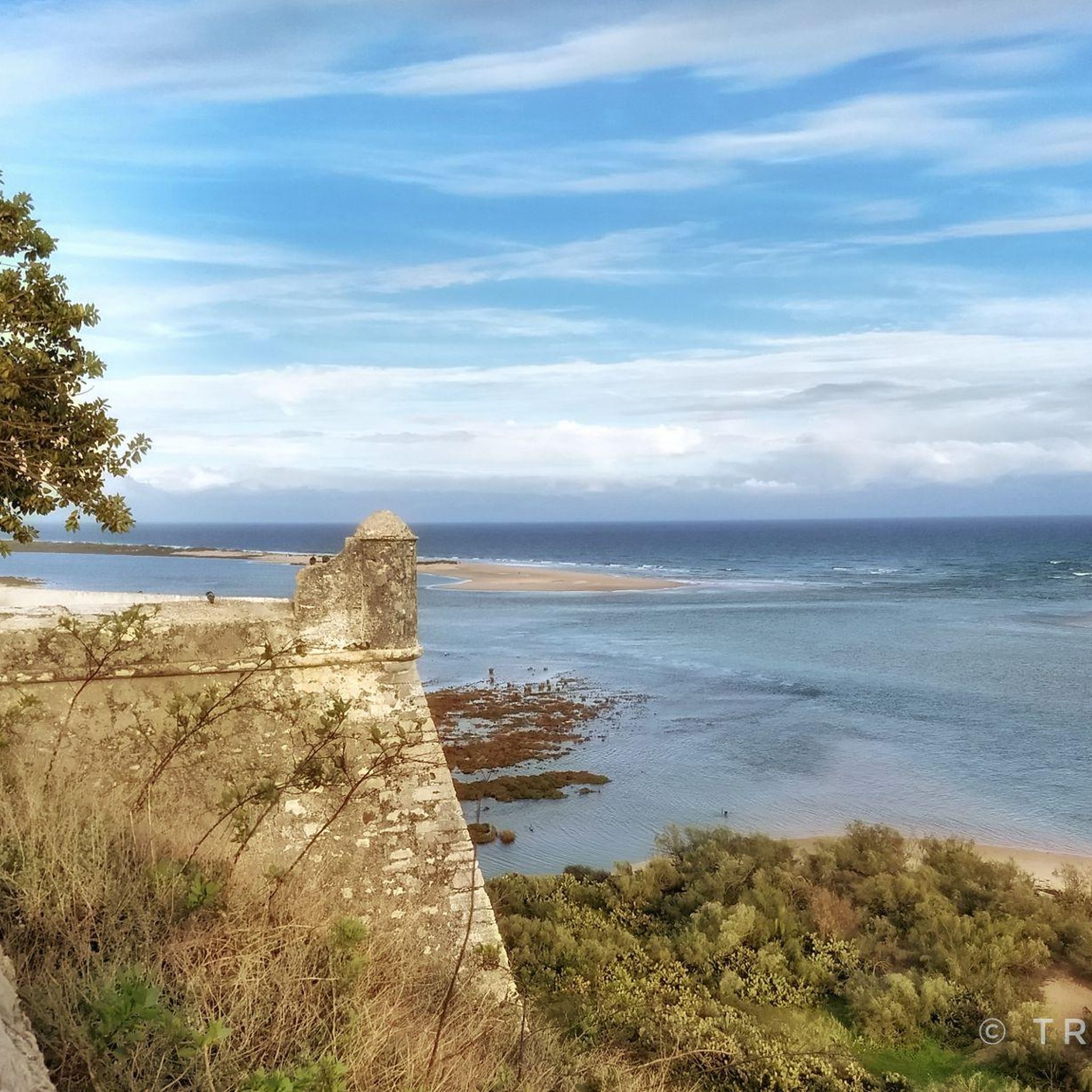
The formal gardens are very pretty and there are also free public toilets there. From the battlements there are good views over Tavira.
1
0


The Castro Marim Salt Pans, located in the Castro Marim and Vila Real de Santo António Salt Marsh Nature Reserve, are a historical and ecological landmark of the Algarve, where the artisanal production of salt and fleur de sel remains alive. 👍
1
0

The garden at Castelo de Tavira is beautiful. The grounds are very well-maintained and feature an interesting botanical selection. It's like being in paradise.
2
0

An important natural product is extracted from the sea's saltwater here. Only through the power of the elements, sun and wind, which evaporate the water in the saltworks' shallow basins, does pure salt remain. Even today, you won't find a kitchen without salt to season dishes. But in earlier times, it had an additional significance: It was important for preserving food—making it so precious that salt was called "white gold."
3
0

The medieval Castle of Tavira dominates over the mouth of the river Gilão. The settlement in the parish of Santiago has developed as an important sea port since antiquity, with its predecessors dating back to the 8th century BC, passing through the hands of Phoenicians, Greeks, Celts, Carthaginians, Romans, Moors and the Portuguese crown. Free access to the grounds.
4
0

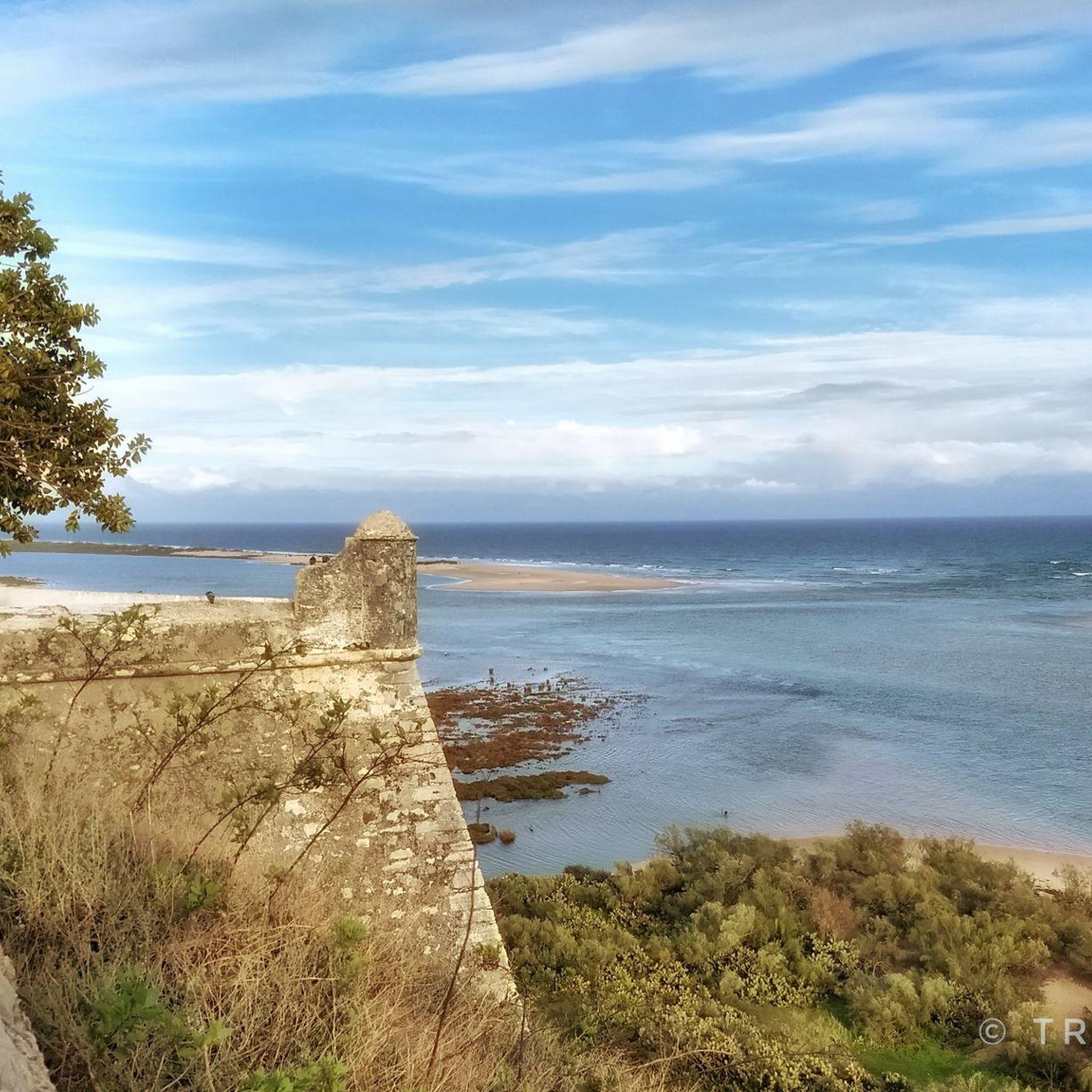
Beautiful view over Tavira from the walls
4
1

Tavira Castle is worth a visit for its wonderful views of the town and the surrounding area, all the way to the sea. This fortified structure originally dates back to the Moorish period, between the 8th and 13th centuries. It was rebuilt after the Reconquest. King D. Diniz (1261-1325), who was defensively minded, thus included Tavira in the line of castles intended for national defense. Several sections of the defensive wall, part of the medieval palace, and an archway, the Arco da Misericórdia, remain.
3
1
Frequently Asked Questions
What kind of wildlife can I expect to see in the natural monuments around Vila Nova De Cacela?
The natural monuments in this region, particularly within the Ria Formosa Natural Park and the Salt Pans of the Reserva Natural do Sapal de Castro Marim e Vila Real de Santo António, are renowned for their diverse birdlife. You can observe numerous species, including flamingos, purple swamphens, little egrets, white storks, and spoonbills. The park serves as a vital winter home and migration stop for many birds.
Are the natural monuments around Vila Nova De Cacela suitable for families?
Yes, many natural monuments in the area are very family-friendly. Manta Rota Beach, for example, is known for its wide, sandy shores, shallow, calm, and warm waters, making it ideal for children. It also offers amenities like lifeguards and playgrounds. The Castelo de Tavira Gardens also provides a pleasant, accessible experience for all ages.
Are there hiking trails near the natural monuments in Vila Nova De Cacela?
Yes, there are several hiking trails that allow you to explore the natural beauty of the region. For instance, you can find easy routes like the 'Quintas de Cacela Trail (PR2)' or the 'Cacela Beach – View of the Ria Formosa lagoon loop from Cacela Velha'. You can discover more options and detailed routes on the Hiking around Vila Nova De Cacela guide.
What other outdoor activities are available near these natural monuments?
Beyond hiking, the area around Vila Nova De Cacela offers various outdoor activities. You can explore numerous road cycling routes, such as the 'Fornalha – Castro Marim Salt Pans loop from Cacela', or mountain biking trails like the 'Tavira Roman Bridge – New bridge over the Gilão River loop from Antigo Apeadeiro de Santa Rita'. Find more details in the Road Cycling Routes around Vila Nova De Cacela and MTB Trails around Vila Nova De Cacela guides.
When is the best time to visit the natural monuments around Vila Nova De Cacela?
The natural monuments, especially the Ria Formosa Natural Park, are beautiful year-round. However, for birdwatching, the migration seasons (spring and autumn) or winter can be particularly rewarding. For beach activities and warmer waters, the summer months are popular, though spring and early autumn offer pleasant temperatures with fewer crowds.
What makes <a href="https://www.komoot.com/highlight/438411" target="_blank" rel="noopener">Ilha de Cabanas de Tavira Beach</a> a popular natural monument?
Ilha de Cabanas de Tavira Beach is popular for its more than 8 km long sandy beach, characterized by dunes, and its location directly on the Ria Formosa. It's accessible by a short boat ride, offering a tranquil paradise for long walks, water sports, and swimming. It has also been awarded the 'Blue Flag' for its quality.
What can I expect at <a href="https://www.komoot.com/highlight/679777" target="_blank" rel="noopener">Cacela Beach</a>?
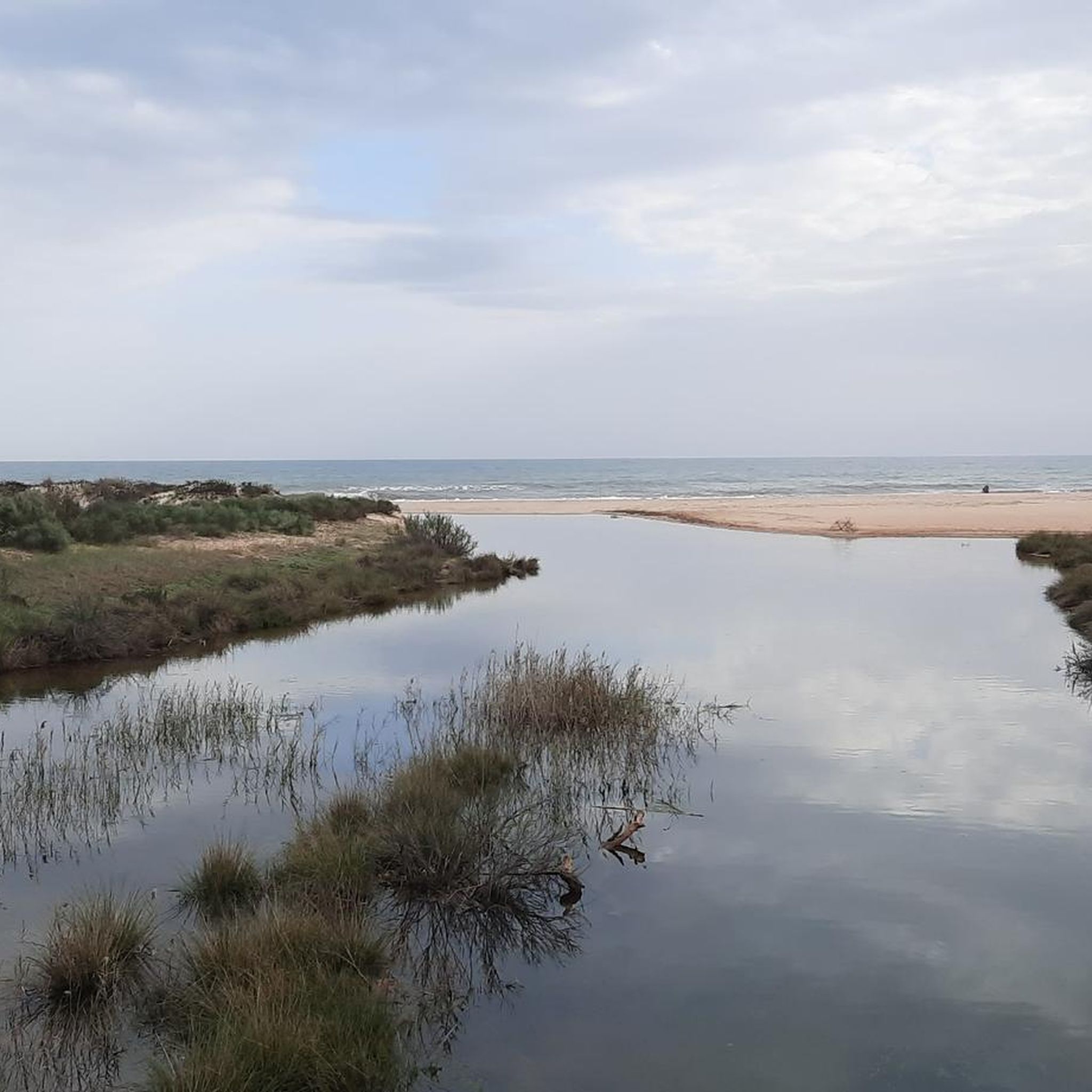
Cacela Beach, located within the Ria Formosa Natural Park, is known for its unspoiled natural beauty, tranquility, and pristine sands. It offers stunning panoramic views and can be reached by a short boat trip from Sítio da Fábrica or by walking across sandbanks during low tide, providing a unique and peaceful experience.
What is special about the <a href="https://www.komoot.com/highlight/680227" target="_blank" rel="noopener">Salt Pans of the Reserva Natural do Sapal de Castro Marim e Vila Real de Santo António</a>?
The Salt Pans are a significant natural monument where salt is extracted from seawater using traditional methods. Beyond their historical and economic importance, they are a prime location for observing diverse birdlife, including flamingos, within a vast wetland protected area.
Are there accessible natural monuments for visitors with wheelchairs in Vila Nova De Cacela?
Yes, Praia da Manta Rota is noted for its accessibility, featuring boardwalks that protect the dunes and provide access for disabled visitors. Its wide, flat sandy beach also makes it easier to navigate.
What natural features define the monuments in this region?
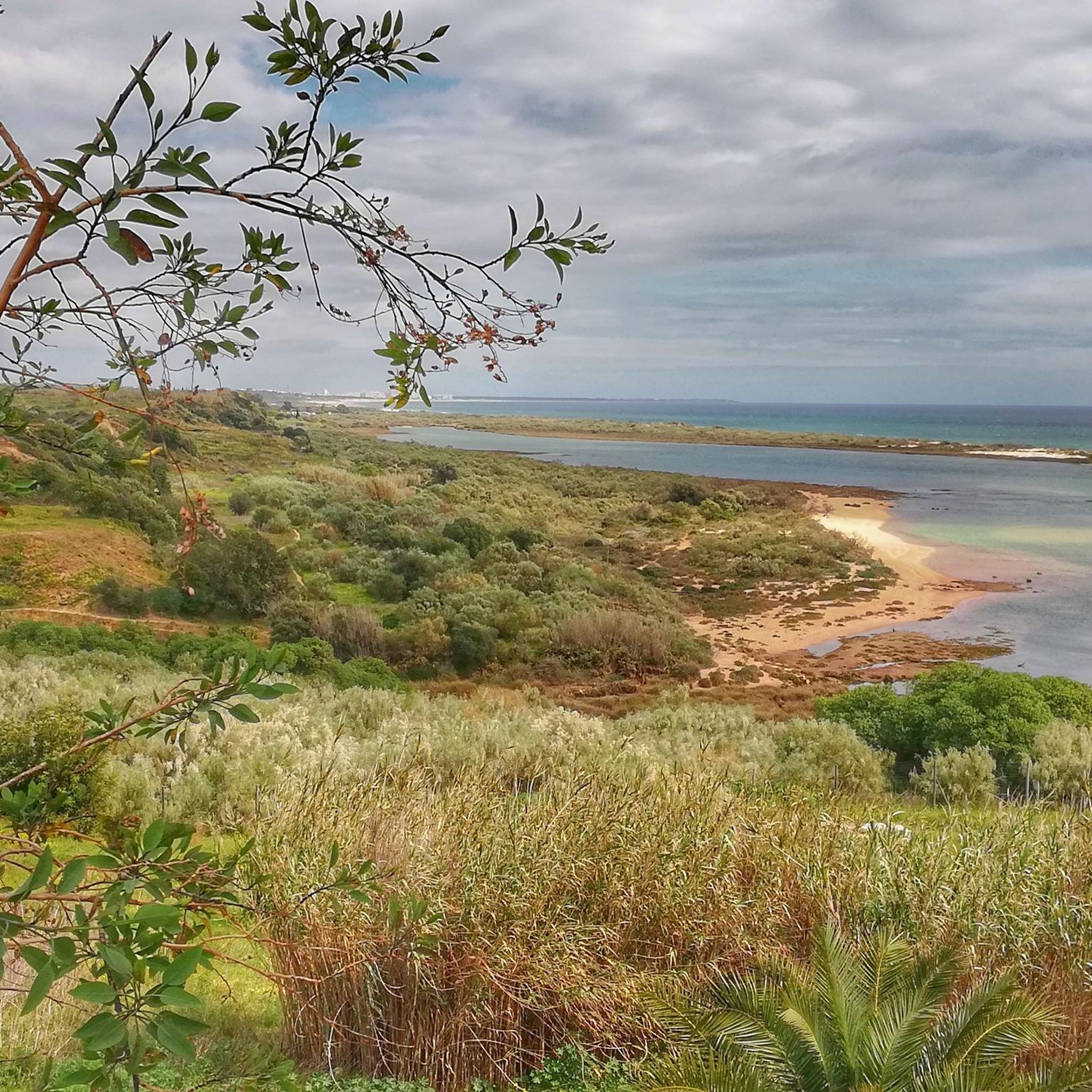
The natural monuments around Vila Nova De Cacela are primarily defined by the Ria Formosa Natural Park, a dynamic system of channels, islands, marshes, dunes, and extensive sandy beaches. This unique lagoon system, along with the salt pans, creates diverse ecosystems and picturesque coastal landscapes.
What do visitors enjoy most about the natural monuments in Vila Nova De Cacela?
Visitors frequently praise the serene beauty and tranquility of the beaches, the rich birdlife in the Ria Formosa, and the opportunities for long walks along the extensive sandy shores. The unique access to some beaches, like Cacela Beach, also adds to the memorable experience.
Can I find historical sites among the natural monuments?
While primarily natural, some sites offer a blend of nature and history. The Castelo de Tavira Gardens, for instance, is a castle with a small botanical garden inside, offering historical insights into the region's past alongside natural beauty and views of the old town.
Most popular routes around Vila Nova De Cacela
Most popular attractions around Vila Nova De Cacela

Get inspired with the komoot mobile app


Explore more
Extend your search for the best caves by checking out these guides of the top ones around Vila Nova De Cacela:
