Top 20 Natural Monuments around Marmelete
Best natural monuments around Marmelete are found in the foothills of the Serra de Monchique mountain range in the Algarve, Portugal. The region features lush landscapes, panoramic viewpoints, and serene natural environments. These sites are suitable for nature exploration and hiking. The area is characterized by its diverse natural features, including mountain summits and extensive cork oak forests.
Best natural monuments around Marmelete
- The most popular natural monuments is Cork oak grove in Monchique, a forest where cork oaks…
Last updated: August 23, 2026
Foia Summit
Highlight • Summit
Translated by Google •
Tip by

Cork oak grove in Monchique
Highlight • Forest
Translated by Google •
Tip by

Sign up now to discover places like this
Get recommendations on the best single tracks, peaks, & plenty of other exciting outdoor places.
Sign up for free
Picota Summit
Highlight • Summit
Here, it's worth stopping, taking a deep breath, and letting your gaze …
Translated by Google •
Tip by
Caldas de Monchique Thermal Baths
Highlight • Settlement
Translated by Google •
Tip by

Ancient Chestnut Trees of Monchique
Highlight • Forest
Translated by Google •
Tip by

Sign up for free to discover even more natural monuments around Marmelete.
Sign up for free
Already have an account?
Start today with a free account
Your next adventure awaits.
Login or Signup
Popular around Marmelete
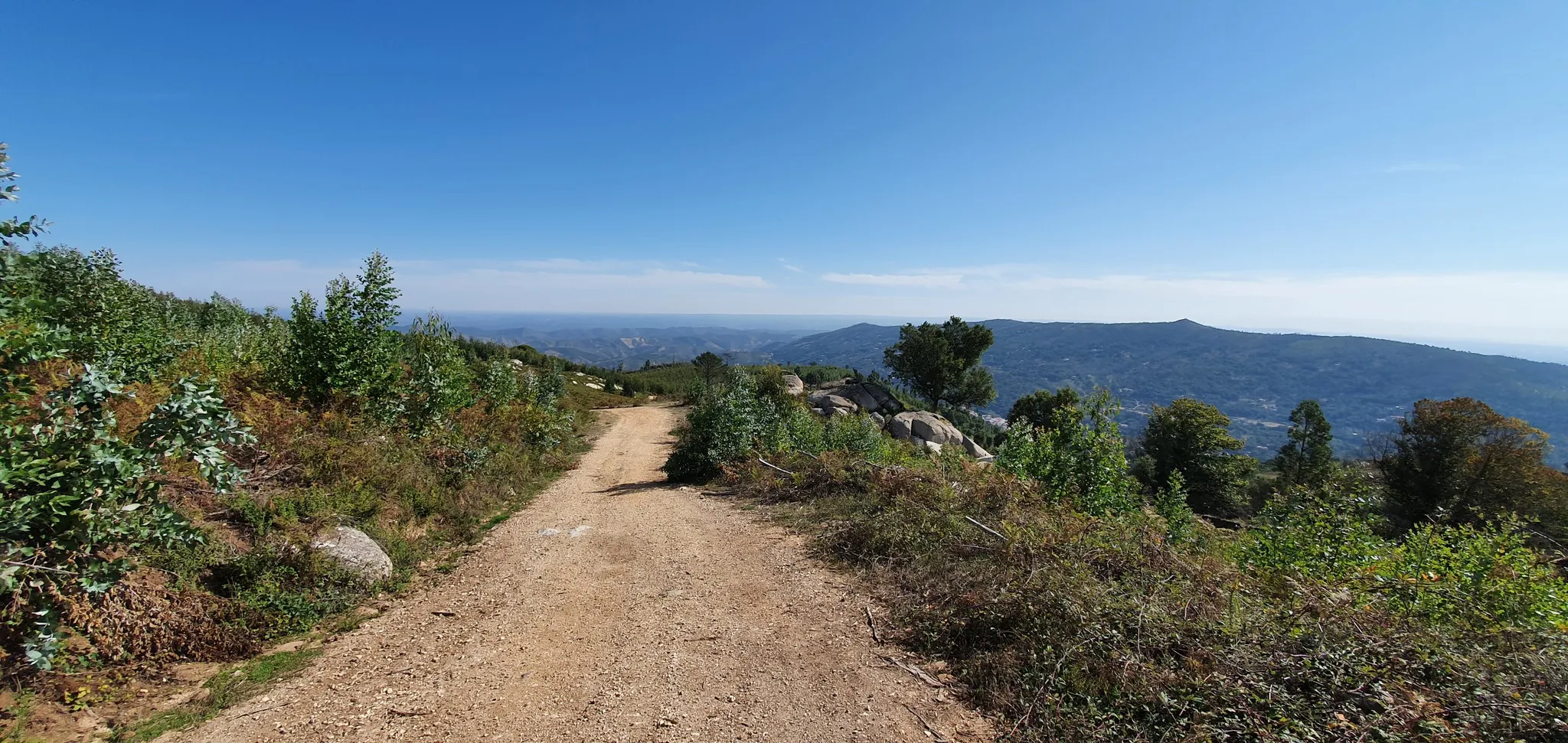
Via Algarviana (GR 13) - hidden corners of the south
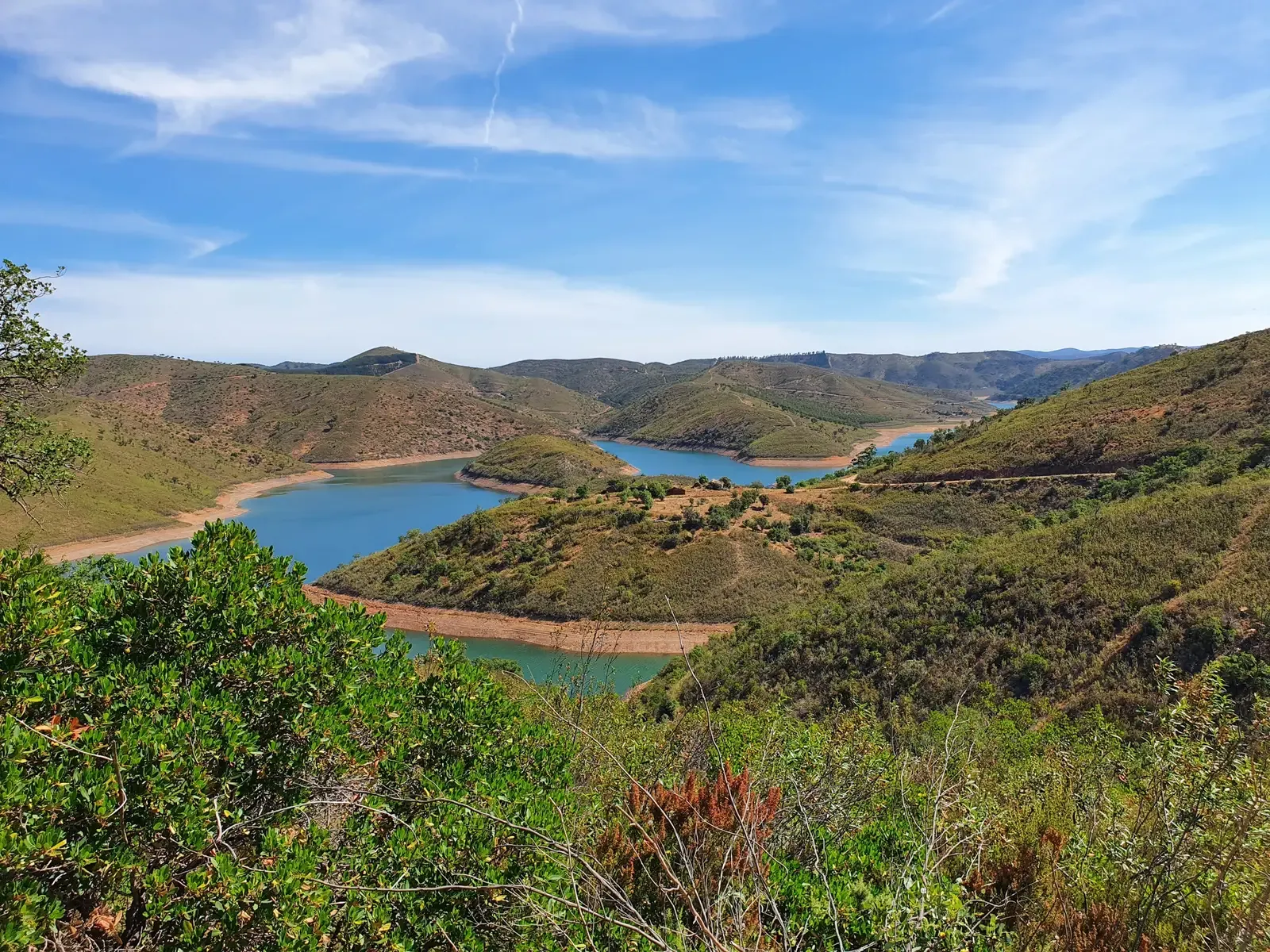
The secret Algarve – Algarviana Way
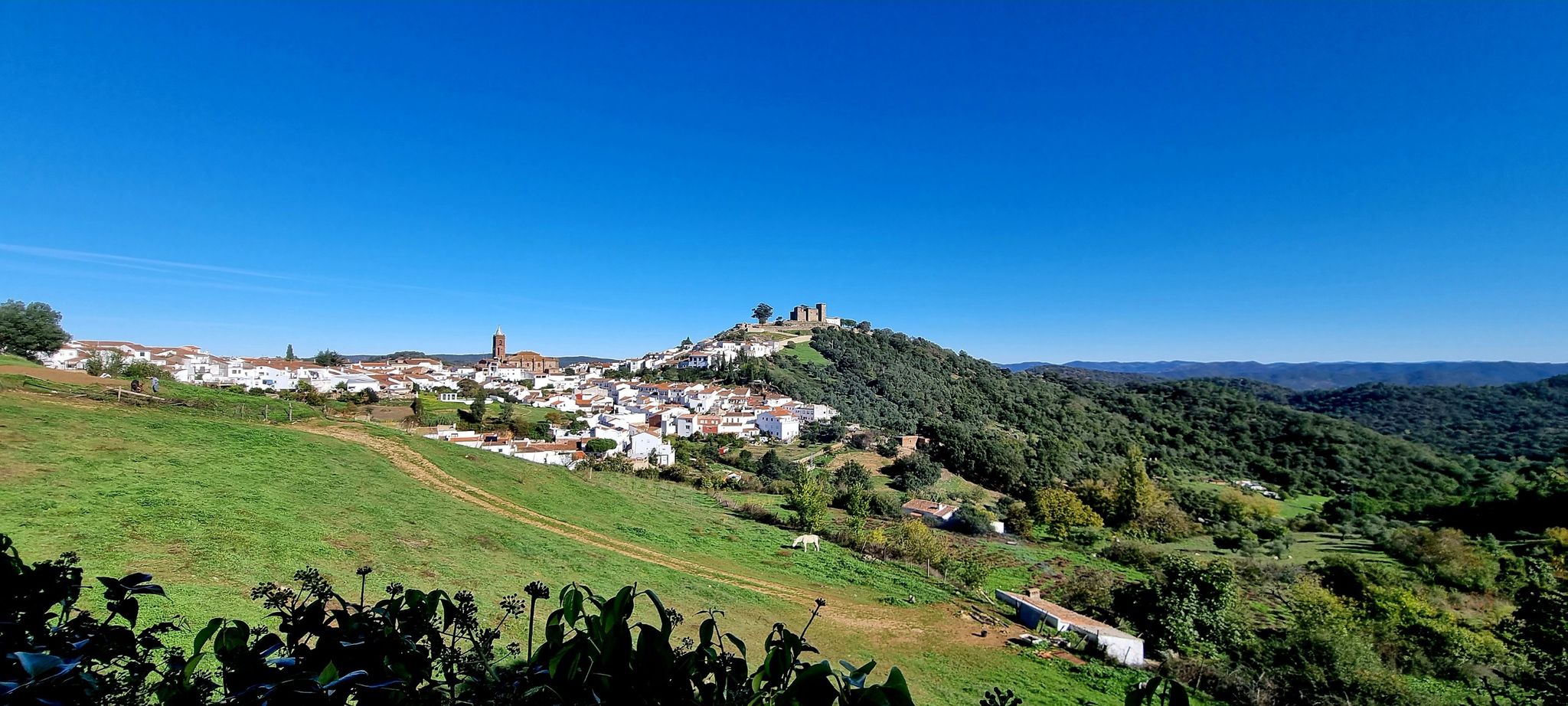
European Divide Trail across the Iberian Peninsula – south
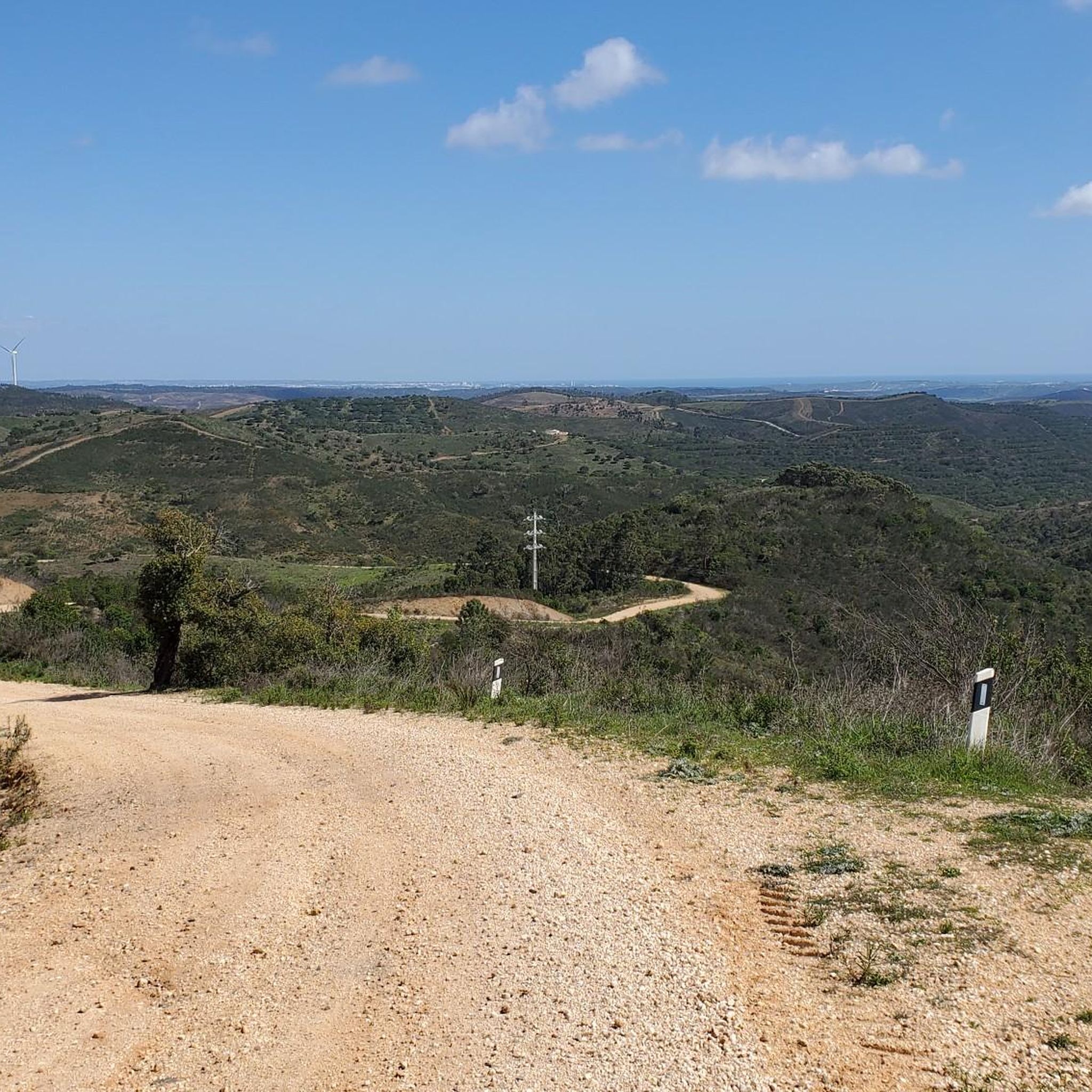
Hiking around Marmelete
Road Cycling Routes around Marmelete
MTB Trails around Marmelete
Cycling around Marmelete
Running Trails around Marmelete

Gravel biking around Marmelete
Other adventures around Marmelete


Tips from the Community

At the top of the Monchique mountain range rises Foia, the highest point in the Algarve, at 902 meters altitude. Its antennas mark the summit where the sky seems closest and, on clear days, the view reaches the Atlantic. Up here, the wind blows freely and the view is simply unforgettable.
2
0
Picota, at 774 meters, is the second highest point in the Algarve and one of the most breathtaking. Here, it's worth stopping, taking a deep breath, and letting your gaze wander across the 360° landscape: rolling mountains and even the Alentejo region in the distance, if the day is clear. It's a magical feeling of almost touching the clouds.
3
0

Some chestnut trees in Monchique are hundreds of years old, with enormous trunks and a majestic appearance. They are often living testaments to the region's traditional agricultural landscape.
4
0
In the Algarve, especially around Monchique, cork oaks (Quercus suber), a tree species typical of southern Portugal, grow in abundance. These trees are important to the Portuguese economy because their bark can be harvested every nine years to make cork – Portugal is the world's largest producer. Cork oak forests also form a valuable ecosystem that contributes to biodiversity and soil conservation. You can often recognize old trees by their bare, reddish-brown trunks with a date inscribed on them.
8
0


Very beautiful little mountain village known for its thermal springs.
1
0

Alto da Fóia, at 902m above sea level, is the highest point in the Algarve. It is part of the Serra de Monchique massif. On a clear day, the Atlantic Ocean is visible from the summit.
2
0

From above you have a spectacular view of the sea. You can start the climb to Fóia (PR 3) Monchique – Fóia at the summit and then walk downhill. Or you start in the village of Monchique and walk back and forth. One route is around 6.5 km long and takes 2 hours, depending on your fitness level.
6
1
Frequently Asked Questions
What are the most popular natural monuments around Marmelete?
Visitors frequently enjoy the Cork oak grove in Monchique, which is a significant part of the region's ecosystem. Other highly rated spots include Picota Summit, offering stunning 360° views, and Foia Summit, the highest point in the Algarve with panoramic views stretching to the Atlantic Ocean on clear days.
Are there family-friendly natural monuments to visit near Marmelete?
Yes, several natural monuments are suitable for families. The Cork oak grove in Monchique is a great option for a gentle walk through nature. Additionally, Foia Summit is considered family-friendly, offering accessible views from the highest point in the Algarve.
What kind of natural features can I expect to see around Marmelete?
The Marmelete region, nestled in the Serra de Monchique, is rich in diverse natural features. You'll encounter lush landscapes, extensive cork oak forests, and prominent mountain summits like Foia and Picota, which provide breathtaking panoramic views. The area also features tranquil spots like the Cascata do Barbelote waterfall and the renowned thermal springs of Caldas de Monchique.
What outdoor activities can I do near these natural monuments?
The area around Marmelete is ideal for various outdoor activities. You can explore numerous hiking trails, with options ranging from easy to difficult, such as the 'Hiking Trail of Marmelete (PR6 MCQ)'. Cycling and gravel biking are also popular, with routes like 'Foia Summit – Monchique Town Center loop from Marmelete' available. For more details on routes, you can check the Hiking around Marmelete guide, the Cycling around Marmelete guide, or the Gravel biking around Marmelete guide.
Are there any historical or cultural natural monuments in the area?
While primarily known for its natural beauty, the region also features the Caldas de Monchique Thermal Baths. These springs have been recognized for their healing properties since Roman times, offering a blend of natural wellness and historical significance.
What is the best time of year to visit the natural monuments around Marmelete?
The Serra de Monchique region generally offers pleasant conditions for visiting natural monuments for much of the year. Spring and autumn are particularly ideal, with milder temperatures perfect for hiking and exploring the lush landscapes. Clear days are best for enjoying the expansive views from summits like Foia and Picota.
Are there dog-friendly trails or natural monuments near Marmelete?
Many of the natural trails and open spaces around Marmelete are suitable for walks with dogs. However, when exploring trails near farms, be aware that some areas might have free-roaming guard dogs. It's always advisable to keep your dog on a leash and be cautious in rural settings.
Where can I find parking when visiting natural monuments?
Parking is generally available at key natural monument sites. For instance, Foia Summit has facilities including parking at the top. For other trails and natural areas, look for designated parking spots or consider starting points in villages like Marmelete or Monchique where parking might be more readily available.
What makes the cork oak forests in Monchique special?
The cork oak forests, such as the Cork oak grove in Monchique, are a defining feature of the region. These trees are vital to the Portuguese economy as the world's largest producer of cork. Beyond their economic importance, these forests form a valuable ecosystem, contributing significantly to biodiversity and soil conservation. You can often see the unique reddish-brown trunks of harvested trees, sometimes marked with the date of their last peeling.
What are the views like from the highest points in the region?
The views from the highest points are truly spectacular. From Foia Summit, the highest point in the Algarve at 902 meters, you can see the Atlantic Ocean on clear days. Picota Summit, the second highest, offers equally stunning 360° panoramas, encompassing rolling mountains and even the Alentejo region in the distance, providing a magical feeling of being close to the clouds.
Are there any waterfalls or serene natural spots to visit?
Yes, the Cascata do Barbelote (Barbelote Waterfall) is a picturesque spot accessible via a trail through lush greenery. It offers a serene environment where you can enjoy the calming sound of cascading water amidst verdant surroundings, perfect for nature walks and experiencing tranquil natural beauty.
What should I wear when hiking the natural monument trails?
When hiking the trails around Marmelete's natural monuments, it's advisable to wear comfortable, layered clothing suitable for varying weather conditions, as temperatures can change, especially at higher elevations. Sturdy hiking shoes are recommended for navigating diverse terrain, which can include forest paths and rocky sections. Bringing water, sun protection, and a hat is also wise.
Most popular routes around Marmelete
Most popular attractions around Marmelete

Get inspired with the komoot mobile app


Explore more
Extend your search for the best caves by checking out these guides of the top ones around Marmelete:
