Top 19 Natural Monuments around Alferce
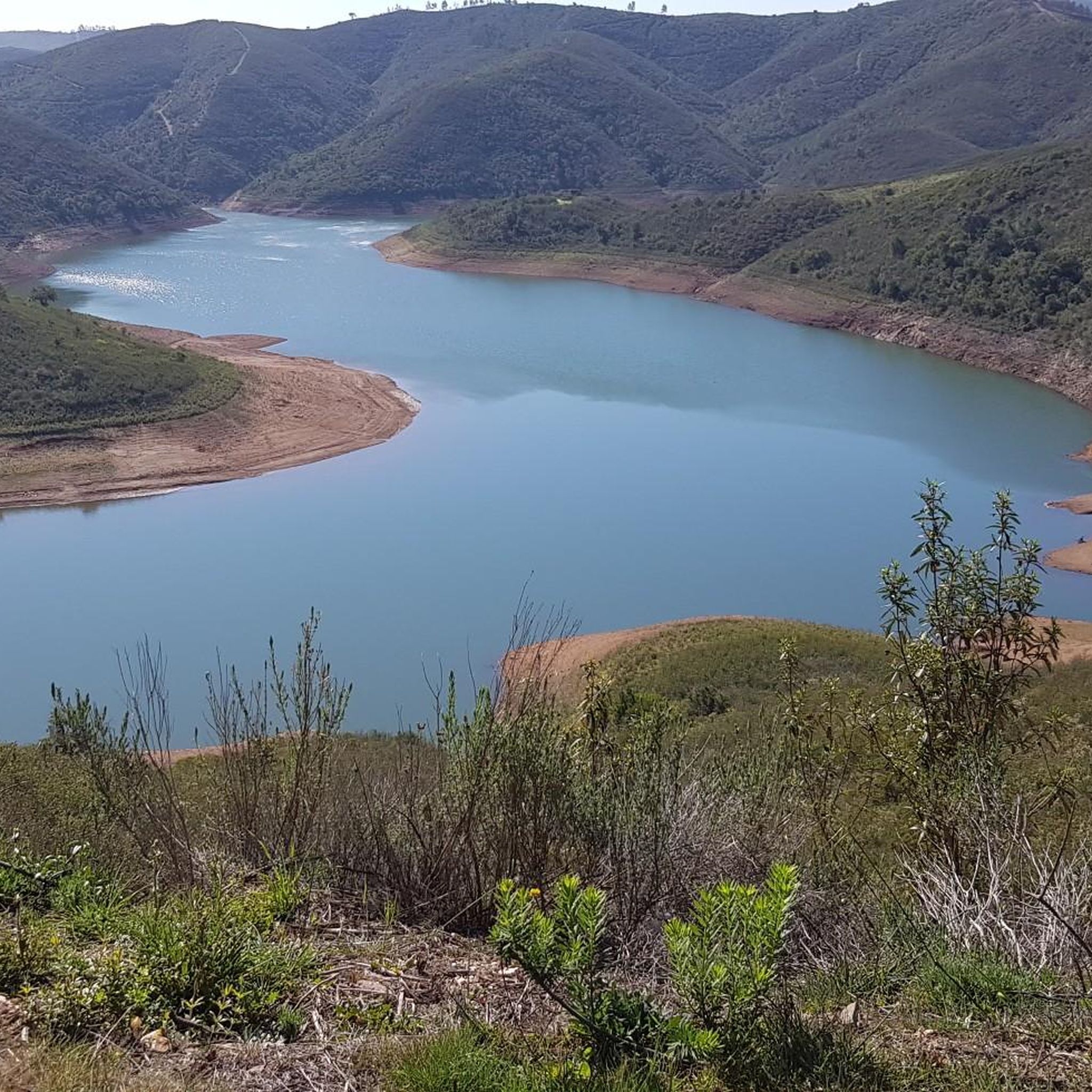
Natural monuments around Alferce are situated within the Monchique mountain range in the Algarve region of Portugal. This area is characterized by its diverse natural landscape, including prominent peaks and extensive cork oak forests. The region offers a cooler, greener environment compared to coastal areas, providing opportunities for outdoor exploration. Its unique climate and volcanic soils contribute to a rich biodiversity.
Best natural monuments around Alferce
- The most popular natural monument is Cork oak grove in Monchique, a forest…
Last updated: May 18, 2026
Foia Summit
Highlight • Summit
Translated by Google •
Tip by

Cork oak grove in Monchique
Highlight • Forest
Translated by Google •
Tip by

Sign up now to discover places like this
Get recommendations on the best single tracks, peaks, & plenty of other exciting outdoor places.
Sign up for free
Picota Summit
Highlight • Summit
Here, it's worth stopping, taking a deep breath, and letting your gaze …
Translated by Google •
Tip by
Cork oak in Monchique
Highlight • Natural Monument
Translated by Google •
Tip by

Monchique Cork Oak Forest
Highlight • Forest
Translated by Google •
Tip by
Sign up for free to discover even more natural monuments around Alferce.
Sign up for free
Already have an account?
Start today with a free account
Your next adventure awaits.
Login or Signup
Tips from the Community

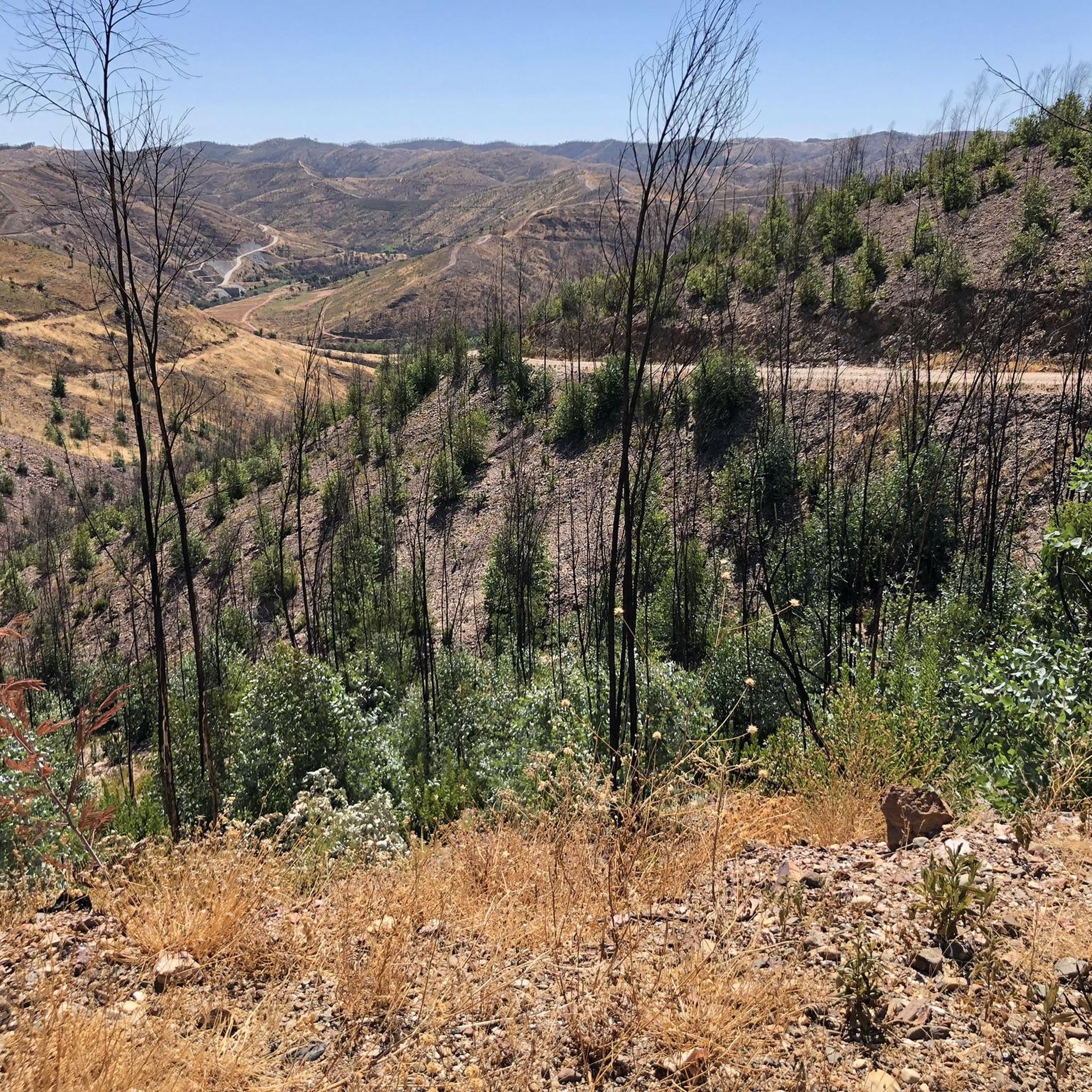
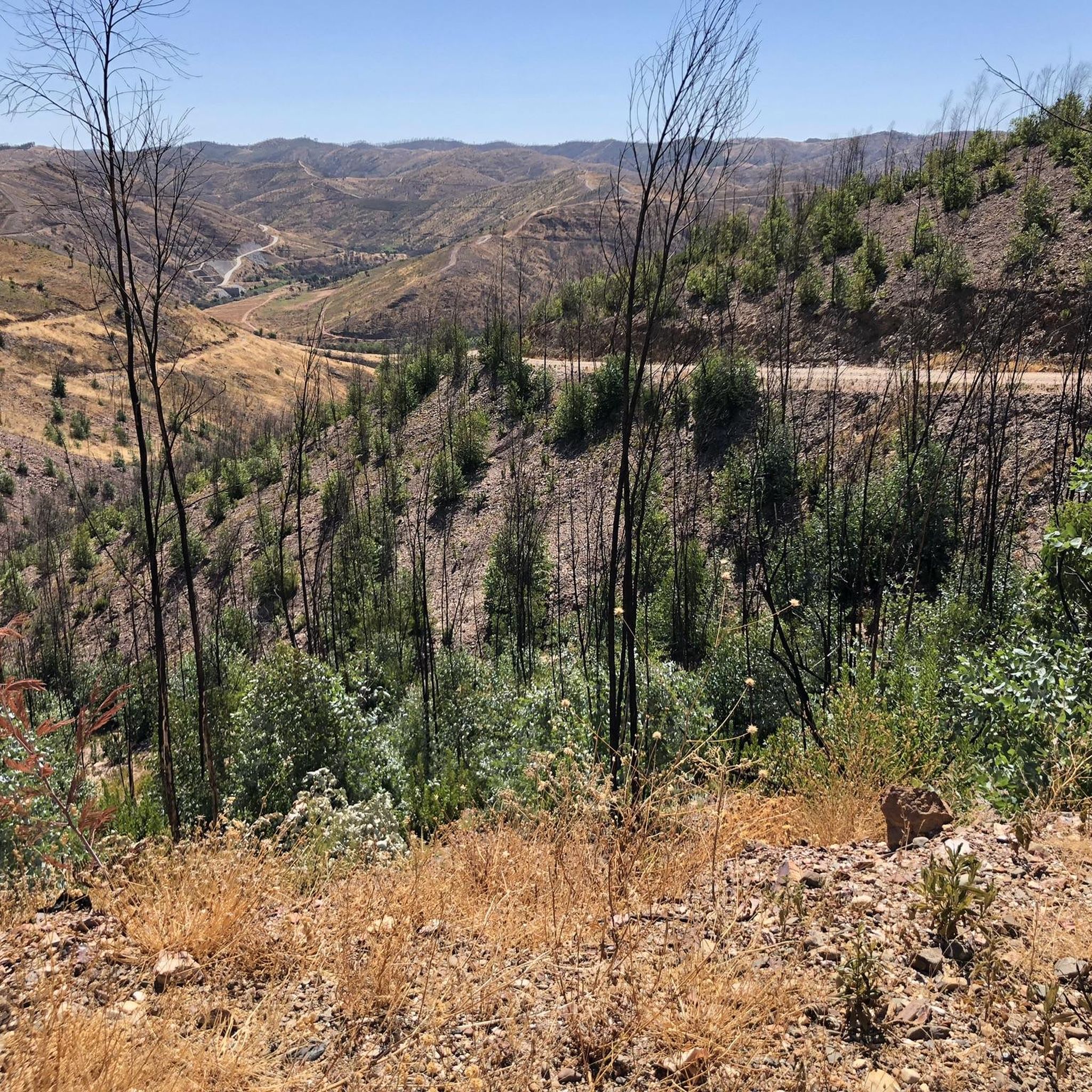
At the top of the Monchique mountain range rises Foia, the highest point in the Algarve, at 902 meters altitude. Its antennas mark the summit where the sky seems closest and, on clear days, the view reaches the Atlantic. Up here, the wind blows freely and the view is simply unforgettable.
2
0
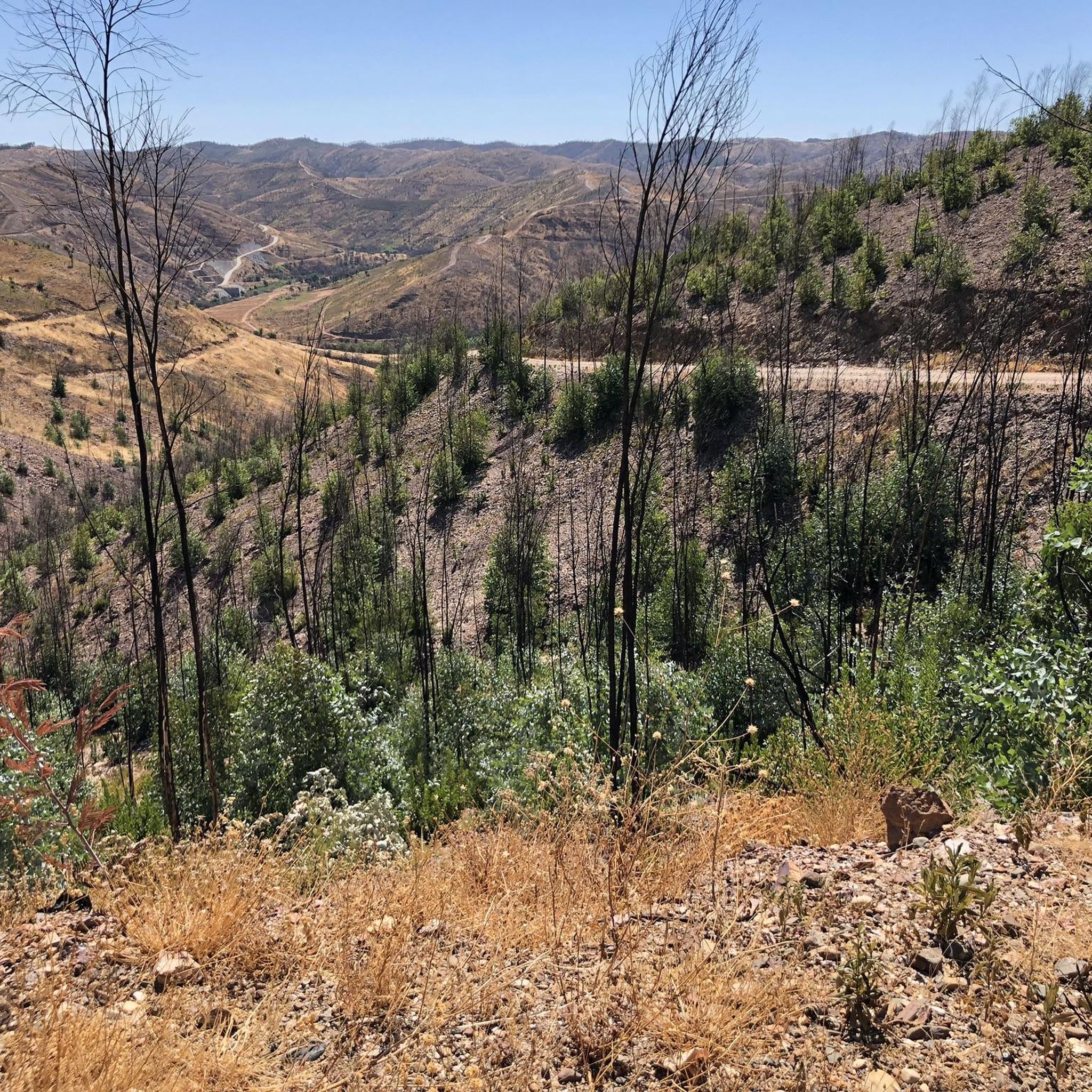
A dense and imposing cork oak forest stretches before you, a scene worthy of a fairy tale, where nature displays its splendor. Cork, the greatest wealth of these lands, is harvested here with mastery and respect, in an ancestral gesture that unites tradition and sustainability.
3
0
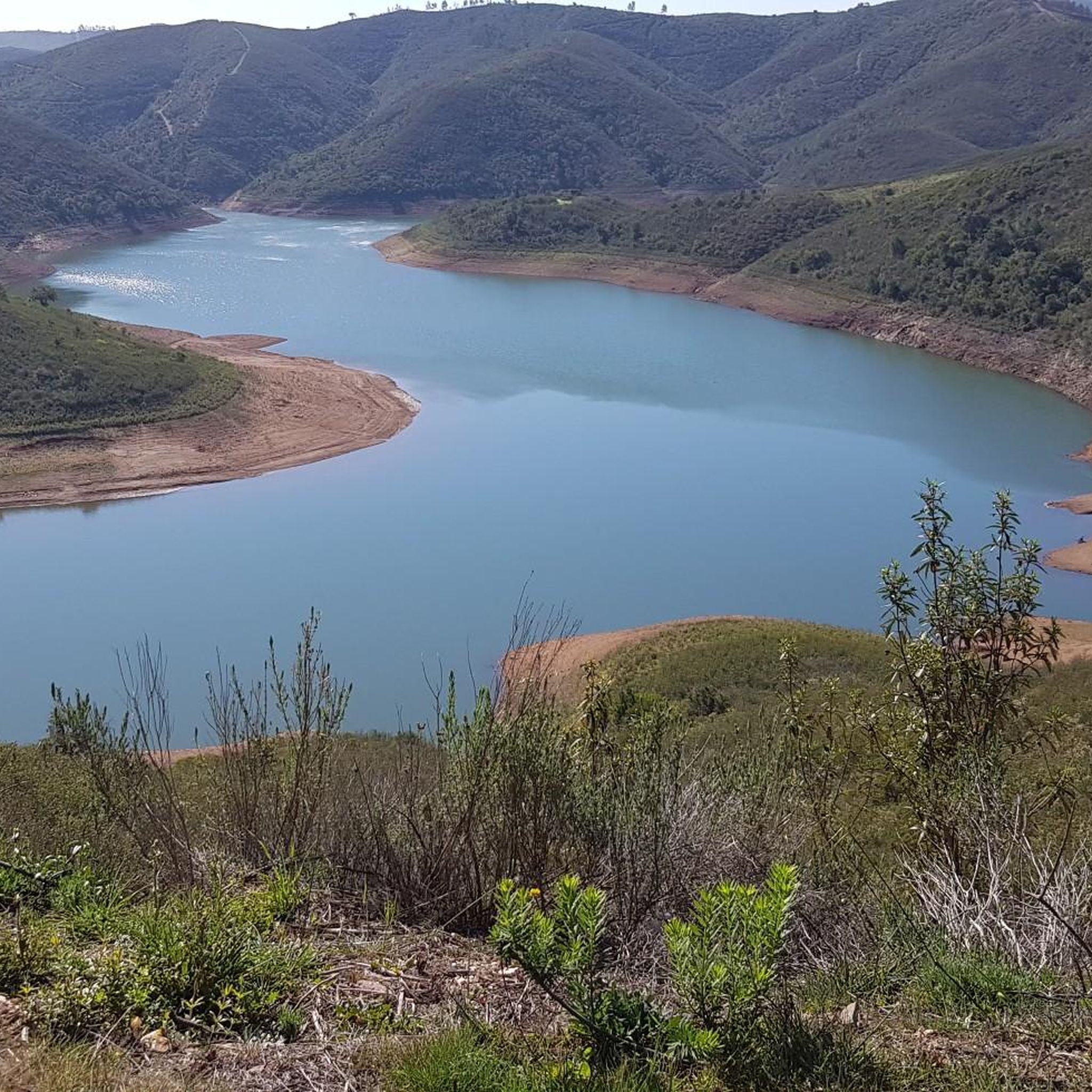
Picota, at 774 meters, is the second highest point in the Algarve and one of the most breathtaking. Here, it's worth stopping, taking a deep breath, and letting your gaze wander across the 360° landscape: rolling mountains and even the Alentejo region in the distance, if the day is clear. It's a magical feeling of almost touching the clouds.
3
0

So if you still have the energy, you can enjoy the beautiful oak trees.
1
0

In the Algarve, especially around Monchique, cork oaks (Quercus suber), a tree species typical of southern Portugal, grow in abundance. These trees are important to the Portuguese economy because their bark can be harvested every nine years to make cork – Portugal is the world's largest producer. Cork oak forests also form a valuable ecosystem that contributes to biodiversity and soil conservation. You can often recognize old trees by their bare, reddish-brown trunks with a date inscribed on them.
5
1
In the Algarve, especially around Monchique, cork oaks (Quercus suber), a tree species typical of southern Portugal, grow in abundance. These trees are important to the Portuguese economy because their bark can be harvested every nine years to make cork – Portugal is the world's largest producer. Cork oak forests also form a valuable ecosystem that contributes to biodiversity and soil conservation. You can often recognize old trees by their bare, reddish-brown trunks with a date inscribed on them.
8
0

Cork oaks you can touch. The path leads directly past the oaks. We collected acorns... maybe a cork oak will grow in northern Germany soon 😊
1
1

Here, cork is extracted from cork oaks. The "peeled" trees look very rustic.
3
0
Frequently Asked Questions
What are the most popular natural monuments around Alferce?
Visitors frequently enjoy the panoramic views from Foia Summit, the highest point in the Algarve, and the 360-degree vistas from Picota Summit. Another highly appreciated natural monument is the Cork oak grove in Monchique, known for its ecological and economic significance.
What kind of views can I expect from the natural monuments in the Monchique mountain range?
From Foia Summit, at 902 meters, you can experience breathtaking panoramic views that often extend to the Atlantic Ocean on clear days. Picota Summit offers stunning 360-degree vistas of rolling mountains and, on very clear days, even the Alentejo region in the distance.
Are there family-friendly natural monuments around Alferce?
Yes, several natural monuments are suitable for families. Both Foia Summit and the Cork oak grove in Monchique are categorized as family-friendly. The cork oak groves offer an educational experience about Portugal's natural heritage, while Foia provides accessible views.
What unique natural features can I explore near Alferce?
Beyond the summits, the region is rich in cork oak forests, such as the Cork oak grove in Monchique, where you can learn about the vital cork industry. The area also boasts a unique ecosystem with diverse flora and fauna, including Monchique Oak and Pontic Rhododendron, particularly along trails like the Barranco do Demo Boardwalk.
What is the best time to visit the natural monuments around Alferce?
The Monchique mountain range offers a cooler, greener environment compared to coastal areas, making it pleasant for visits outside the peak summer heat. Spring and autumn are ideal for hiking and enjoying the views, with comfortable temperatures and lush landscapes. Winter can also be beautiful, though some trails might be more challenging due to weather conditions.
Are there challenging trails or natural attractions for experienced hikers?
Yes, the Barranco do Demo Boardwalk (Devil's Gorge) near Alferce offers a spectacular and somewhat challenging experience. This 1 km wooden walkway features a 50-meter suspension bridge over a deep gorge, involving many steps and elevation changes. It's part of a larger 6 km walk around the village, providing impressive views for those seeking a more adventurous outing.
What outdoor activities can I do near these natural monuments?
The Monchique mountain range is excellent for various outdoor activities. You can find numerous road cycling routes, such as those detailed in the Road Cycling Routes around Alferce guide, and challenging MTB trails, which you can explore in the MTB Trails around Alferce guide. Hiking and birdwatching are also popular activities, especially around the summits and cork oak groves.
Where can I find parking when visiting the natural monuments?
For Foia Summit, parking facilities are available at the top. When visiting the Barranco do Demo Boardwalk, visitors can typically access it near the Alferce cemetery, where parking options may be available. It's always advisable to check local signage for specific parking regulations.
What is the significance of the cork oak groves in the region?
The cork oak groves, like the Cork oak grove in Monchique, are vital to Portugal's economy, as their bark is harvested every nine years for cork production, with Portugal being the world's largest producer. Beyond their economic importance, these forests form valuable ecosystems, contributing significantly to biodiversity and soil conservation in the region.
Are there any historical or cultural sites near the natural monuments?
Yes, the Caldas de Monchique Thermal Baths is a notable site that combines natural and historical elements. It's a pretty, small thermal bath surrounded by lush wooded valley slopes, featuring old villas, shady places, and small parks. It's recognized as both a natural monument and a historical site.
What do visitors enjoy most about the natural monuments around Alferce?
Visitors frequently highlight the stunning panoramic views from the summits, especially the feeling of being close to the sky at Foia Summit. The unique experience of walking through the cork oak groves and the refreshing, greener landscapes of the Monchique mountain range are also highly appreciated.
How long does it typically take to explore the main natural monuments?
The duration varies depending on the monument and your activity. For instance, a hike to Foia Summit from Monchique can take around 2 hours for a 6.5 km route. The Barranco do Demo Boardwalk itself is about 1 km, but it's often part of a longer 6 km village walk. Plan for at least a few hours to fully appreciate each site.
Most popular attractions around Alferce

Get inspired with the komoot mobile app


Explore more
Extend your search for the best caves by checking out these guides of the top ones around Alferce:
