Top 9 Natural Monuments around Horta Das Figueiras
Best natural monuments around Horta Das Figueiras are deeply connected to the region's prehistoric past. This area, a neighborhood within Évora, Portugal, is known for its significant ancient megalithic sites. These structures offer insights into Neolithic times and the early understanding of celestial cycles. The landscape provides a setting for exploring these historical and natural formations.
Best natural monuments around Horta Das Figueiras
- The most popular natural monument is Almendres Cromlech, a historical site consisting of approximately 95 granite…
Last updated: June 29, 2026
Almendres Cromlech
Highlight • Historical Site
Translated by Google •
Tip by

Almendres Menhir
Highlight • Monument
Translated by Google •
Tip by
Sign up now to discover places like this
Get recommendations on the best single tracks, peaks, & plenty of other exciting outdoor places.
Sign up for free
Giraldo Castle
Highlight • Castle
Tip by

Great Dolmen of Zambujeiro
Highlight • Historical Site
Source wikimedia
Translated by Google •
Tip by

Wild radish (Raphanus raphanistrum)
Highlight • Natural Monument
Translated by Google •
Tip by
Sign up for free to discover even more natural monuments around Horta Das Figueiras.
Sign up for free
Already have an account?
Start today with a free account
Your next adventure awaits.
Login or Signup

Tips from the Community

Cromeleque dos Almendres, located near Évora, is the largest and most important megalithic monument in the Iberian Peninsula. Built between the late 6th and 3rd millennium BC, it is about 2000 years older than Stonehenge. VisitEvora +3 This "Portuguese Stonehenge" is composed of about 95 granite monoliths (menhirs) arranged in circles and ellipses on a gentle slope in the Serra do Monfurado. VisitEvora +1
1
0
The Cromeleque dos Almendres, located in Nossa Senhora de Guadalupe, Évora, is the most important megalithic monument on the Iberian Peninsula and one of the largest in Europe. Composed of about 95 stone monoliths (menhirs) arranged in concentric circles, this enclosure is about 2,000 years older than the famous Stonehenge. 👍🥾
1
0

Raphanus raphanistrum is a species of flowering plant in the Brassicaceae family with the common names of labrestos, saramago, ineixa, rapistro, rábano-bastardo and radiano-silvestre.
8
0
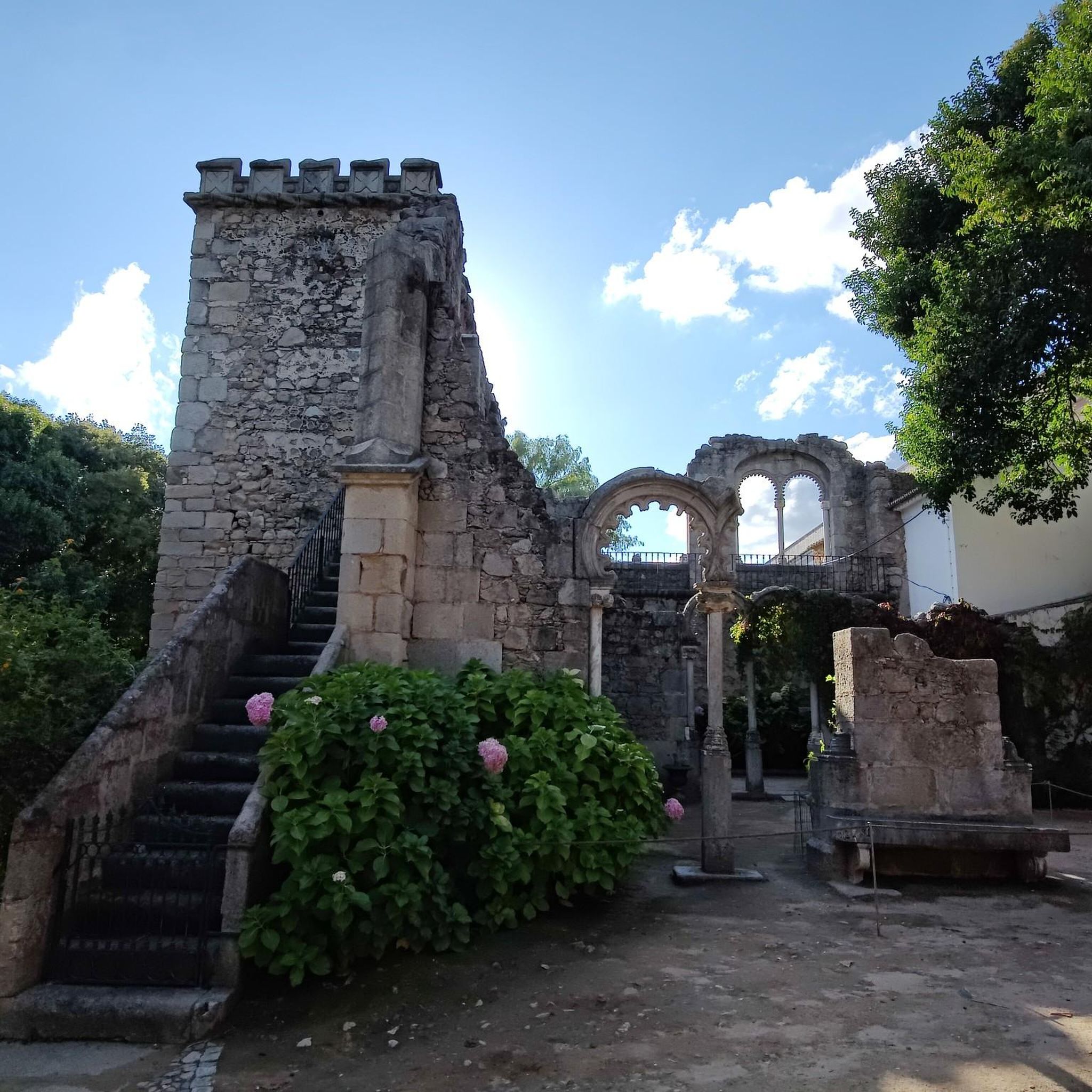
Giraldo Castle, or Geraldo Castle, is located in Nossa Senhora de Guadalupe, in the current parish of Nossa Senhora da Tourega and Nossa Senhora de Guadalupe, in the Municipality of Évora, District of Évora, in Portugal. It is a castro, a proto-historic fortified structure with origins in the Bronze Age or even the Chalcolithic, but with traces of later occupations. It has a subcircular plan and an outer perimeter of 114 meters. The wall that has survived to the present day probably belonged to a period of medieval occupation. Sources from the 15th century refer to the fortification, associating it with the presence of Geraldo Sem Pavor, a warrior who conquered Évora from the Muslims in 1165. It is currently in the process of being classified.
5
1
The site in Nossa Senhora da Tourega e Nossa Senhora de Guadalupe has been continuously occupied since 3000 B.C. and 1000 A.D. It was founded on a castro fortified proto-historic structure, with its origin in the Bronze Age, Chalcolithic, with vestiges from older settlements. During the Middle Ages it was sporadically re-occupied and reconstructed. Records from the 15th century indicate that the castle was associated with Giraldo Sem Pavor, a warrior who conquered Évora from the Muslims in 1165. Today the site is being analyzed for classification.
5
0
Great Dolmen of Zambujeiro (Portuguese: Anta Grande do Zambujeiro) is a megalithic monument located in Nossa Senhora da Tourega, near Valverde, in the municipality of Évora, considered one of the biggest such structures in the Iberian Peninsula.
5
1
Anta Grande do Zambujeiro, also known as Anta Grande do Zambujeiro de Valverde, is a megalithic dolmen-type monument near Valverde, Évora, Alentejo, Portugal, one of the largest in the Iberian Peninsula. A large number of archaeological finds found during the excavations are housed in the Évora Museum. Anta Grande do Zambujeiro was declared a National Monument in 1971 by decree law 516/71 of 22 November.
5
1

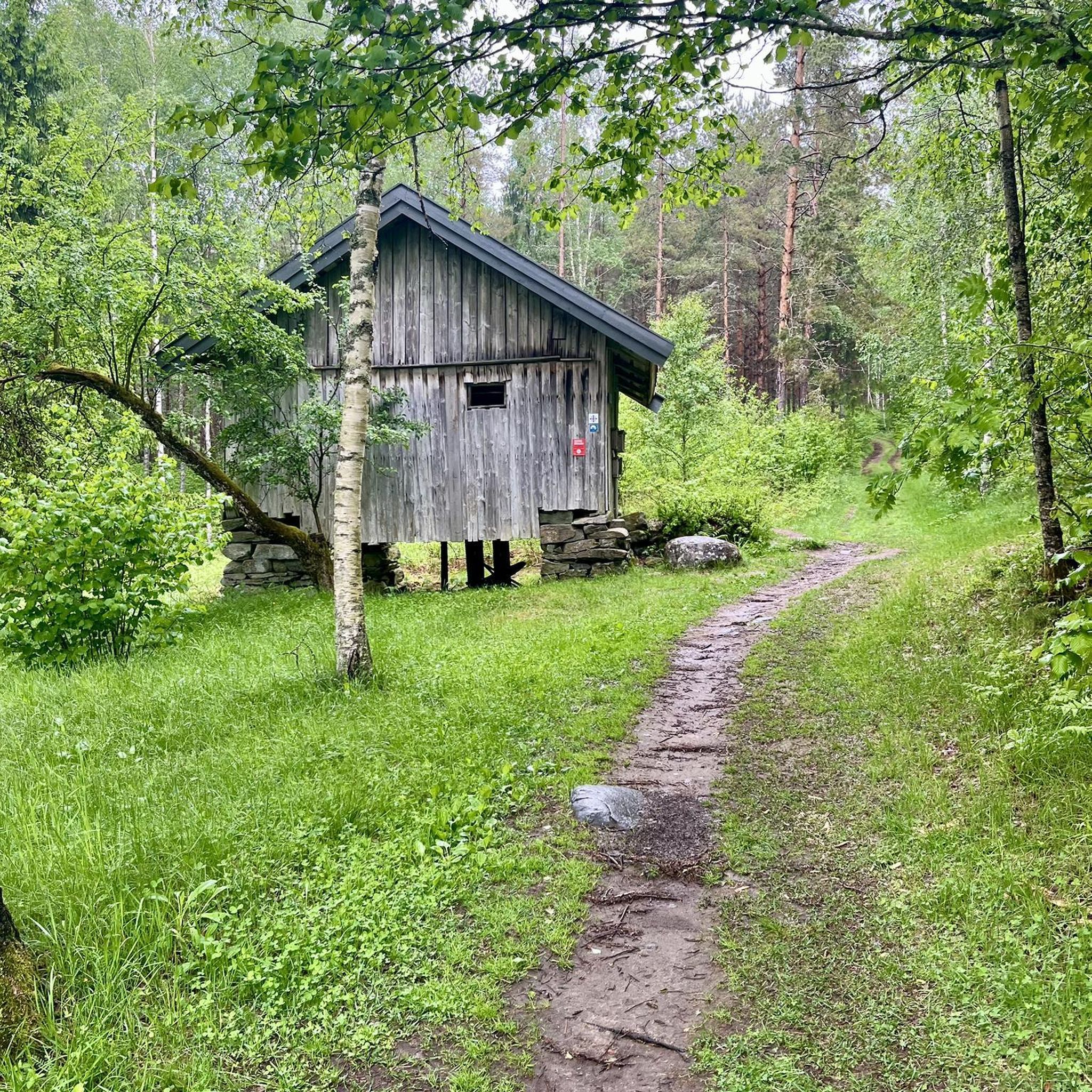
Stands a little off to the side and is impressive.
3
0
Frequently Asked Questions
What are the most significant natural monuments to visit around Horta Das Figueiras?
The region around Horta Das Figueiras is renowned for its ancient megalithic sites. The most significant include the Almendres Cromlech, which is the largest megalithic site on the Iberian Peninsula, and the nearby Almendres Menhir. Another impressive site is the Great Dolmen of Zambujeiro, one of the largest dolmens in the Iberian Peninsula.
What makes the Cromlech of Almendres so special?
The Almendres Cromlech is exceptional because it's older than Stonehenge, dating back as far as 6000 BCE. It consists of approximately 95 granite monoliths arranged in two large stone circles, many bearing ancient carvings. Its alignment with astronomical phenomena suggests it served as an observatory or a site for rituals, offering a powerful sense of history and mystique.
What is the Menhir of Almendres, and how does it relate to the Cromlech?
The Almendres Menhir is a solitary standing stone, nearly 4 meters tall, located about 2.5 kilometers from the Cromlech. It features a 'crosier' (shepherd's crook) engraving. Its alignment with the Cromlech indicates the sunrise on the summer solstice, reinforcing the astronomical significance of these ancient structures and their connection to prehistoric spirituality.
Are there other important megalithic sites besides Almendres?
Yes, beyond the Almendres sites, the Great Dolmen of Zambujeiro is another significant natural monument. It is one of the largest dolmens on the Iberian Peninsula, built between 4000 B.C. and 3500 B.C., and served as a cemetery. The region is rich in such ancient structures, reflecting its deep prehistoric heritage.
What is the historical significance of these natural monuments?
The natural monuments around Horta Das Figueiras are deeply rooted in Neolithic history. Sites like the Cromlech and Menhir of Almendres and the Great Dolmen of Zambujeiro provide profound insights into early human civilizations, their understanding of astronomy, and their social and religious rituals. They represent some of the oldest human-made structures in the world, predating many well-known ancient sites.
Can I go hiking near the natural monuments around Horta Das Figueiras?
Absolutely! The area offers various hiking opportunities that allow you to explore the natural monuments and the surrounding landscape. You can find routes like the 'Caravan Park – Évora City Walls loop' or 'Giraldo Square – Roman Temple of Évora loop'. For more options, check out the Hiking around Horta Das Figueiras guide.
Are there cycling routes available to reach these sites or explore the area?
Yes, there are several road cycling routes that can take you through the scenic Alentejo landscape, often passing near these ancient sites. Routes such as 'Valverde – Évora City Walls loop' offer a great way to combine cycling with historical exploration. For detailed cycling routes, refer to the Road Cycling Routes around Horta Das Figueiras guide.
Are the natural monuments around Horta Das Figueiras suitable for families?
Many of the natural monuments, particularly the Almendres Cromlech, are suitable for families. Children can enjoy wandering among the ancient stones and imagining life in prehistoric times. The open-air nature of these sites provides a unique educational experience. The Cromeleque dos Almendres is specifically categorized as family-friendly.
Is it possible to visit the natural monuments with a dog?
Generally, outdoor natural monuments like the Cromlech and Menhir of Almendres are dog-friendly, allowing leashed dogs to accompany visitors. However, it's always advisable to check specific site regulations upon arrival, as rules can vary. Ensure your dog is well-behaved and that you clean up after them to preserve the sites.
What is the best time of year to visit the natural monuments in this region?
The spring (March to May) and autumn (September to November) months are generally considered the best times to visit. During these periods, the weather is milder and more pleasant for exploring the outdoor sites. Summer can be very hot, while winter might bring more rain, though the sites are accessible year-round.
How can I get to the natural monuments, especially the Almendres sites?
The Almendres sites are located about 15 kilometers west of Évora. While public transport options are limited, driving is the most common way to reach them. There is usually parking available near the sites. The last few kilometers to the Cromlech and Menhir involve driving on unpaved roads, which are generally manageable for most vehicles.
What should I pack for a visit to the natural monuments?
For a comfortable visit, it's recommended to wear comfortable walking shoes, as you'll be exploring uneven terrain. Sun protection (hat, sunscreen) is essential, especially during warmer months, as the sites are open-air. Bringing water is also advisable, as amenities might be limited directly at the monuments. A camera is a must to capture the unique atmosphere.
Are there any accessibility considerations for visitors with mobility issues?
The natural monuments are largely open-air and situated in natural landscapes, which can involve uneven terrain, dirt paths, and some inclines. While the sites are generally accessible, visitors with mobility issues might find some areas challenging. It's best to assess the conditions upon arrival, as dedicated paved paths for wheelchairs are not always present.
What do visitors typically enjoy most about these natural monuments?
Visitors frequently express awe at the sheer age and scale of these megalithic structures, often noting the powerful sense of history and mystique. The serene natural setting, surrounded by olive and cork trees, adds to the experience. Many appreciate the opportunity to freely wander among the stones and contemplate the beliefs of early human civilizations, often describing it as a 'very nice quiet place'.
Most popular routes around Horta Das Figueiras
Most popular attractions around Horta Das Figueiras

Get inspired with the komoot mobile app


Explore more
Extend your search for the best caves by checking out these guides of the top ones around Horta Das Figueiras:
