Top 6 Natural Monuments around Vila Franca Da Beira
Best natural monuments around Vila Franca Da Beira encompass a variety of historical and natural features. The landscape is characterized by ancient megalithic structures and elevated viewpoints, providing insights into the region's past and its natural environment. These locations offer opportunities for exploration and appreciation of the local scenery. The area provides a blend of cultural heritage and natural beauty for visitors.
Best natural monuments around Vila Franca Da Beira
- The most popular natural monuments is Lapa da Orca Dolmen…
Last updated: June 29, 2026
Lapa da Orca Dolmen
Highlight • Historical Site
Translated by Google •
Tip by

Anta da Palheira
Highlight • Historical Site
cm-carregal.pt/pages/1027?poi_id=129
ORCA/ANTA from PALHEIRA is located in the megalithic nucleus of Fiais/Ameal. It is …
Translated by Google •
Tip by

Sign up now to discover places like this
Get recommendations on the best single tracks, peaks, & plenty of other exciting outdoor places.
Sign up for free
Miradouro do Penedo Cabana
Highlight • Viewpoint
Translated by Google •
Tip by
Orca do Outeiro do Rato
Highlight • Historical Site
Translated by Google •
Tip by
Access path to Penedo C'Abana
Highlight (Segment) • Natural Monument
Translated by Google •
Tip by

Start today with a free account
Your next adventure awaits.
Login or Signup
Tips from the Community

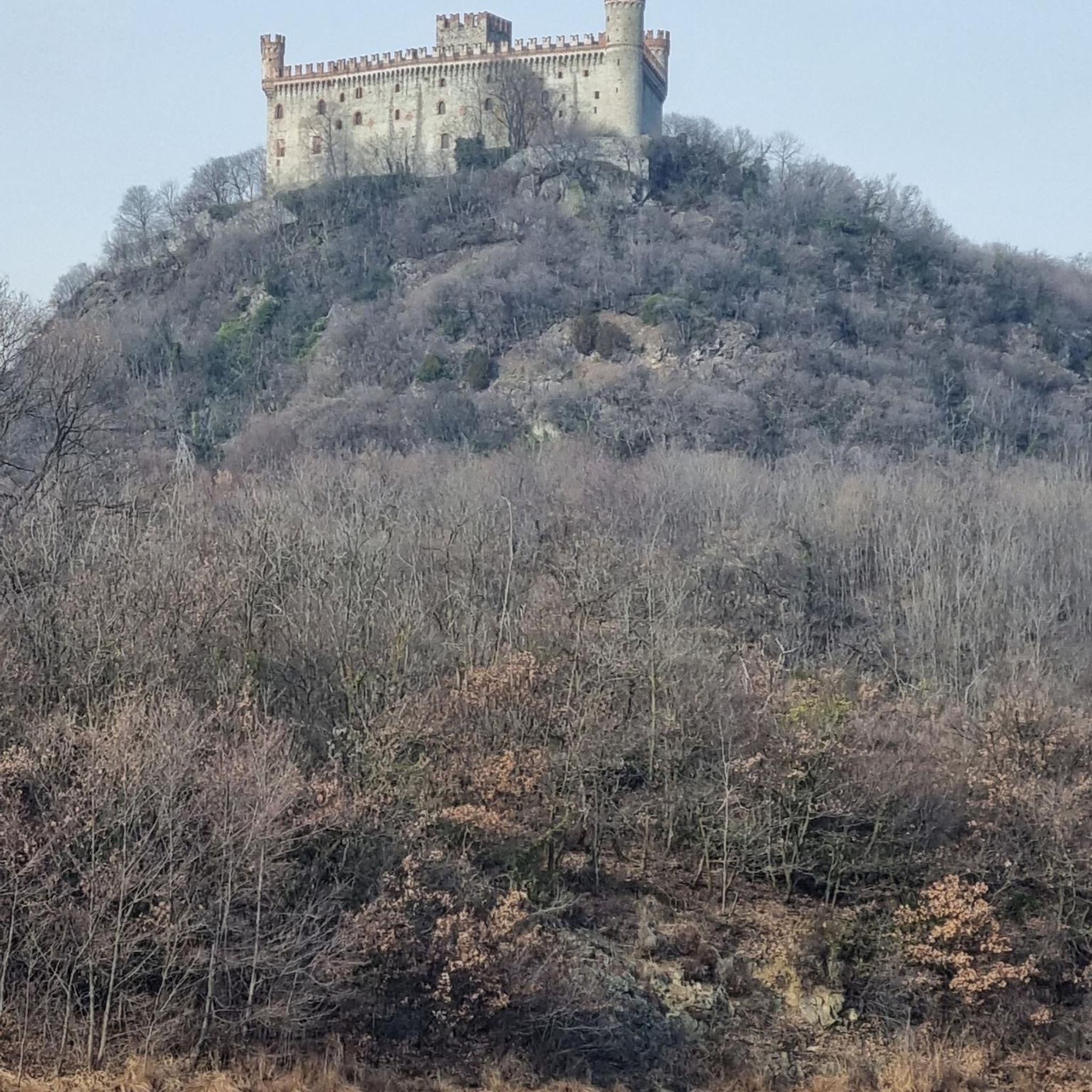
Designated a National Monument since 1974, this structure retains the nine upright stones of its main chamber, which is three meters high, and the capstone (covering slab) practically intact. The access corridor to the chamber has 15 upright stones and preserves all the covering slabs, with the dolmen being inserted into a tumulus (or mound, which originally covered the entire stone structure of the monument) approximately 20 meters in diameter. Its construction is believed to have occurred during the Neolithic-Chalcolithic period (between the end of the Neolithic and the beginning of the Chalcolithic), corresponding to the end of the 4th millennium BC. The region where the Orca Dolmen is located shows traces of continuous human activity and occupation since the prehistoric period. It is situated in an area with orographic characteristics conducive to human settlement, being close to a watercourse (the Mondego River) and possessing vast hunting resources. We know that shepherding has been a source of livelihood and income for centuries for the populations of the region, situated on a livestock route between the highlands of the Serra da Estrela and the Mondego valley.
1
0

This Orca/Anta is part of a tour circuit: PREHISTORIC CIRCUIT OF FIAIS/AZENHA in Carregal do Sal. https://www.cm-carregal.pt/pages/1027?poi_id=129 ORCA/ANTA from PALHEIRA is located in the megalithic nucleus of Fiais/Ameal. It is a monument of considerable size, which can be placed, architecturally, within the large group of monuments of Beira. It has a polygonal chamber with nine pillars, with an elongated corridor. However, its peculiar characteristics make this monument the rarest and most representative example of the circuit, given that at a somewhat later and yet to be determined period, a considerable barn was built around its central structure, which is part of that farm. Thus, the dolmen remained incorporated within it and was used as a dwelling until the 1970s.
2
0
ORCA or ANTA or DOLMEN: Megalithic mound or funerary monument from the Neolithic period, intended for collective burials. It consists of a chamber and a long corridor of 6, 7, or 8 meters. There are also Ante without a corridor. The large, vertical stones are called esteios/foundation pillars, and the covering slab is called the dome or cap. The ORCA DO OUTEIRO DO RATO is one of the megalithic monuments located on the small plateau between the villages of Lapa do Lobo and Oliveira Conde, at an altitude of 323 meters, located on the edge of the main circuit road in a pine forest and near an area of irrigated land. According to studies, the funerary monument consists of a polygonal chamber and a long corridor, the chamber having undergone several excavations and mutilations over its existence. It's part of the Fias Telha prehistoric circuit: https://www.komoot.it/tour/2520207143?ref=avs&share_token=aiC2Rft7sttJ3tJDY2ueR34qa
1
0

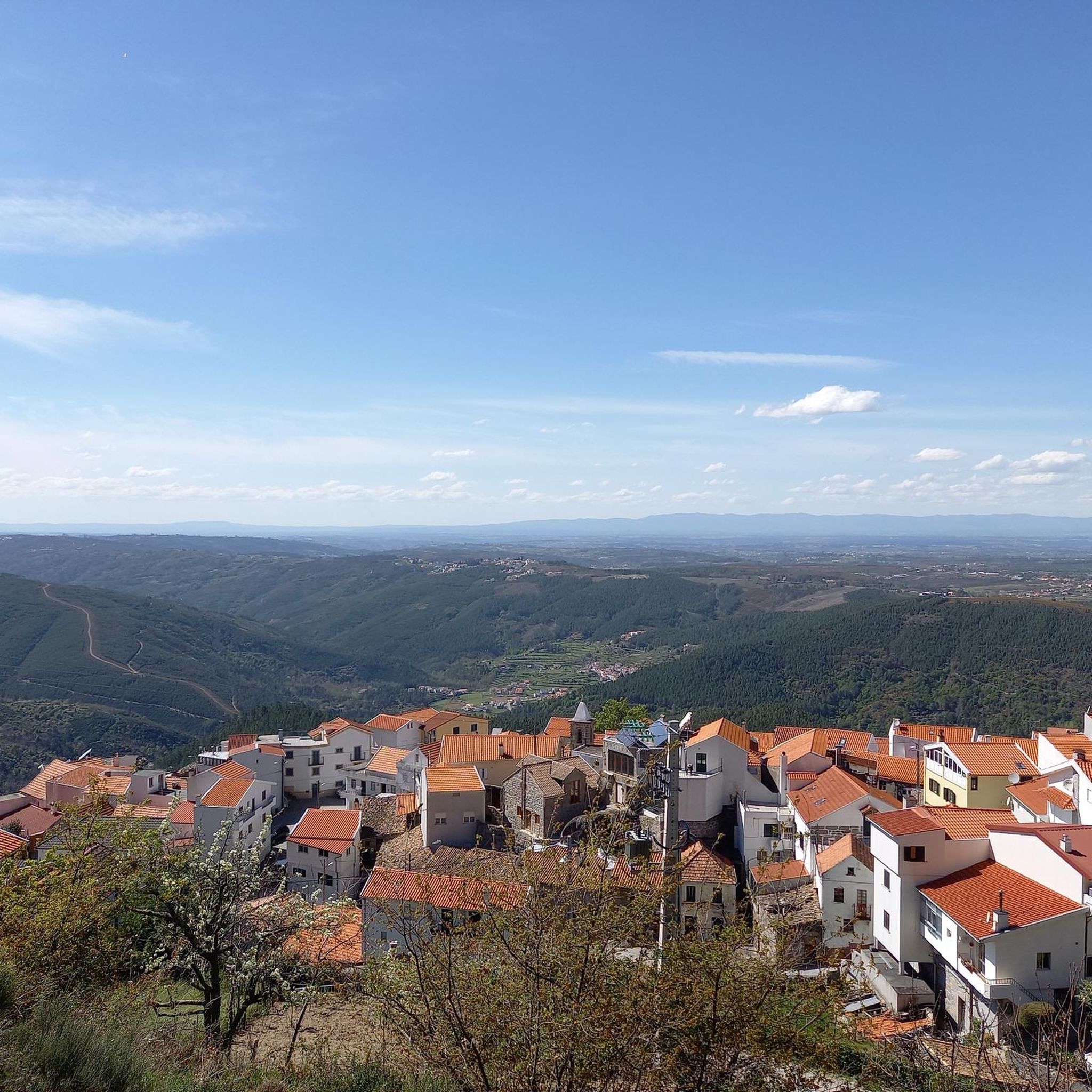
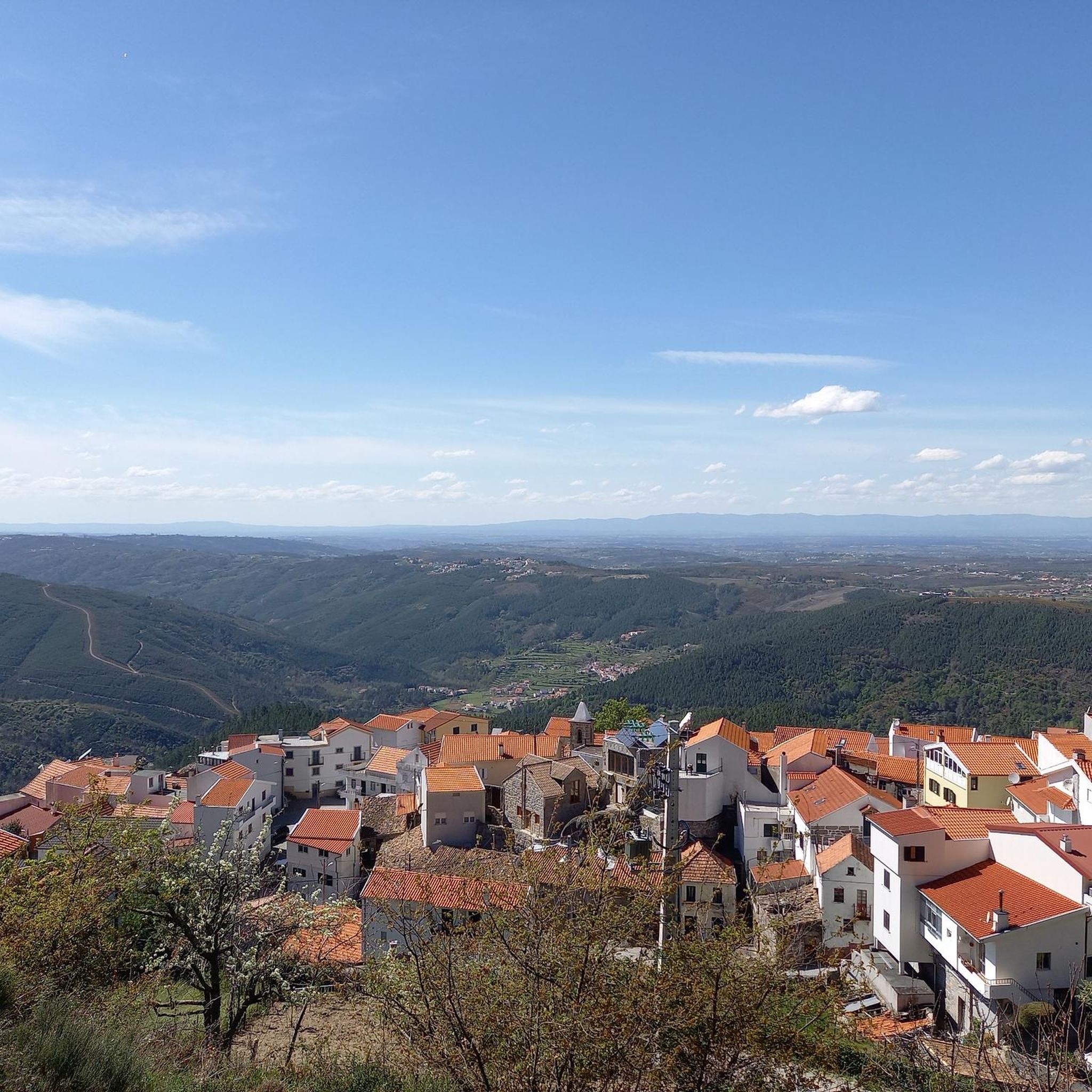
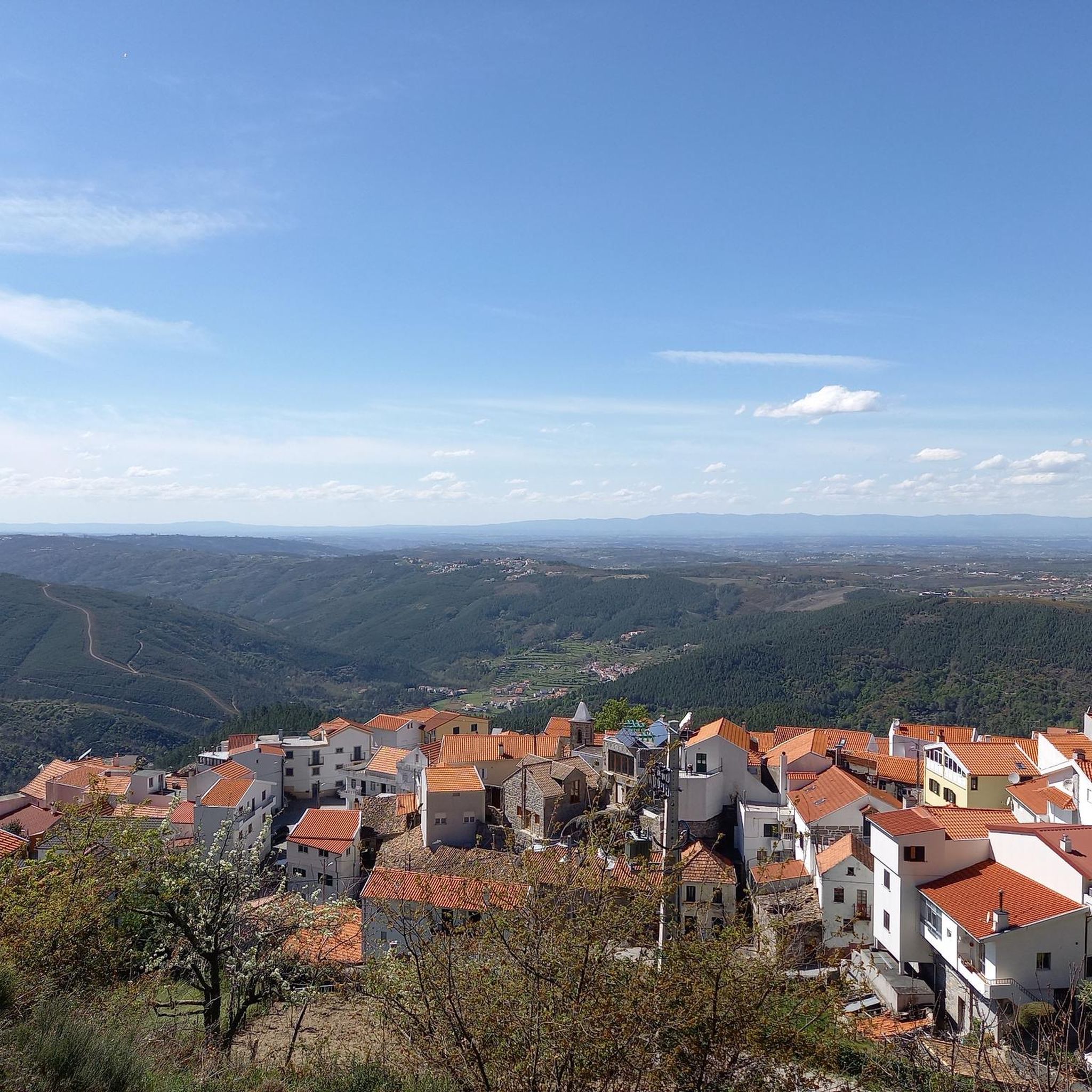
Penedo C'Abana is a large rocky outcrop located near Póvoa de Midões, on the slope overlooking the Mondego River. It provides a prominent viewpoint overlooking the river and the municipality of Tábua. It has the unique characteristic of swaying slightly when pressed upon, shaking it. Penedo C'Abana is classified as a Property of Public Interest.
0
0
The Penedo C'abana is a large rocky outcrop located near Póvoa de Midões, on the slope overlooking the River Mondego. It is a reference point for viewing the river and the municipality of Tábua. It has the peculiarity of swaying slightly when pressure is applied to it, shaking it. The Penedo C'Abana is classified as a Property of Public Interest.
1
0

The place is easily accessible and offers visitors plenty of space to relax and enjoy nature. It is best to visit in the morning when you are alone. There is a small car park nearby.
2
0
It is one of the largest dolmens in Portugal and one of the best preserved.
3
0

Frequently Asked Questions
What unique natural monuments can I explore around Vila Franca Da Beira?
Beyond the well-known sites, you can discover a blend of historical and natural wonders. For instance, the Lapa da Orca Dolmen is one of Portugal's largest and best-preserved megalithic structures. Another significant site is Anta da Palheira, a large dolmen that was even used as a dwelling until the 1970s. For breathtaking views, visit Miradouro do Penedo Cabana, a rocky outcrop offering expansive vistas of the River Mondego.
Are there historical natural monuments in the area?
Yes, the region is rich in historical natural monuments. The Lapa da Orca Dolmen and Anta da Palheira are ancient megalithic structures, designated as National Monuments, offering a glimpse into prehistoric times. Additionally, the historic Roman Bridge of Sumes, though its exact construction date is uncertain, is classified as a Property of Public Interest and is nestled within a beautiful natural landscape.
What kind of natural features can I expect to see in Vila Franca Da Beira?
You'll find a diverse range of natural features. The area boasts ancient megalithic structures, scenic viewpoints like Miradouro do Penedo Cabana overlooking the River Mondego, and tranquil river settings. The Cavalos River, a tributary of the Mondego, features lush vegetation, moss-covered rocks, and even sections where it disappears beneath gigantic granite blocks, creating a fairytale-like atmosphere, especially along the Trilho dos Gaios.
Are there hiking trails near these natural monuments?
Absolutely. The region offers several hiking opportunities. For example, you can explore the area around the Roman Bridge of Sumes and Vale de Gaios River Beach on a moderate 8 km loop. Another moderate hike connects Anta da Palheira and Lapa da Orca Dolmen. You can find more hiking options in the Hiking around Vila Franca Da Beira guide.
What other outdoor activities are available near the natural monuments?
Besides hiking, you can enjoy cycling and mountain biking. There are numerous routes, such as a challenging 42 km cycling loop from Midões that includes the Roman Bridge of Sumes and Vale de Gaios Walkway, or various moderate mountain bike loops around Nelas and Oliveira do Hospital. Explore more options in the Cycling around Vila Franca Da Beira and MTB Trails around Vila Franca Da Beira guides.
Can I swim or relax by the water in the area?
Yes, the Vale de Gaios River Beach is a serene 'little paradise' during summer. Its crystal-clear waters, fed by the Cavalos River, are perfect for refreshing dips and relaxation. It's an ideal spot to cool off and enjoy the tranquil natural setting.
Is the Trilho dos Gaios worth exploring?
The Trilho dos Gaios is highly recommended for its enchanting experience. This trail features colorful boardwalks winding along the Cavalos River, connecting the Vale de Gaios River Beach to the Roman Bridge of Sumes. You'll encounter several waterfalls, rich vegetation, and sections where the river flows beneath gigantic granite blocks, creating a truly captivating natural journey.
Are the natural monuments family-friendly?
Many of the natural monuments are suitable for families. For instance, Lapa da Orca Dolmen and Miradouro do Penedo Cabana are categorized as family-friendly, offering accessible points of interest for all ages to enjoy the historical and natural beauty.
When is the best time of year to visit the natural monuments around Vila Franca Da Beira?
The summer months are ideal for enjoying the Vale de Gaios River Beach for swimming and relaxation. However, for hiking and exploring the trails like Trilho dos Gaios and the megalithic sites, spring and autumn offer pleasant temperatures and lush scenery, avoiding the peak heat of summer.
Is there parking available at these natural sites?
Yes, for sites like Miradouro do Penedo Cabana, there is a small car park nearby, making it easily accessible. For other natural monuments and trailheads, parking is generally available, though it might be in designated areas or along roadsides depending on the specific location.
What do visitors enjoy most about the natural monuments in Vila Franca Da Beira?
Visitors particularly appreciate the blend of historical significance and natural beauty. The well-preserved megalithic structures like Lapa da Orca Dolmen and Anta da Palheira offer a unique historical perspective. The stunning views from Miradouro do Penedo Cabana and the tranquil, picturesque setting of the Vale de Gaios River Beach and Trilho dos Gaios are also highly praised for their serene beauty and opportunities for outdoor enjoyment.
Most popular attractions around Vila Franca Da Beira

Get inspired with the komoot mobile app


Explore more
Extend your search for the best caves by checking out these guides of the top ones around Vila Franca Da Beira:
