Top 7 Natural Monuments around Lagos Da Beira
Best natural monuments around Lagos Da Beira are found within a landscape characterized by natural beauty and diverse ecosystems. This region, part of the municipality of Oliveira do Hospital, offers a range of captivating natural monuments and geological formations. Visitors can explore sites featuring ancient granite structures, verdant river beaches, and significant protected areas. The terrain provides opportunities to experience unique natural features and varied outdoor environments.
Best natural monuments around Lagos Da Beira
- The most popular natural monuments is…
Last updated: June 29, 2026
Lapa dos Dinheiros River Beach
Highlight • Beach
Translated by Google •
Tip by

Cornos do Diabo
Highlight • Natural Monument
Translated by Google •
Tip by
Sign up now to discover places like this
Get recommendations on the best single tracks, peaks, & plenty of other exciting outdoor places.
Sign up for free
Poço da Broca de Serapitel
Highlight • Waterfall
Translated by Google •
Tip by

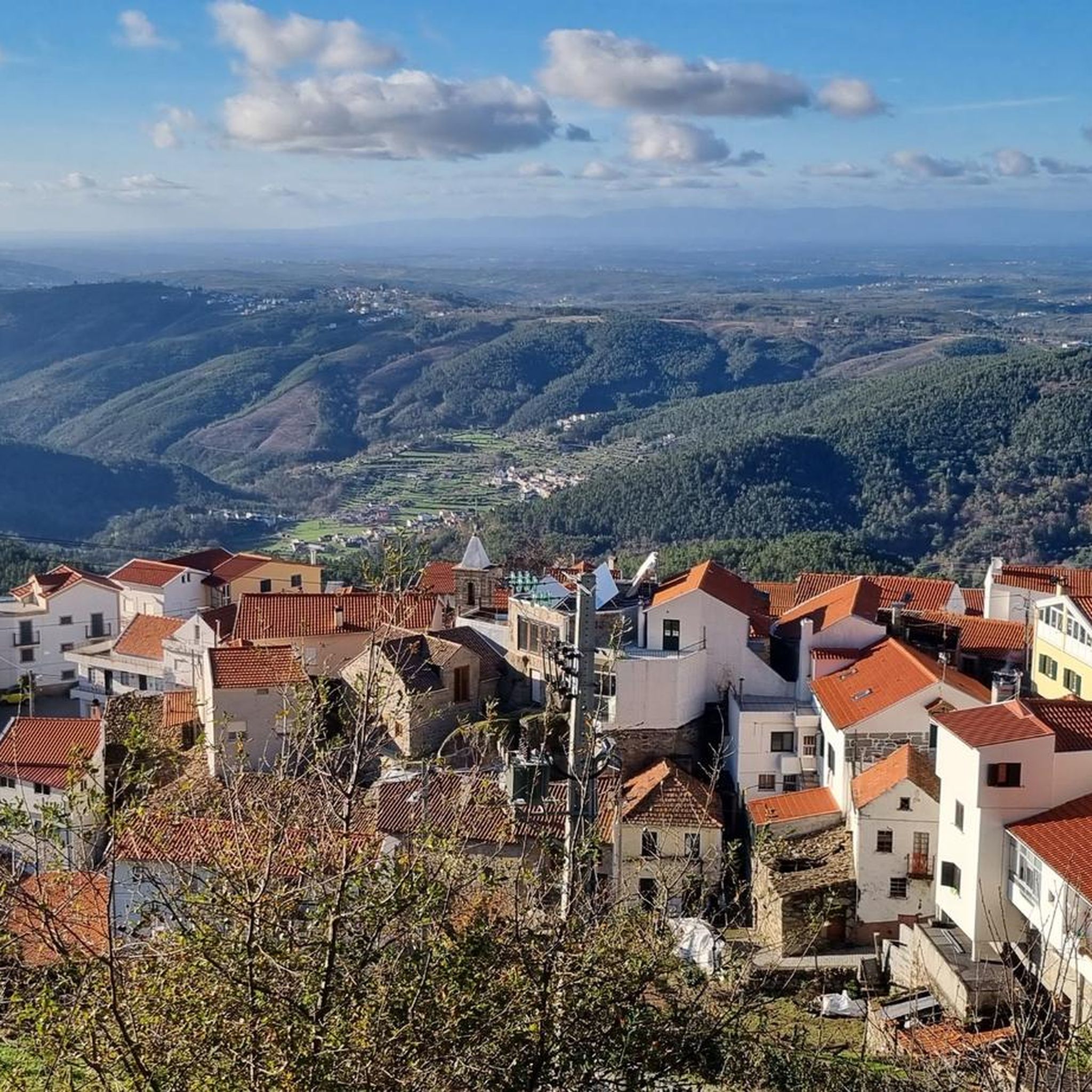
View of the Loriga Terraces
Highlight • Viewpoint
Translated by Google •
Tip by
Waterfall and natural swimming pool in Parque Natural da Serra da Estrela
Highlight • Waterfall
Translated by Google •
Tip by

Sign up for free to discover even more natural monuments around Lagos Da Beira.
Sign up for free
Already have an account?
Start today with a free account
Your next adventure awaits.
Login or Signup




Tips from the Community

The Loriga Glacial Valley is an impressive geological formation of glacial origin, approximately 6.5 kilometers long, located in the municipality of Seia, right in the Serra da Estrela Natural Park. Shaped during the last ice age, this "U"-shaped valley stands out for its steep granite slopes, staircase-like cirques, and the famous village of Loriga, often nicknamed the "Portuguese Switzerland" due to its mountainous surroundings.👍🥾
0
0
The Devil's Horns are a prominent granite rock formation with two horn-like points, located in the Serra da Estrela mountain range, near Lapa dos Dinheiros and Senhora do Desterro (not in Gerês, but in Seia, Portugal). They are the highlight of a famous circular hiking trail that follows a water channel and the Caniça stream, offering stunning landscapes, lagoons, and waterfalls. 👍🥾
0
0

The Lapa dos Dinheiros river beach is in perfect harmony with nature. Located in the parish of Lapa dos Dinheiros, on the Caniça River, a right-bank tributary of the Alva River, this bathing area is nestled in a mountainous landscape dominated by the Lapa Souto (south of Lapa) and imposing granite outcrops. With clear water, very appealing for swimming, the beach boasts the award for accessible beach and has lifeguards and a bar available to visitors. The rugged terrain of the valley causes the river to form a succession of small waterfalls nearby. The Lapa Souto, in addition to its valuable collection of centuries-old chestnut trees, is also home to a high level of biodiversity. From the bridge, a pedestrian path leads to the Moura Hole and a viewpoint over the Caniça Waterfalls. The Buraco da Moura is a natural cave system created by the sliding and accumulation of large granite blocks, which formed a complex system of rooms and galleries. How to get there? Once in Seia, follow the EN231 to S. Romão. From there, continue uphill for about 5 km, toward Loriga/Lapa, until you find the sign for Lapa dos Dinheiros on the left. Once inside the town, simply follow the beach signs. Coordinates: 40º 23′ 07.0″ N / 7º 41′ 50.1″ W
1
0

The enigmatic Devil's Horns rise from the granite, defying the sky with their six-metre height. Sculpted by erosion over the centuries, they earned this bold name thanks to their sharp and imposing profile. But the charm doesn't end there: around this unique formation, there are small crystal-clear lagoons and serene waterfalls, creating a true natural refuge that seems to have come straight out of a fantasy story.
3
1
Nestled on the banks of the Caniça river, a tributary of the Alva river, this beach area is a haven in the middle of a mountainous landscape, where ancient chestnut trees and granite blocks shape the scenery. The crystal-clear, inviting water is perfect for a refreshing dip. The beach, which has been awarded the title of accessible, has lifeguards and a bar, making the experience even more enjoyable.
3
0
In Loriga, human ingenuity has shaped the mountain. Over the centuries, persistent hands have built terraces and designed an intricate irrigation network, transforming a once rocky valley into an oasis of fertility. More than a legacy, it is a living testament to the wisdom and resilience of the people of Loriga, a true landmark that honors the past and enriches the present.
4
1

Beautiful waterfall, but potentially empty. There is access via the levada from Cabeça, with a flat path in relatively good condition. People with vertigo may pass through the canal in the narrowest areas. Wear trousers and boots because of the nettles. Enjoy!!!
4
1

Frequently Asked Questions
What are some unique natural monuments to explore around Lagos da Beira?
The region offers several distinctive natural monuments. You can visit the Cornos do Diabo, known for its six-meter-high granite formations and serene waterfalls. Another highlight is the Lapa dos Dinheiros River Beach, a verdant haven with ancient chestnut trees and impressive granite blocks. Also, consider the beautiful Poço da Broca de Serapitel waterfall, accessible via a levada.
Are there family-friendly natural monuments or activities in the area?
Yes, the Lapa dos Dinheiros River Beach is an excellent choice for families. It features clear, inviting waters for swimming, lifeguards, and a bar. It has also been recognized as an accessible location, making it suitable for a wider range of visitors.
What kind of geological features can I expect to see near Lagos da Beira?
The landscape around Lagos da Beira is rich in geological formations. You'll find striking granite structures like the Cornos do Diabo, sculpted by centuries of erosion. The region also features impressive granite blocks along riverbanks, as seen at Lapa dos Dinheiros River Beach, and numerous waterfalls and river systems.
What is the best time to visit the natural monuments around Lagos da Beira?
The best time to visit depends on your preferred activities. For swimming and enjoying river beaches like Lapa dos Dinheiros, the warmer months from late spring to early autumn are ideal. For hiking and exploring waterfalls like Poço da Broca de Serapitel, spring and early summer offer pleasant temperatures and fuller water levels, though some waterfalls can be seasonal.
Are there hiking trails near these natural monuments?
Yes, the area around Lagos da Beira offers various hiking opportunities. For example, you can find easy hikes like the 'Caniçada Waterfall loop from Lapa dos Dinheiros' or the 'View of the Valley loop from Vila Nova de Oliveirinha'. More challenging trails, such as the 'Cornos do Diabo – Aqueduct of the Caniça Route loop', are also available. You can explore more options in the easy hikes and running trails guides.
What outdoor activities can I do near the natural monuments?
Beyond exploring the monuments themselves, the region is excellent for various outdoor activities. You can enjoy refreshing swims at river beaches, hike along scenic trails, or even go road cycling. Guides like Easy hikes around Lagos Da Beira, Running Trails around Lagos Da Beira, and Road Cycling Routes around Lagos Da Beira offer detailed routes for different sports.
Is the Serra da Estrela Natural Park close to Lagos da Beira, and what can I see there?
The Serra da Estrela Natural Park, Portugal's largest protected area, is in close proximity to Lagos da Beira. It's a UNESCO Global Geopark known for its diverse landscapes, including rocky outcrops, rivers, and rich biodiversity. Within the park, you can visit Torre (mainland Portugal's highest point), the iconic Cabeça do Velho rock formation, and the beautiful Lagoa Comprida.
Are there any viewpoints offering panoramic scenery of the natural landscape?
Yes, the region boasts several viewpoints. The View of the Loriga Terraces offers a unique perspective on human ingenuity shaping the mountain landscape with intricate irrigation networks. Additionally, the Cornos do Diabo area also provides scenic views of its unique granite formations and surrounding nature.
What should I wear for hiking and exploring the natural monuments?
For hiking and exploring, it's advisable to wear appropriate clothing and footwear. Sturdy boots are recommended, especially for trails that might be uneven or rocky. For areas like Poço da Broca de Serapitel, wearing trousers is suggested due to the presence of nettles along some paths.
Are there any protected natural areas besides Serra da Estrela nearby?
Yes, the Serra do Açor Protected Landscape is situated to the west of Serra da Estrela. This area is recognized for its significant natural heritage, particularly the Mata da Margaraça, a biogenetic reserve and relict of primitive forest. It's home to rare plant species and offers a wild, diverse natural environment.
What do visitors enjoy most about the natural monuments around Lagos da Beira?
Visitors frequently appreciate the diverse outdoor experiences, from refreshing swims in crystal-clear river waters to exploring unique geological formations. The combination of natural beauty, such as ancient chestnut trees and impressive granite blocks, with opportunities for hiking and relaxation, makes these spots highly valued by the komoot community, with over 60 upvotes and 40 photos shared.
Is public transport available to reach some of the natural monuments?
While specific public transport routes directly to all natural monuments can be limited, major towns like Oliveira do Hospital, which is near Lagos da Beira, often have bus services. From there, local transport or a short drive might be necessary to reach more secluded natural sites like Lapa dos Dinheiros River Beach or the Cornos do Diabo.
Are there any cafes or restaurants near the natural monuments?
Some natural monuments, like Lapa dos Dinheiros River Beach, are equipped with a bar, offering refreshments. For more extensive dining options, nearby villages and towns such as Coja or Oliveira do Hospital provide a selection of cafes and restaurants where you can enjoy local cuisine.
Most popular attractions around Lagos Da Beira

Get inspired with the komoot mobile app


Explore more
Extend your search for the best caves by checking out these guides of the top ones around Lagos Da Beira:
