Top 6 Natural Monuments around Urros e Peredo dos Castelhanos
Best natural monuments around Urros e Peredo dos Castelhanos are characterized by the dramatic landscapes of the Douro River and its surrounding environment. This region, part of the Douro International Natural Park, features deep gorges, impressive cliffs, and terraced vineyards. The area offers a blend of natural geological formations and a cultural landscape shaped by centuries of viticulture. These natural features provide opportunities to observe diverse flora and fauna, including significant birdlife.
Best natural monuments around Urros e Peredo dos…
Last updated: June 29, 2026
Castro de São Paulo
Highlight • Historical Site
Translated by Google •
Tip by

Ponte de Santa over the Ribeira do Mosteiro
Highlight • Bridge
Translated by Google •
Tip by
Sign up now to discover places like this
Get recommendations on the best single tracks, peaks, & plenty of other exciting outdoor places.
Sign up for free
Douro River along the Ribera do Arroio
Highlight (Segment) • River
Translated by Google •
Tip by

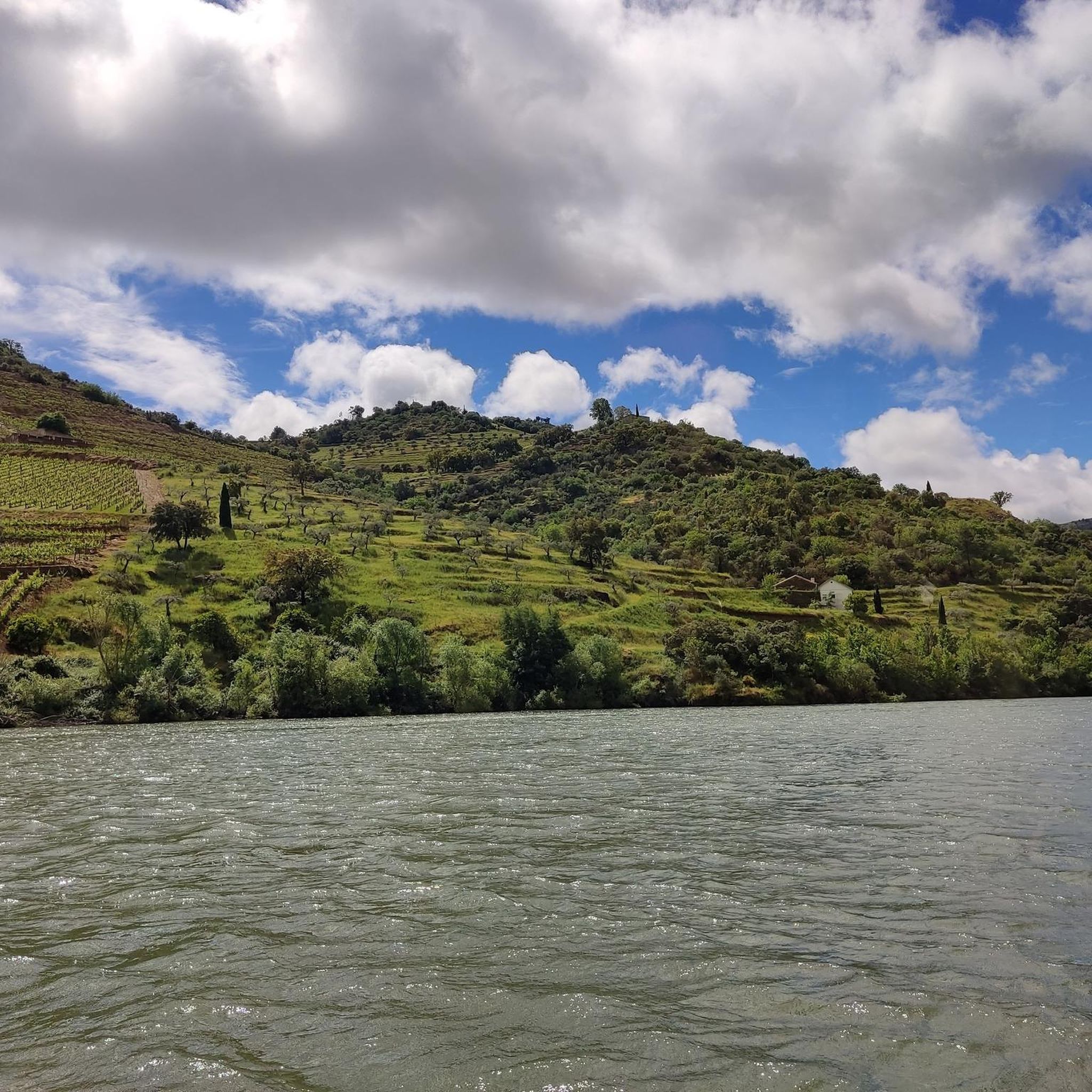
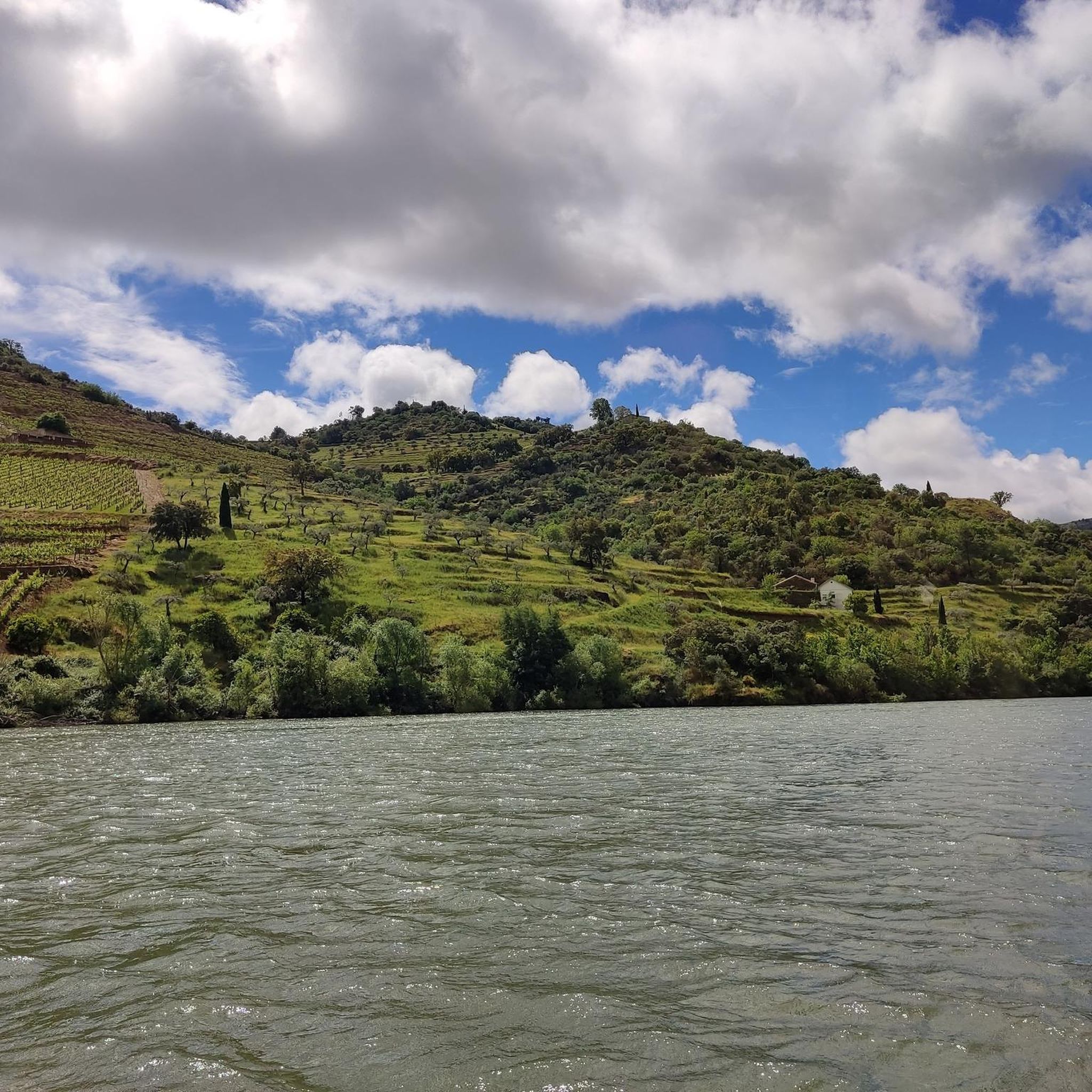
View of the Duero River
Highlight • Viewpoint
Translated by Google •
Tip by

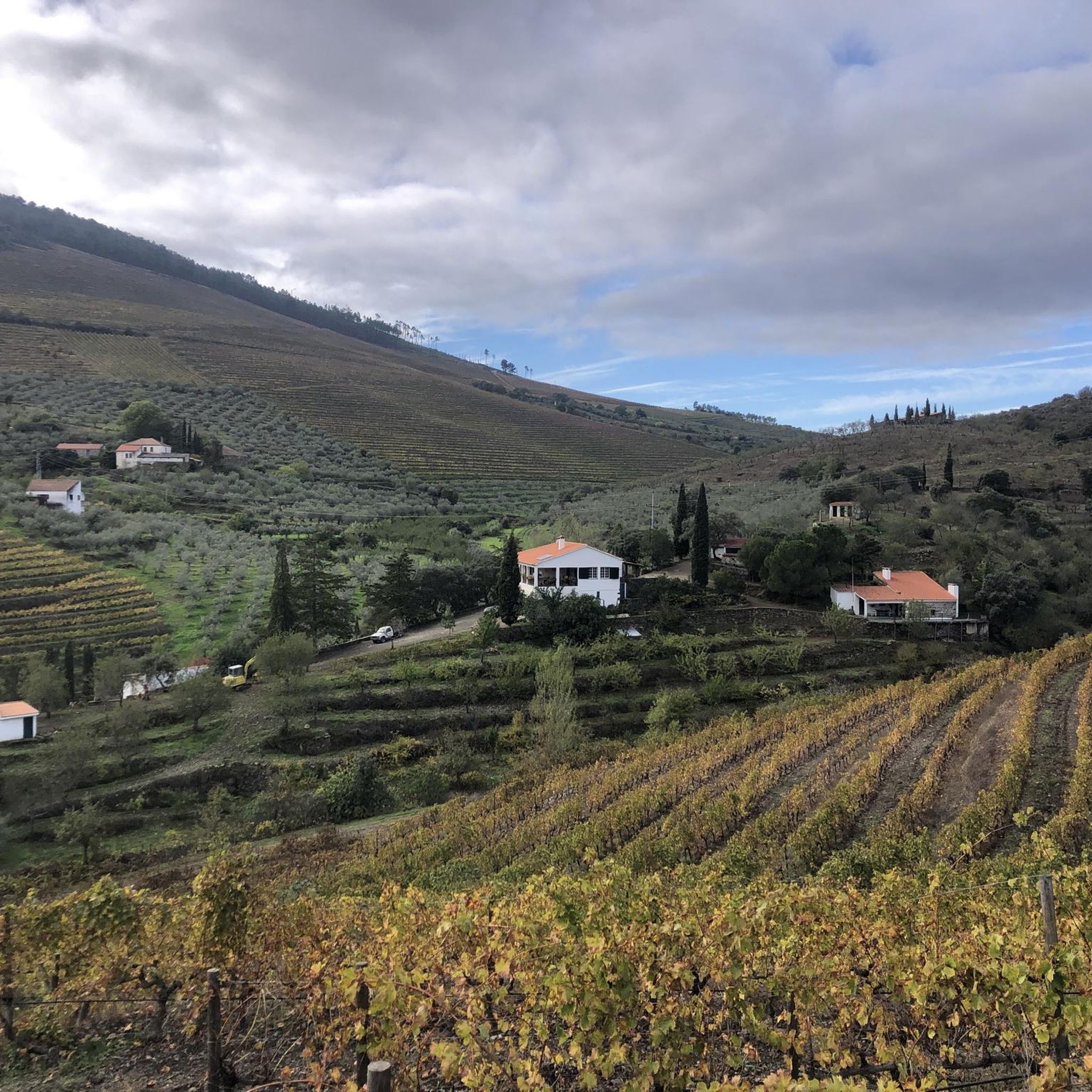
Amêndoa Natural Landscape
Highlight • Viewpoint
Translated by Google •
Tip by
Start today with a free account
Your next adventure awaits.
Login or Signup

Tips from the Community

The Ponte de Santa bridge stretches over the Ribeira do Mosteiro. Beneath it, amidst the whispering water and the gentle warmth of the sun, you can rest on one of the large stone slabs that are spread out there, as if they were made to welcome travelers in need of rest. The scenery around you is pure enchantment: the schist slopes are torn apart by impressive quartzite outcrops that burst from the earth, erected in almost sculptural forms, a geological spectacle that is as intriguing as it is beautiful.
2
0
This place holds ancient memories, with remains dating back to the Bronze Age, with fragments of pottery that reveal human presence since ancient times. But the story did not end there: occupation extended into the Iron Age and continued during Roman rule. The ancient defensive walls of Castro de São Paulo, now almost gone, were worn down by time or transformed into terraces by the hands of farmers who, over the centuries, shaped the landscape to suit their needs.
3
0

A great view of the Duero and a beautiful hiking trail.
1
0

The closed gates on stage 42 of the Senda del Duero can be opened to go through. Don't forget to close them again 😉
2
0

After the town of Açoreira is this road that allows us to see the impressive views of these mountains in a magnificent stretch.
0
0
At this fork of the Douro River, which is called the Ribera do Arroio, this road appears that reaches the two towns that are above the river terrace of the same river, Açoreira and Peredo Dos Castelhanos.
0
0
Frequently Asked Questions
What unique natural features can I explore around Urros e Peredo dos Castelhanos?
The region boasts diverse natural features. You can discover the unique geological formations of the Vale da Vilariça, a tectonic fault valley known for its fertile land and role as a migratory bird corridor. The Sabor River Valley offers tranquil river landscapes, cork oak forests, and riparian habitats. Additionally, the section of the Douro River within the Parque Natural do Douro Internacional features breathtaking cliffs and a unique Mediterranean microclimate.
Are there any historical natural monuments in the area?
Yes, the area is rich in history. You can visit Castro de São Paulo, an ancient site with remains dating back to the Bronze Age, Iron Age, and Roman rule. Although the defensive walls are mostly gone, the site offers a glimpse into ancient human presence and how the landscape was shaped over centuries.
Where can I find impressive views of the Douro River and surrounding landscapes?
For stunning panoramic views, head to View of the Duero River, which offers a magnificent perspective of the river. Another excellent spot is Alto da Barca ou Fevereira in Peredo dos Castelhanos, providing expansive views over the Douro River and nearby chapels. The Amêndoa Natural Landscape also provides impressive mountain views after passing Açoreira.
What kind of flora and fauna can I expect to see in the natural monuments?
The region is rich in biodiversity. In Serra do Reboredo, you'll find diverse plant species including oaks, cork trees, pines, chestnuts, arbutus, various heaths, and rare herbs like orchids and Paeonia broteri. This area is also home to a wide range of birds and mammals. The Sabor River Valley supports diverse flora and fauna, including otters, golden eagles, and Iberian wolves, within its cork oak forests and Mediterranean scrubland.
Are there family-friendly natural monuments or activities available?
Yes, Castro de São Paulo is categorized as family-friendly, offering an opportunity to explore ancient history. Many of the viewpoints, such as View of the Duero River, are accessible and enjoyable for families, providing scenic spots for picnics or short walks.
What outdoor activities can I do near these natural monuments?
The area offers various outdoor activities. You can enjoy hiking on trails like the 'Vale da Ribeira do Mosteiro (PR 1)' or the 'Iron Way Trail'. For mountain biking, routes such as 'Muelle de Vega Terrón - La Fregeneda por la Ruta del Duero' are available. Cycling enthusiasts can explore routes like 'View of Torre de Moncorvo – Larinho Station'. You can find more details on these activities in the hiking guide, MTB guide, and cycling guide for Urros e Peredo dos Castelhanos.
Can I find trails suitable for hiking near the natural monuments?
Absolutely. The region offers several hiking trails. A moderate option is the 'Vale da Ribeira do Mosteiro (PR 1)' which is about 7.5 km long and located within the Parque Natural do Douro Internacional. For a more challenging experience, consider the 'Iron Way Trail'. You can explore more hiking options in the hiking guide for Urros e Peredo dos Castelhanos.
What is the best time to visit the natural monuments in Urros e Peredo dos Castelhanos?
The region generally enjoys a Mediterranean microclimate, making spring and autumn ideal for visiting. During these seasons, the weather is pleasant for outdoor activities like hiking and birdwatching, and the landscapes are particularly vibrant. Summer can be hot, especially in the Douro Valley, while winter offers a quieter experience with cooler temperatures.
Are there any natural monuments that involve water features?
Yes, the region is defined by its rivers. The Ponte de Santa over the Ribeira do Mosteiro offers a picturesque setting where you can rest by the whispering water. The Sabor River Valley and the Douro River itself are prominent natural monuments, providing opportunities for fishing, birdwatching, and enjoying tranquil river landscapes, including the scenic Baixo Sabor Reservoir.
What geological highlights are present in the area?
The geology of the region is quite striking. The Vale da Vilariça is a distinctive tectonic fault valley. Near the Ponte de Santa over the Ribeira do Mosteiro, you can observe impressive quartzite outcrops bursting from schist slopes, creating a unique geological spectacle. Additionally, the subsoil of Serra do Reboredo holds significant hematite deposits, ranking among the most important in Europe.
What makes the Serra do Reboredo a significant natural monument?
Serra do Reboredo is considered one of the greatest natural riches of the Torre de Moncorvo municipality. It features an immense, diverse forest with a wide array of plant species and is a habitat for numerous birds and mammals, making it excellent for birdwatching, mycological, and botanical tours. It also offers magnificent scenery and viewpoints like Santa Leocádia and Fraga do Facho.
Most popular attractions around Urros e Peredo dos Castelhanos

Get inspired with the komoot mobile app


Explore more
Extend your search for the best caves by checking out these guides of the top ones around Urros e Peredo dos Castelhanos:
