Top 4 Natural Monuments around Meixedo
Meixedo’s landscape is a beautiful place to explore — something that you can best experience by visiting one of our 4
beautiful natural monuments around Meixedo. To help you find the one for, you can see all the details you need to explore the best natural monuments, and better plan your next outdoor adventure!
Last updated: October 30, 2026
European chestnut (Castanea sativa)
Highlight • Natural Monument
Translated by Google •
Tip by

View of the Montesinho Hills
Highlight • Viewpoint
Translated by Google •
Tip by
Sign up now to discover places like this
Get recommendations on the best single tracks, peaks, & plenty of other exciting outdoor places.
Montesinho Natural Park
Highlight • Natural Monument
Translated by Google •
Tip by
Sweet chestnut
Highlight • Natural Monument
Showing Translation
Tip by

Along the Sabor River
Highlight (Segment) • River
Translated by Google •
Tip by

Start today with a free account
Your next adventure awaits.
Tips from the Community

The Montesino park area hosts about 80% of Portugal's mammal species, including the Iberian wolf, the roe deer and the otter, as well as hundreds of species of vertebrates and birds.
12
0
At least 500 years old, it is one of the characteristic trees in this forest.
12
0

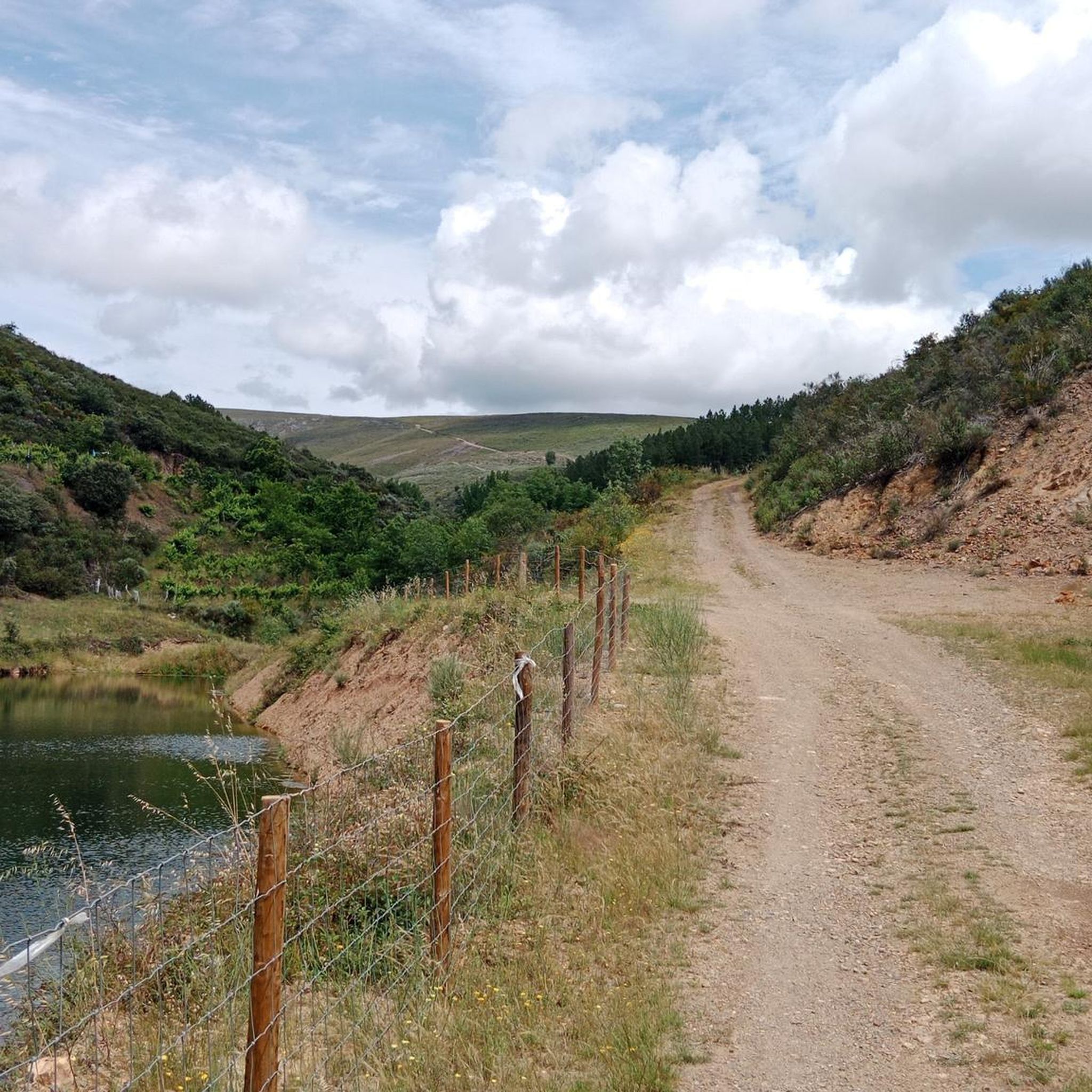
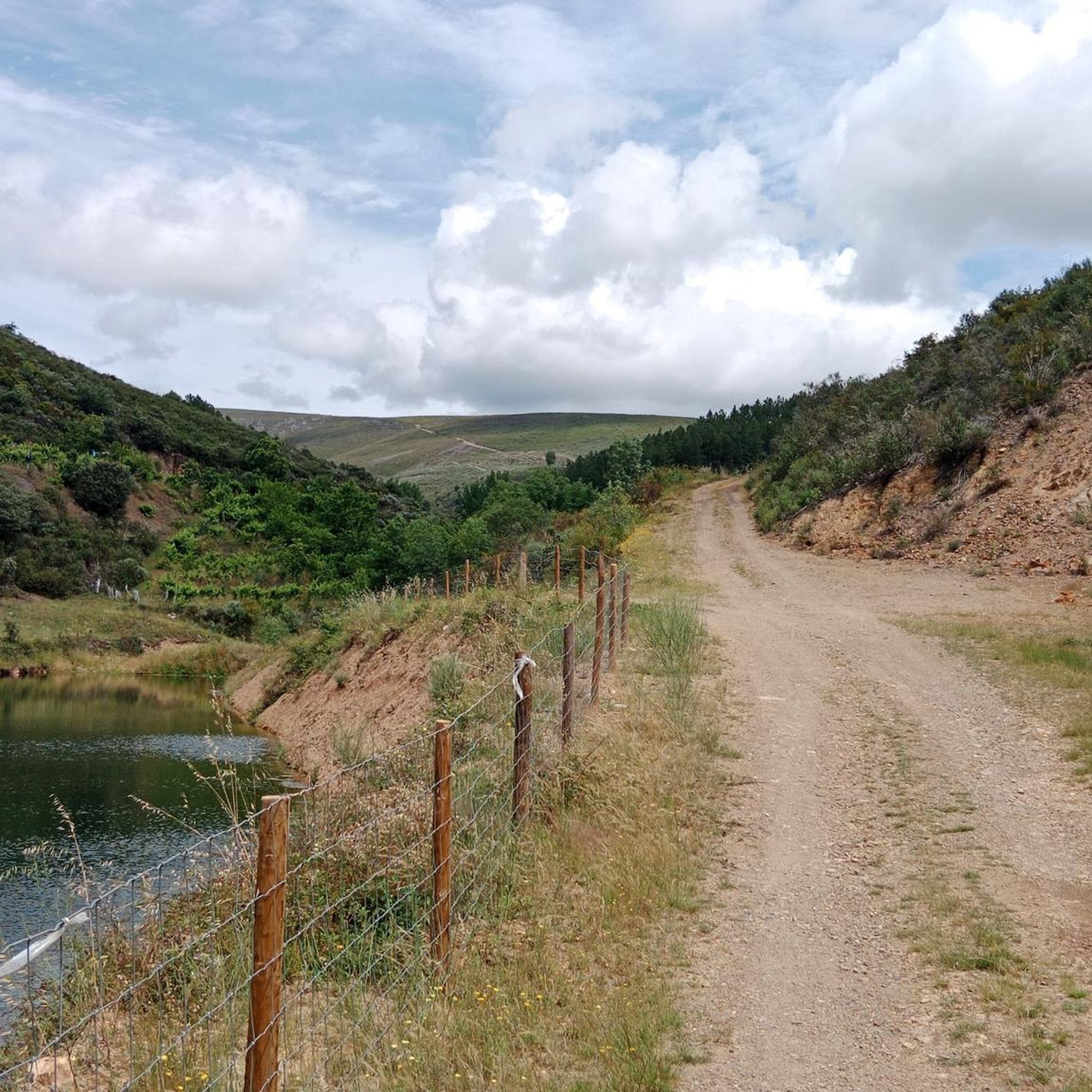
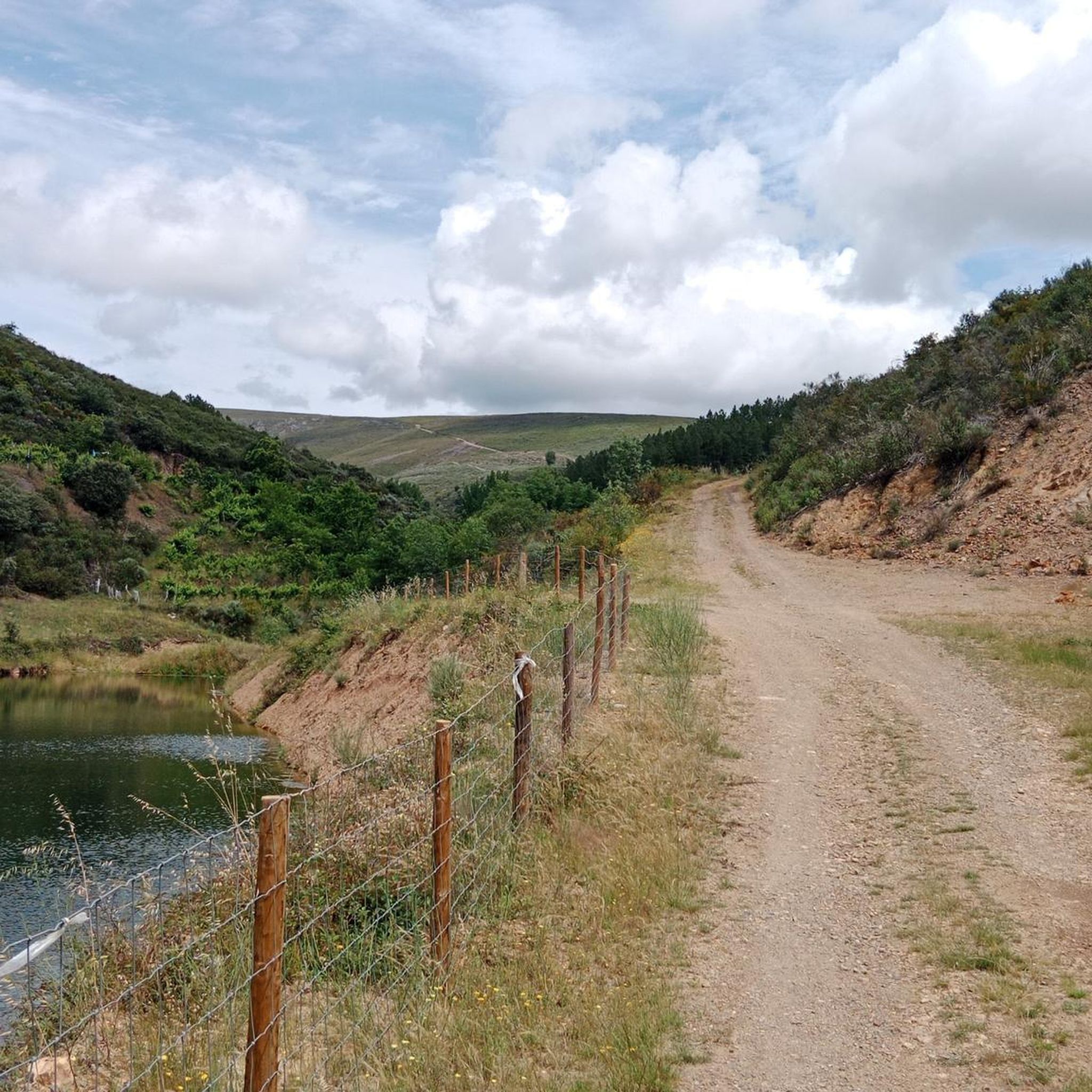
This dirt track winds alongside the Sabor River, which flows through a valley covered in green alder, ash and poplar trees. All around, immense cliffs rise up like natural walls, making you feel tiny amidst the grandeur of the landscape.
2
0

Considered the “bread tree” in the regions north of the Tagus, the chestnut tree was the staple food before the arrival of the potato and the main source of carbohydrates in the north of the Iberian Peninsula. This deciduous tree can grow up to 30 to 35 metres in height and reach diameters of up to 12 metres, although the trunk becomes hollow as the tree ages. It is very long-lived and can live for over a thousand years. The European chestnut tree (Castanea sativa Miller) belongs to the Castanea genus and the Fagaceae family, the same family that includes cork oaks and oaks in general. The genus includes 12 to 13 species, five of which are of Asian origin and seven of which are North American. The common chestnut tree is the only one native to Europe. This is a tree that managed to survive the last glacial period (Würms glaciation) in some parts of central and Mediterranean Europe and is currently found all over the world, including North and South America and Australia. Several studies indicate that the natural distribution of the European chestnut tree corresponds to these refuge zones, where it remained during the glacial events. These areas later served as starting points for the colonization of other regions, before humanity dedicated itself to cultivating the species. One of these refuges is located in the Picos de Europa region and another between the south of Galicia and the north of Portugal, which is why the chestnut tree is considered an indigenous or native species of our country. The chestnut tree grows well in temperate climates and the ideal conditions for its development are found in places with average temperature and humidity, where rainfall reaches at least 600 mm per year – more than 100 mm in the summer. It is, however, sensitive to late frosts and very low temperatures. It prefers soils at least 50 cm deep, loose and rich in nutrients, slightly acidic (pH between 4.5 and 6.5) and not calcareous. Although it can grow in less suitable conditions, it develops and produces best in coastal or mountainous areas, at medium altitude, with hot and humid summers and mild winters.
2
0
Located in the Montesinho Natural Park, at an altitude of over 1000 metres, in the municipality of Bragança. Completely restored but still genuine, it consists of several houses that maintain the traditional architecture of Trás-os-Montes, built in granite with slate roofs and wooden balconies, a place of cosiness. The walking tour, which is around 10km long, takes you along trails that also include the villages of França and Portelo. It is a visit of contrasts, where the green of the pastures mixes with flowers of all colours and the red of the woods.
1
0
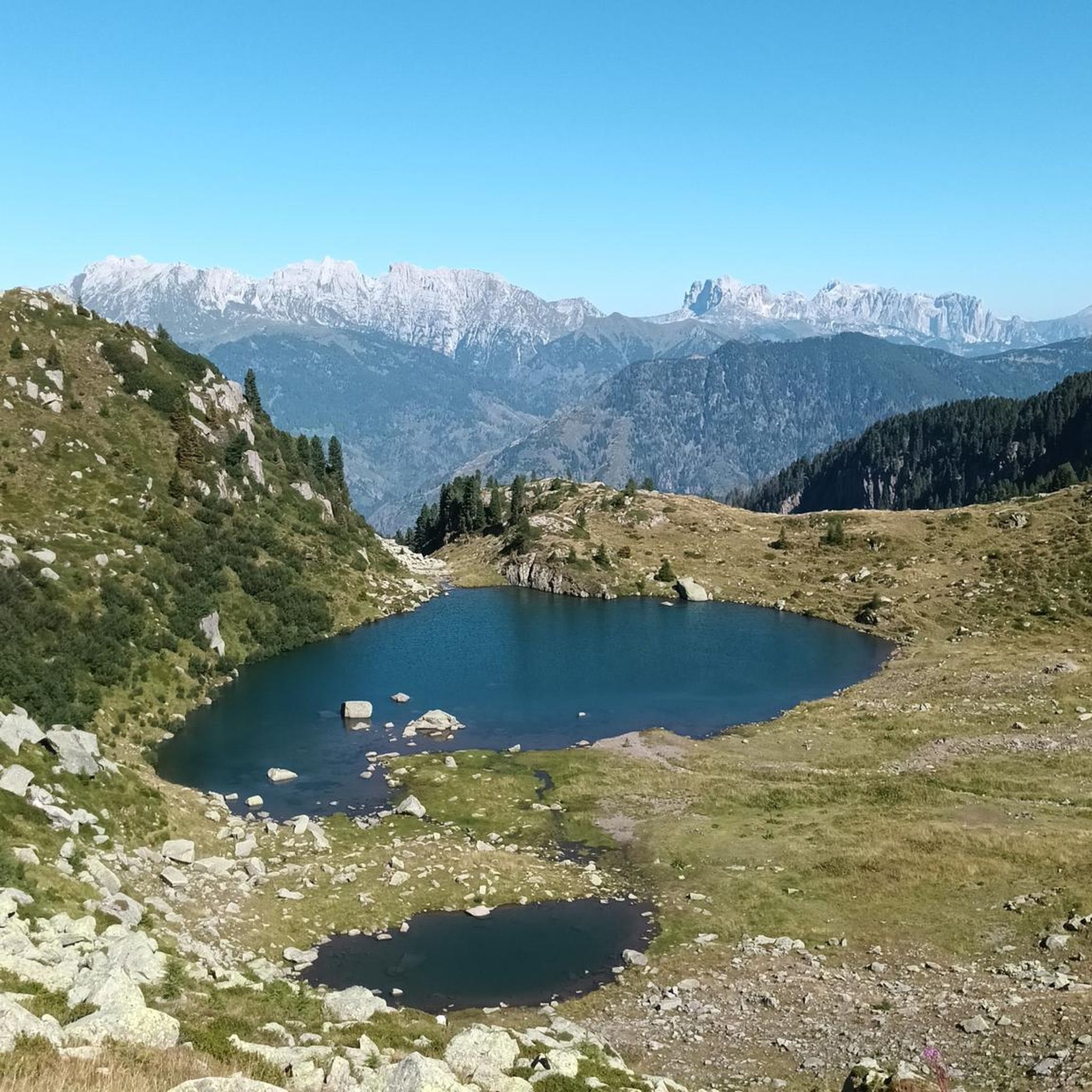
The Montesinho Natural Park covers an area of approximately 75 thousand hectares and is located in the Terra Fria Transmontana region, in the extreme northeast of Portugal, bordering the Spanish communities of Galicia and Castile-Leon. It covers the territories of two municipalities, namely Bragança and Vinhais. As a curiosity, you should know that there are more than 90 villages within the Montesinho Natural Park and that the highest point in the park is the Serra do Montesinho, whose peak is 1,486 metres above sea level.
3
0

Two great companions from the village who look after us
3
1
Most popular attractions around Meixedo

Get inspired with the komoot mobile app


Explore more
Extend your search for the best caves by checking out these guides of the top ones around Meixedo:
