Top 4 Natural Monuments around Vila Ruiva
Natural monuments around Vila Ruiva showcase the Alentejo region's diverse landscape. The area features river beaches, ancient forests, and unique geological formations. These natural attractions provide opportunities for outdoor activities and exploration. Vila Ruiva's surroundings offer a blend of natural beauty and historical significance.
Best natural monuments around Vila Ruiva
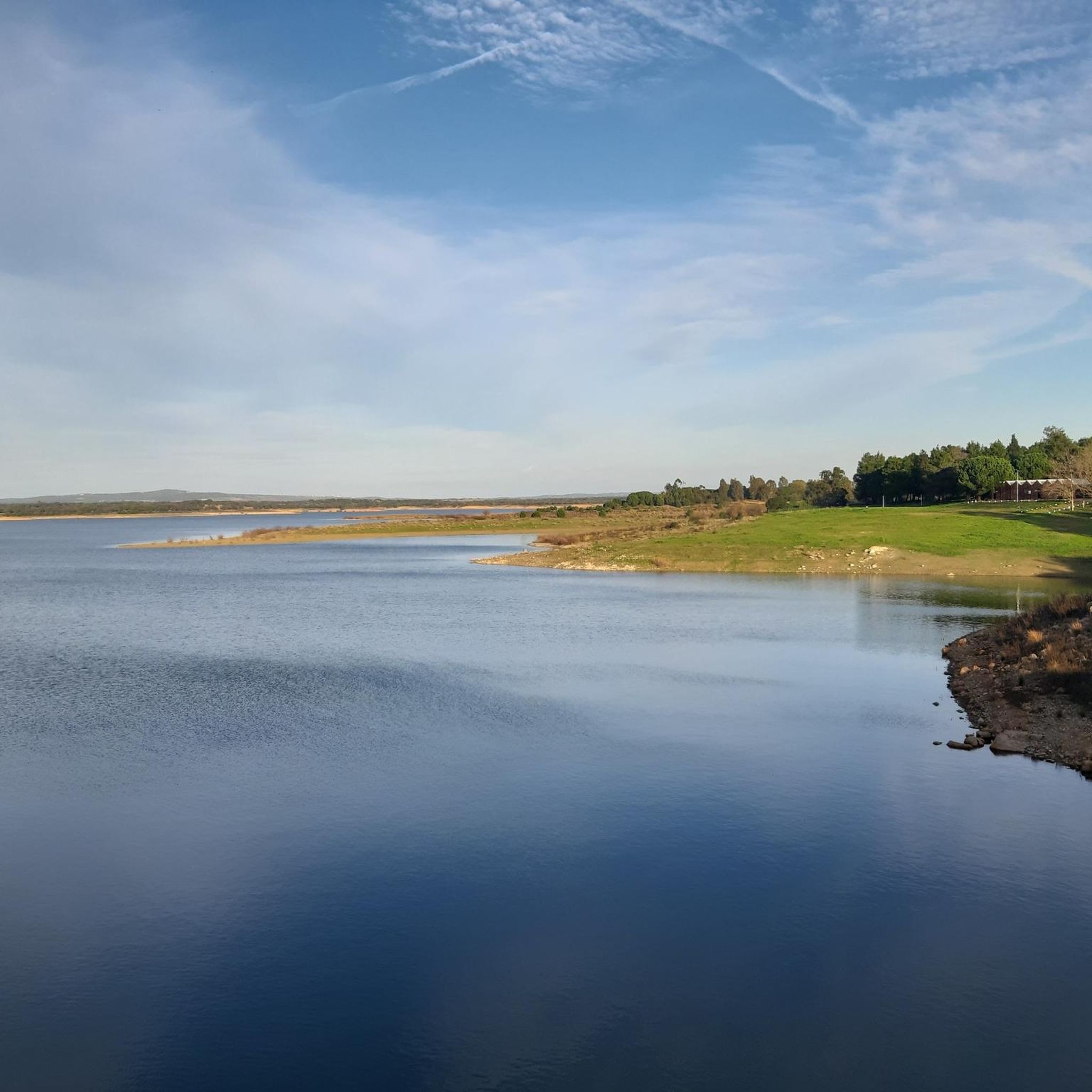
- The most popular natural monuments is Barragem de Albergaria dos Fusos, a lake that serves as an important strategic reserve of drinking water and offers conditions for outdoor activities…
Last updated: May 17, 2026
Barragem de Albergaria dos Fusos
Highlight • Lake
It is located in …
Translated by Google •
Tip by

Montado Forest
Highlight • Forest
On the tree level it can be …
Tip by
Sign up now to discover places like this
Get recommendations on the best single tracks, peaks, & plenty of other exciting outdoor places.
Sign up for free
Anta de Aguiar
Highlight • Historical Site
Translated by Google •
Tip by
Green Marble Quarries
Highlight • Structure
Translated by Google •
Tip by
Millenary Olive Trees.
Highlight • Natural Monument
Translated by Google •
Tip by
Start today with a free account
Your next adventure awaits.
Login or Signup
Popular around Vila Ruiva
Tips from the Community

Walking among the cork oaks, enjoying their shade.👍
2
0

The montado is a unique ecosystem, created by man, characteristic of the Alentejo. It consists of forests of holm oaks, cork oaks, oaks and chestnut trees, with a very delicate balance and which only exist in the Mediterranean, Algeria, Morocco and especially in the south of the Iberian Peninsula. In Portugal, the country with the largest extension of cork oaks in the world (33% of the world's area), the montado is legally protected, with its felling prohibited and exploitation encouraged. Portugal is the world's leading exporter of cork through the manufacture of stoppers.
6
0
The Montado is an agrosilvopastoral system explored at several levels – trees, bushes and herbs – according to the potential of each region. On the tree level it can be made up of oaks like cork oak (Quercus suber), holm oak (Q. rotundifolia) and less frequently pyrene oak (Q. pyrenaica) and portuguese oak (Q. faginea), in pure or mixed populations with variable densities. The ground cover is occupied by pastures used by cattle or is used for dry land crops on a rotation system. The natural pastures can be occupied by shrubs, in variable proportions. Humans are an integral and fundamental part of this ecosystem. It was through our clearing action that the montados were created, ever since we started intervening on our natural surroundings. Human management is necessary, in a more or less intensive way, in order to maintain the montado. Without this intervention, the system evolves, naturally to form a dense forest, where people have more difficulty obtaining resources. The way this process of transformation of the Mediterranean forest developed influenced the structure of the system as it presents today. Some older practices still persist, now without context, making more difficult the adaptation of the system to the new ways of agrarian production. Other ways emerged, some well adapted to the system, other causing more or less serious disturbances. The montado is a system for using the soil developed on a physical background that involves climate, pedological and geomorphological factors with specific characteristics. It is why this ecosystem is restricted to such a limited area, when compared to other ecosystems in our planet.
6
0
Area in Serra de S. Vicente where we can see dozens of thousand-year-old olive trees, in a typical Alentejo Montado setting.
5
0
Also known as Anta do Zambujeiro, it served as a place of worship for the dead during the Neolithic period. It preserves the corridor, burial chamber and roof slab, although listed.
9
0
Old Marble Quarries, currently deactivated. At one time, due to the excellent natural acoustics, a Music Festival called "Pedreira dos Sons" was organized here.
5
0
The river beach is located at the Albergaria dos Fusos Dam, about 5 minutes from the village of Albergaria dos Fusos, in the parish of Vila Ruiva, in the municipality of Cuba in the district of Beja in the heart of Alentejo. It is located between Viana do Alentejo and Vidigueira. The GPS coordinates are: 38.288525, -7.917904 or 8°17’18.7″N 7°55’04.5″W.
8
0
The Albergaria dos Fusos Dam is an important strategic reserve of drinking water that supplies the municipalities of Cuba, Vidigueira, Alvito, Viana do Alentejo and Portel. It is located in an area with excellent potential for the development of tourism, due to its good environmental conditions, natural resources, natural and built heritage, and good conditions for outdoor activities, such as water sports and sport fishing, among others. The shape of the reservoir, the beauty of the water surface and the existence of some points of interest, not only from a heritage point of view but also from a natural point of view, encourage its discovery, on foot or by boat, and have attracted many visitors over the years.
9
0
Frequently Asked Questions
What types of natural monuments can I explore around Vila Ruiva?
The region around Vila Ruiva offers a diverse range of natural monuments. You can discover the refreshing river beach at Barragem de Albergaria dos Fusos, explore the unique ecosystem of the Montado Forest with its cork oaks, or visit the ancient Anta de Aguiar, a Neolithic burial chamber. Additionally, there are the striking Green Marble Quarries and the impressive Millenary Olive Trees.
Are there family-friendly natural monuments near Vila Ruiva?
Yes, several natural monuments around Vila Ruiva are suitable for families. The Barragem de Albergaria dos Fusos offers a river beach perfect for swimming and relaxation. The Montado Forest provides pleasant walking opportunities under the shade of cork oaks. The ancient Anta de Aguiar can also be an interesting historical stop for families.
What outdoor activities can I do near these natural monuments?
The area around Vila Ruiva is excellent for outdoor activities. Near the Barragem de Albergaria dos Fusos, you can enjoy water sports and sport fishing. For cycling enthusiasts, there are several road cycling routes in the vicinity, such as the 'Castle of Beja – Portas de Aljustrel loop' or the 'Vila de Frades – View of Alqueva Reservoir loop'. You can find more details on these routes in the Road Cycling Routes around Vila Ruiva guide.
What is the best time to visit the natural monuments around Vila Ruiva?
The Alentejo region, where Vila Ruiva is located, experiences hot summers. Spring (April-May) and Autumn (September-October) generally offer the most pleasant weather for exploring, with milder temperatures ideal for walking and outdoor activities. If you plan to enjoy swimming at the Barragem de Albergaria dos Fusos, the warmer summer months might be more appealing, but be prepared for higher temperatures.
Are there any historical or cultural sites among the natural monuments?
Yes, the Anta de Aguiar is a significant historical site. Also known as Anta do Zambujeiro, it served as a place of worship and burial during the Neolithic period, offering a glimpse into ancient human presence in the landscape.
Can I find viewpoints or scenic spots among the natural monuments?
The Green Marble Quarries offer a unique scenic spot. Although deactivated, these old quarries provide an interesting landscape and were once known for their excellent natural acoustics, even hosting a music festival.
What makes the Montado Forest unique?
The Montado Forest is a unique agrosilvopastoral ecosystem, characteristic of the Alentejo region. It's a man-made landscape of cork oaks and holm oaks, maintained through human intervention. This delicate balance supports diverse flora and fauna and is crucial for cork production, with Portugal being the world's leading exporter.
What should I know about the Barragem de Albergaria dos Fusos?
The Barragem de Albergaria dos Fusos is not only a strategic drinking water reserve but also a popular river beach. It's located in a beautiful natural setting, offering opportunities for swimming, water sports, and sport fishing. Its scenic water surface and surrounding natural resources make it an attractive spot for relaxation and discovery.
Are there any ancient trees to see in the area?
Yes, you can visit the Millenary Olive Trees. Located in the Serra de S. Vicente, this area features dozens of ancient olive trees, set within a typical Alentejo Montado landscape, offering a glimpse into the region's long agricultural history.
How long does it take to explore these natural monuments?
The time required varies for each site. For example, a visit to the Anta de Aguiar might take less than an hour, while enjoying the Barragem de Albergaria dos Fusos or walking through the Montado Forest could easily fill a half-day or more, depending on your activity level. It's best to plan according to your interests and the specific monument you wish to explore.
Most popular routes around Vila Ruiva
Most popular attractions around Vila Ruiva

Get inspired with the komoot mobile app


Explore more
Extend your search for the best caves by checking out these guides of the top ones around Vila Ruiva:
