Top 20 Natural Monuments around Rabo De Peixe
Best natural monuments around Rabo De Peixe showcase the volcanic origins and lush biodiversity of São Miguel Island. This region offers diverse experiences, from serene crater lakes to invigorating thermal springs and dramatic coastlines. The landscape is characterized by its unique geological formations and rich endemic flora. Visitors can explore a variety of natural attractions, including waterfalls, lakes, and geothermal sites.
Best natural monuments around Rabo De Peixe
- The most popular natural monuments is Window of Hell Waterfall, a…
Last updated: June 29, 2026
Window of Hell Waterfall
Highlight • Waterfall
Translated by Google •
Tip by

Cabrito Waterfall
Highlight • Waterfall
Translated by Google •
Tip by

Sign up now to discover places like this
Get recommendations on the best single tracks, peaks, & plenty of other exciting outdoor places.
Sign up for free
Lagoa do Fogo (Lagoon of Fire)
Highlight • Lake
Translated by Google •
Tip by
Water Collection System of Lagoa do Fogo
Highlight • Structure
Translated by Google •
Tip by
Steep descent to Lagoa do Fogo
Highlight • Trail
Translated by Google •
Tip by

Sign up for free to discover even more natural monuments around Rabo De Peixe.
Sign up for free
Already have an account?
Start today with a free account
Your next adventure awaits.
Login or Signup
Tips from the Community


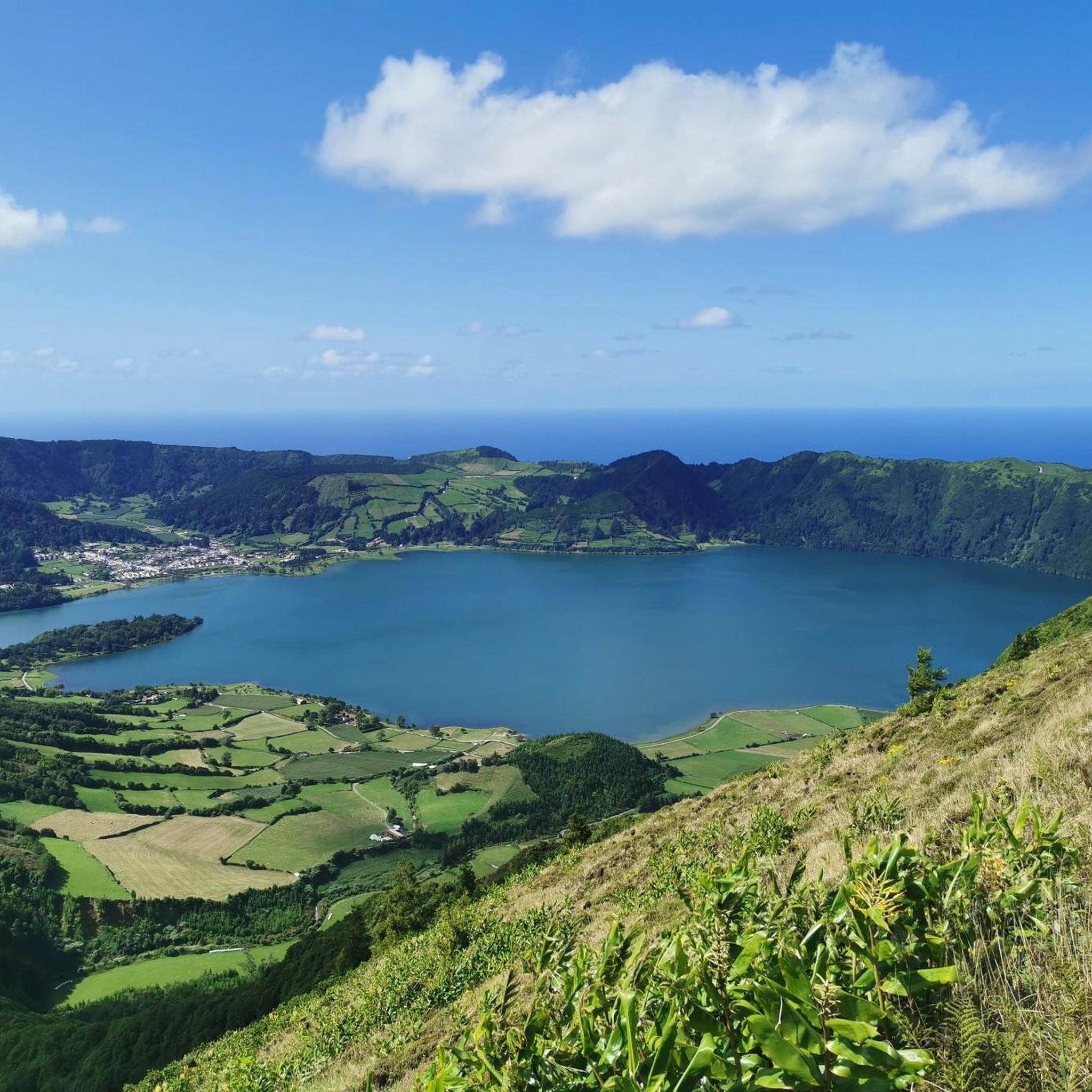
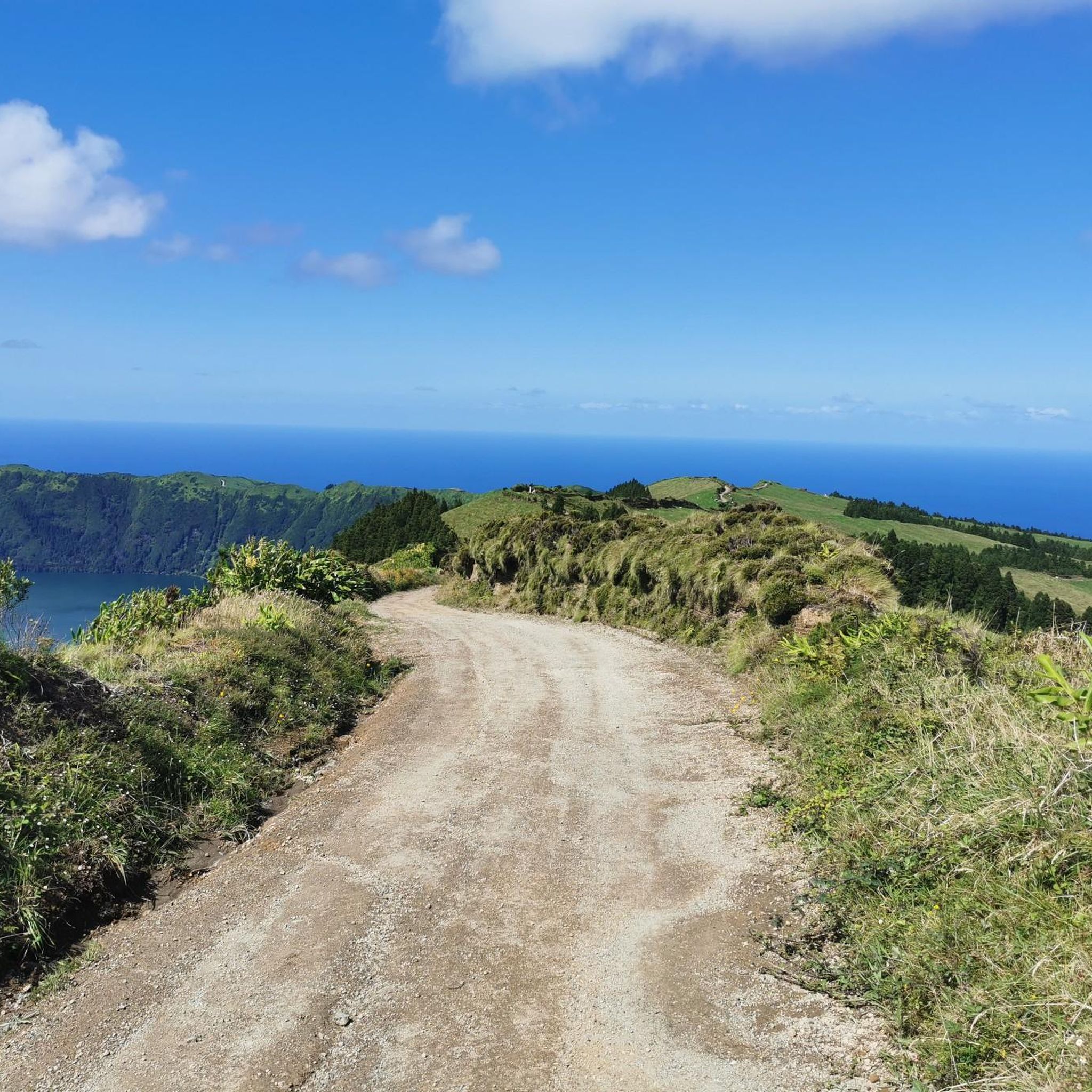
The descent down to the lake in the crater is an absolute dream. The unique flora in the crater leaves us in awe. However, what we descend, we have to climb back up again on the way back. A short, but worthwhile tour!
3
0

Amazing views of Lagoa do Fogo. A steep descent with up to 900 steps takes you directly to the lake. The hike takes about 30 minutes and leads through stunning scenery. The climb is strenuous, but the walk is worth it.
3
0

It is very beautiful here.
0
0

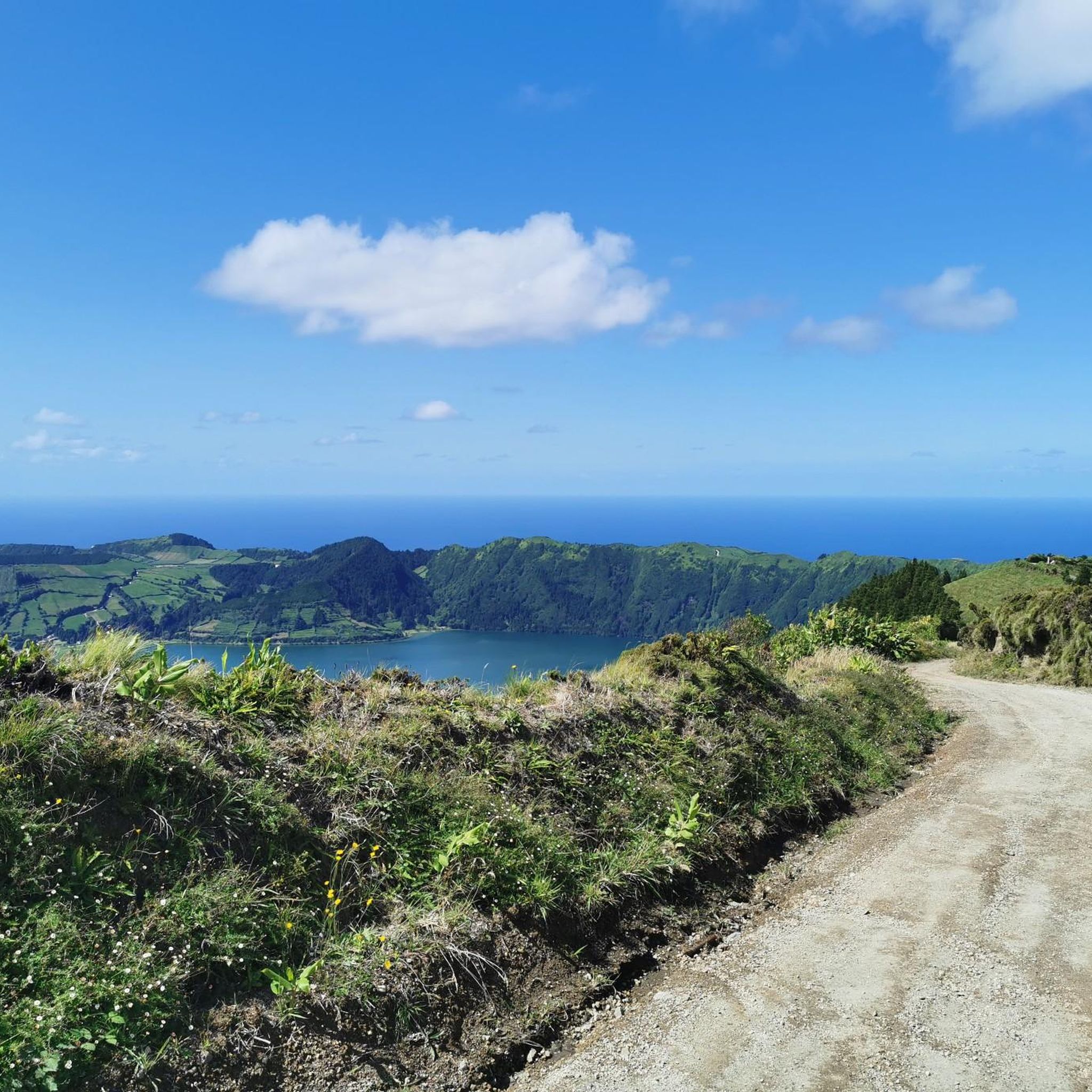
Very nice view of the lake. Path down is not closed. (09/2024)
0
0

Passing by the dam you will enter in the valley of Ribeira da Praia, an open area, with big slopes on both sides, with several points of water abstraction. This construction, initiated in 1984, intended to abstract the major part of the water springs from the filtering of Lagoa do Fogo and was concluded in 1998.
0
0


Beautiful waterfall. When it rains a lot, the circular route is not possible because the path further down is then washed away by the stream.
2
0
Frequently Asked Questions
What are some of the most striking natural monuments to visit near Rabo de Peixe?
Beyond the popular Window of Hell Waterfall and Lagoa do Fogo (Lagoon of Fire), you can explore the unique geothermal pools of Caldeira Velha Hot Springs and Waterfall, known for its lush, jungle-like setting. Another iconic site is Lagoa das Sete Cidades, famous for its twin lakes with contrasting colors within a volcanic crater.
Are there opportunities for hiking near these natural monuments?
Yes, the region offers diverse hiking experiences. For instance, the PRC29 SMI trail leads to the impressive Salto do Cabrito Waterfall, immersing hikers in a jungle-like environment. Many trails also surround Lagoa do Fogo, offering panoramic views. You can find various hiking options, including easy routes, by checking the easy hikes guide around Rabo De Peixe.
What kind of natural features can I expect to see around Rabo de Peixe?
The natural monuments around Rabo de Peixe showcase the volcanic origins of São Miguel Island. You'll encounter pristine crater lakes like Lagoa do Fogo, dramatic waterfalls such as Cabrito Waterfall, and geothermal springs at Caldeira Velha. The landscape is also characterized by lush, endemic flora and rugged coastlines.
Are there any family-friendly natural monuments or activities in the area?
Absolutely. Caldeira Velha Hot Springs and Waterfall is a great option for families, offering warm thermal pools for relaxation amidst nature. The Window of Hell Waterfall hike, while exciting with its tunnels, is also considered family-friendly by visitors, though a flashlight is recommended. Many of the viewpoints around the crater lakes are easily accessible for all ages.
What is the best time of year to visit the natural monuments near Rabo de Peixe?
The Azores generally have a mild climate year-round. However, for hiking and enjoying the thermal springs, spring (April-June) and early autumn (September-October) often offer pleasant temperatures and fewer crowds. Summer (July-August) is popular but can be busier. Always be prepared for changeable weather, as conditions can shift quickly on the island.
Can I swim in any of the natural monuments?
Yes, you can. The Caldeira Velha Hot Springs and Waterfall offers natural thermal pools with varying temperatures, perfect for bathing. Salto do Cabrito Waterfall also forms a natural pool at its base where visitors can cool off. For beach lovers, Santa Bárbara Beach and Praia dos Moinhos offer opportunities for swimming and water sports in the ocean.
Are there any unique geological formations to observe?
The entire island of São Miguel is a geological marvel. You'll find dramatic volcanic craters, such as those housing Lagoa do Fogo and Lagoa das Sete Cidades. The geothermal activity at Caldeira Velha, with its hot springs and fumaroles, is a direct result of the island's volcanic past. The black sand beaches like Santa Bárbara Beach are also a testament to the volcanic landscape.
What do visitors enjoy most about the natural monuments around Rabo de Peixe?
Visitors frequently praise the untouched nature and serene atmosphere, especially at Lagoa do Fogo, describing it as wild and mystical. The unique experience of bathing in naturally heated thermal waters amidst lush forests at Caldeira Velha is also a highlight. Many appreciate the breathtaking panoramic views and the opportunities for immersive hikes.
Are there any cycling routes near these natural monuments?
Yes, the region offers several cycling opportunities. For instance, the 'Ascent of Lagoa do Fogo' is a challenging circular route on the island of São Miguel. You can explore various cycling options, including MTB trails, by checking the cycling guide around Rabo De Peixe or the MTB trails guide.
Is there an entrance fee or permit required for any of the natural monuments?
Some sites, like Caldeira Velha Hot Springs and Waterfall, require an entrance fee and often recommend booking tickets online in advance, especially for timed entry to the thermal pools. Most viewpoints and general access to crater lakes are free. Always check specific site requirements before your visit. For official information on protected areas, you can visit the Azores Natural Parks website.
Are there any coastal natural monuments or beaches worth visiting?
Yes, São Miguel boasts stunning coastal natural monuments. Santa Bárbara Beach, with its vast stretch of volcanic black sand, is popular for surfing and sunsets. Praia dos Moinhos (Porto Formoso Beach) is another beautiful black sand beach, known for its clear waters and picturesque setting amidst cliffs and wildflowers.
What is the Water Collection System of Lagoa do Fogo?
The Water Collection System of Lagoa do Fogo is an interesting man-made structure near the lake. It collects rainwater for the island's water supply and feeds the hydroelectric power plant Fábrica Nova, which dates back to 1927. It's a testament to the historical engineering efforts to harness the island's natural resources.
Most popular attractions around Rabo De Peixe

Get inspired with the komoot mobile app


Explore more
Extend your search for the best caves by checking out these guides of the top ones around Rabo De Peixe:
