Top 20 Natural Monuments around Lomba Da Maia
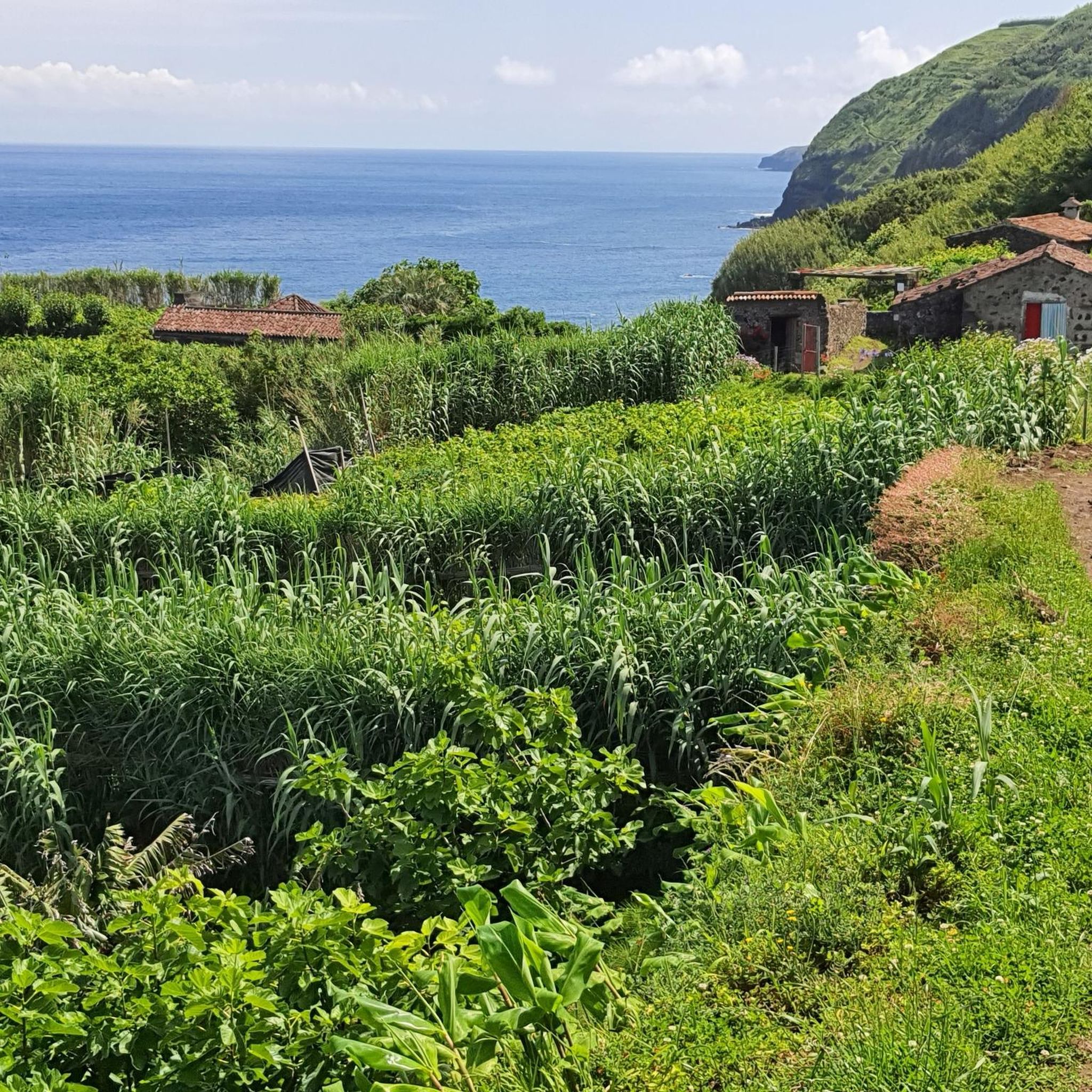
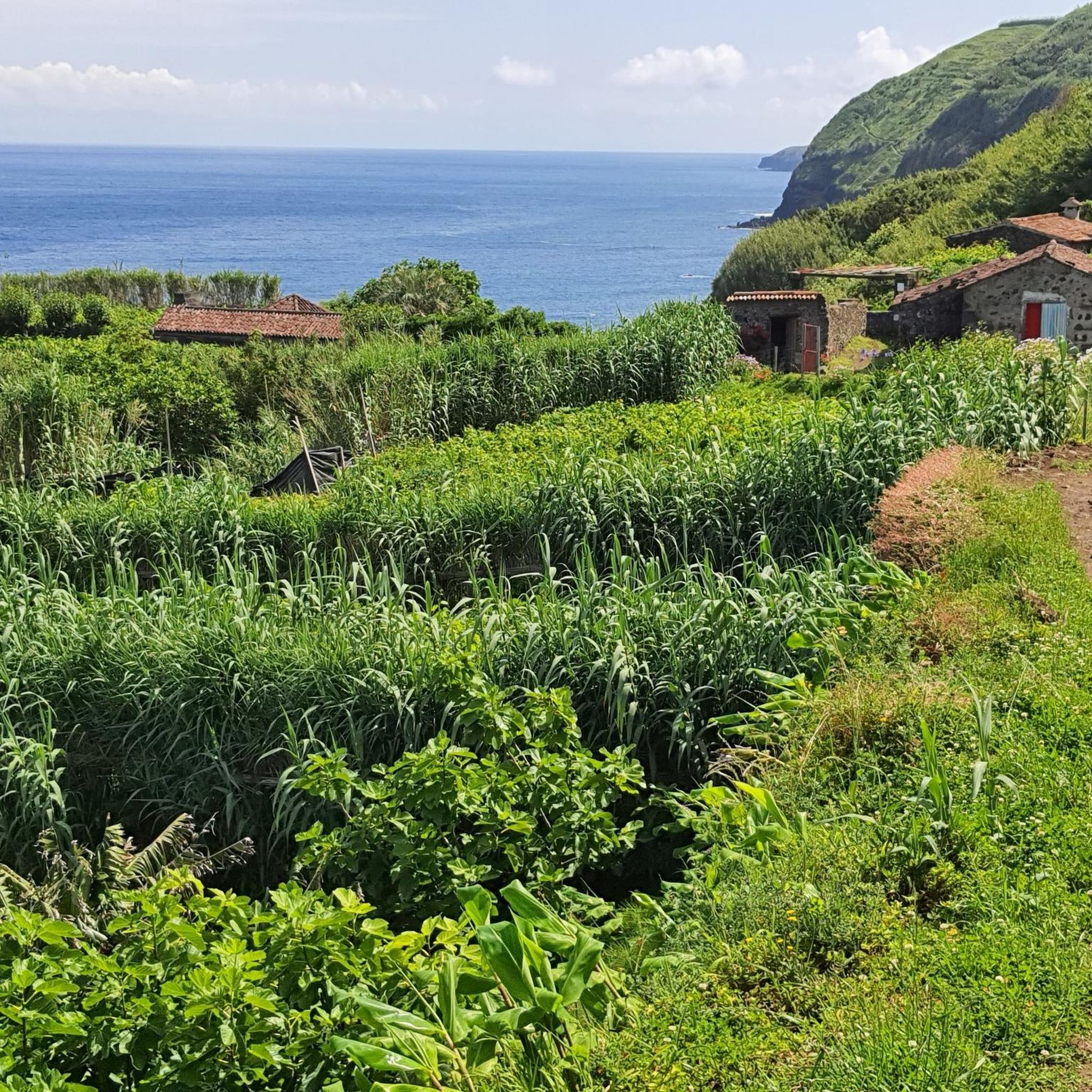
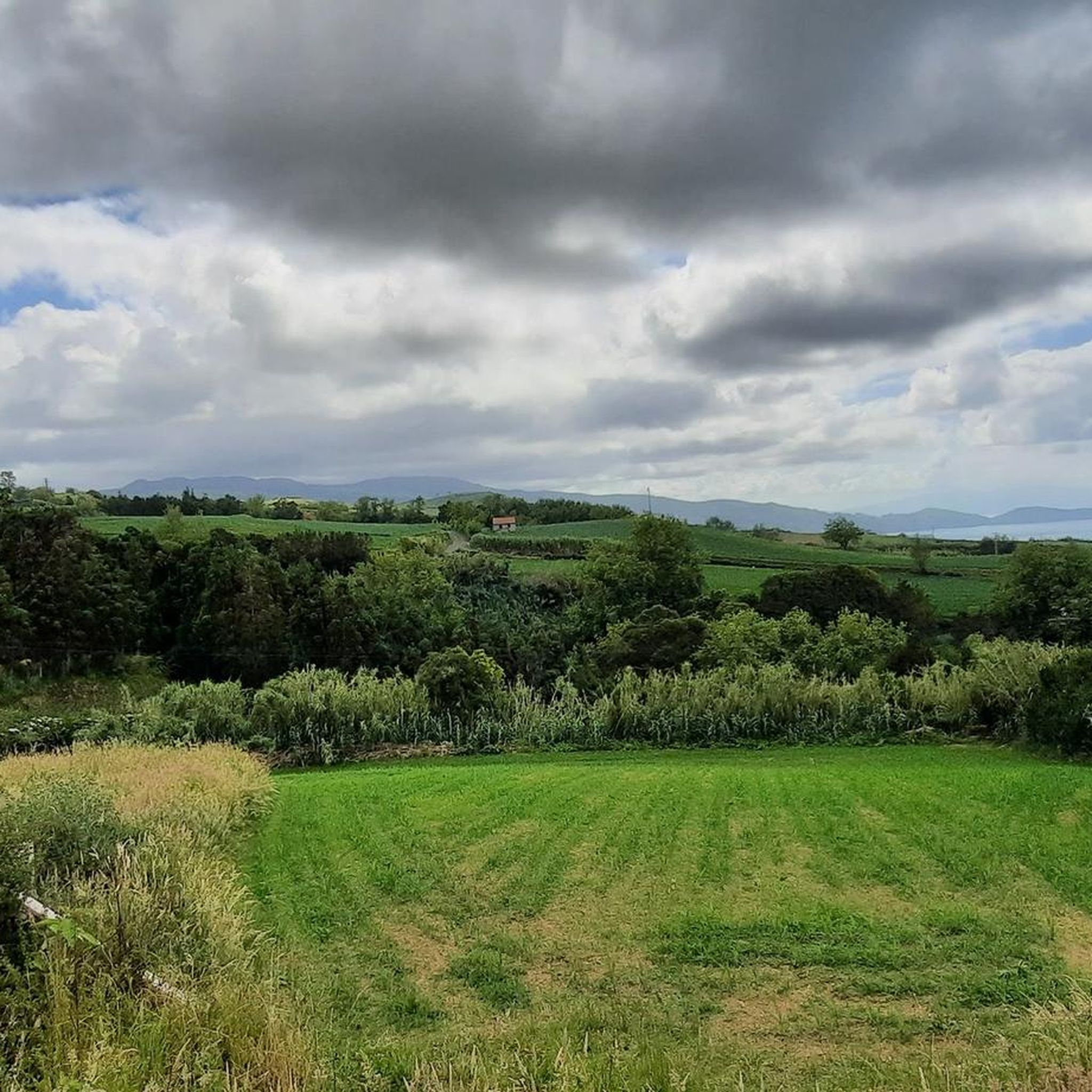
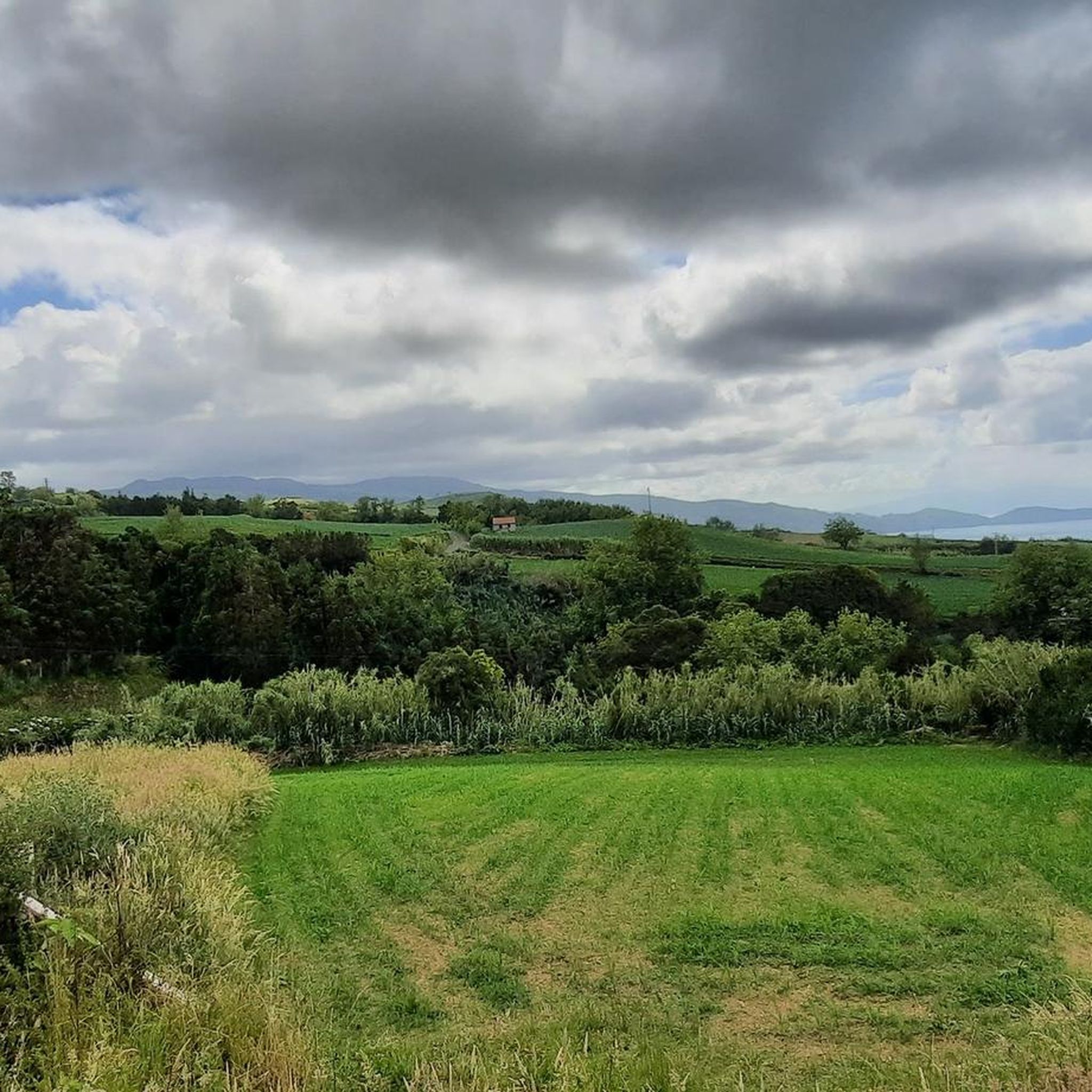
Natural monuments around Lomba Da Maia are characterized by the volcanic origins of São Miguel Island, offering a diverse landscape of geothermal activity, lush vegetation, and dramatic coastal features. This civil parish in the municipality of Ribeira Grande provides access to sites showcasing the island's geological history. The region features a blend of hot springs, volcanic lakes, and waterfalls. These natural features contribute to the area's appeal for outdoor exploration.
Best natural monuments around Lomba Da Maia
- The most popular…
Last updated: June 29, 2026
Furnas Caldeiras (Hot Springs)
Highlight • Natural Monument
Translated by Google •
Tip by

Furnas Lake
Highlight • Lake
Translated by Google •
Tip by

Sign up now to discover places like this
Get recommendations on the best single tracks, peaks, & plenty of other exciting outdoor places.
Sign up for free
Terra Nostra Thermal Pool
Highlight • Lake
Translated by Google •
Tip by

Blue Pool
Highlight • Lake
Translated by Google •
Tip by
Terra Nostra Park
Highlight • Natural Monument
parqueterranostra.com
Please note opening times.
Translated by Google •
Tip by

Sign up for free to discover even more natural monuments around Lomba Da Maia.
Sign up for free
Already have an account?
Start today with a free account
Your next adventure awaits.
Login or Signup
Tips from the Community

Proud entrance fees for visiting a park …
0
0

The Terra Nostra Park (Parque Terra Nostra) is a unique botanical garden. The thermal springs feed a large thermal pool, which can be used for a long soak. The park is beautifully landscaped and invites you to linger. Advantage: The park and the thermal pool offer much more than the "Caldeira Velha" and are also more affordable. Disadvantage: The water stains skin and swimwear very strongly!
2
1

Crystal-clear, shimmering blue water. Opportunity for a short refreshment break.
1
0


I don't understand the warnings about the "intensely coloring water." Maybe on swimwear, but not on the skin. I liked it.
0
0


Frequently Asked Questions
What unique natural features can I explore around Lomba da Maia?
The region around Lomba da Maia is rich in natural features shaped by the Furnas Volcanic Complex. You can explore geothermal activity at Furnas Caldeiras (Hot Springs), volcanic lakes like Furnas Lake, and impressive waterfalls such as Salto da Farinha Waterfall. The area also features unique blue-water springs like the Blue Pool and thermal pools like Terra Nostra Thermal Pool.
Are there family-friendly natural monuments to visit near Lomba da Maia?
Yes, several natural monuments around Lomba da Maia are suitable for families. Furnas Caldeiras (Hot Springs) and Furnas Lake are both considered family-friendly, offering unique sights like traditional stew cooking and geothermal activity. The Terra Nostra Thermal Pool is also a great option for families looking for a relaxing experience.
What is special about Furnas Caldeiras (Hot Springs)?
Furnas Caldeiras (Hot Springs) is a natural monument where you can witness the earth's raw power through bubbling and steaming geothermal activity. It's also famous for the traditional 'Cozido das Furnas,' a stew cooked underground using the natural heat, which gives the dish a unique flavor. Visitors often find the sight of the steam vents and the cooking process fascinating.
What activities can I do at Furnas Lake?
Furnas Lake is a volcanic lagoon known for its surrounding vegetation and geothermal activity. You can observe the traditional underground cooking of stews, explore the Chapel of Nossa Senhora das Vitórias, or visit the Furnas Monitoring and Research Center. Walking around the lake is a popular activity, especially in a clockwise direction to pass the Caldeiras.
Where can I see impressive waterfalls near Lomba da Maia?
The Salto da Farinha Waterfall is a beautiful and serene spot accessible via Miradouro do Salto da Farinha. While the route can be narrow and steep, it offers stunning views. Another notable waterfall in the broader region is Cascata do Aveiro, which is the highest in Portugal at 110 meters and is embedded in an erosion circle, showcasing volcanic basaltic lava flows.
Are there any natural pools or unique swimming spots in the area?
Yes, the Blue Pool (Poço Azul) in the Ribeira do Cachaço valley offers a serene and charming place with intensely blue water, ideal for relaxation and swimming. Additionally, the Terra Nostra Thermal Pool provides a unique warm water bathing experience, though it's advised to wear dark swimwear as the mineral-rich water can stain.
What kind of hiking and cycling routes are available near Lomba da Maia's natural monuments?
The area around Lomba da Maia offers a variety of routes for outdoor enthusiasts. For mountain biking, you can find trails like the 'Furnas Caldeiras (Hot Springs) – Lake Furnas loop from Furnas.' Road cyclists can explore routes such as 'São Miguel North Coast: Nordeste to Maia.' There are also general cycling routes like 'From Nordeste to Maia.' You can find more details on these and other routes in the MTB Trails around Lomba Da Maia, Road Cycling Routes around Lomba Da Maia, and Cycling around Lomba Da Maia guides.
What is the best time to visit the natural monuments around Lomba da Maia?
The Azores generally have a mild climate year-round. For enjoying the natural monuments, spring (April-June) and early autumn (September-October) often offer pleasant weather with fewer crowds. During these times, the lush landscapes are vibrant, and conditions are generally good for hiking and exploring. Winter months can bring more voluminous waterfalls, making them particularly impressive, but also potentially heavier rains.
Are there any viewpoints to appreciate the scenery around Lomba da Maia?
Yes, there are several viewpoints in and around Lomba da Maia that offer spectacular vistas. These viewpoints provide excellent opportunities to appreciate the dramatic coastal scenery, the lush surrounding landscape, and often views of specific natural features like Praia da Viola. The Miradouro do Salto da Farinha, for instance, offers stunning views of the Salto da Farinha Waterfall.
What do visitors enjoy most about the natural monuments in this region?
Visitors frequently highlight the unique geological wonders, such as the bubbling geothermal activity at Furnas Caldeiras and the serene beauty of Furnas Lake. The tranquility and immersive experience in nature, especially at spots like the Blue Pool and Salto da Farinha Waterfall, are also highly appreciated. The opportunity to witness traditional practices like underground stew cooking adds a unique cultural dimension to the natural exploration.
Is Praia da Viola considered a natural monument, and how can I access it?
Praia da Viola is a beautiful beach directly associated with Lomba da Maia and is considered a significant natural feature. It is accessible via a scenic hike, specifically the PR27SMI trail, which starts in Lomba da Maia and ends in Maia. This hike offers fantastic views towards Porto Formoso and Ponta Cintrao. The journey to reach the beach is part of its appeal, though caution is advised as terrain can be affected by heavy rains.
Most popular attractions around Lomba Da Maia

Get inspired with the komoot mobile app


Explore more
Extend your search for the best caves by checking out these guides of the top ones around Lomba Da Maia:
