Top 8 Natural Monuments around Gafanha Do Carmo
Natural monuments around Gafanha Do Carmo are defined by the unique estuarine environment of the Ria de Aveiro, a significant lagoon system within the municipality of Ílhavo, Portugal. This region offers diverse natural attractions, including intricate canal systems, extensive dune systems, and traditional salt pans. These features provide opportunities to observe unique ecosystems and understand the cultural practices intertwined with the area's natural resources.
Best natural monuments around Gafanha Do Carmo
- The most popular natural monuments is Costa Nova to…
Last updated: May 17, 2026
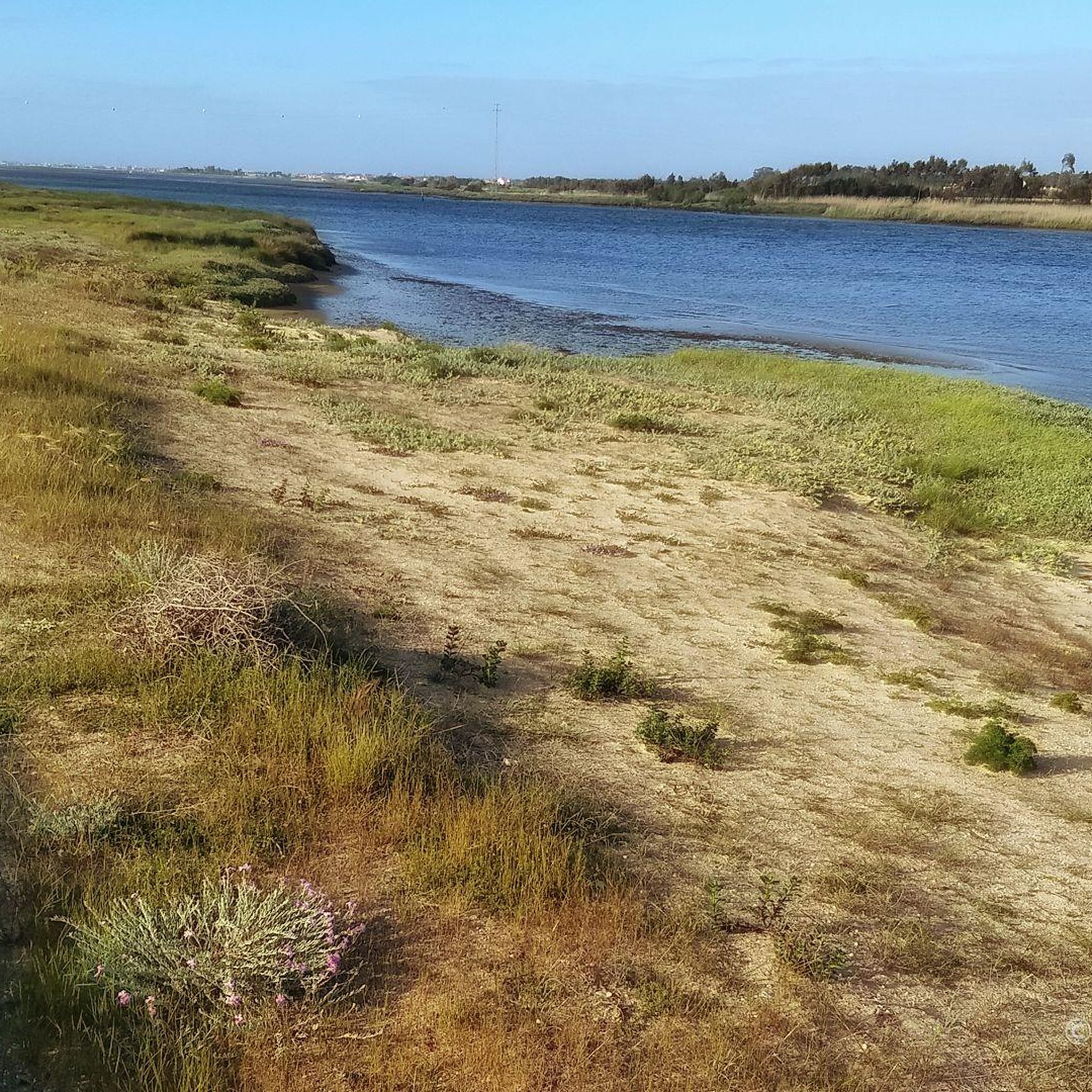
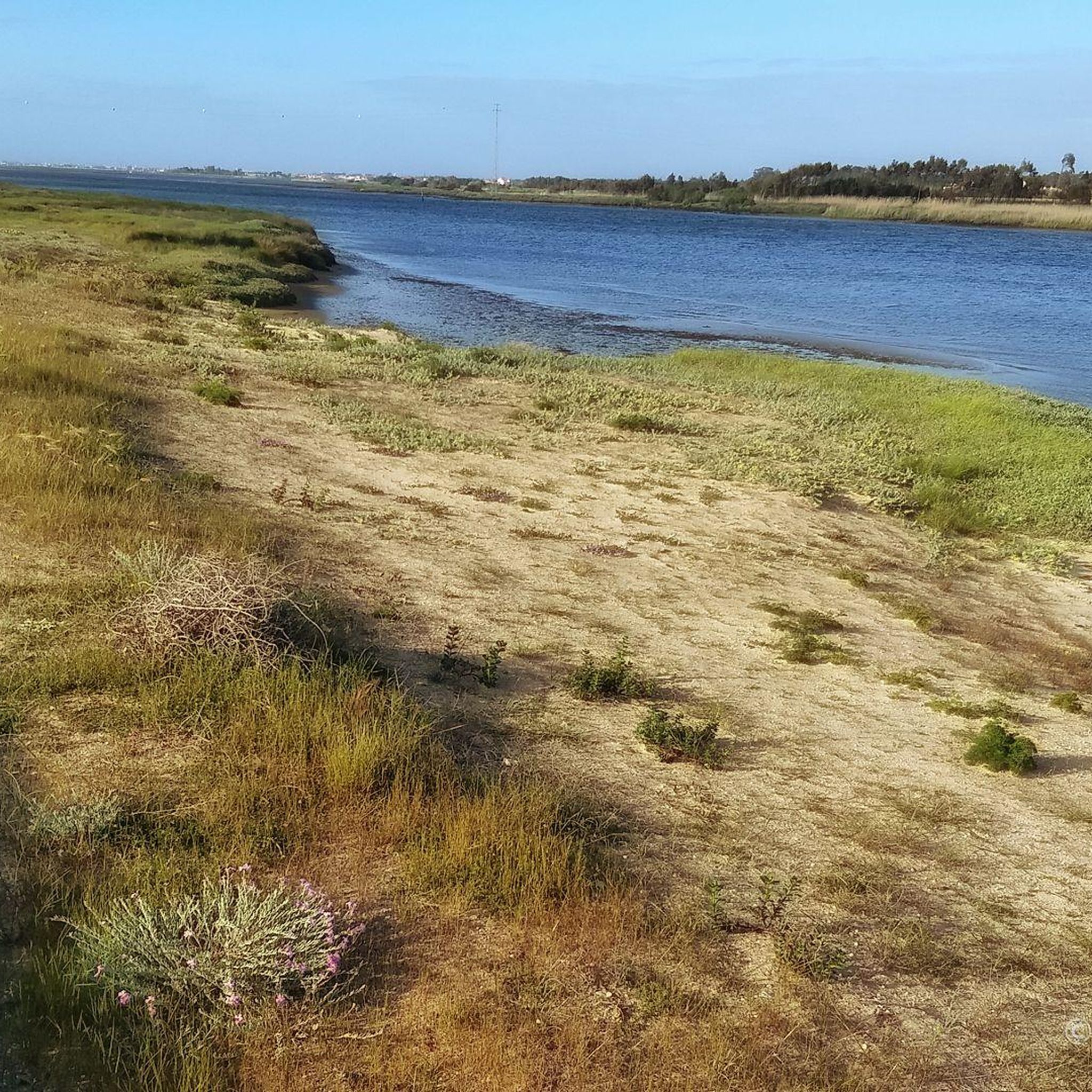
Ria de Aveiro at Areão Beach
Highlight • River
Translated by Google •
Tip by

Costa Nova to Vagueira Cycle Path, Ria de Aveiro Nature Reserve
Highlight • Cycleway
Translated by Google •
Tip by

Sign up now to discover places like this
Get recommendations on the best single tracks, peaks, & plenty of other exciting outdoor places.
Sign up for free
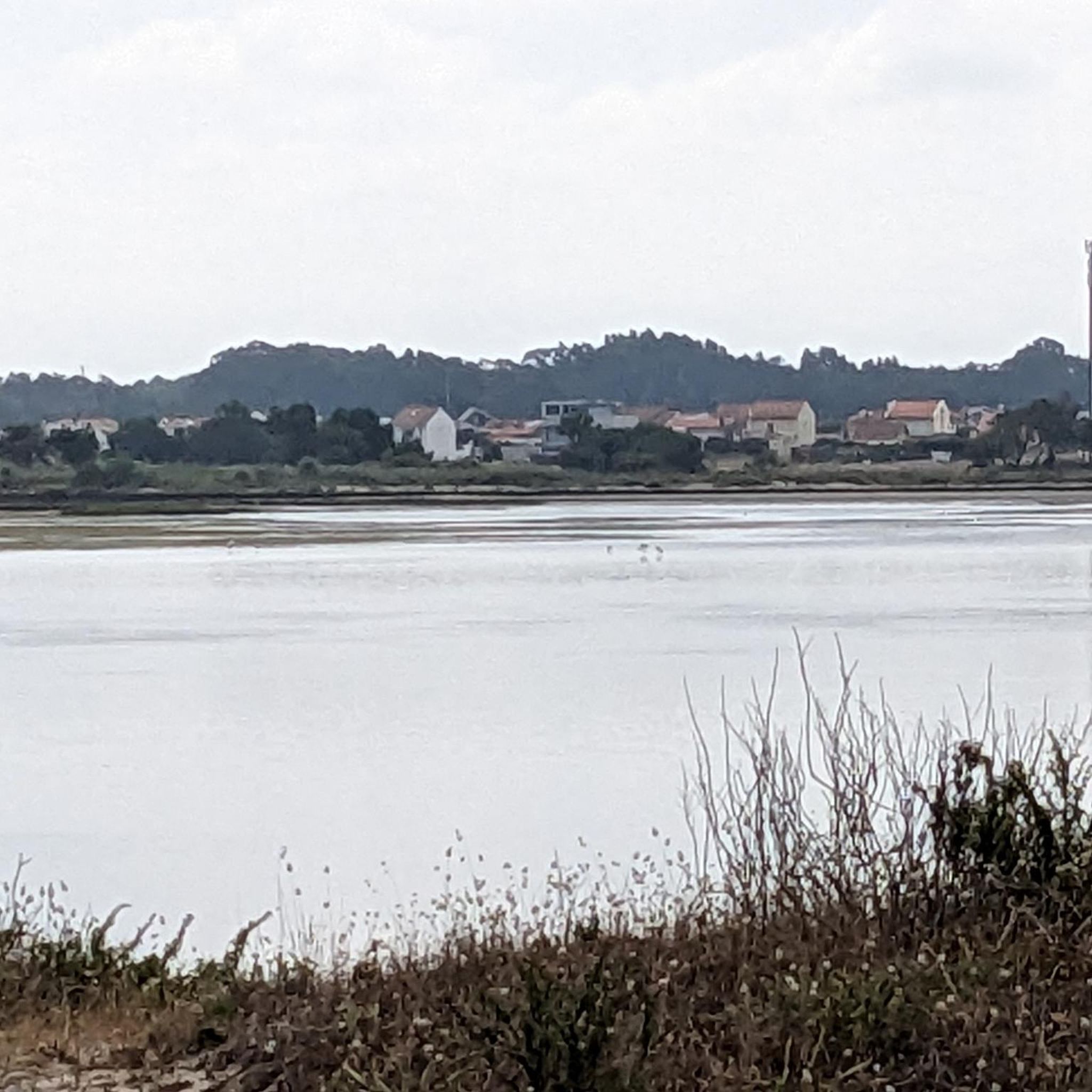
Aveiro Lagoon - Mira Channel
Highlight • River
Translated by Google •
Tip by

Costa Nova Beach
Highlight • Beach
Translated by Google •
Tip by

View of the Salt Pans, Rua do Sal
Highlight • Viewpoint
Translated by Google •
Tip by

Sign up for free to discover even more natural monuments around Gafanha Do Carmo.
Sign up for free
Already have an account?
Start today with a free account
Your next adventure awaits.
Login or Signup
Tips from the Community

What to Do: Hiking and Cycling: The region is served by trails and paths (such as the GR 58 - Ria de Aveiro) that allow you to explore the coast and the banks of the estuary on foot or by bicycle. Surfing: The region's beaches, including Areão beach, are important areas for surfing. Ecotourism: Access points such as those provided by the Vagos Municipal Council facilitate responsible visits. Access: Access to the beach and the estuary's waterfront is from Gafanha do Areão or Vagueira, often via dirt tracks or pedestrian and cycle paths that follow the right bank of the estuary.
1
0
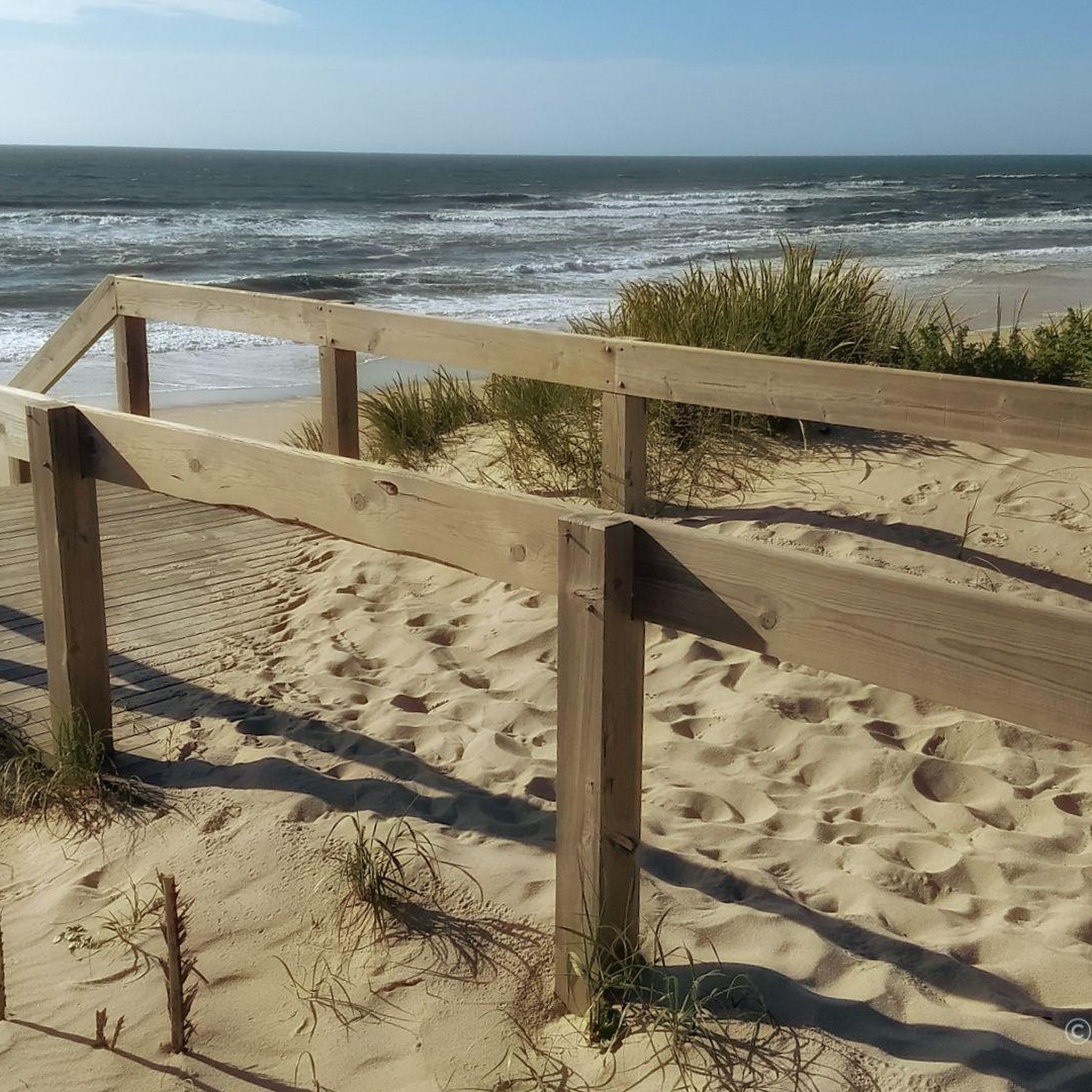
Main Features: Privileged Location: The beach is situated in a unique area, bordered by the ocean and the tranquil channels of the Aveiro Lagoon, providing a diverse landscape of sea and estuary. Extensive Dune System: The beach is protected by an extensive and high dune system, whose preservation is guaranteed by wooden walkways designed with environmental concerns in mind. Tranquility and Nature: Ideal for those seeking a quieter and more secluded beach, away from the busier beaches, making it a great place to relax and observe nature. Birdwatching: The area is conducive to birdwatching due to its proximity to the lagoon and its habitats.
1
0
Areão Beach, located in the municipality of Vagos (between Vagueira and Gafanha da Boa Hora), is a place of great natural beauty where the Aveiro Lagoon meets the Atlantic Ocean, albeit indirectly through the Mira Canal which ends nearby. It is a point of interest that is part of the Great Route of the Aveiro Lagoon.
1
0

Salt mining in the Aveiro region dates back to a time before the Ria de Aveiro itself existed, with the first written document about Aveiro salt production dating back to before the founding of the nation. Over the centuries, the instability of the inlet (isolation from the sea) was a decisive factor in the variation in the number and production of salt pans. This resulted in periods of decline interspersed with periods of great favorability for production. This occurred in 1572, when, given the favorable condition of the inlet and the high and progressive commercial and maritime index, Aveiro became one of the best ports in Portugal, with a significant increase in salt trade and cod fishing. In 1808, the new inlet (an artificial system that allows seawater to enter) was finally opened, a fact of exceptional importance for the future of Aveiro and the entire region. (Source: Wikipedia) (Source: Wikipedia)⁶
13
0

I don't know what the title of this highlight means, but there is actually a highlight at this point: the passage to the beach with a boardwalk over the dunes.
11
1

The Ria de Aveiro (also known as Foz do Vouga) is a shallow coastal lagoon in the Aveiro region, extending for 45 kilometers. It covers two districts and several locations, including Aveiro, Ílhavo and Mira. It is divided into three main channels, one of which is the Canal de Mira, location of the bridge in question.
0
0

Good bike path from Costa Nova.
1
0
Super fine sand, very spacious beach, little going on. There are many jetties in the dunes, so you can easily reach the beach.
19
3
Frequently Asked Questions
What kind of natural features define the Gafanha do Carmo area?
The natural features around Gafanha do Carmo are primarily shaped by the Ria de Aveiro, an extensive lagoon system. You'll find intricate canal systems, significant dune systems, and traditional salt pans. These elements create a unique estuarine environment, offering diverse landscapes and ecosystems.
Are there family-friendly natural monuments in Gafanha do Carmo?
Yes, several natural monuments are suitable for families. The Costa Nova to Vagueira Cycle Path, Ria de Aveiro Nature Reserve is a great option for a leisurely ride or walk. The Boardwalk through the dunes of Ria de Aveiro offers an easy walk along the coast, and Ria de Aveiro at Areão Beach is known for its tranquility and natural beauty, perfect for a family outing.
What outdoor activities can I do near these natural monuments?
The region offers a variety of outdoor activities. You can enjoy cycling along paths like the Costa Nova to Vagueira Cycle Path or explore the extensive network of trails for running and gravel biking. For more detailed routes, you can check out the Running Trails around Gafanha Do Carmo, Gravel biking around Gafanha Do Carmo, and Road Cycling Routes around Gafanha Do Carmo guides.
Where can I observe wildlife in the Gafanha do Carmo area?
The Ria de Aveiro is an excellent spot for wildlife observation, particularly birdwatching. Ria de Aveiro at Areão Beach, with its proximity to the lagoon and diverse habitats, is especially conducive to observing various bird species.
Are there any historical or cultural sites related to the natural environment?
Yes, the View of the Salt Pans, Rua do Sal offers a glimpse into the historical and economic importance of traditional salt production in the region. Salt mining here dates back centuries, showcasing how local culture is intertwined with the natural resources of the Ria de Aveiro.
What is the best way to explore the Ria de Aveiro lagoon system?
The Ria de Aveiro can be explored in several ways. You can take boat tours to experience its calm waters and diverse habitats, or cycle along paths like the Ciclovia do Canal de Mira, which follows the banks of one of the lagoon's channels. Walking along boardwalks, such as the Boardwalk through the dunes of Ria de Aveiro, also provides an immersive experience.
Are there specific trails or cycle paths recommended for exploring the natural monuments?
Absolutely. The Costa Nova to Vagueira Cycle Path, Ria de Aveiro Nature Reserve is a popular 5 km route made of concrete and wooden planks, offering scenic views. Additionally, the Boardwalk through the dunes of Ria de Aveiro provides a unique walking experience designed to protect the delicate coastal vegetation.
What makes the dune systems around Gafanha do Carmo special?
The dune systems, particularly around Ria de Aveiro at Areão Beach, are extensive and high. They play a crucial role in protecting the coastline and supporting unique vegetation. Wooden walkways, like the Boardwalk through the dunes of Ria de Aveiro, are specifically designed to allow visitors to experience these dunes while ensuring their preservation.
Can I go surfing near the natural monuments?
Yes, the beaches in the region, including Areão Beach, are known as important areas for surfing. The unique meeting point of the Aveiro Lagoon and the Atlantic Ocean indirectly creates conditions suitable for this sport.
What is the Aveiro Lagoon - Mira Channel?
The Aveiro Lagoon - Mira Channel is one of the three main channels of the larger Ria de Aveiro lagoon system. This shallow coastal lagoon extends for 45 kilometers and is a defining natural feature of the region, offering beautiful views and connecting various locations.
What is the best time of year to visit the natural monuments in Gafanha do Carmo?
While the natural monuments can be enjoyed year-round, spring and autumn often offer pleasant weather for outdoor activities like cycling and walking. These seasons also provide good opportunities for birdwatching as migratory species pass through the Ria de Aveiro.
Are there options for longer distance cycling or hiking routes that incorporate these natural monuments?
Yes, the region is part of larger ecotourism networks, such as the Great Route of the Ria de Aveiro (GR 58). This route integrates various trails and paths, allowing you to explore the coast and estuary banks on foot or by bicycle, often incorporating highlights like Ria de Aveiro at Areão Beach.
Most popular attractions around Gafanha Do Carmo

Get inspired with the komoot mobile app


Explore more
Extend your search for the best caves by checking out these guides of the top ones around Gafanha Do Carmo:
