Top 8 Natural Monuments around São Jacinto
Best natural monuments around São Jacinto include a unique blend of coastal ecosystems, characterized by extensive sand dunes, pine forests, and freshwater ponds. The region is part of the Reserva Natural das Dunas de São Jacinto, a protected area recognized for its diverse habitats. It offers a combination of sandy beaches, marshland, and lagoon environments, providing a rich setting for various plant and animal species. These natural features make it a notable area for exploring coastal landscapes and wildlife.
Best…
Last updated: June 29, 2026
Costa Nova to Vagueira Cycle Path, Ria de Aveiro Nature Reserve
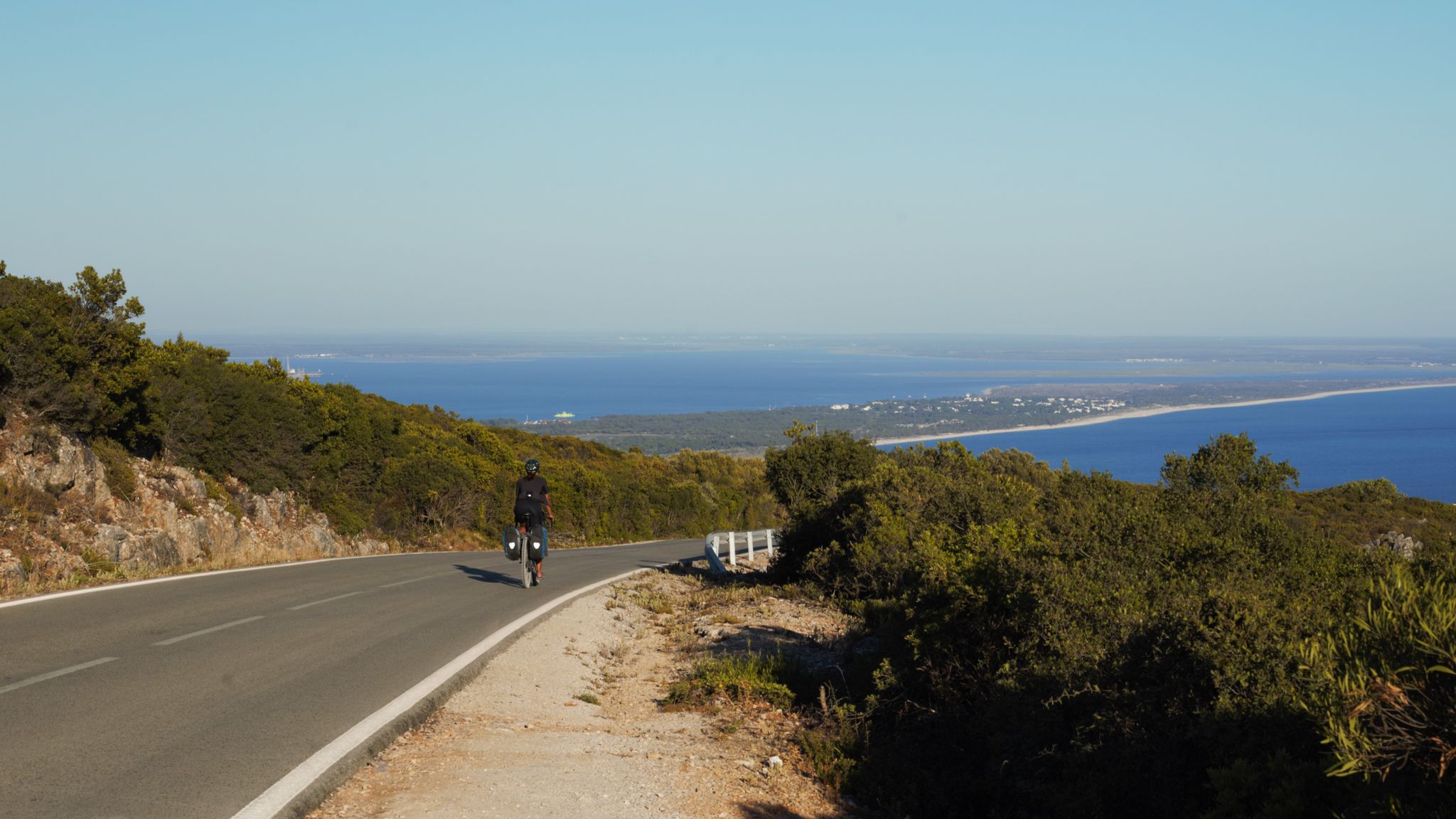
Highlight • Cycleway
Translated by Google •
Tip by

Aveiro Lagoon - Mira Channel
Highlight • River
Translated by Google •
Tip by

Sign up now to discover places like this
Get recommendations on the best single tracks, peaks, & plenty of other exciting outdoor places.
Sign up for free
Costa Nova Beach
Highlight • Beach
Translated by Google •
Tip by

View of the Ria de Aveiro
Highlight • Viewpoint
Translated by Google •
Tip by

View of the Salt Pans, Rua do Sal
Highlight • Viewpoint
Translated by Google •
Tip by

Sign up for free to discover even more natural monuments around São Jacinto.
Sign up for free
Already have an account?
Start today with a free account
Your next adventure awaits.
Login or Signup

Other adventures around São Jacinto

Tips from the Community


Salt mining in the Aveiro region dates back to a time before the Ria de Aveiro itself existed, with the first written document about Aveiro salt production dating back to before the founding of the nation. Over the centuries, the instability of the inlet (isolation from the sea) was a decisive factor in the variation in the number and production of salt pans. This resulted in periods of decline interspersed with periods of great favorability for production. This occurred in 1572, when, given the favorable condition of the inlet and the high and progressive commercial and maritime index, Aveiro became one of the best ports in Portugal, with a significant increase in salt trade and cod fishing. In 1808, the new inlet (an artificial system that allows seawater to enter) was finally opened, a fact of exceptional importance for the future of Aveiro and the entire region. (Source: Wikipedia) (Source: Wikipedia)⁶
13
0

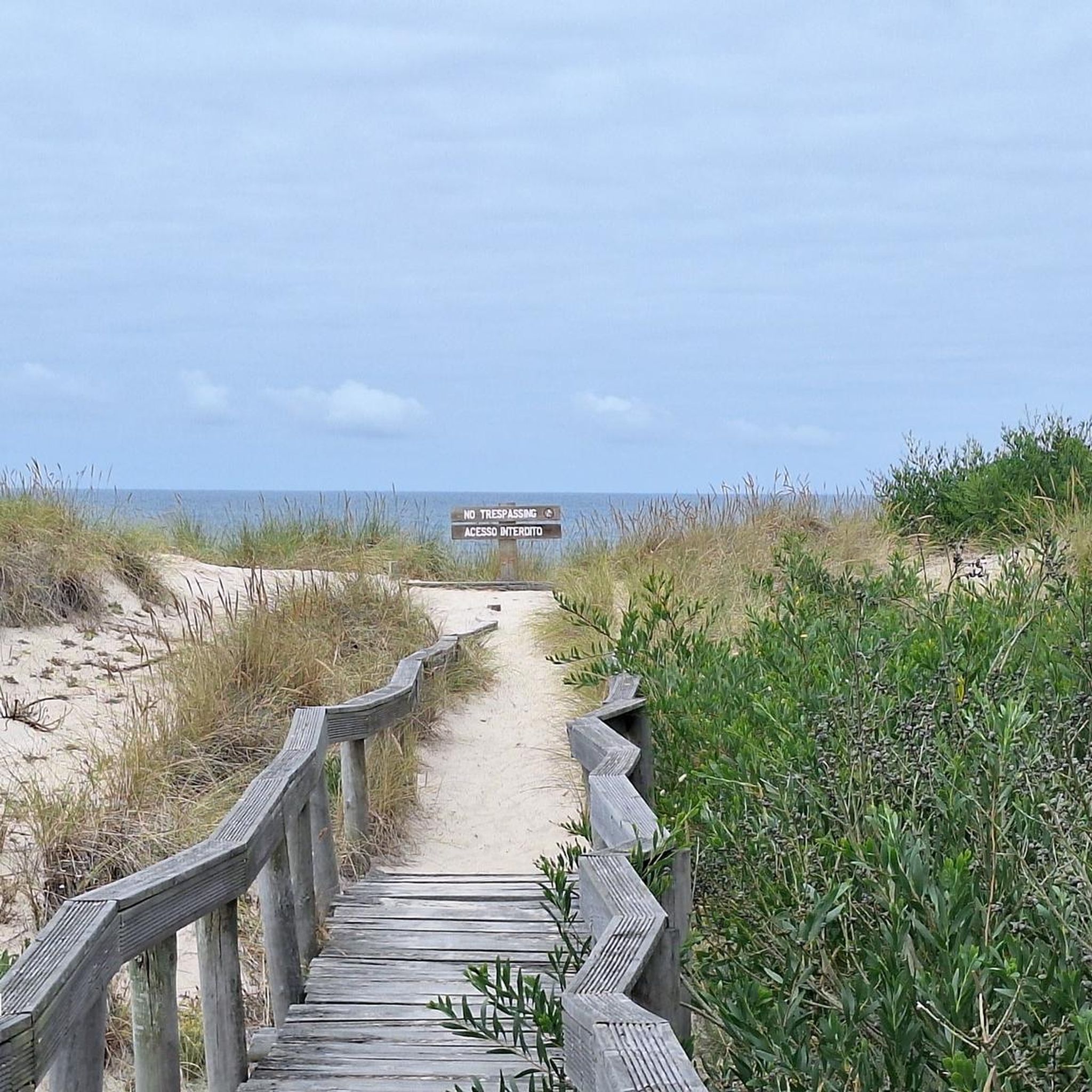
I don't know what the title of this highlight means, but there is actually a highlight at this point: the passage to the beach with a boardwalk over the dunes.
11
1

The Ria de Aveiro (also known as Foz do Vouga) is a shallow coastal lagoon in the Aveiro region, extending for 45 kilometers. It covers two districts and several locations, including Aveiro, Ílhavo and Mira. It is divided into three main channels, one of which is the Canal de Mira, location of the bridge in question.
0
0
The Ria de Aveiro, in Portugal, is an estuary rich in biodiversity. This aquatic ecosystem is famous for its meandering canals, salt marshes and diverse fauna. This point, specifically, is on EN 327, which runs parallel to the Ria for long kilometers, offering incredible views.
4
0

Good bike path from Costa Nova.
1
0
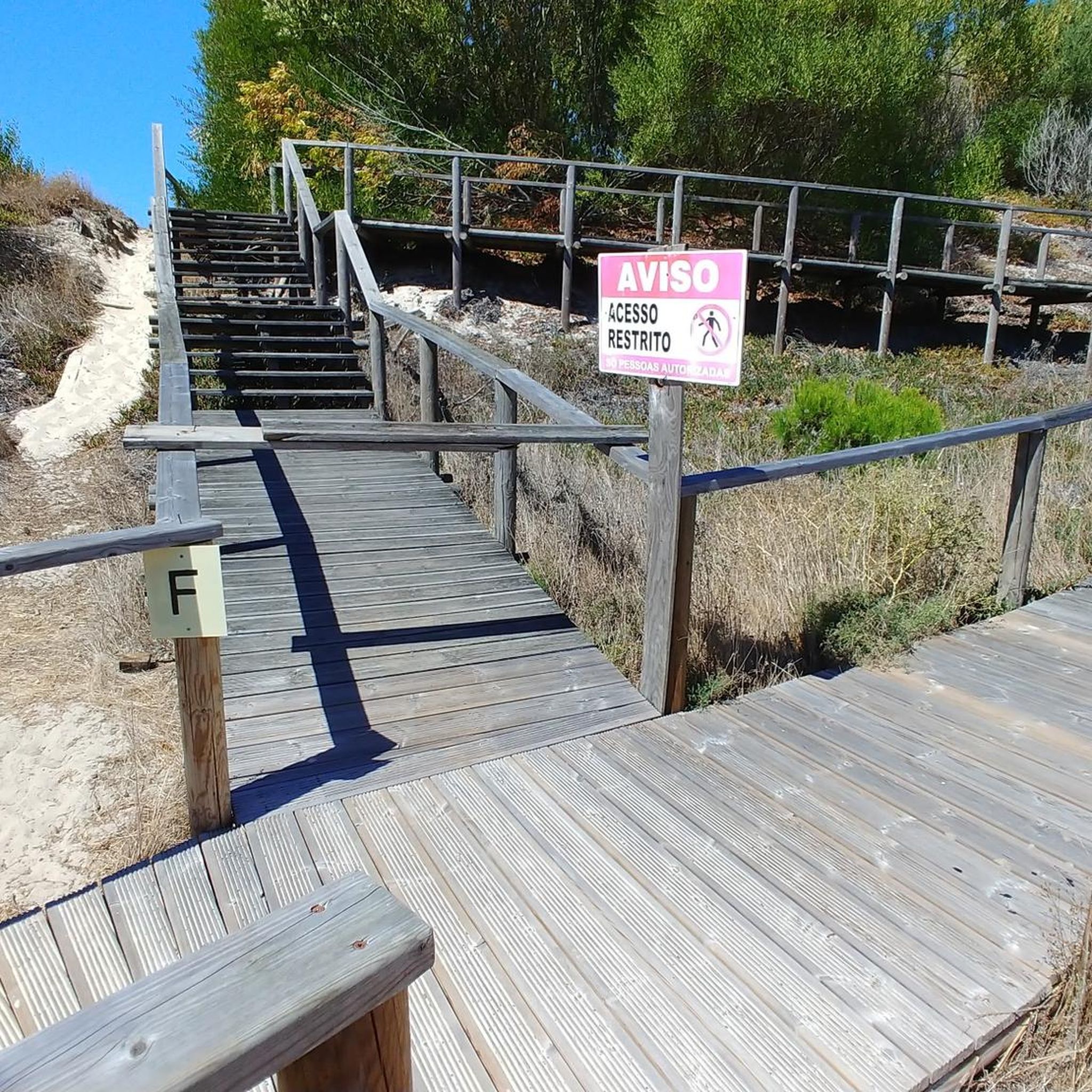
Super fine sand, very spacious beach, little going on. There are many jetties in the dunes, so you can easily reach the beach.
19
3

The bridge crosses the beautiful long extension of the coastal lagoon, stretching along the Lagoon from Aveiro to Vagueira
1
0
Frequently Asked Questions
What are the most popular natural monuments to explore around São Jacinto?
Visitors frequently enjoy the Costa Nova to Vagueira Cycle Path, Ria de Aveiro Nature Reserve, a scenic route through the reserve. Another favorite is the Boardwalk through the dunes of Ria de Aveiro, which offers coastal views while protecting the delicate dune vegetation. The Aveiro Lagoon - Mira Channel is also highly regarded for its extensive waters and natural beauty.
Are there family-friendly natural monuments or activities in São Jacinto?
Yes, many natural monuments in São Jacinto are suitable for families. The Costa Nova to Vagueira Cycle Path is great for cycling together, and the Boardwalk through the dunes of Ria de Aveiro offers an easy walk with beautiful views. The View of the Salt Pans, Rua do Sal provides an interesting historical perspective that can be enjoyed by all ages. The Reserva Natural das Dunas de São Jacinto also features easy walking trails, some as short as 40 minutes.
What kind of natural features can I expect to see in the São Jacinto area?
São Jacinto is characterized by a unique blend of coastal ecosystems. You'll find extensive and well-preserved coastal sand dunes, both shifting and fixed, along with forested areas of maritime pines and acacias. Freshwater ponds, such as the 'Pateira,' are crucial habitats within the protected area. The region also features sandy beaches, marshland, and parts of the vast Ria de Aveiro lagoon system, offering a diverse natural landscape.
What is the best time to visit the natural monuments in São Jacinto?
The Reserva Natural das Dunas de São Jacinto is accessible year-round, with different seasons offering unique charms. For birdwatching, the period from November to February is particularly rewarding as it attracts migratory waterfowl. Generally, spring and autumn offer pleasant temperatures for exploring the trails and enjoying the scenic beauty without the peak summer crowds.
Are there hiking trails available near the natural monuments?
Absolutely! The Reserva Natural das Dunas de São Jacinto offers several Nature Discovery Trails, with four different paths ranging from 40 minutes to 3 hours in duration. These are generally easy walking trails. For more options, you can explore various routes in the region, including those found in the Hiking around São Jacinto guide, which features routes like the Praia de São Jacinto loop.
Can I observe wildlife, especially birds, in the São Jacinto natural monuments?
Yes, São Jacinto is a haven for wildlife, particularly for birdwatching. The Reserva Natural das Dunas de São Jacinto is recognized as a birdwatching paradise, attracting migratory waterfowl from November to February. Various hides are available for observing a wide variety of species, including egrets, tits, ducks, and seagulls, especially around the freshwater ponds like Pateira.
What outdoor activities can I do near these natural monuments besides hiking?
Beyond hiking, the region offers excellent opportunities for cycling and gravel biking. The Costa Nova to Vagueira Cycle Path is a popular choice. You can find more routes in the Gravel biking around São Jacinto guide and the MTB Trails around São Jacinto guide. The coastal areas are also popular among surf enthusiasts.
Is there a specific viewpoint to appreciate the natural beauty of the region?
Yes, the View of the Salt Pans, Rua do Sal offers a unique perspective on the historical salt production landscape, which is an integral part of the region's natural and cultural heritage. Additionally, the Boardwalk through the dunes of Ria de Aveiro provides excellent coastal views.
What is the Pateira de Frossos and why is it significant?
The Pateira de Frossos is a lake that forms part of the important lagoon system of the Ria de Aveiro. It represents a valuable natural resource known for its unparalleled biodiversity of species and vegetation, making it a significant habitat within the region's protected areas.
Are there any historical aspects related to the natural monuments in São Jacinto?
Yes, the forested areas bordering the dunes, primarily composed of maritime pines and acacias, have historical significance. These trees were strategically planted in the late 19th century to prevent sand shifting, showcasing a unique blend of human intervention and natural processes. The salt pans, such as those viewed from Rua do Sal, also have a long history dating back before the existence of the Ria de Aveiro itself.
How long do the nature trails in the São Jacinto Natural Reserve typically take?
The Nature Discovery Trails within the Reserva Natural das Dunas de São Jacinto offer varying durations. There are four different paths, with estimated completion times ranging from 40 minutes for shorter routes up to 3 hours for more extensive explorations.
Most popular attractions around São Jacinto

Get inspired with the komoot mobile app


Explore more
Extend your search for the best caves by checking out these guides of the top ones around São Jacinto:
