Top 15 Natural Monuments around Boleszkowice
Best natural monuments around Boleszkowice are characterized by a rich natural landscape, including river valleys, extensive forests, and protected wetland areas near the German border. The region's geography is shaped by the Oder and Myśla Rivers, offering diverse natural attractions. These areas provide opportunities for outdoor activities and nature observation.
Best natural monuments around Boleszkowice
- The most popular natural monuments is Oder Floodplain, a river area that is home to one of the largest bird sanctuaries and breeding areas.…
Last updated: May 17, 2026
Oder Floodplain
Highlight • River
Translated by Google •
Tip by

Weihraucheiche of Friedrichsaue
Highlight • Natural Monument
Translated by Google •
Tip by

Sign up now to discover places like this
Get recommendations on the best single tracks, peaks, & plenty of other exciting outdoor places.
Sign up for free
Pond in Park Wollup
Highlight • Lake
Translated by Google •
Tip by

Lower Palace Park - Dąbroszyn
Highlight • Castle
Translated by Google •
Tip by

Waterbird Breeding and Resting Area, Warta Mouth National Park
Highlight (Segment) • Lake
In addition to white-tailed eagle, crane, various seagulls and ducks, swans and ... you can also see brooding …
Translated by Google •
Tip by

Sign up for free to discover even more natural monuments around Boleszkowice.
Sign up for free
Already have an account?
Start today with a free account
Your next adventure awaits.
Login or Signup
Tips from the Community

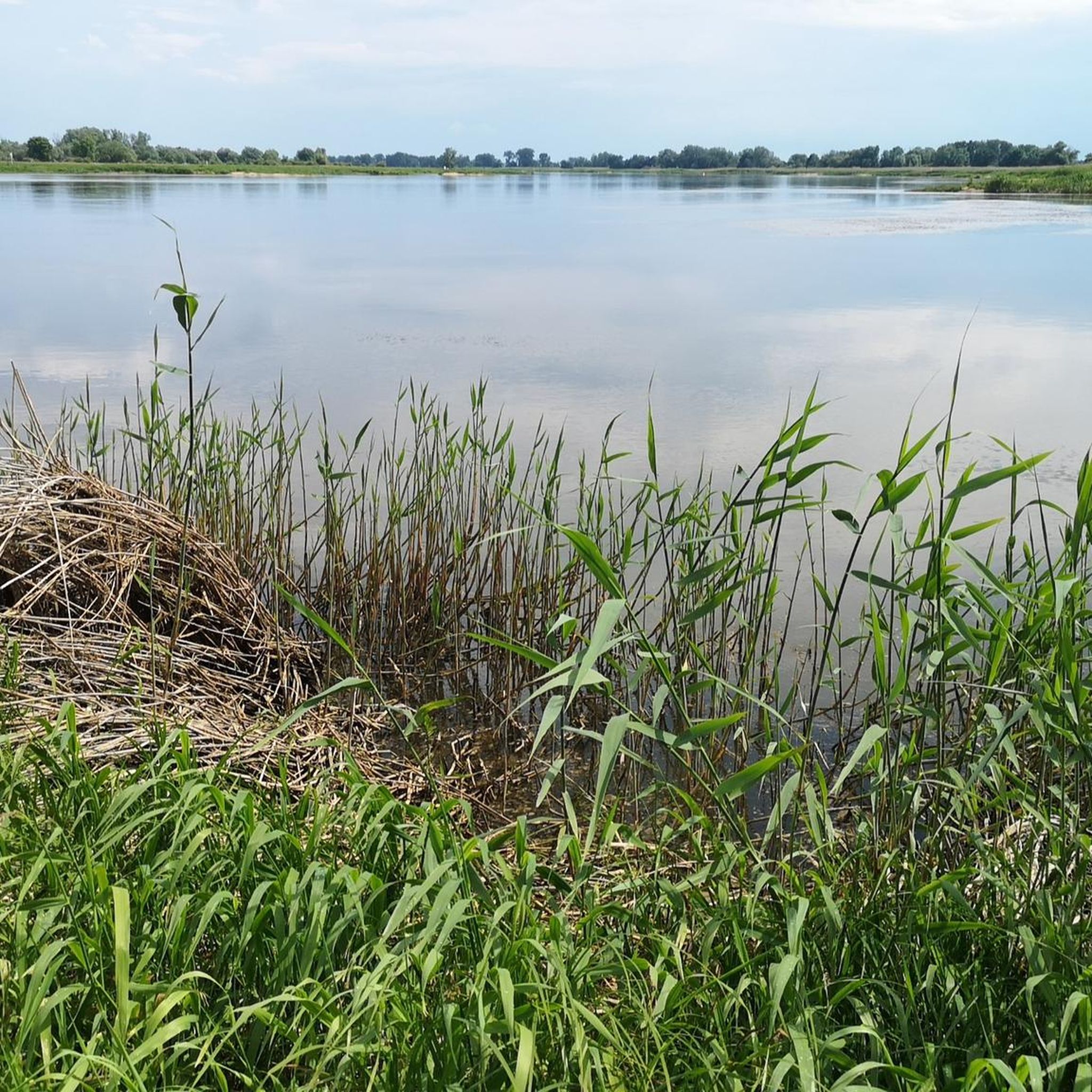
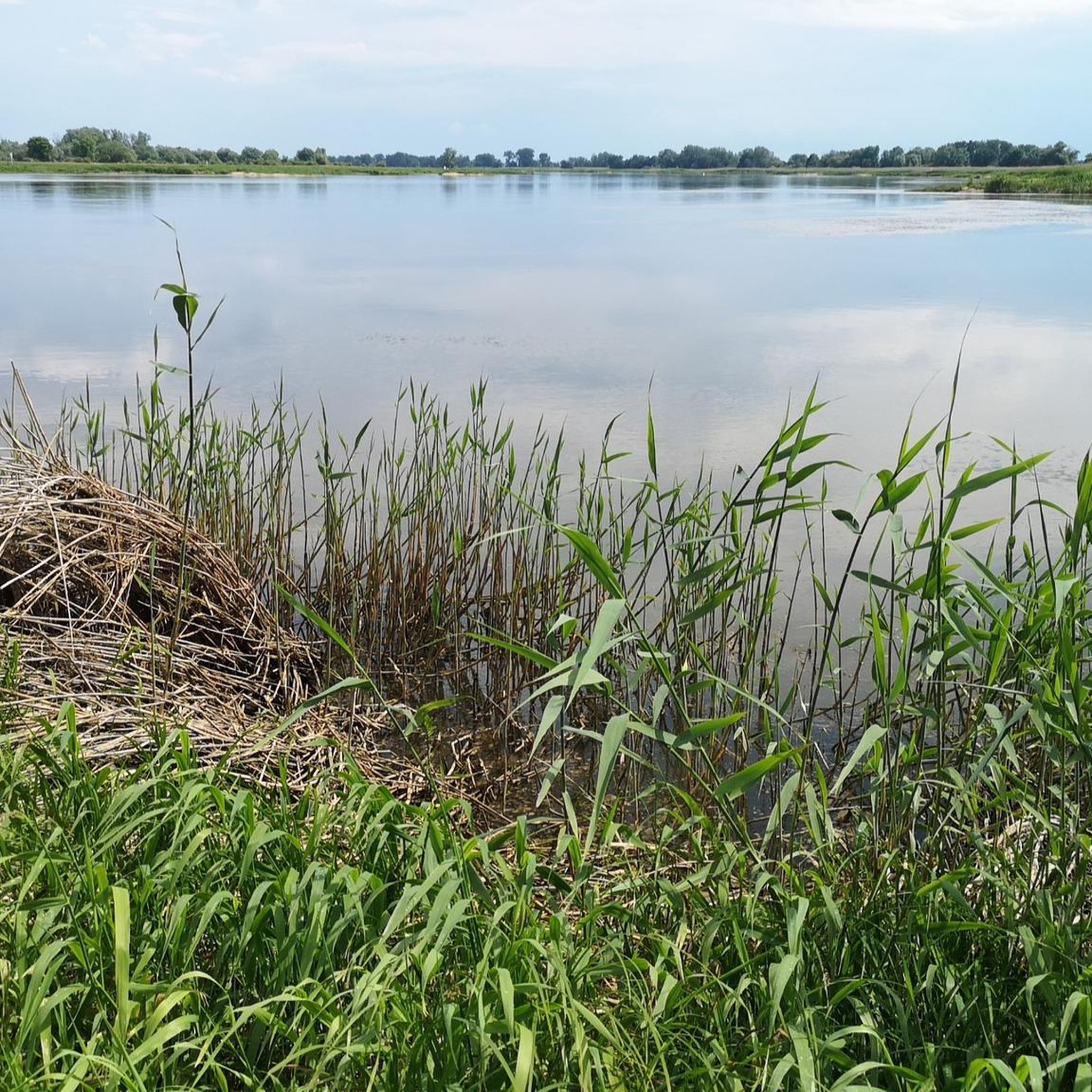
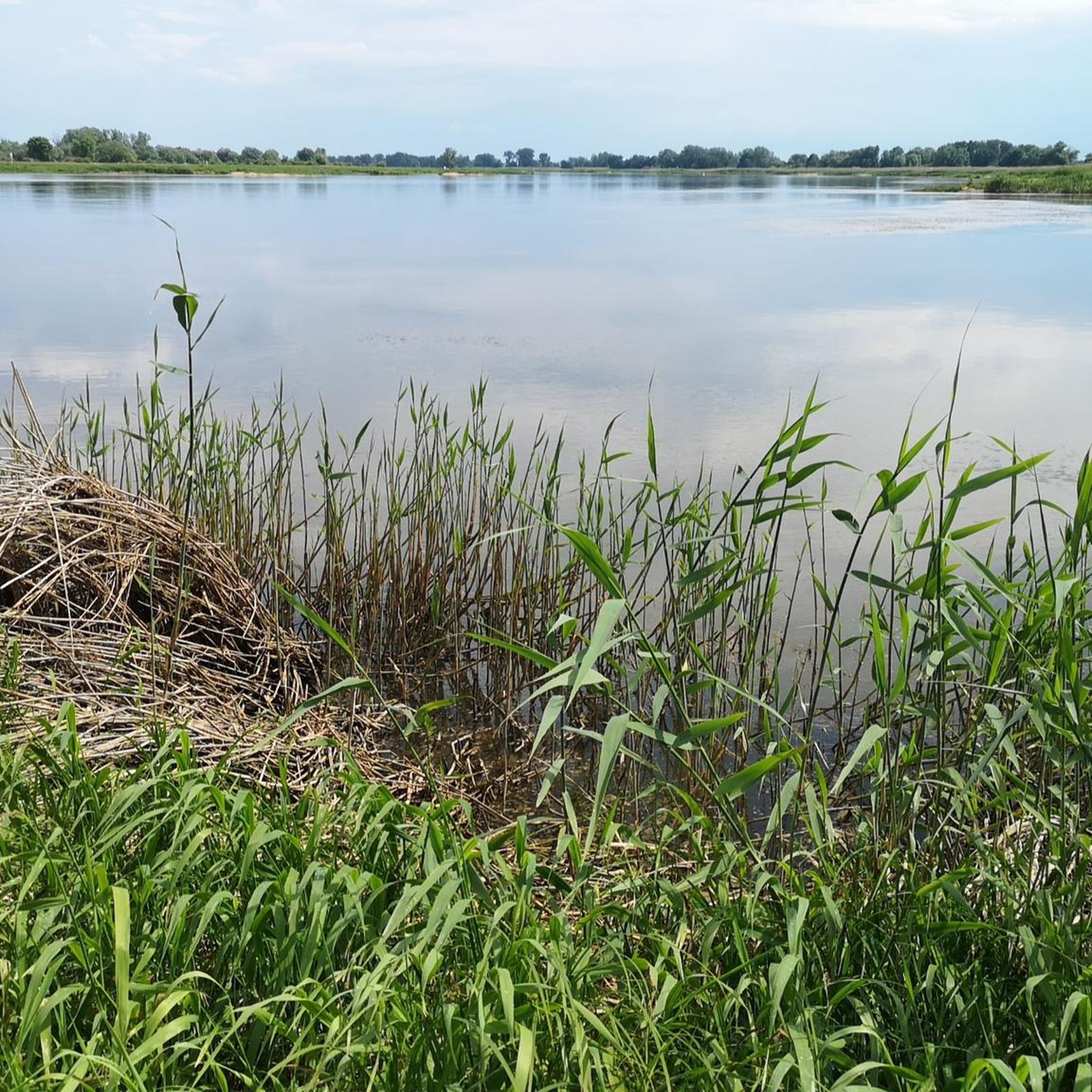
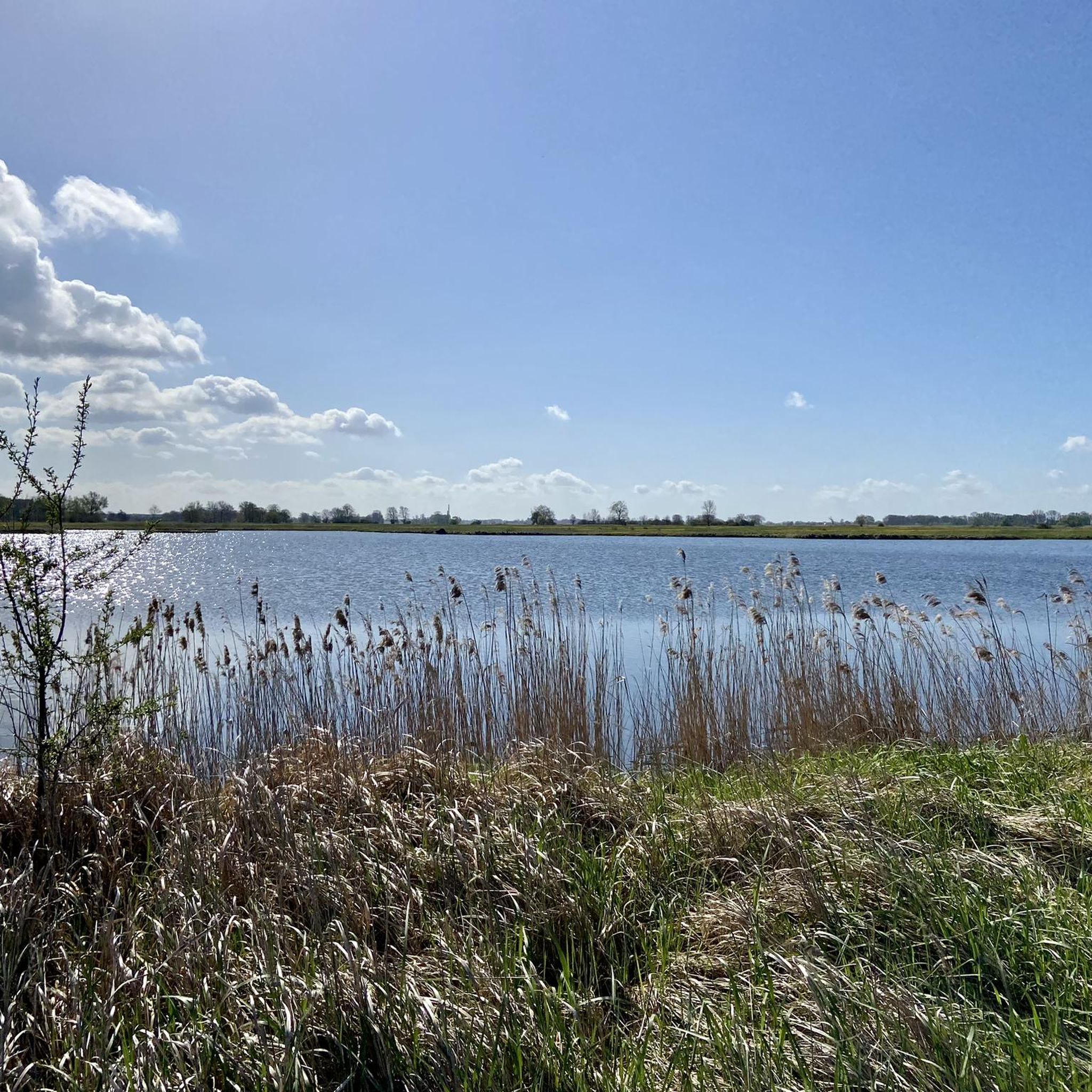
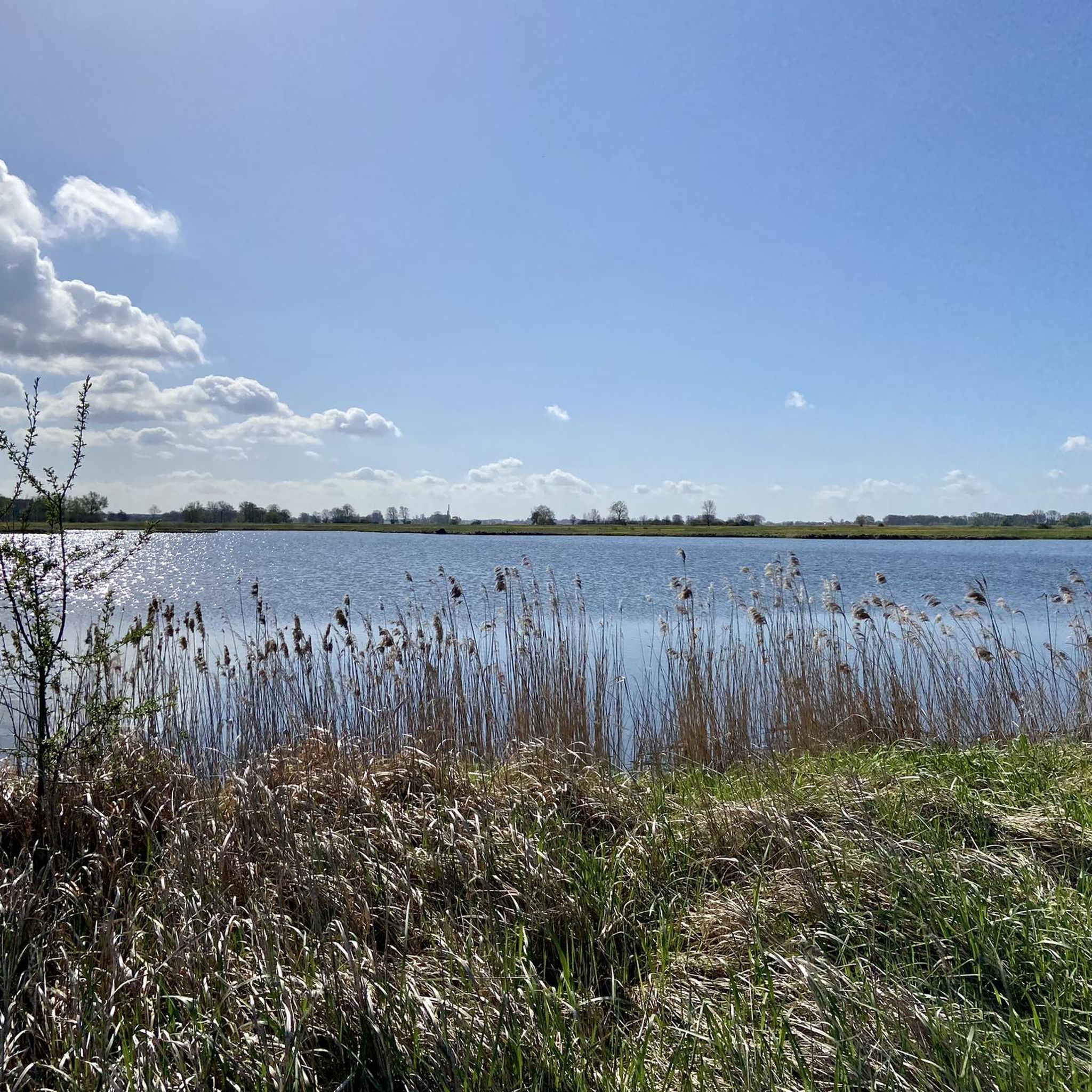
When the wind blows over the Oder floodplains, you see not only ripples in the reeds, but almost something like thoughts in the landscape. A wide, quiet stream flows through the grassland, slowly and serenely, as if it had all the time in the world. And perhaps it does. There's space here, lots of space – for birds in V-formations, for skies with clouds that seem to be painted, for people who rediscover silence while cycling. The path winds along the dike, sometimes elevated, sometimes submerged, accompanied by mosquitoes, seagulls, and their own breath. If you're lucky, you might see a beaver; if you're patient, a stork. And if you simply ride, you experience a nature movie in Cinemascope – with the wind in your face and the feeling that this moment is exactly the right one. The Oder floodplains are not a spectacle. They are a promise: that simplicity can be enough. That vastness heals. And that it's worth entering the silence to hear yourself better again.
0
0

In the Steintoch district, the former royal state domain of Wollup has a history spanning over 500 years. It was here that Frederick II, as Crown Prince, completed his first agricultural and economic studies, and it was here that his particular interest in the Oderbruch region was awakened. In 1852, the German agronomist and agricultural reformer Johann Gottlieb Koppe commissioned the landscape architect Eduard Neide to transform parts of the estate into a landscape park. The overgrown, woodland-like park, as it was during its last intensive development by the landscape architect Eduard Neide, retains open and enclosed areas, modeled on English landscape gardens, divided into lawns, meadows, and denser stands of trees and shrubs. Many old deciduous trees, which characterize the park's landscape, can be seen.
0
0


The incense oak stands south of Friedrichsaue next to an old arm of the Oder, facing a field. The old arm, called incense, was separated from the Oder in 1786. About ten years ago, the old Oder arm was renaturalized and now carries water again. The oak stands on the edge of a small forest called Sanssouci, a scenic gem that was given forest protection status in 1959/60. Near the oak is a dam built in 1920 by the Oderbruchbahn. The railway line has since been abandoned, and a cycle path now runs over it. The oak is still unknown in literature; it is a new discovery. The trunk shows rot on one side, the bark is partially missing but is still completely closed. A fairly large crown sits on the trunk, which is still completely intact. It shows very little dead wood, although the oak has been struck by lightning several times, most recently in 2012. The vitality of the monumental oak is still good. Development of the breast height circumference 1997 7.41 m Unknown 2022 8.10 m Rainer Lippert Location: Friedrichsaue Municipality: Zechin District: Märkisch-Oderland Federal state: Brandenburg Height: 10 m above sea level Tree species: Pedunculate oak Age: around 400 years Breast height circumference: 8.10 m (waist) Waist circumference: 8.10 m Height of the tree: 19 m Crown diameter: 20 m Year of measurements: 2022 https://www.monumentale-eichen.de/brandenburg/friedrichsaue/
0
0

A beautiful park, which one would not have expected. The estate owners were probably very wealthy back then, from which we all benefit today.
1
0


The castle park is worth seeing, but the castle itself is unfortunately no longer as beautiful.
4
2

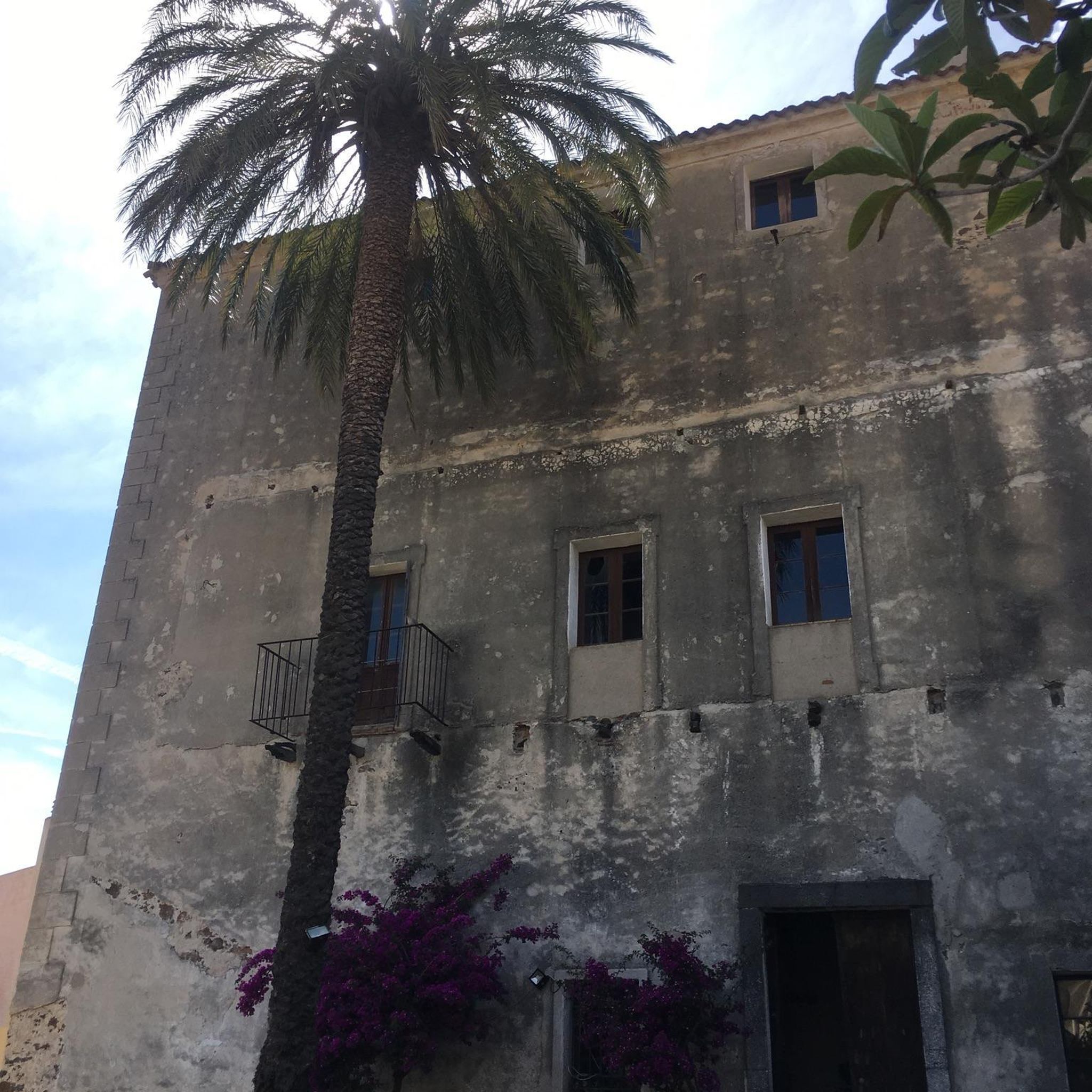
Palace park, from the end of the 18th century. Originally it had the form of a French baroque garden. At the beginning of the 19th century, the park was transformed in the style of English Romanticism by Peter Lenné. In the park there is the Victoria Monument, considered to be the work of the Berlin sculptor Christian Daniel Rauch (1777-1857). It was dedicated to the Prussian king Frederick II.
5
2
Frequently Asked Questions
What kind of natural landscapes can I expect to see around Boleszkowice?
The Boleszkowice region is characterized by a rich natural landscape, including extensive river valleys, vast forests, and protected wetland areas. You'll find diverse ecosystems shaped by the Oder and Myśla Rivers, offering opportunities for nature observation and outdoor activities.
Are there any significant birdwatching spots among the natural monuments?
Yes, the area is excellent for birdwatching. The Oder Floodplain is home to one of the largest bird sanctuaries and breeding areas. Additionally, the Waterbird Breeding and Resting Area, Warta Mouth National Park, is renowned for its diverse waterfowl and raptors, including white-tailed eagles and cranes. The Warta Mouth National Park is considered one of Central Europe's most crucial waterfowl habitats.
What unique natural monuments are there besides the floodplains?
Beyond the floodplains, you can visit the Weihraucheiche of Friedrichsaue, an impressive 400-year-old pedunculate oak with an 8-meter circumference. There's also the 'Cisy Boleszkowickie' Reserve, which protects significant yew tree populations, offering a serene environment for appreciating rare old-growth forest characteristics.
What outdoor activities can I do near these natural monuments?
The region offers various outdoor activities. You can enjoy cycling along the Oder-Neisse Cycle Path or on the dyke trails near the Oder Floodplain. Kayaking is popular along the Myśla River, known for its suitability for such activities. For more ideas, check out the nearby guides for Cycling around Boleszkowice, Running Trails around Boleszkowice, and Easy hikes around Boleszkowice.
Are there family-friendly natural attractions in the Boleszkowice area?
Yes, several natural monuments are suitable for families. The Oder Floodplain and the Waterbird Breeding and Resting Area, Warta Mouth National Park, are great for observing wildlife and cycling. The Pond in Park Wollup offers a beautiful, serene environment perfect for picnics and relaxation with children.
What is the best time of year to visit the natural monuments around Boleszkowice?
The best time to visit depends on your interests. Spring and autumn are ideal for birdwatching, especially at the Warta Mouth National Park, when migratory birds are abundant. Summer is great for cycling and kayaking along the rivers. The extensive forests, like the Boleszkowice Forests, are beautiful for hiking in spring, summer, and autumn.
Can I find historical sites alongside natural monuments?
Yes, the region offers a blend of natural beauty and history. For example, the Lower Palace Park - Dąbroszyn, originally an 18th-century French baroque garden transformed into an English Romantic style park, features the Victoria Monument and is considered a natural monument itself.
What kind of wildlife can I expect to encounter?
The wetland areas, particularly the Warta Mouth National Park, are rich in birdlife, including various waterfowl, geese, cranes, and raptors like the white-tailed eagle. Mammals such as European otters, beavers, deer, foxes, and wild boars can also be spotted, especially in the floodplains and forests.
Are there easy walking routes available near the natural monuments?
Yes, there are several easy walking routes. Many trails along the Oder and Myśla river valleys are relatively flat and suitable for leisurely walks. You can find specific easy hiking routes in the Easy hikes around Boleszkowice guide, such as the loop from Groß Neuendorf to the Church of Groß Neuendorf.
What do visitors enjoy most about the natural monuments in Boleszkowice?
Visitors particularly appreciate the tranquility and natural beauty of the area. Many enjoy the opportunities for cycling and birdwatching in the Oder Floodplain and the Waterbird Breeding and Resting Area, Warta Mouth National Park. The serene atmosphere of places like the Pond in Park Wollup is also highly valued for relaxation and picnics.
Are the natural monuments accessible for visitors with limited mobility?
While specific accessibility details for every site vary, many of the dyke trails and paths in the floodplains offer relatively flat terrain suitable for cycling and walking. It's advisable to check specific trail conditions for each location, but the general landscape of river valleys often provides more accessible options than mountainous regions.
Can I bring my dog to the natural monuments and trails?
Many natural areas and trails in Poland, including those around Boleszkowice, are generally dog-friendly, especially if dogs are kept on a leash. However, specific rules may apply in protected areas like national parks or nature reserves. Always check local signage or park regulations before visiting with your dog, particularly in sensitive bird breeding areas.
Most popular attractions around Boleszkowice

Get inspired with the komoot mobile app


Explore more
Extend your search for the best caves by checking out these guides of the top ones around Boleszkowice:
