Top 9 Natural Monuments around Sianów
Best natural monuments around Sianów include a variety of protected natural features, predominantly ancient trees and significant natural reserves. The region's landscape is characterized by its natural heritage, offering serene spots for nature enthusiasts. These monuments are recognized for their age, size, or unique species, contributing to the ecological and historical value of the area. Exploring these sites provides insight into the long-standing natural history of the Sianów region.
Best natural monuments around Sianów
- The most popular natural monuments is…
Last updated: May 17, 2026
Karnieszewice Arboretum
Highlight • Forest
Translated by Google •
Tip by

Breeding site of the ringed plover
Highlight • Natural Monument
Translated by Google •
Tip by

Sign up now to discover places like this
Get recommendations on the best single tracks, peaks, & plenty of other exciting outdoor places.
Sign up for free
Gollenberg Holy Mountain and Marian Sanctuary
Highlight (Segment) • Religious Site
Dunes Between Łazy and Unieście
Highlight • Natural Monument
Translated by Google •
Tip by

Stone Circles of Grzybnica
Highlight • Historical Site
Parking facilities …
Translated by Google •
Tip by

Sign up for free to discover even more natural monuments around Sianów.
Sign up for free
Already have an account?
Start today with a free account
Your next adventure awaits.
Login or Signup

Tips from the Community

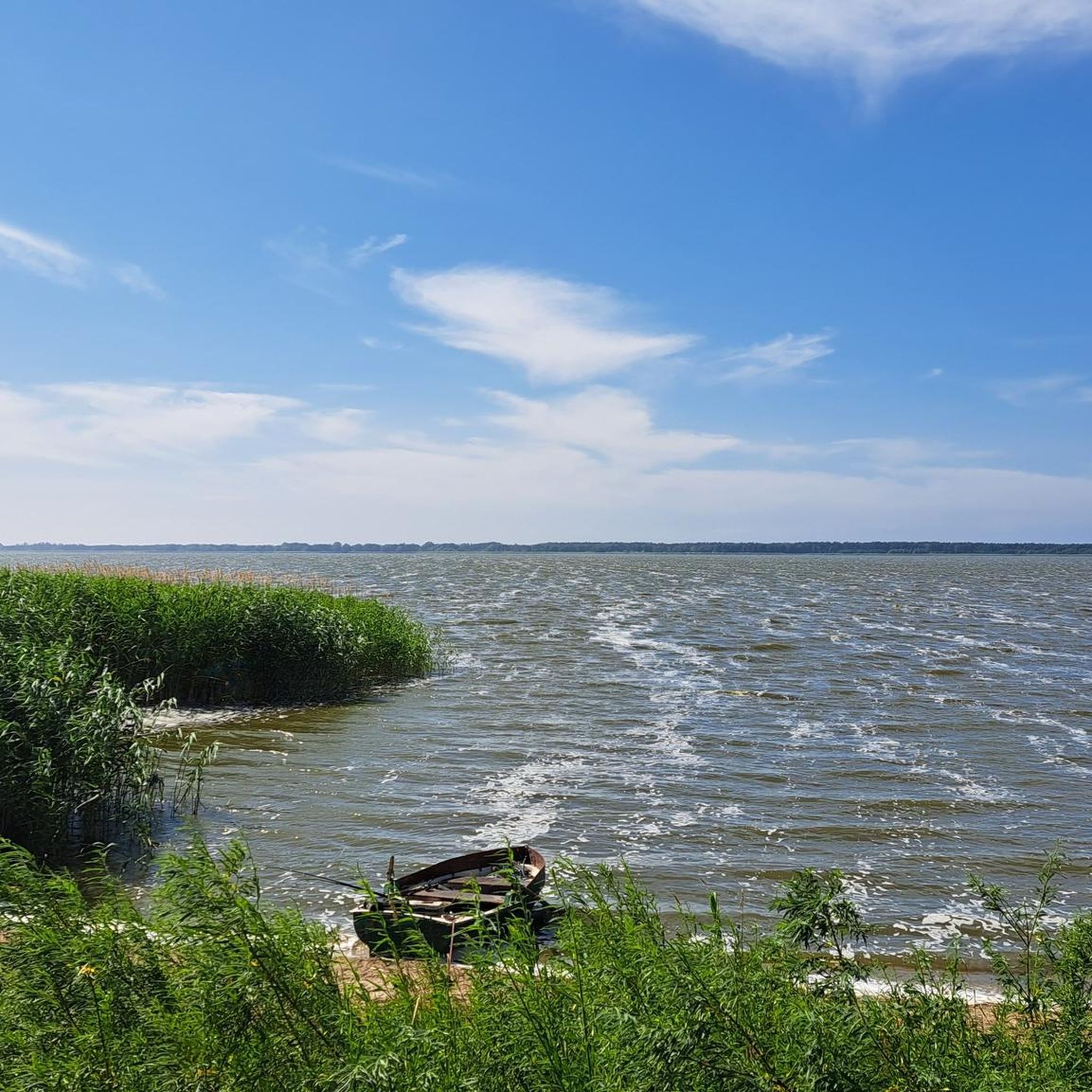
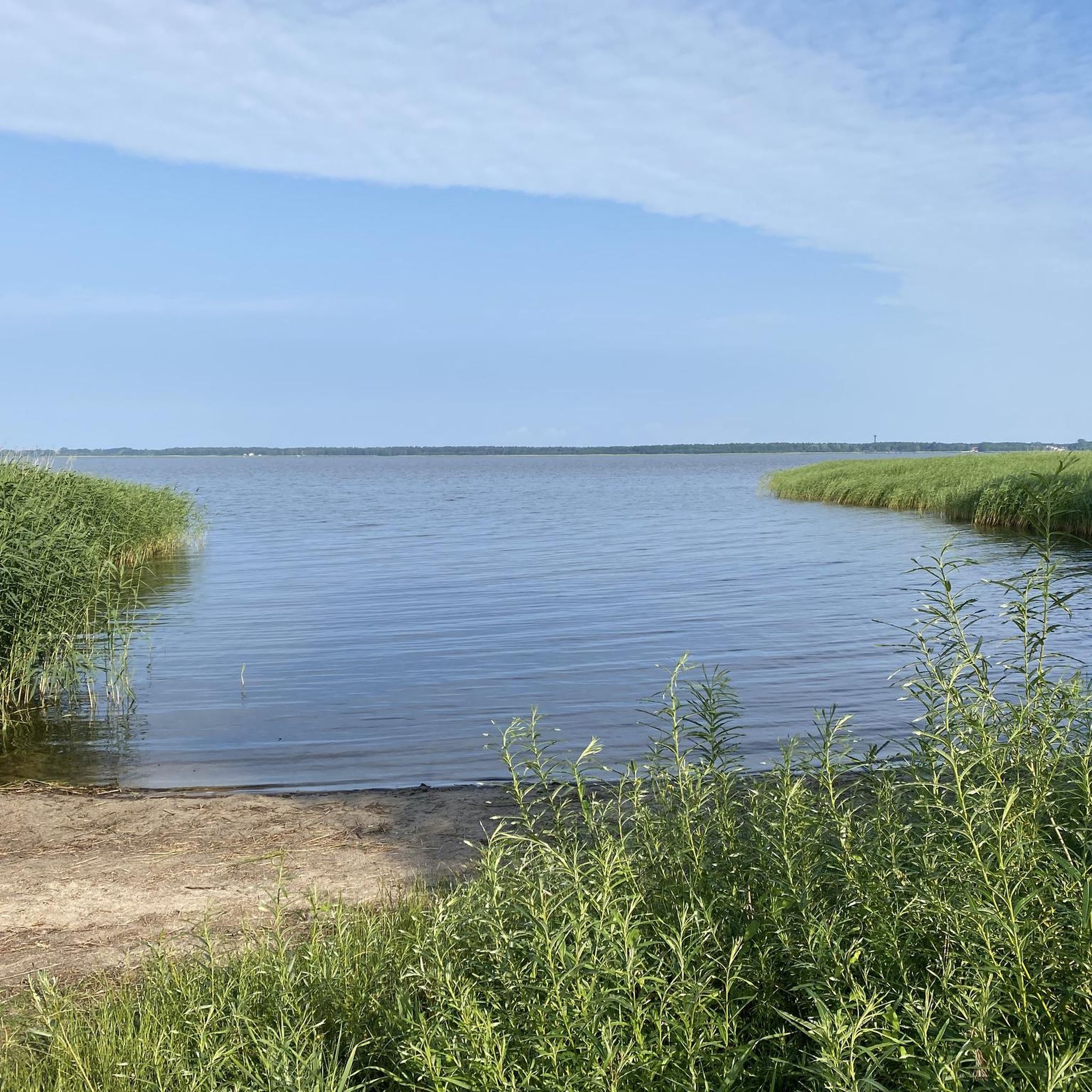
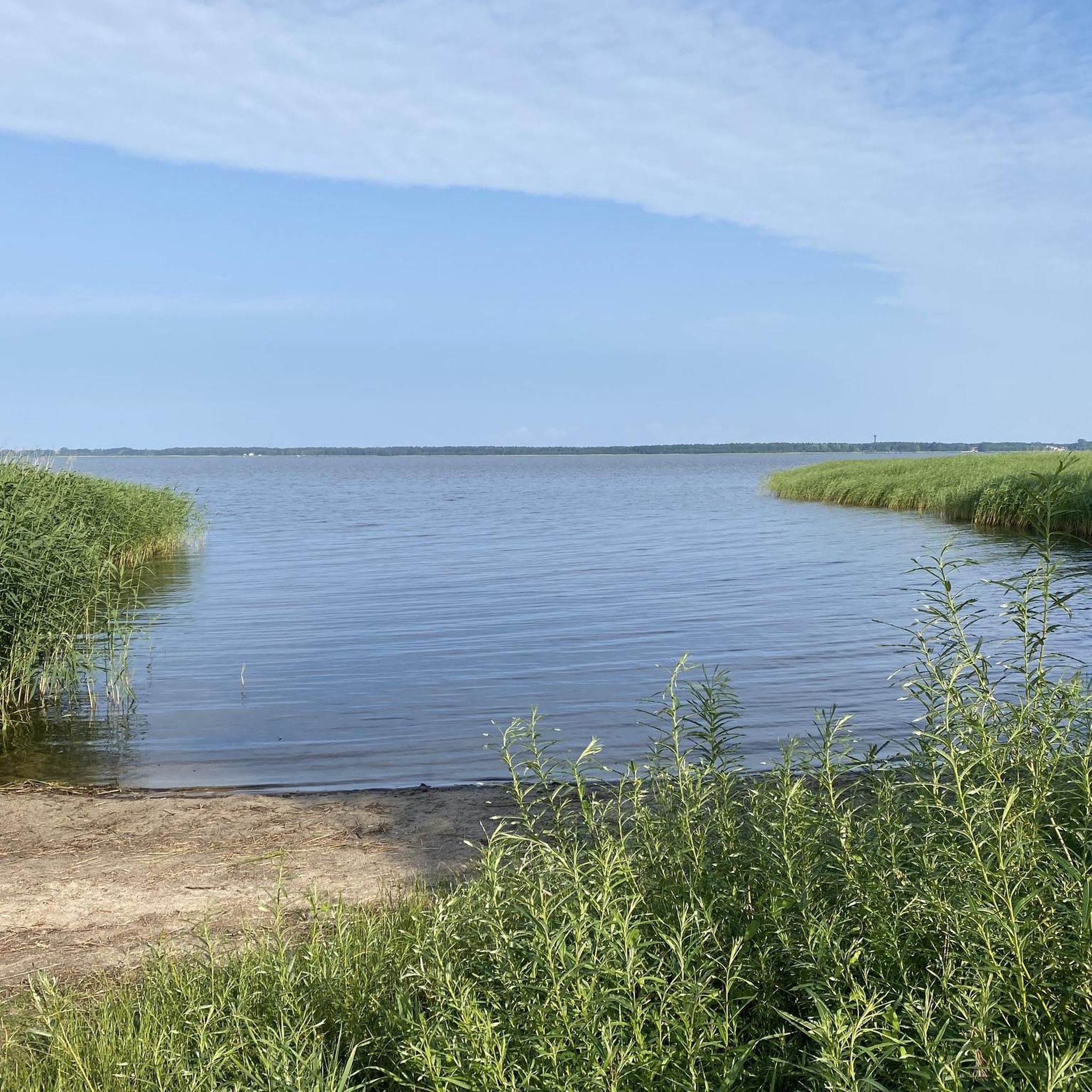
As the sign here states, the beach here is a protected breeding ground for ringed plovers, so stay close to the water's edge to avoid disturbing them. These birds are among the most endangered on Polish beaches. The beach here is truly beautiful and super sandy.
1
0

Nice place and sparsely populated beach.
1
0

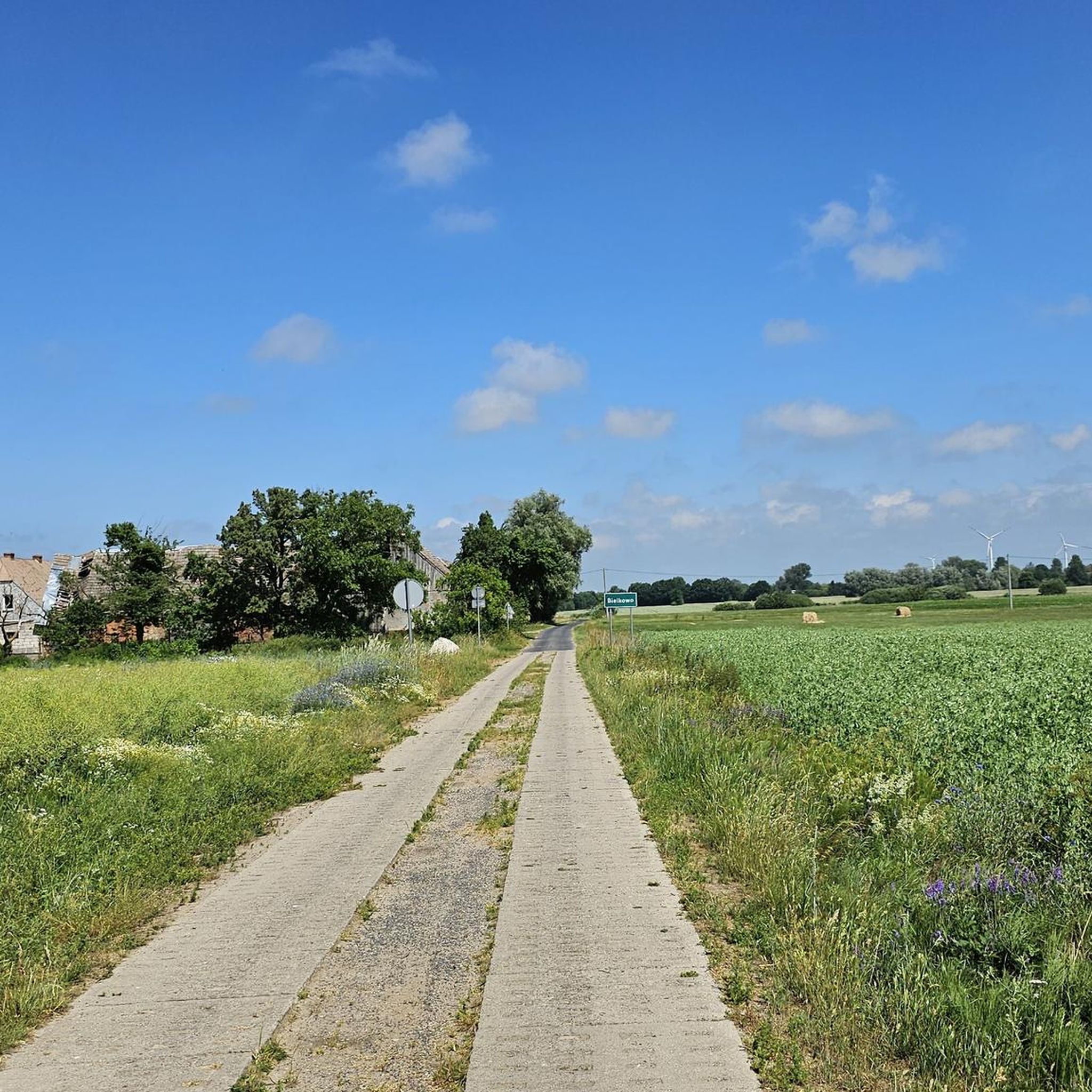
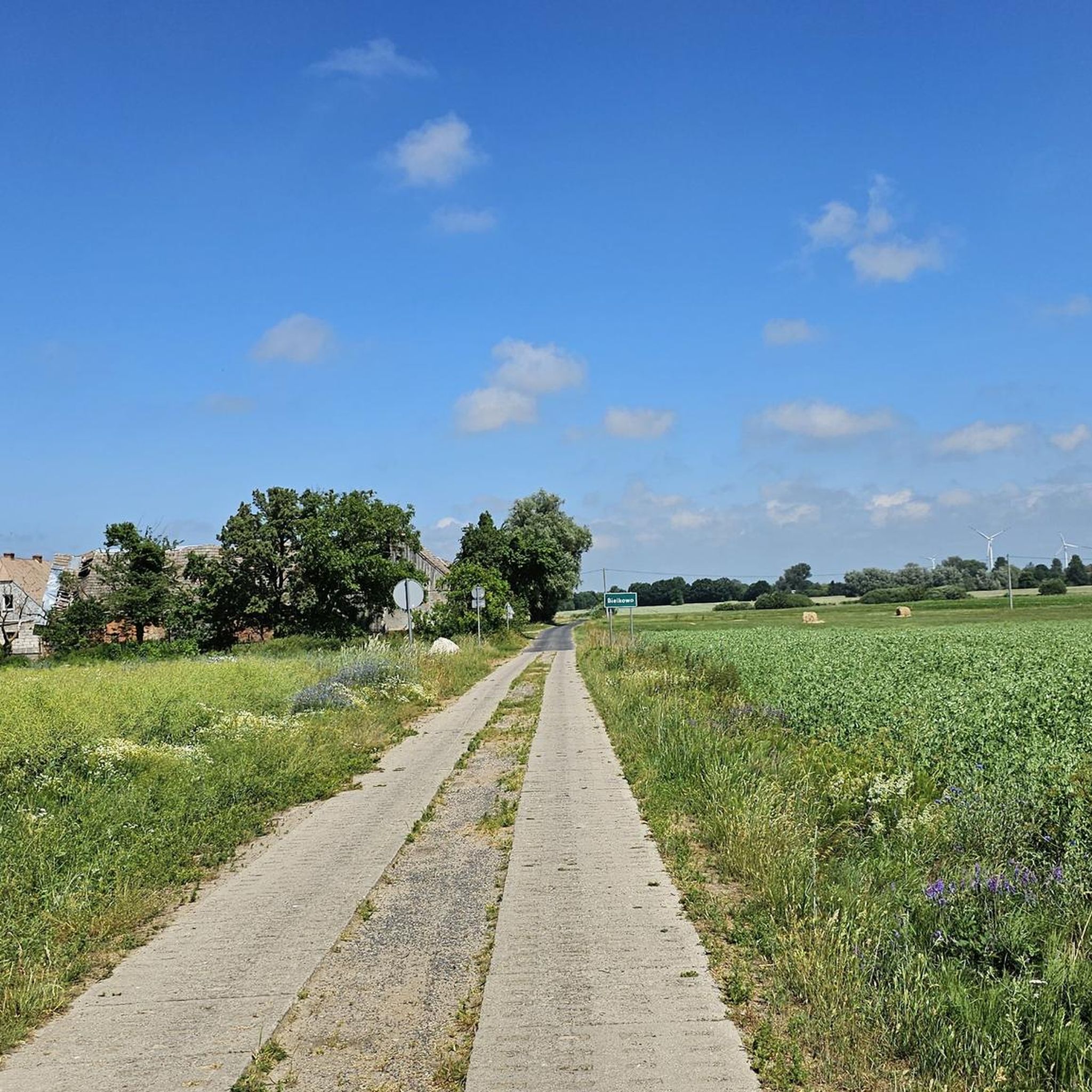
The path to the arboretum on cobblestones is difficult. It is best to leave the bike at the entrance and take a walk
3
0

Stone circles from the 1st - 3rd centuries AD. Graves were discovered under the circles. Reconstructed, rediscovered and funded by the community and a museum in the 1970s. Parking facilities as well as benches and information boards are available in German, English and Polish.
0
0

The arboretum was established in 1881 on the occasion of the Congress of the Pomeranian Forest Society at a time when foresters of the second half of the nineteenth century formed the economic foundations of the functioning of the forest farm. At that time, attempts were made to introduce into forestry experiment and then into forestry practice, species of foreign origin whose growth parameters and achieved final quantities gave hope for intensification of wood production per unit area. The Karnieszewic Arboretum was founded to research the acclimatization, development and production capacity of foreign species. Particularly high hopes were then associated with Douglas fir discovered in North America by the Scottish botanist David Douglas, who in 1827 brought it and popularized it in English parks. Douglas fir in its homeland grows up to 100 m in height, is characterized by rapid growth and hence was the object of great interest of German foresters. In addition to Douglas fir, a number of other species were planted in the arboretum for research, such as: Canadian Christmas tree, Arborvitae, pea cypress, Lawsonia cypress, Caucasian fir, mud oak, red oak, and species whose purpose was rather aesthetic and decorative considerations, such as: chestnut, beech, American tulip tree, five-leaf peanut and many others. Today it is an excellent educational facility. In addition to many species of plants such as Żywotnik Olbrzymi, Caucasian Fir or Canadian Christmas Tree is equipped with an educational shelter, a bonfire place and numerous places to rest.
1
0

End of September is the most beautiful here.
1
0
The white dunes between Łazy and Unieście.
1
0
Frequently Asked Questions
What types of natural monuments can I explore around Sianów?
The Sianów region is rich in diverse natural monuments. You can find significant dendrological gardens like the Karnieszewice Arboretum, protected coastal areas such as the Breeding site of the ringed plover and the Dunes Between Łazy and Unieście, and ancient individual trees. These include majestic Pedunculate Oaks, Small-leaved Lindens, Common Beeches, and even Norway Maples, often found in villages like Osieki, Karnieszewice, and Szczeglino.
Are there any natural monuments around Sianów that are good for families?
Yes, several natural monuments are family-friendly. The Karnieszewice Arboretum offers an educational and engaging experience with its diverse tree species. Coastal sites like the Breeding site of the ringed plover and the Dunes Between Łazy and Unieście provide beautiful sandy beaches suitable for a family outing. Additionally, the Stone Circles of Grzybnica combine natural beauty with historical intrigue, which can be fascinating for all ages.
What historical or cultural sites are designated as natural monuments in the Sianów area?
Beyond purely natural features, the region also protects sites with historical significance. The Gollenberg Holy Mountain and Marian Sanctuary is a natural monument that also serves as a religious and historical site, offering both natural beauty and cultural context. The Stone Circles of Grzybnica are another example, featuring reconstructed stone circles from the 1st-3rd centuries AD, providing a glimpse into ancient history amidst a natural setting.
Can I find hiking trails near the natural monuments around Sianów?
Yes, the Sianów area offers various hiking opportunities. For instance, you can explore routes that take you through forests and along the coast. You can find detailed hiking routes, including options like the 'Hiking loop from Łazy' or the 'Mouth of Lake Jamno – Sandy Pine Forest and Dunes loop from Łazy', by visiting the Hiking around Sianów guide.
Are there cycling routes that pass by natural monuments in Sianów?
Absolutely. The region is suitable for cycling, with routes that allow you to discover its natural heritage. Consider exploring options like the 'Water Marina in Osieki – Łazy Beach loop from Osieki' or the 'New Waterworks – Leśna Aleja loop from Skibno'. More cycling routes are available in the Cycling around Sianów guide.
What is the 'Jodły Karnieszewickie' (Karnieszewice Firs) Reserve known for?
The 'Jodły Karnieszewickie' Reserve is notable for preserving old-growth fir trees (Abies alba) that grow beyond their typical natural range in Poland. Many of these firs have reached monumental sizes, making it an impressive site for observing these ancient specimens. The reserve also hosts the rare honeysuckle (Lonicera periclymenum), adding to its biodiversity.
What kind of trees are commonly protected as natural monuments in Sianów?
The Sianów municipality protects numerous individual trees and avenues. Commonly protected species include Pedunculate Oaks (Quercus robur), known for their longevity and impressive size, Small-leaved Lindens (Tilia cordata) appreciated for their dense foliage and fragrant flowers, and Common Beeches (Fagus sylvatica) with their smooth, silvery-grey bark. You can also find protected Common Horse Chestnuts, Norway Maples, and European Ashes.
What do visitors say about the natural monuments around Sianów?
Visitors appreciate the serene and natural beauty of the area. For example, at the Breeding site of the ringed plover, visitors describe the beach as 'truly beautiful and super sandy.' At the Dunes Between Łazy and Unieście, the 'sparsely populated beach' and 'white dunes' are highlighted as scenic spots. The Karnieszewice Arboretum is recognized as an 'excellent educational facility' with many plant species.
Are there any specific tips for visiting the Karnieszewice Arboretum?
When visiting the Karnieszewice Arboretum, it's recommended to leave your bike at the entrance and explore on foot, as the path to the arboretum on cobblestones can be difficult. The arboretum is equipped with an educational shelter, a bonfire place, and numerous spots to rest, making it a comfortable place for a walk and learning about its diverse tree species, including the impressive Douglas firs.
What is the best time to visit the natural monuments around Sianów?
While many natural monuments can be enjoyed year-round, specific times might offer unique experiences. For coastal areas like the Dunes Between Łazy and Unieście, visitors have noted that 'End of September is the most beautiful here.' For arboretums and forests, spring and autumn often provide vibrant colors and pleasant temperatures for exploration.
Are there any natural monuments around Sianów that are suitable for dog walking?
Many natural areas and trails around Sianów are generally dog-friendly, especially those focused on individual trees or forest paths. However, specific protected areas like the Breeding site of the ringed plover on the beach may require dogs to be kept on a leash or have restricted access during breeding seasons to protect endangered bird species. Always check local signage for specific rules.
Where can I find information about parking or public transport for these natural monuments?
Information on parking and public transport can vary for individual natural monuments. For sites like the Stone Circles of Grzybnica, parking facilities are available. For other locations, especially individual trees in villages, street parking might be an option. Public transport options are generally limited to larger towns and may require further travel to reach specific monuments. It's advisable to check local transport schedules and accessibility for your chosen destination.
Most popular routes around Sianów
Most popular attractions around Sianów

Get inspired with the komoot mobile app


Explore more
Extend your search for the best caves by checking out these guides of the top ones around Sianów:
