Top 7 Natural Monuments around gmina Gniezno
Best natural monuments around gmina Gniezno include a variety of protected natural areas and significant individual trees. The region is characterized by a post-glacial landscape featuring moraine plains and numerous lakes, including Lake Lednica. This area holds historical significance as the cradle of Polish statehood, blending natural beauty with cultural heritage. Visitors can explore diverse ecosystems, from ancient forests to important wetland habitats.
Best natural monuments around gmina Gniezno
- The most popular natural monuments is Lake Lednica, a lake…
Last updated: June 29, 2026
Lake Lednica
Highlight • Lake
Translated by Google •
Tip by

Lednica Lake and Wooden Warriors Sculptures
Highlight • Lake
Translated by Google •
Tip by

Sign up now to discover places like this
Get recommendations on the best single tracks, peaks, & plenty of other exciting outdoor places.
Sign up for free
Mięcierzyn Nature Reserve
Highlight • Forest
The reserve area is subject to strict protection (43.52 ha) and active protection (9.72 ha).
Translated by Google •
Tip by

Bielawy Nature Reserve
Highlight • Forest
Translated by Google •
Tip by

Wincenty and Hektor Oaks Nature Monuments
Highlight • Natural Monument
Translated by Google •
Tip by

Sign up for free to discover even more natural monuments around gmina Gniezno.
Sign up for free
Already have an account?
Start today with a free account
Your next adventure awaits.
Login or Signup

Tips from the Community

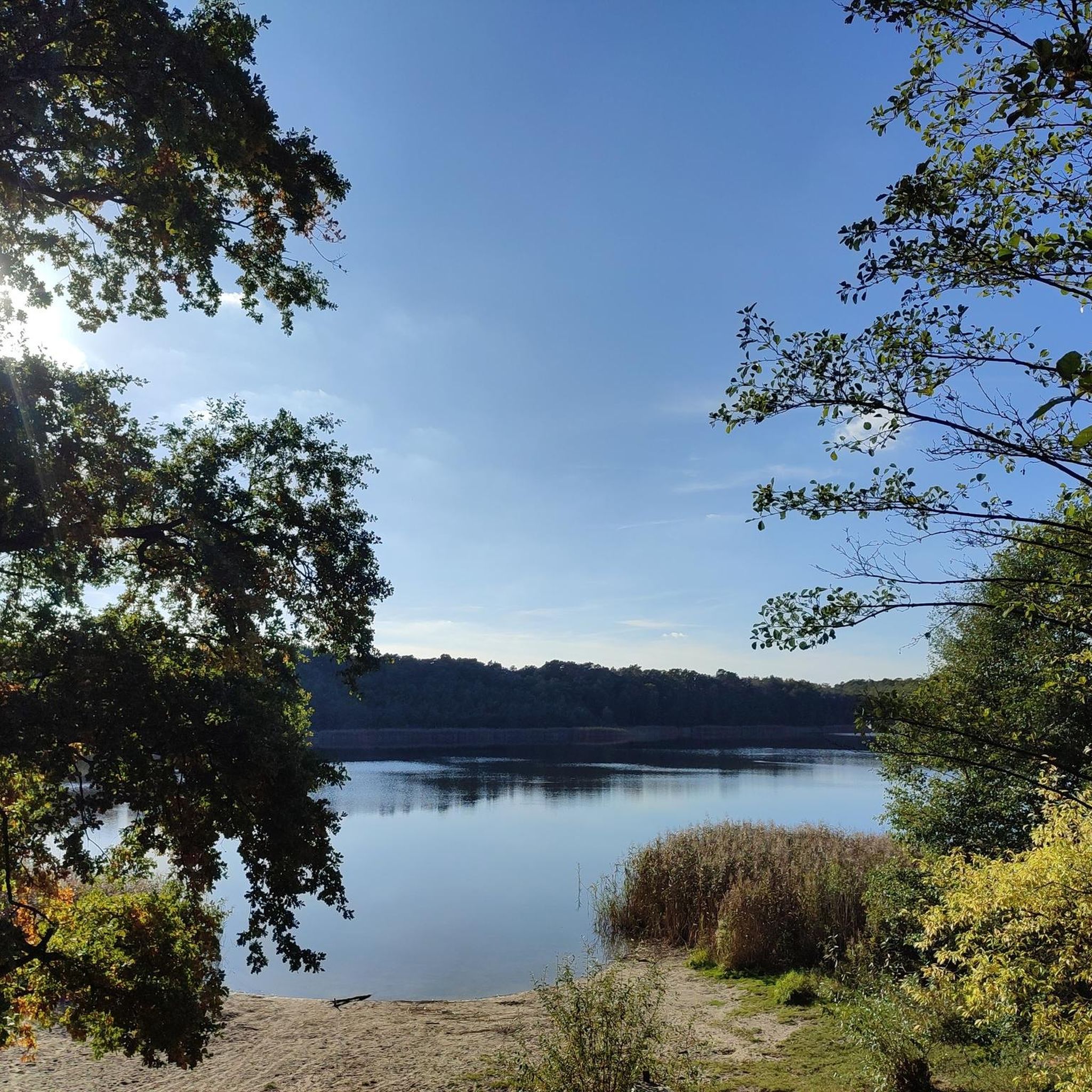
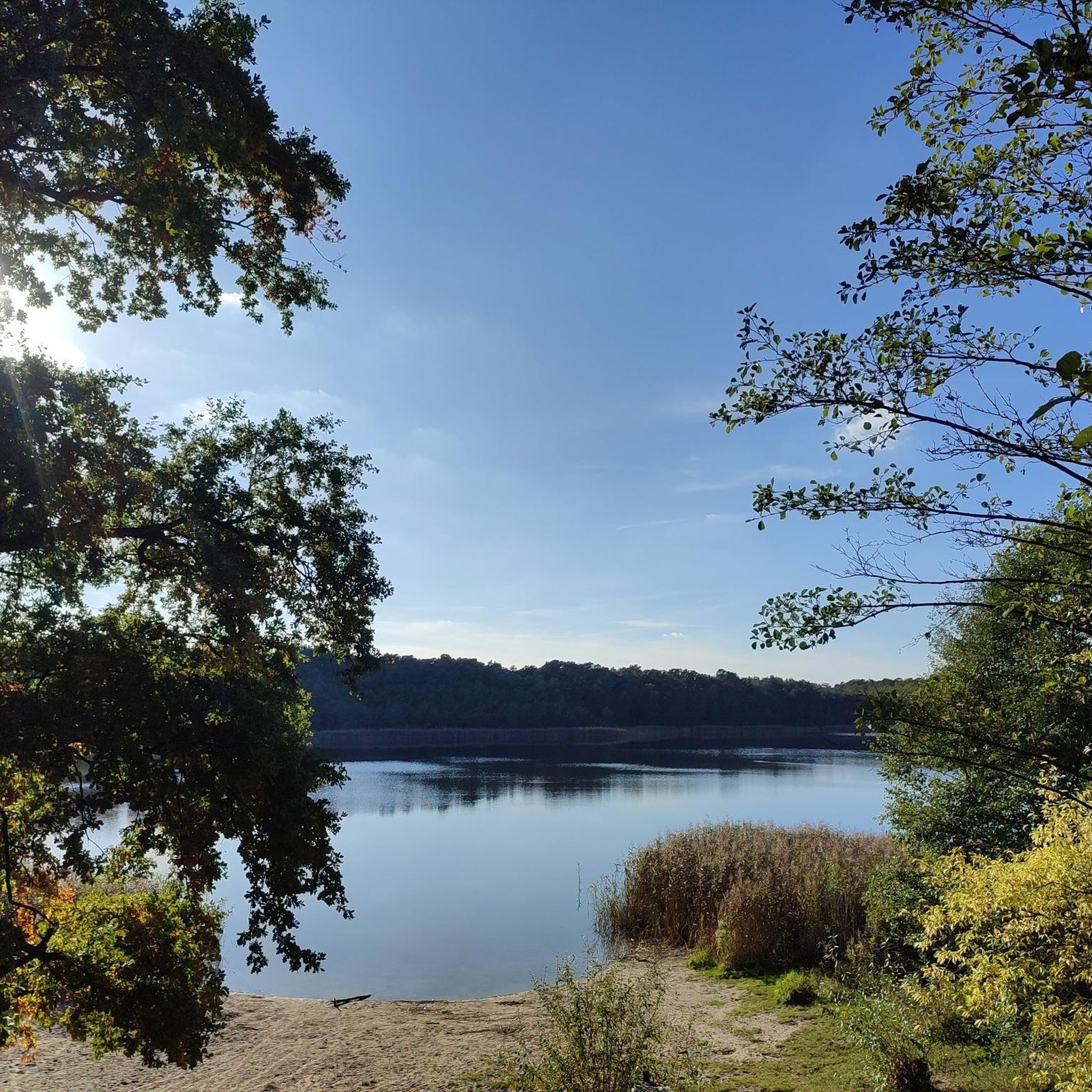
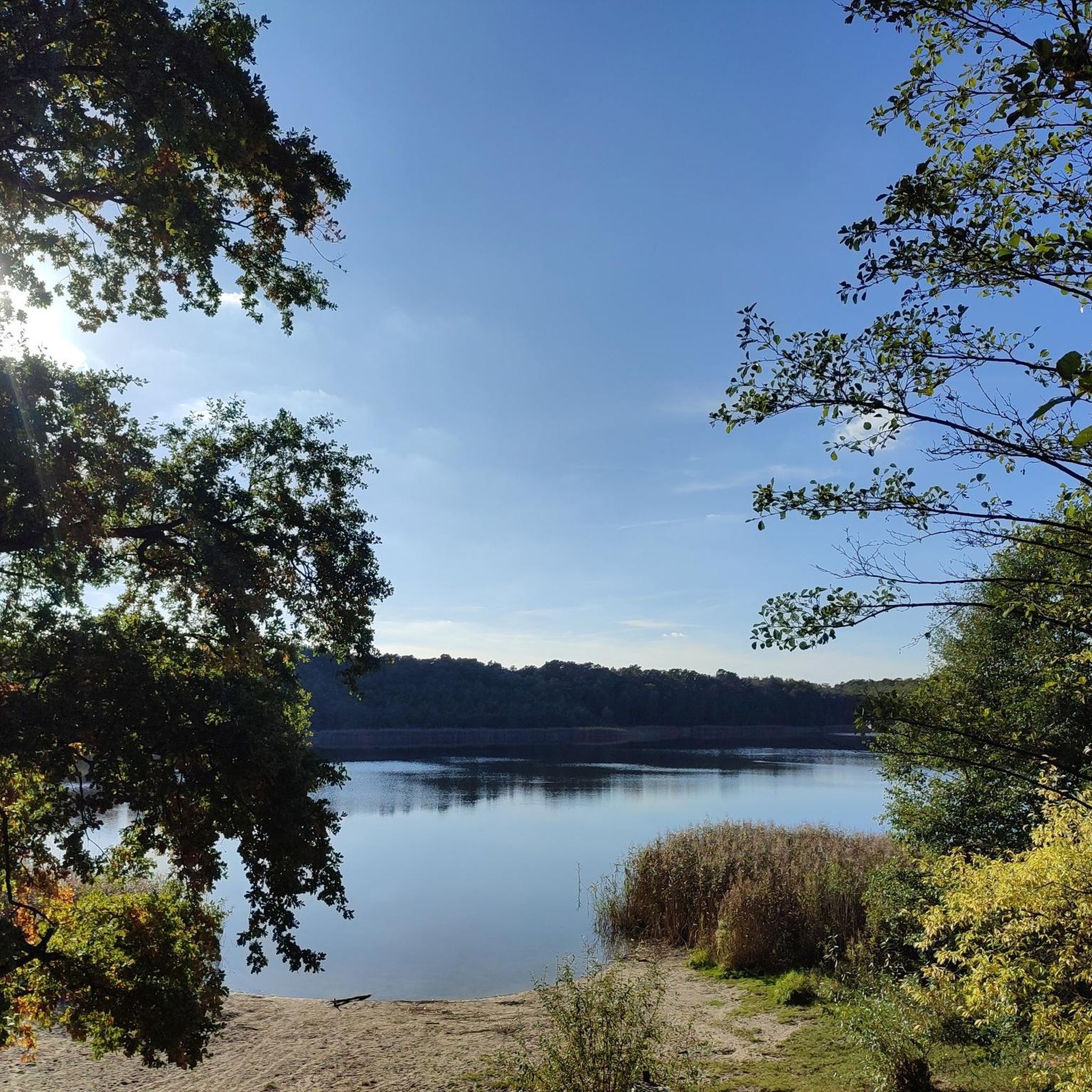
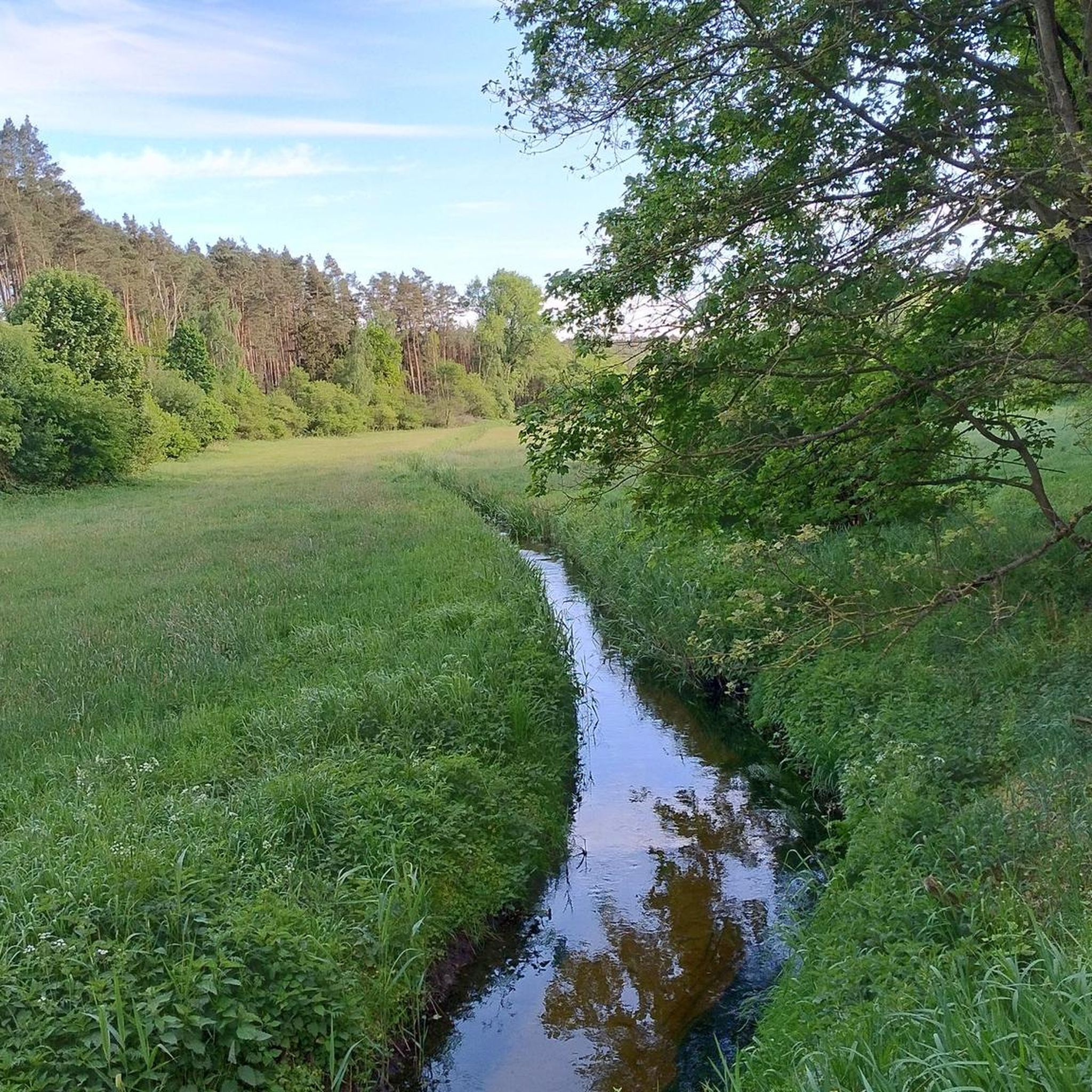
Lake Lednickie is a picturesque spot on the map of the Lednica Landscape Park, perfect for a bike break. From here you can admire Ostrów Lednicki, the place of the baptism of Poland, to which ferries run in the summer. The area offers peaceful bike trails with views of the lake and the surrounding nature. It is worth planning a longer moment to relax by the water.
2
0

"Natural Monument Record Sheet" dated 12.06.1949: "Monument description: Oak - age - 980 years - circumference breast height - 7.10 m, height 22 m; Oak - age - 608 years - circumference breast height - 3.40 m, height 26 m; Oak - age - 607 years - circumference breast height - 3.30 m, height 25 m. Spreading shape with thick branches". We also learn from the document that the oaks grow on the "southern slope, 120 meters from the lake". This means that one of the three oaks growing here is probably the oldest English oak in Poland. (fundacjahistoryczna.pl)
0
0
A reserve established to preserve a fragment of fertile lowland beech forest in non-limestone areas for scientific, educational and landscape purposes. The reserve area is subject to strict protection (43.52 ha) and active protection (9.72 ha). It suffered noticeably during the storms that passed over Poland in August 2017.
0
0

The largest oaks in the area - natural monuments
0
0

The lake is located between the provincial road number 197 and the provincial road number 194. The S5 expressway is also nearby, so access via the main roads is very good. There are several villages on the shores of the lake: Lednogóra, Dziekanowice, Rybitwy, Imiołki and Waliszewo. These are agricultural towns, not tourist ones.
0
0

Actively protected forest reserve with an area of 20 ha. It was created to preserve a fragment of a deciduous forest in the nature of a natural complex with the participation of oak, ash, hornbeam, elm and Polish larch.
0
0

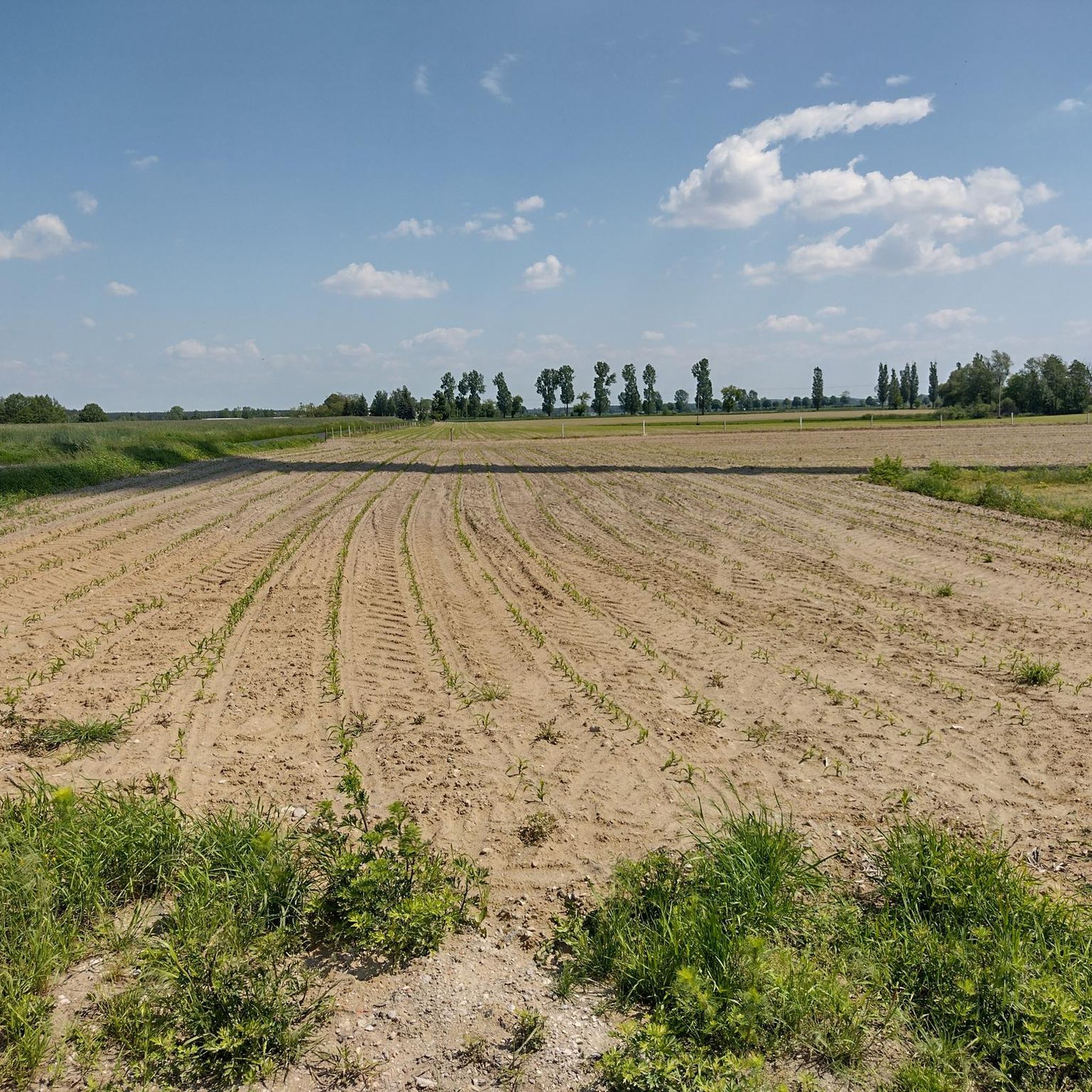
Unfortunately, this point is located on a private property / plot .. but it is unfenced, so if you are lucky you can climb the pier and admire the beauty of the lake
1
0
Frequently Asked Questions
What are some of the most popular natural monuments to visit in Gmina Gniezno?
Visitors frequently enjoy Lake Lednica, a picturesque spot within the Lednica Landscape Park, offering views of Ostrów Lednicki. Other popular choices include the actively protected Bielawy Nature Reserve, known for its deciduous forest, and the Mięcierzyn Nature Reserve, which preserves a fragment of fertile lowland beech forest.
Are there any family-friendly natural monuments in Gmina Gniezno?
Yes, several natural monuments are suitable for families. Lake Lednica offers peaceful bike trails and relaxing spots by the water. The Bielawy Nature Reserve is also considered family-friendly for exploring its forest. Additionally, the Tarcza Olbrzyma Glacial Erratic has a shelter with tables and a bonfire area, making it a nice spot for a family rest.
What unique natural features can I expect to see in Gmina Gniezno?
Gmina Gniezno is rich in diverse natural features. You can explore ancient and majestic individual trees, such as the over hundred-year-old Common Ash "Staś" or the symbolic Pedunculate Oak "Lech" in Piastowski Park. The region also features significant post-glacial landscapes with numerous lakes, like those found in the Lednicki Landscape Park, and important wetland habitats such as the Kiszkowskie Ponds, known for their abundant birdlife.
What kind of wildlife can be observed in Gmina Gniezno's natural monuments?
The region is home to diverse wildlife, especially birds. The Kiszkowskie Ponds, a Natura 2000 protected area, are a vital refuge for water and marsh birds, with over 197 species observed, including rare ones like the little bittern, crane, and spotted crake. The Powidzki Landscape Park also boasts rich fauna, including elks, deer, wild boars, foxes, badgers, otters, and various bird species.
Are there hiking trails near the natural monuments in Gmina Gniezno?
Yes, there are several hiking opportunities. You can find easy hikes around Gmina Gniezno, including routes like the Jezioro Winiary loop or trails around the Gniezno Market Square. For more details and specific routes, you can explore the Easy hikes around gmina Gniezno guide.
What cycling opportunities are available near Gmina Gniezno's natural monuments?
Gmina Gniezno offers various cycling routes, including options for mountain biking and gravel biking. You can find routes like the Modrze loop for MTB or the View of Gniezno Cathedral loop for gravel biking. For detailed routes and difficulty levels, check out the MTB Trails around gmina Gniezno guide and the Gravel biking around gmina Gniezno guide.
What is the significance of the ancient trees designated as natural monuments in Gniezno?
Many of Gniezno's natural monuments are majestic individual trees, often named after historical figures like "Staś" (Common Ash), "Lech" (Pedunculate Oak), "Piast" (Common Beech), "Siemomysł" (Common Ash), "Mieszko I" (Field Maple), and "Dąbrówka" (European White Elm). These trees not only boast impressive sizes and ages but also hold historical significance, connecting visitors to Poland's past and serving as living symbols of longevity and resilience within the urban landscape.
What makes the Lednicki Landscape Park a notable natural monument?
The Lednicki Landscape Park, partly within Gmina Gniezno, is significant for protecting the unique cultural landscape around Lake Lednica, considered the cradle of Polish statehood. It features a post-glacial landscape with moraine plains and numerous lakes, including Lake Lednica itself. The park contains approximately 50 natural monuments, mainly oaks and lindens, and rare aquatic plants, offering scenic trails for hiking and cycling amidst historical context.
Why are the Kiszkowskie Ponds an important natural attraction?
The Kiszkowskie Ponds, located nearby in Gmina Kiszkowo and part of a Natura 2000 protected area, are a crucial natural attraction due to their role as a vital refuge for water and marsh birds. Often called "little Biebrza," they host over 197 bird species, almost half of all species recorded in Poland. The area provides excellent opportunities for ornithologists and nature photographers, with natural paths and an observation tower for birdwatching.
What is the best time to visit the natural monuments in Gmina Gniezno?
The best time to visit largely depends on your interests. Spring and autumn offer pleasant temperatures for hiking and cycling, with vibrant foliage or blooming nature. Summer is ideal for water activities on the lakes and enjoying the lush greenery. Birdwatching at the Kiszkowskie Ponds can be rewarding during migration seasons in spring and autumn, but also throughout the warmer months.
Are there any viewpoints to appreciate the natural beauty of Gmina Gniezno?
Yes, there are several spots offering scenic views. Lake Lednica provides picturesque views, especially of Ostrów Lednicki. The Kiszkowskie Ponds feature an observation tower, perfect for birdwatching and taking in the wetland landscape. Additionally, the varied post-glacial terrain of the Powidzki Landscape Park offers numerous picturesque vistas.
Do I need permits to visit the natural monuments in Gmina Gniezno?
Generally, individual natural monuments like ancient trees in parks or glacial erratics do not require special permits for visitation. For larger protected areas like the Lednicki Landscape Park or Powidzki Landscape Park, access is typically open for recreational purposes, though specific rules might apply to certain zones or activities. It's always advisable to check local regulations for any specific area you plan to visit, especially for group activities or specialized access.
Most popular routes around gmina Gniezno
Most popular attractions around gmina Gniezno

Get inspired with the komoot mobile app


Explore more
Extend your search for the best caves by checking out these guides of the top ones around gmina Gniezno:
