Top 7 Natural Monuments around gmina Czarnocin
Best natural monuments around gmina Czarnocin are concentrated within a picturesque, hilly landscape often referred to as "Silesian Switzerland." This region offers diverse ecosystems, unique geological formations, and historical sites. The area provides opportunities to experience well-preserved natural environments, including extensive beech forests and significant geological profiles. These natural features contribute to the region's appeal for outdoor exploration.
Best natural monuments around gmina Czarnocin
- The most popular natural monuments is Confluence of the Dunajec and Vistula Rivers, a river and viewpoint. This location offers views of the meeting point of two rivers. Visitors can observe the estuary and the surrounding landscape.
- Another must-see spot is Stradów Hillfort, a historical site, viewpoint, and natural monument. This site features the remains of an ancient hillfort with visible ramparts and a moat. It provides views of the Ponidzie valleys and insights into early historical fortifications.
- Visitors also love Nida River at Chroberz, a river, family-friendly natural monument, and viewpoint. This section of the Nida River is accessible via an asphalt road and serves as a point on the Nida canoeing route. It offers a pleasant natural setting for rest and observation.
- gmina Czarnocin is known for its rivers, historical hillforts, and unique geological formations. The area provides a variety of natural monuments to see and explore, from river confluences to ancient defensive structures.
- The natural monuments around gmina Czarnocin are appreciated by the komoot community, with 14 upvotes and 13 photos shared by visitors.
Last updated: June 29, 2026
Medieval Stronghold in Wiślica
Highlight • Historical Site
Translated by Google •
Tip by

Confluence of the Dunajec and Vistula Rivers
Highlight • River
Translated by Google •
Tip by

Sign up now to discover places like this
Get recommendations on the best single tracks, peaks, & plenty of other exciting outdoor places.
Sign up for free
Stradów Hillfort
Highlight • Historical Site
It's worth it! In addition, from the top there are beautiful views of the Ponidzie valleys.
Translated by Google •
Tip by

Nida River at Chroberz
Highlight • River
Translated by Google •
Tip by

Translated by Google •
Tip by

Sign up for free to discover even more natural monuments around gmina Czarnocin.
Sign up for free
Already have an account?
Start today with a free account
Your next adventure awaits.
Login or Signup
Popular around gmina Czarnocin
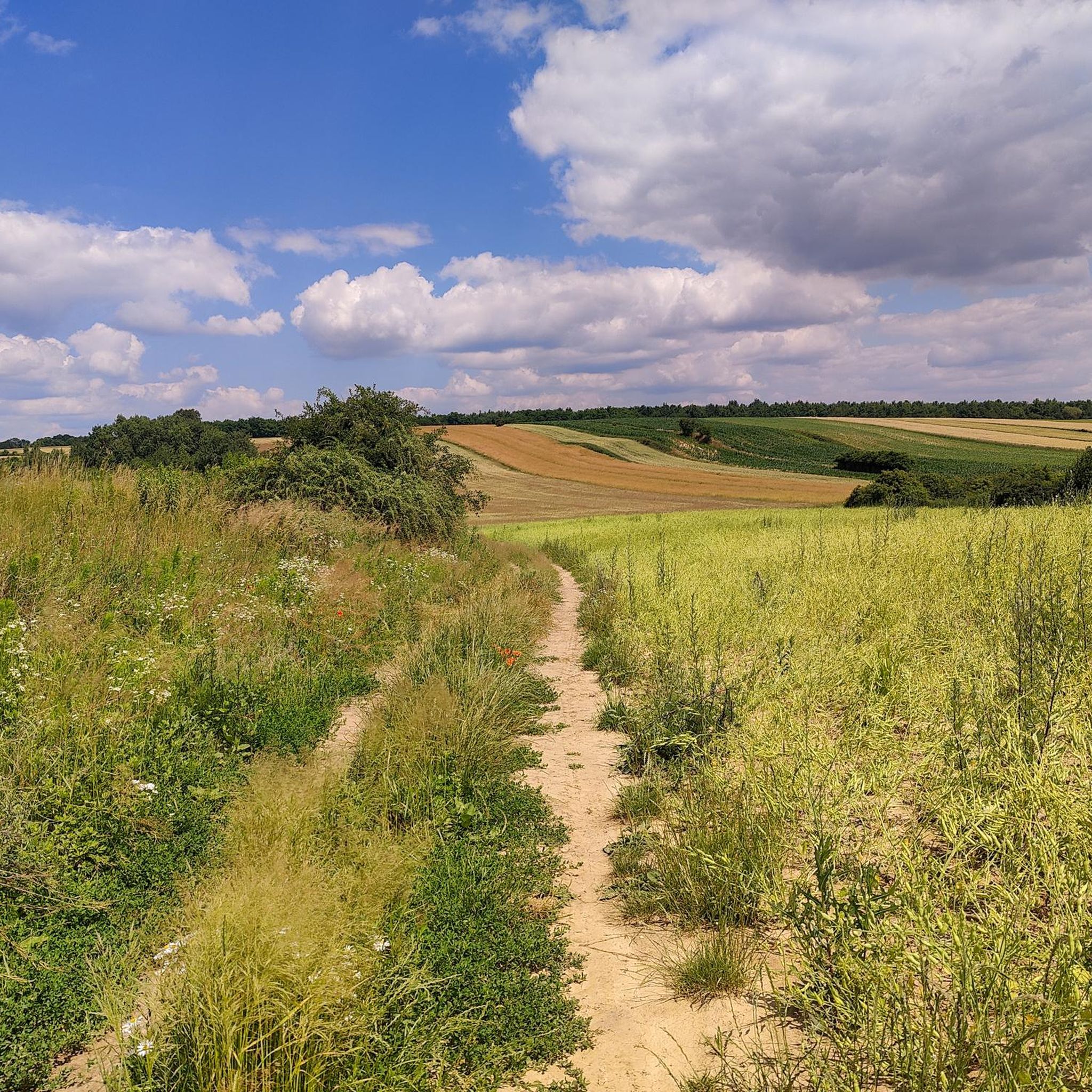
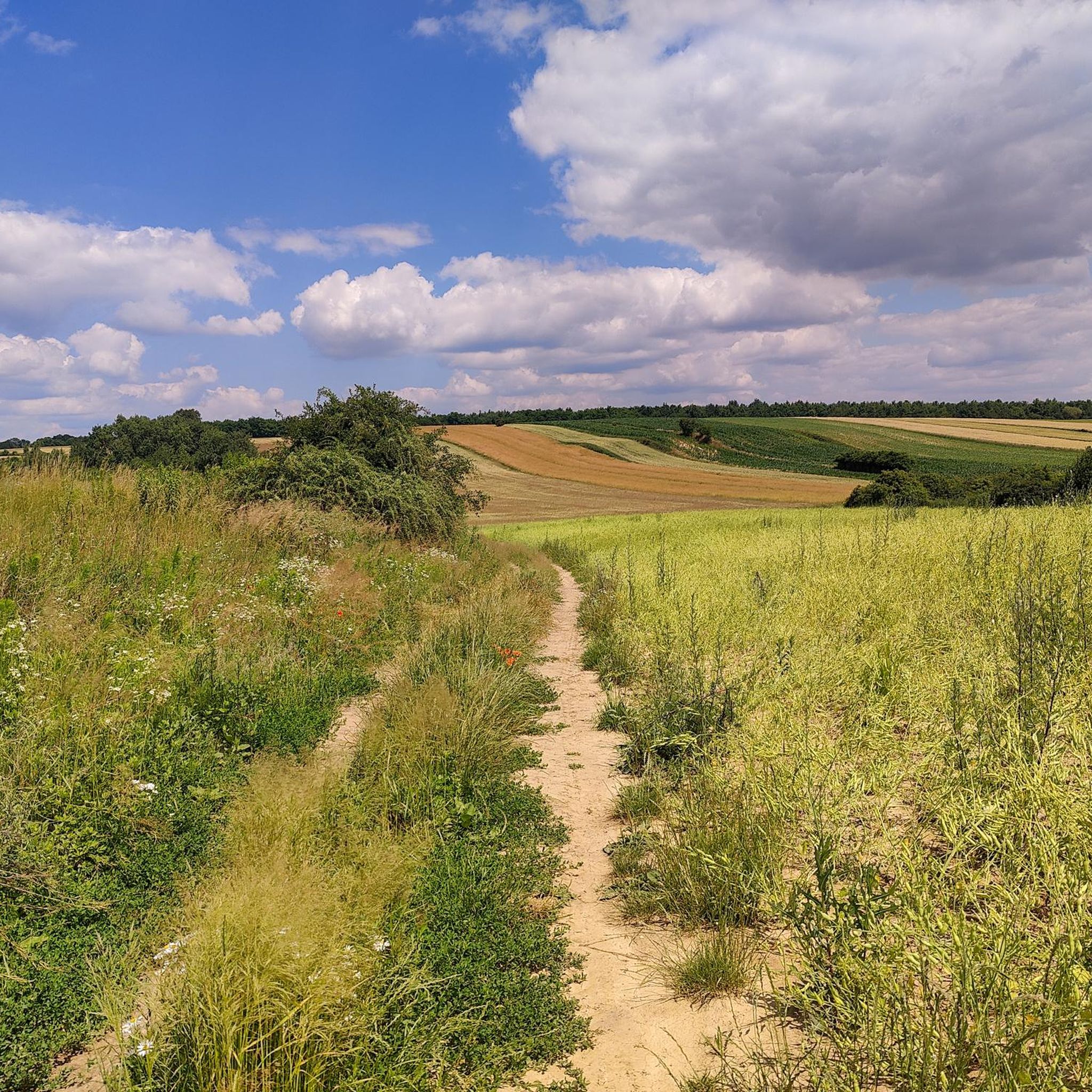
Tips from the Community

An invitation to a journey through time. In the heart of picturesque Ponidzie, on the loess hill of Garb Wodzisławski, stands the Stradów Stronghold, one of Poland's most important archaeological monuments. This monumental defensive complex, dating from the 8th to 11th centuries, is not only a testament to the might of the Vistulan tribe, but also a place that captivates with its history and breathtaking landscapes. Walking along the castle's mighty ramparts, you can almost hear the echoes of bygone days, when the stronghold was bustling with life, and its inhabitants traded, built, and defended their lands. Visit Stradów and discover secrets dating back over 1,200 years!
1
0
In the 8th century – 500 years before most castles were built in Europe – there was a mighty wooden castle with a high moat here. The height of the moat is still impressive today. The walk is worthwhile because the entire area has recently been developed for tourism. There is a parking lot, a tourist office, a very beautiful thatched shelter, and a newly constructed hiking trail around the moat with two staircases that also provide access to the interior.
1
0

Absolutely unmissable not only in Ponidzie, but in the whole of Poland: it is the oldest preserved hillfort in the whole country. According to archaeologists, this hillfort belonged to the Vistulan tribe, perhaps even in the 8th century. You can see the ramparts and even the moat here - of course, today covered with grass. It's worth it! In addition, from the top there are beautiful views of the Ponidzie valleys.
2
0

The Wiślica stronghold, currently known as "Na Łąkach", was built at the earliest around the second half of the 10th century. The nature of the fortifications' construction would indicate that its construction was related to Czech influences and the period of Czech rule in Lesser Poland, although it is also possible that its foundation was carried out by the Piast dynasty at the turn of the 10th and 11th centuries, but the construction was carried out according to the building traditions known in the region. Since there was another, slightly older stronghold in Wiślica, in the area of which later developed monumental palace and sacral buildings, it is possible that the seat "Na Łąkach" was associated exclusively with a military function. Alternatively, the stronghold "Na Łąkach" was built after the destruction of the older stronghold and both establishments did not initially function at the same time. In the 11th century, in addition to the stronghold "Na Łąkach", at least three nearby settlements developed in Wiślica, one of which was located on the site of an older stronghold that was destroyed at that time. At the end of the 11th century or at the beginning of the 12th century, the stronghold "Na Łąkach" was also burned down. Its fall may have occurred in 1135, during the invasion of the Ruthenians and Cumans, associated with the policy of supporting the pretender to the Hungarian throne, Boris Kolomanović, by the Polish prince. Boris was probably settled in the stronghold of Wiślica at that time, so when Krzywousty stopped supporting him, he could take revenge by handing him over to the allied Ruthenians, led by Władymirka, son of Włodar, the prince of Przemyśl and Galicia. After rebuilding from the destruction, Bolesław Krzywousty did not restore the rank of Wiślica, which initially, as one of the less significant centers, became part of the senior district.
1
0

Beautiful view of the estuary and Opatowiec. Access road from WTR sometimes very muddy.
0
0

The fortified settlement is just outside the city
0
0
It's a walk up a hill, but it's worth it because it's a charming place - beautiful views
0
0

Well-kept place. Unfortunately, the ferry has recently been closed down.
0
0
Frequently Asked Questions
What unique natural features can I explore in Gmina Czarnocin?
Gmina Czarnocin, often called 'Silesian Switzerland,' offers a diverse landscape within the Góra Świętej Anny Landscape Park. You can explore extensive beech forests, picturesque streams, and unique geological formations. The region is particularly known for its well-preserved profiles of middle Muschelkalk, sandstones, carboniferous pudding stones, and volcanic basalt, which is the easternmost occurrence of basalt in Europe. You can also visit the Confluence of the Dunajec and Vistula Rivers, a significant natural landmark.
Are there any significant nature reserves to visit in Gmina Czarnocin?
Yes, within the Góra Świętej Anny Landscape Park, you can find two notable nature reserves. Boże Oko (God's Eye) protects ancient beech forest communities, with some trees reaching 150-170 years old, and is home to protected plant species like the broad-leaved helleborine. The Grafik Nature Reserve also preserves over a century-old natural beech forest, characterized by incised valleys, gorges, and karst sinkholes.
What historical sites are integrated with the natural monuments in Gmina Czarnocin?
The region blends natural beauty with rich history. You can visit the Stradów Hillfort, an ancient defensive complex dating from the 8th to 11th centuries, offering insights into the Vistulan tribe and panoramic views. Another historical natural monument is the Medieval Stronghold in Wiślica, an earth formation that is the remains of a 10th-century fortification. Additionally, The mouth of the Dunajec River into the Vistula and the Piłsudski Monument combines a natural river confluence with a historical monument commemorating Piłsudski's legions.
Are there family-friendly natural monuments in the area?
Absolutely. The Confluence of the Dunajec and Vistula Rivers is considered family-friendly, offering views of the meeting point of two rivers. The Nida River at Chroberz is also a family-friendly natural monument, accessible via an asphalt road and serving as a point on the Nida canoeing route, perfect for rest and observation. The Góra Świętej Anny Landscape Park itself provides many opportunities for family walks and exploration in a natural setting.
What outdoor activities can I do near these natural monuments?
The region around Gmina Czarnocin offers various outdoor activities, particularly cycling. You can find numerous routes for both touring bicycles and road cycling. For example, there are routes like the 'Cyclist Shelter Koszyczek – View of the Pumpkin Fields loop from Wiślica' for touring bikes, and 'Pedestrian Bridge – Scenic Section Through Fields loop from Kazimierza Wielka' for road cycling. You can explore more options on the Cycling around gmina Czarnocin and Road Cycling Routes around gmina Czarnocin guide pages.
What is the best time to visit the natural monuments in Gmina Czarnocin?
The Góra Świętej Anny Landscape Park and its natural monuments are beautiful throughout the warmer months, from spring to autumn. Spring offers lush greenery and blooming flora, while autumn provides stunning foliage colors in the extensive beech forests. Summer is ideal for longer outdoor activities. Always check local weather forecasts before your visit.
Are there good viewpoints to enjoy the landscape?
Yes, several natural monuments double as excellent viewpoints. The Confluence of the Dunajec and Vistula Rivers offers scenic views of the river meeting point and the surrounding landscape. The Stradów Hillfort provides beautiful panoramic views of the Ponidzie valleys. Additionally, the Nida River at Chroberz is a pleasant spot for observation.
What kind of flora and fauna can I expect to see?
The natural monuments in Gmina Czarnocin, especially within the Góra Świętej Anny Landscape Park and its reserves like Boże Oko and Grafik, are rich in biodiversity. You'll find extensive beech forests, some with trees over a century old. Protected plant species include the broad-leaved helleborine and lesser butterfly orchid. The diverse ecosystems support various local fauna, making it an interesting area for nature observation.
What do visitors enjoy most about the natural monuments in Gmina Czarnocin?
Visitors particularly appreciate the blend of natural beauty and historical significance. The serene atmosphere of ancient beech forests, the unique geological formations, and the historical narratives associated with sites like the Stradów Hillfort are frequently highlighted. The opportunity for peaceful walks, cycling, and observing the confluence of rivers also receives positive feedback.
Is the Góra Świętej Anny Landscape Park worth visiting?
Yes, the Góra Świętej Anny Landscape Park is a focal point of natural beauty in the region and definitely worth visiting. It spans over 50 square kilometers and is renowned for its wild natural environment, extensive beech forests, and unique geological formations, including volcanic basalt. It offers a geological path for educational experiences and is rich in flora and fauna, making it ideal for nature enthusiasts and hikers. You can learn more about its significance on Wikipedia.
Are there any circular walks or trails around the natural monuments?
While specific circular walks for individual natural monuments are not detailed, the Góra Świętej Anny Landscape Park, which encompasses many of these sites, is well-suited for hiking and walking. The park features a geological path that guides visitors through interesting sites. Many of the cycling routes mentioned, such as the 'Bike loop from Wiślica,' also offer opportunities for exploring the natural surroundings in a circular fashion.
Most popular routes around gmina Czarnocin
Most popular attractions around gmina Czarnocin

Get inspired with the komoot mobile app


