Top 13 Natural Monuments around gmina gmina Busko-Zdrój
Best natural monuments around gmina gmina Busko-Zdrój offer diverse geological formations, unique trees, and protected ecosystems. This region in Poland features gypsum karst phenomena, including outcrops, gullies, and sinkholes, alongside significant arboreal specimens. The landscape provides opportunities to explore natural heritage and varied terrain.
Best natural monuments around gmina gmina Busko-Zdrój
- The most popular natural monuments is Krocząca Sosna (The Walking Pine), a natural monument known for its exposed root system, giving it the appearance of standing on stilts.…
Last updated: June 29, 2026
Medieval Stronghold in Wiślica
Highlight • Historical Site
Translated by Google •
Tip by

Krocząca Sosna (The Walking Pine)
Highlight • Natural Monument
Translated by Google •
Tip by

Sign up now to discover places like this
Get recommendations on the best single tracks, peaks, & plenty of other exciting outdoor places.
Sign up for free
Obelisk of the Battle of Grochowiska
Highlight • Monument
Translated by Google •
Tip by

Nida River at Chroberz
Highlight • River
Translated by Google •
Tip by
Krzyżanowice Nature Reserve
Highlight • Natural Monument
Translated by Google •
Tip by

Sign up for free to discover even more natural monuments around gmina gmina Busko-Zdrój.
Sign up for free
Already have an account?
Start today with a free account
Your next adventure awaits.
Login or Signup
Tips from the Community

Other name: Pine on stilts
0
0

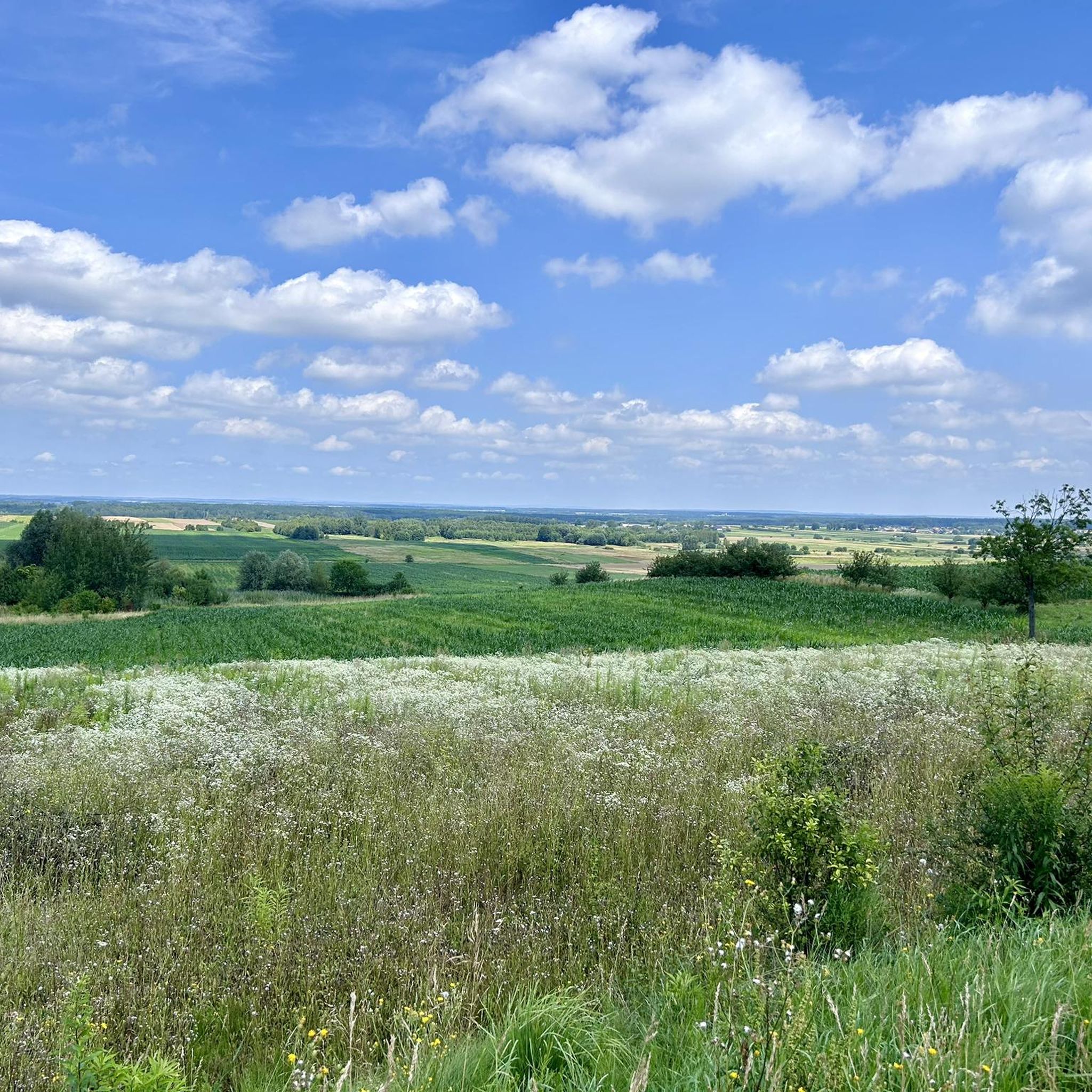
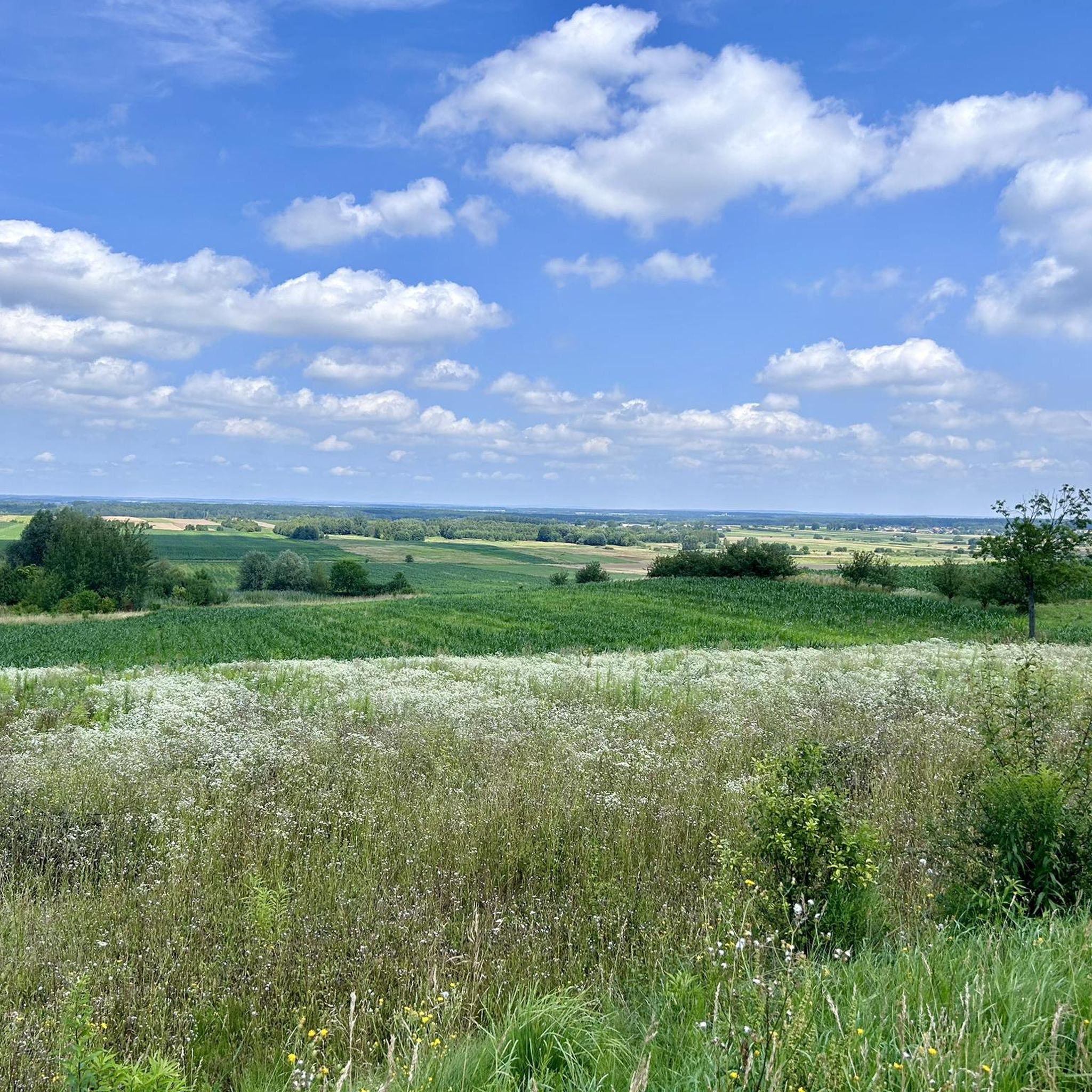
A beautiful fauna reserve right behind the village of Zakościele. Steppe grasslands, unusual in Poland, are protected here. Karst phenomena have left ravines and numerous caves and sinkholes here. There are supposedly 195 species of plants here! A beautiful, quiet and peaceful place. Only occasionally a cyclist passes by.
0
0

The Wiślica stronghold, currently known as "Na Łąkach", was built at the earliest around the second half of the 10th century. The nature of the fortifications' construction would indicate that its construction was related to Czech influences and the period of Czech rule in Lesser Poland, although it is also possible that its foundation was carried out by the Piast dynasty at the turn of the 10th and 11th centuries, but the construction was carried out according to the building traditions known in the region. Since there was another, slightly older stronghold in Wiślica, in the area of which later developed monumental palace and sacral buildings, it is possible that the seat "Na Łąkach" was associated exclusively with a military function. Alternatively, the stronghold "Na Łąkach" was built after the destruction of the older stronghold and both establishments did not initially function at the same time. In the 11th century, in addition to the stronghold "Na Łąkach", at least three nearby settlements developed in Wiślica, one of which was located on the site of an older stronghold that was destroyed at that time. At the end of the 11th century or at the beginning of the 12th century, the stronghold "Na Łąkach" was also burned down. Its fall may have occurred in 1135, during the invasion of the Ruthenians and Cumans, associated with the policy of supporting the pretender to the Hungarian throne, Boris Kolomanović, by the Polish prince. Boris was probably settled in the stronghold of Wiślica at that time, so when Krzywousty stopped supporting him, he could take revenge by handing him over to the allied Ruthenians, led by Władymirka, son of Włodar, the prince of Przemyśl and Galicia. After rebuilding from the destruction, Bolesław Krzywousty did not restore the rank of Wiślica, which initially, as one of the less significant centers, became part of the senior district.
1
0

Krzyżanowice Nature Reserve - a fauna reserve located in the Nadnidziański Landscape Park in the Pińczów commune.
0
0

Pine - unique. Access from both sides from the road or with an "adventure" through the forest ;-)
0
0
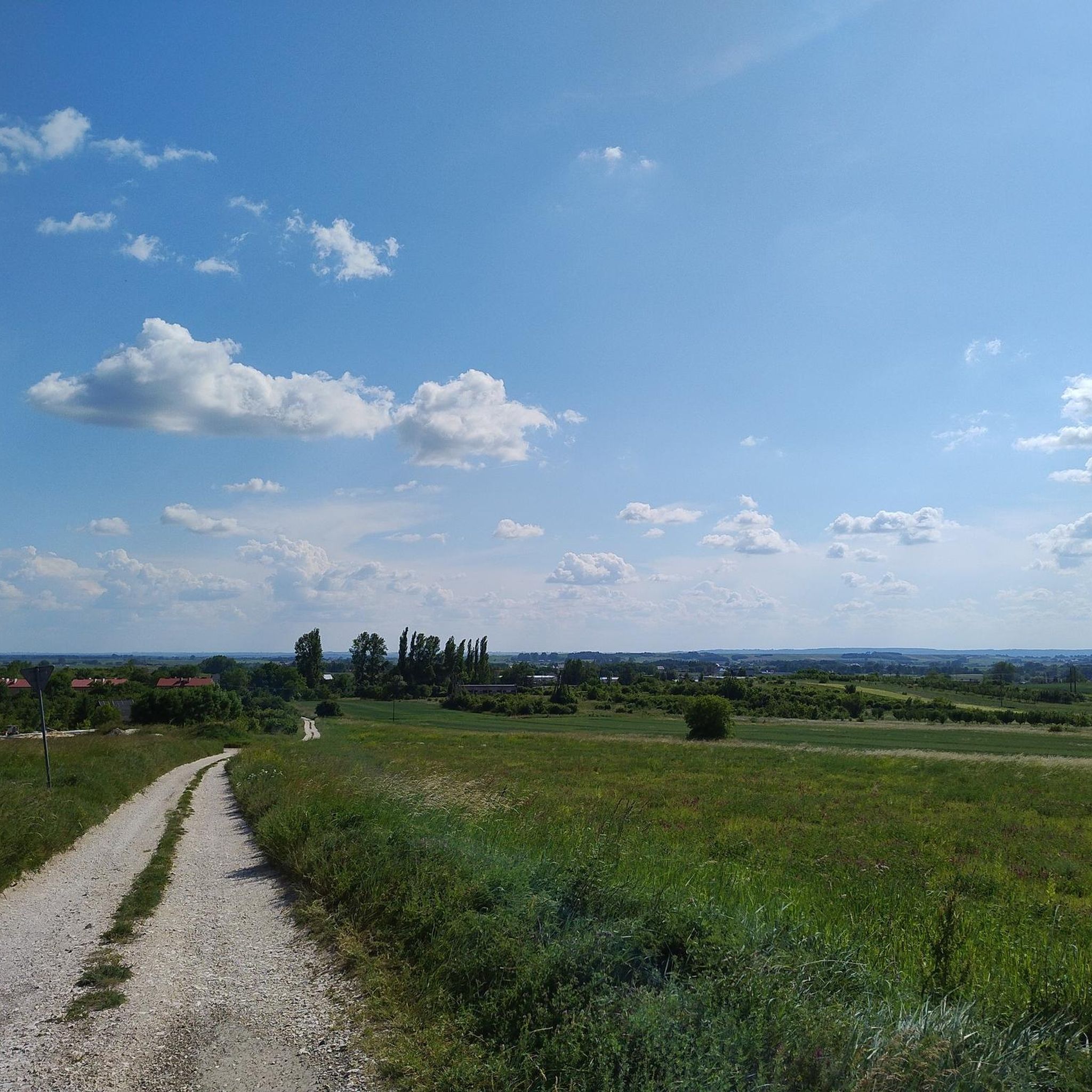
The fortified settlement is just outside the city
0
0
An obelisk commemorating one of the largest battles of the January Uprising - the Battle of Grochowiska. Right next to it there is a tourist shelter and a place for a bonfire
0
0

The walking pine, also known as the pine on stilts, is a unique natural feature of the Nida Valley. The sign says it is a Scots pine. Hmm, despite its name, it is not common, on the contrary. The trunk of this pine tree is 3 meters above the ground. So where is the commonness?
0
0
Frequently Asked Questions
What unique geological features can I explore in the natural monuments around gmina Busko-Zdrój?
The region is rich in gypsum karst phenomena. You can observe impressive gypsum rock formations and 'swallow tails' crystals at the 'Zimne Wody' (Cold Waters) Geological Monument. The Krzyżanowice Nature Reserve and Karabosy Rock-Steppe Reserve also feature gypsum outcrops, gullies, sinkholes, and even caves with underground lakes, showcasing the area's distinct geological history.
Are there any historically significant natural monuments in the area?
Yes, the 'Ryszard' Oak in the old Spa Park of Busko-Zdrój is a natural monument with historical value. Planted in 1880, it was named in memory of Ryszard Kaczorowski, the last President of Poland in exile. Additionally, the Krocząca Sosna (The Walking Pine) in Wełecz stands in a National Memorial Site, adding to its historical context.
What are some of the most visually striking natural monuments to visit?
The Krocząca Sosna (The Walking Pine) in Wełecz is particularly striking, known for its exposed root system that makes it appear to stand on stilts. The 'Zimne Wody' Geological Monument also offers captivating views with its unique gypsum formations and cold water springs, along with a viewing tower for panoramic vistas.
Are there family-friendly natural monuments or activities suitable for children?
Many natural monuments in the area are suitable for families. The 'Zimne Wody' Geological Monument has been developed with attractions like a viewing tower and shelters, offering an engaging experience. The Nida River at Chroberz is also considered family-friendly, providing a pleasant spot to enjoy the natural environment.
What kind of plant life and ecosystems can I expect to see?
The 'Zimne Wody' Geological Monument is home to xerothermic and psammophilous vegetation, adapted to dry, sandy conditions. The Krzyżanowice Nature Reserve protects unique steppe grasslands, which are unusual in Poland, and boasts a rich diversity of plant species, with supposedly 195 different types.
What outdoor activities can I do near these natural monuments?
The region offers various outdoor activities. You can explore road cycling routes, mountain biking trails, and running trails. For instance, there are road cycling routes like the 'Remarkable Pine loop' and MTB trails such as the 'Stilt Pine loop' that pass near some natural monuments. You can find more details on these activities in the Road Cycling Routes around gmina gmina Busko-Zdrój, MTB Trails around gmina gmina Busko-Zdrój, and Running Trails around gmina gmina Busko-Zdrój guides.
Are there any nature reserves besides the main natural monuments?
Yes, in addition to the specific natural monuments, the region includes several nature reserves. These include the Krzyżanowice Nature Reserve, known for its steppe grasslands and karst phenomena, as well as the Karabosy Rock-Steppe Reserve, Owczary Reserve, Góry Wschodnie Reserve, and Przęślin Reserve, all contributing to the area's protected ecological sites.
What is the best time of year to visit the natural monuments?
While specific seasonal tips are not available for all sites, spring and autumn generally offer pleasant weather for exploring the natural monuments, with comfortable temperatures and beautiful foliage. Summer can also be a good time, especially for water-related activities on the Nida River, but be prepared for warmer temperatures.
Can I find viewpoints with scenic vistas among the natural monuments?
Yes, the 'Zimne Wody' Geological Monument features a viewing tower that offers picturesque views of the Borzykowska Basin and the Szaniecki Plateau. On clear days, you might even catch a glimpse of the Świętokrzyskie Mountains from this location. The Nida River at Chroberz also provides a scenic spot to enjoy the surrounding natural environment.
What should I wear or bring when visiting these natural monuments?
Given the varied terrain, including potential steep ascents at 'Zimne Wody' and trails in nature reserves, it's advisable to wear comfortable walking shoes or hiking boots. Depending on the season, layers of clothing are recommended. For longer explorations, consider bringing water, snacks, and sun protection.
Are there any historical sites near the natural monuments?
Yes, the Medieval Stronghold in Wiślica is an earth formation that is the remains of a stronghold dating back to the 10th or 11th century. Additionally, the Obelisk of the Battle of Grochowiska commemorates a significant battle of the January Uprising, offering a historical perspective near some of the natural attractions.
Most popular routes around gmina gmina Busko-Zdrój
Most popular attractions around gmina gmina Busko-Zdrój

Get inspired with the komoot mobile app


Explore more
Extend your search for the best caves by checking out these guides of the top ones around gmina gmina Busko-Zdrój:
