Top 18 Natural Monuments around Zawiercie
Best natural monuments around Zawiercie showcase the region's distinctive limestone landscapes within the Polish Jura. These formations offer unique geological features and historical intrigue, making them destinations for nature enthusiasts. The area features 18 natural monuments, providing opportunities for outdoor activities like hiking and exploring ancient sites.
Best natural monuments around Zawiercie
- The most popular natural monuments is Okiennik Wielki, a natural monument that is a group of limestone rocks featuring a prominent rock opening measuring approximately 7 by 5 meters. Historically, traces suggest a fortified wooden settlement existed at its foot around the 12th to 13th centuries.
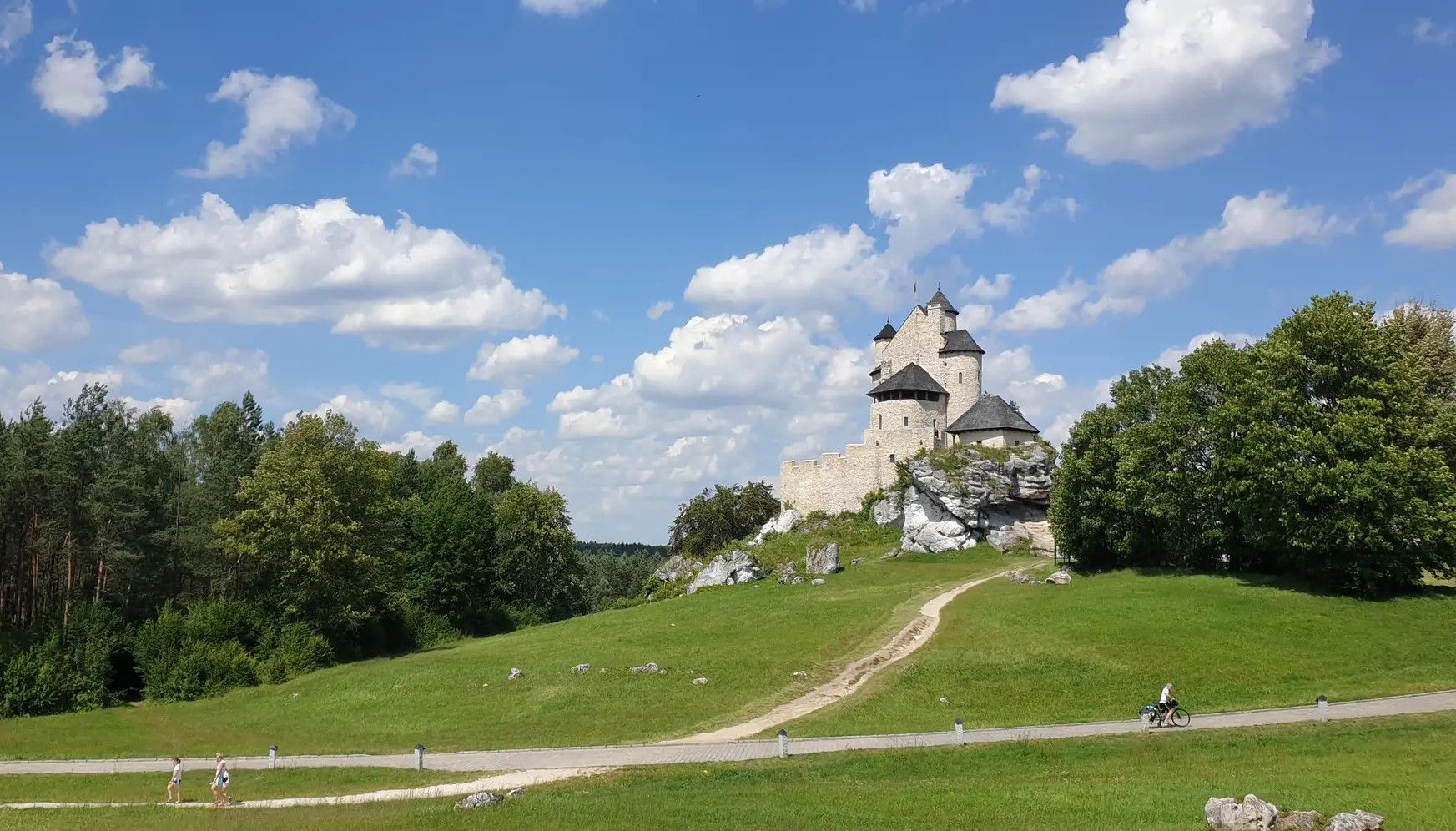
- Another must-see spot is Mirów Castle, a castle and historical site resembling a boat in its shape, and one of the oldest defensive structures in the Kraków-Częstochowa Upland. Built in the middle of the 14th century, it offers views of the surrounding landscape.
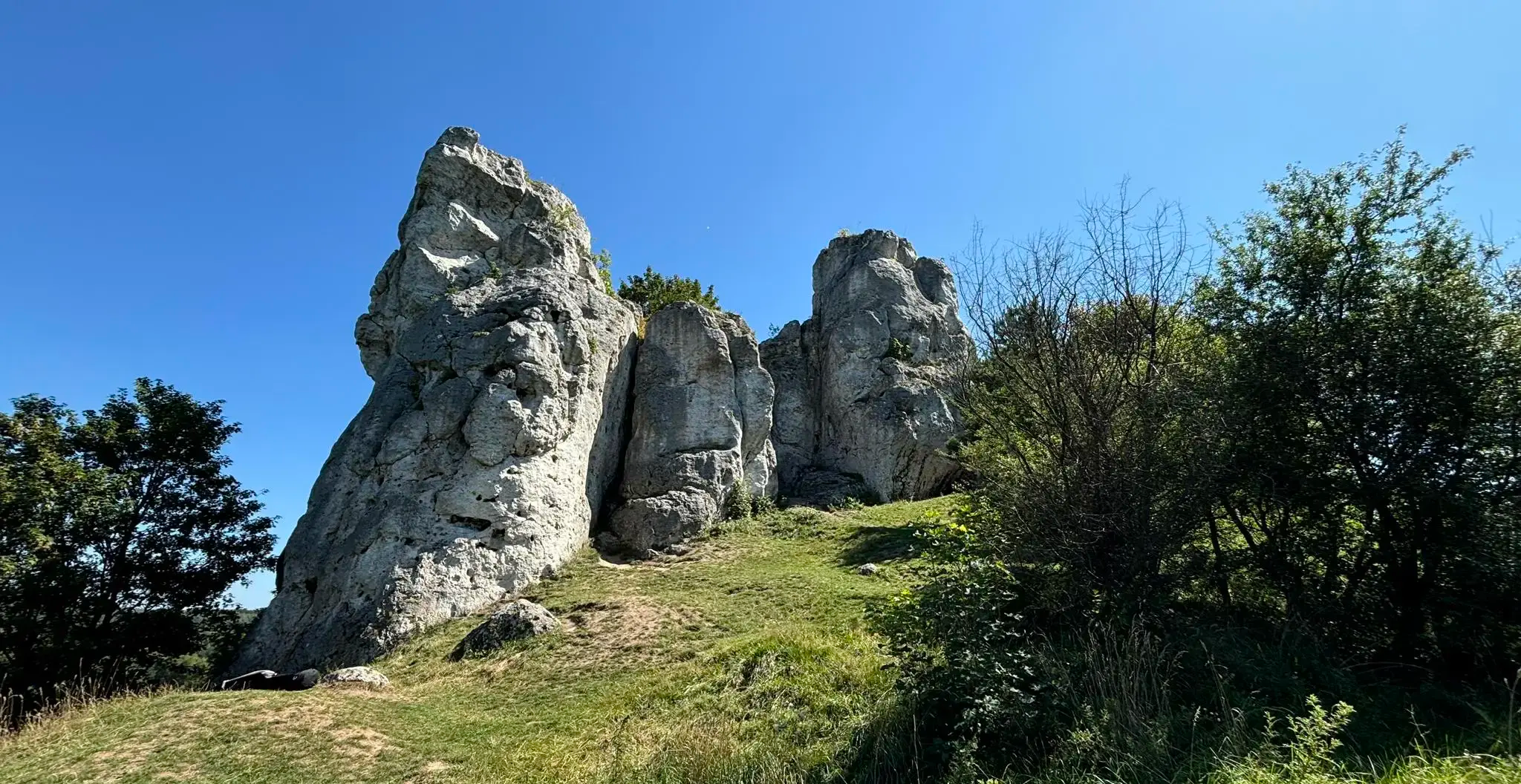
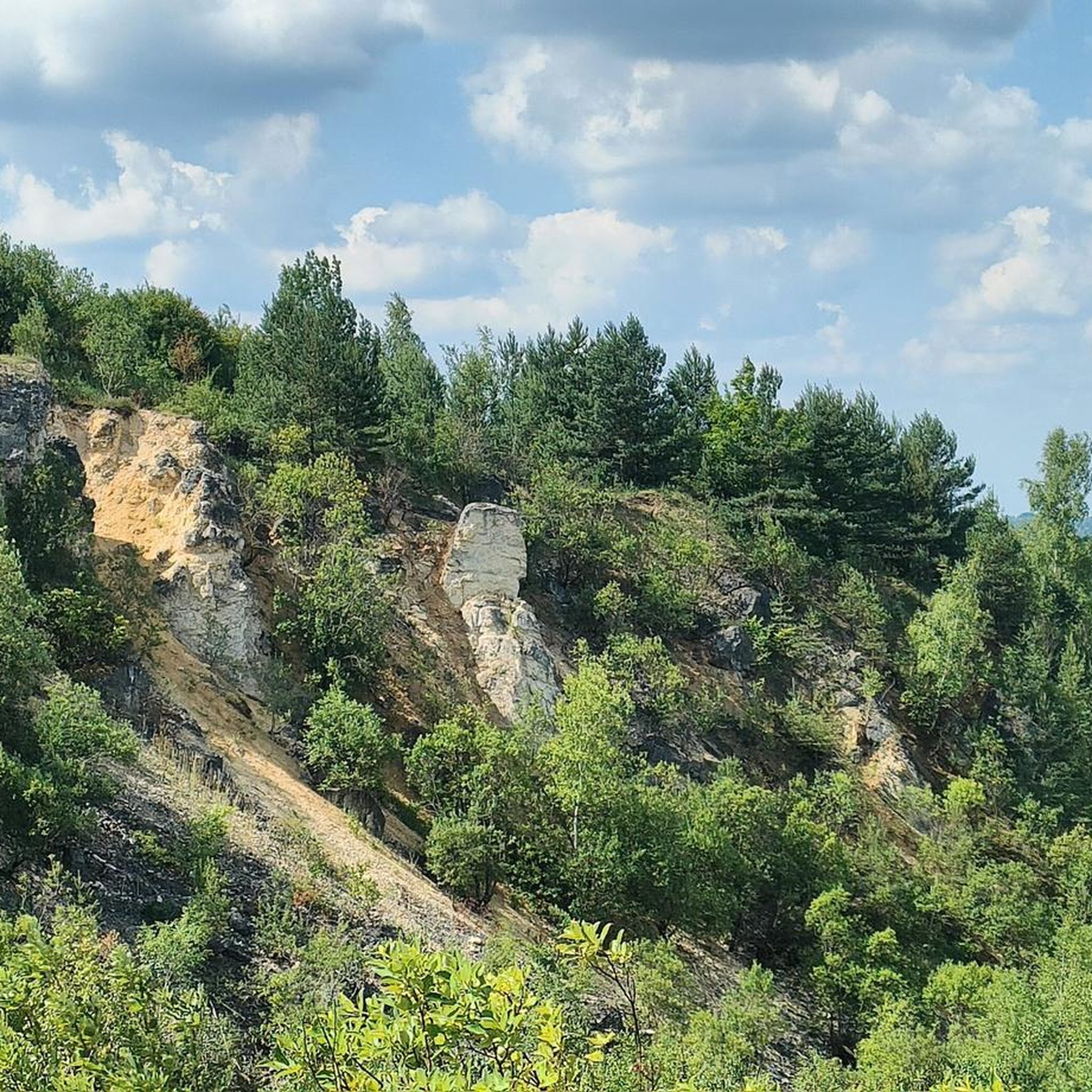
- Visitors also love Zborów Mountain, an extremely picturesque peak known for its unusual rock formations. It features a viewpoint with a panorama of forests and castles, and includes the Głęboka Cave nearby.
- Zawiercie is known for its limestone rock formations, historical castles, and caves. The area offers a variety of natural monuments to see and explore, including summits and nature reserves.
- The natural monuments around Zawiercie are appreciated by the komoot community, with more than 300 photos shared and over 260 upvotes for the highlights.
Last updated: June 29, 2026
Ogrodzieniec Castle
Highlight • Castle
Translated by Google •
Tip by

Okiennik Wielki
Highlight • Natural Monument
According to historians, around the 12th – 13th centuries, at the foot of the rocks, there was a fortified town with a wooden structure; traces of the walls were still visible in the 19th century. The rock with the rock window was a keep, the walls were reinforced with a rampart. The entrance led through a natural chimney in the rock. There is a carved hole in the rock window, which was probably used to fasten the structure made of wooden logs that covers the rock window.
In a natural cave below the window, archaeologists have found flint tools dating back about 60,000 years, i.e. the Middle Palaeolithic. They testify that the cave was then inhabited by prehistoric people. Archaeologists included them in the Mikocko-Prądnik culture.
pl.wikipedia.org/wiki/Okiennik_Wielki
Translated by Google •
Tip by

Sign up now to discover places like this
Get recommendations on the best single tracks, peaks, & plenty of other exciting outdoor places.
Sign up for free
Mirów Castle
Highlight • Castle
Read more at: satkurier.pl/news/202757/krolewskie-zamki-w-bobolicach-i-mirowie.html/2
Translated by Google •
Tip by

Sanctuary of Our Lady of Skałka
Highlight • Religious Site
Translated by Google •
Tip by

Zborów Mountain
Highlight • Summit
Translated by Google •
Tip by

Sign up for free to discover even more natural monuments around Zawiercie.
Sign up for free
Already have an account?
Start today with a free account
Your next adventure awaits.
Login or Signup
Popular around Zawiercie
Trail of the Eagle's Nests — Magnificent Castles of Kazimierz Wielki and beautiful Grottos and Rocks
The Eagle's Nests Trail – Gravel Treasure of the Polish Jurassic Highlands
Picturesque Jura with a hint of adrenaline - Jurassic Fortresses Trail
Cycling around Zawiercie
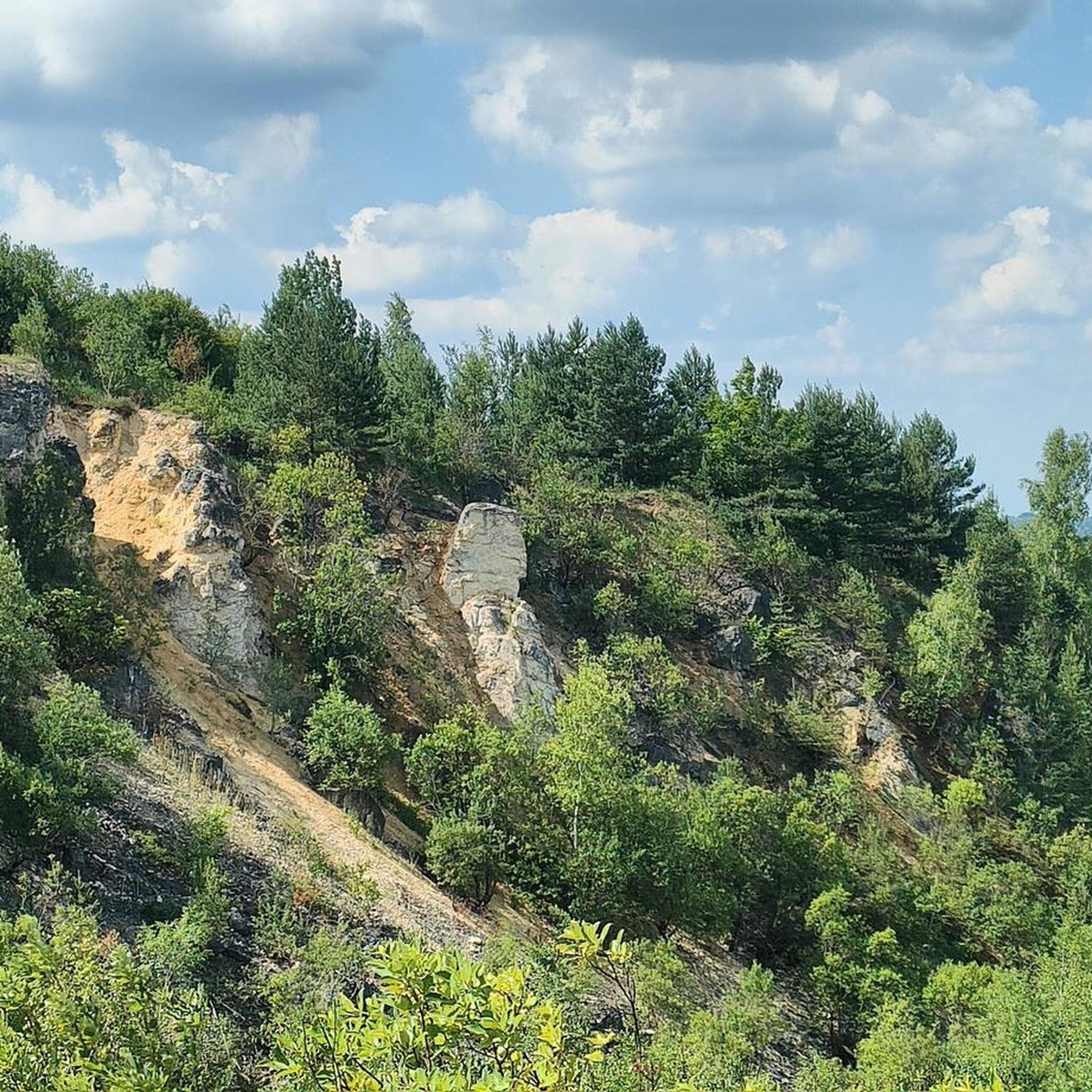
Road Cycling Routes around Zawiercie
MTB Trails around Zawiercie
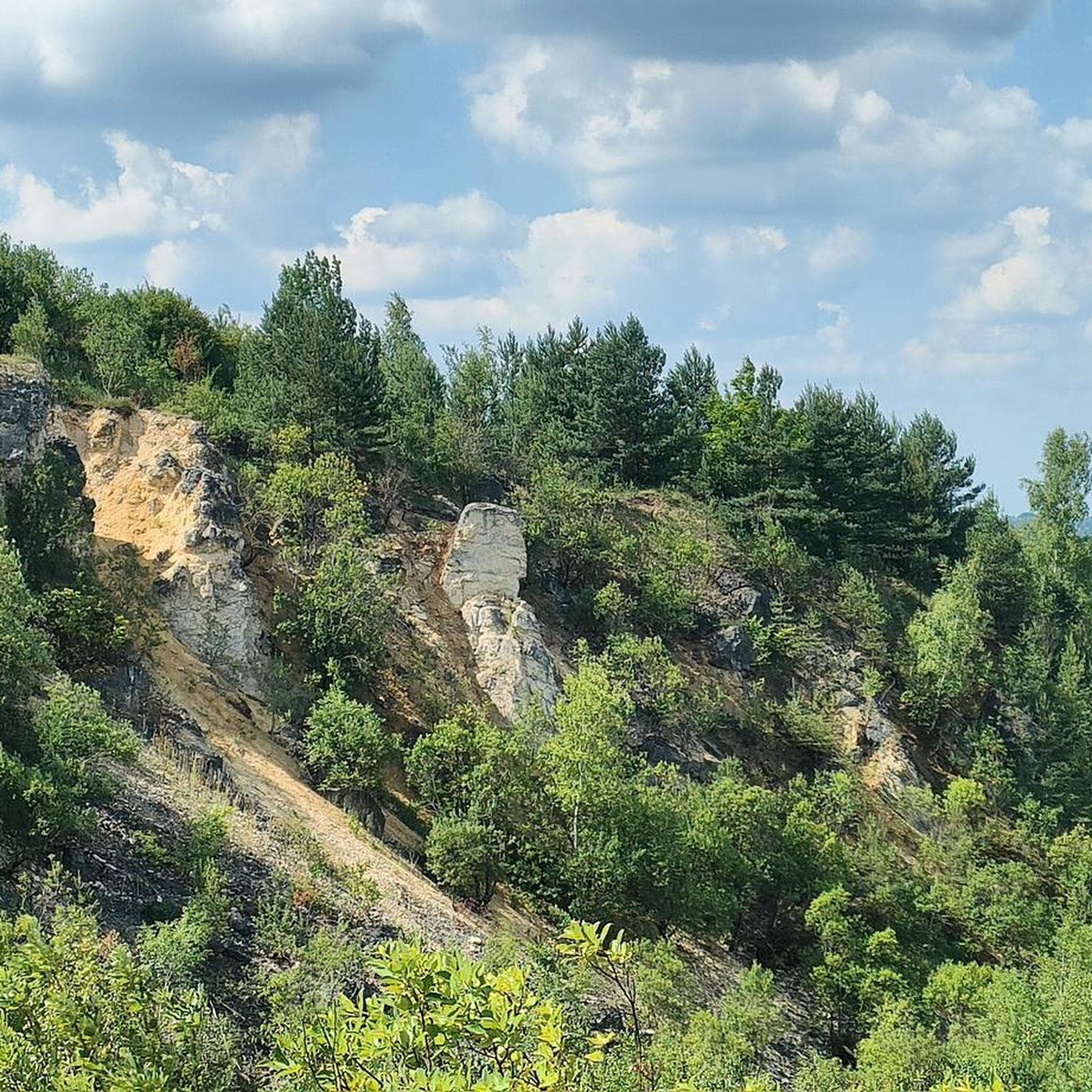
Hiking around Zawiercie

Gravel biking around Zawiercie
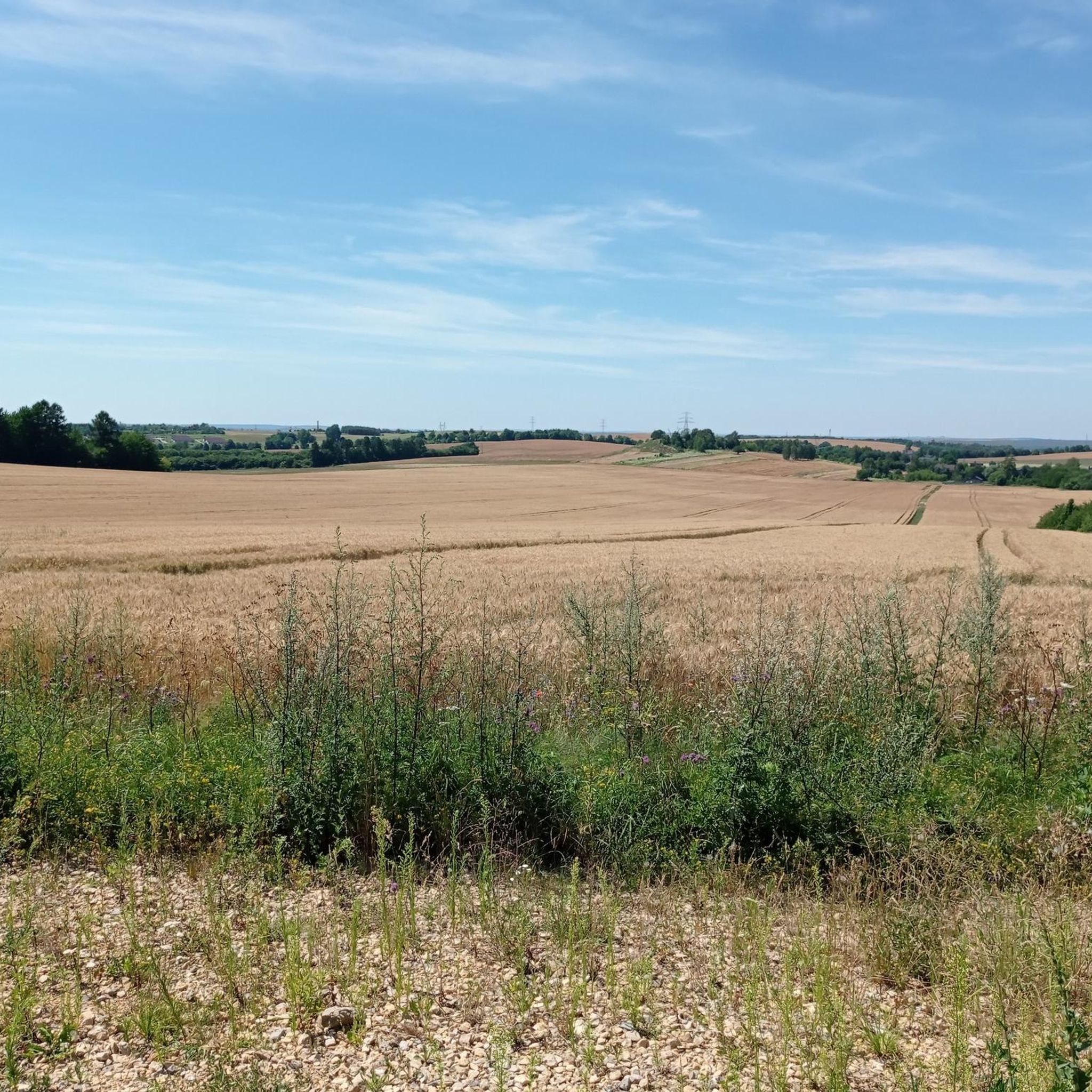
Running Trails around Zawiercie
Other adventures around Zawiercie


Tips from the Community

It's getting done, it will be done, it will be nice
0
0


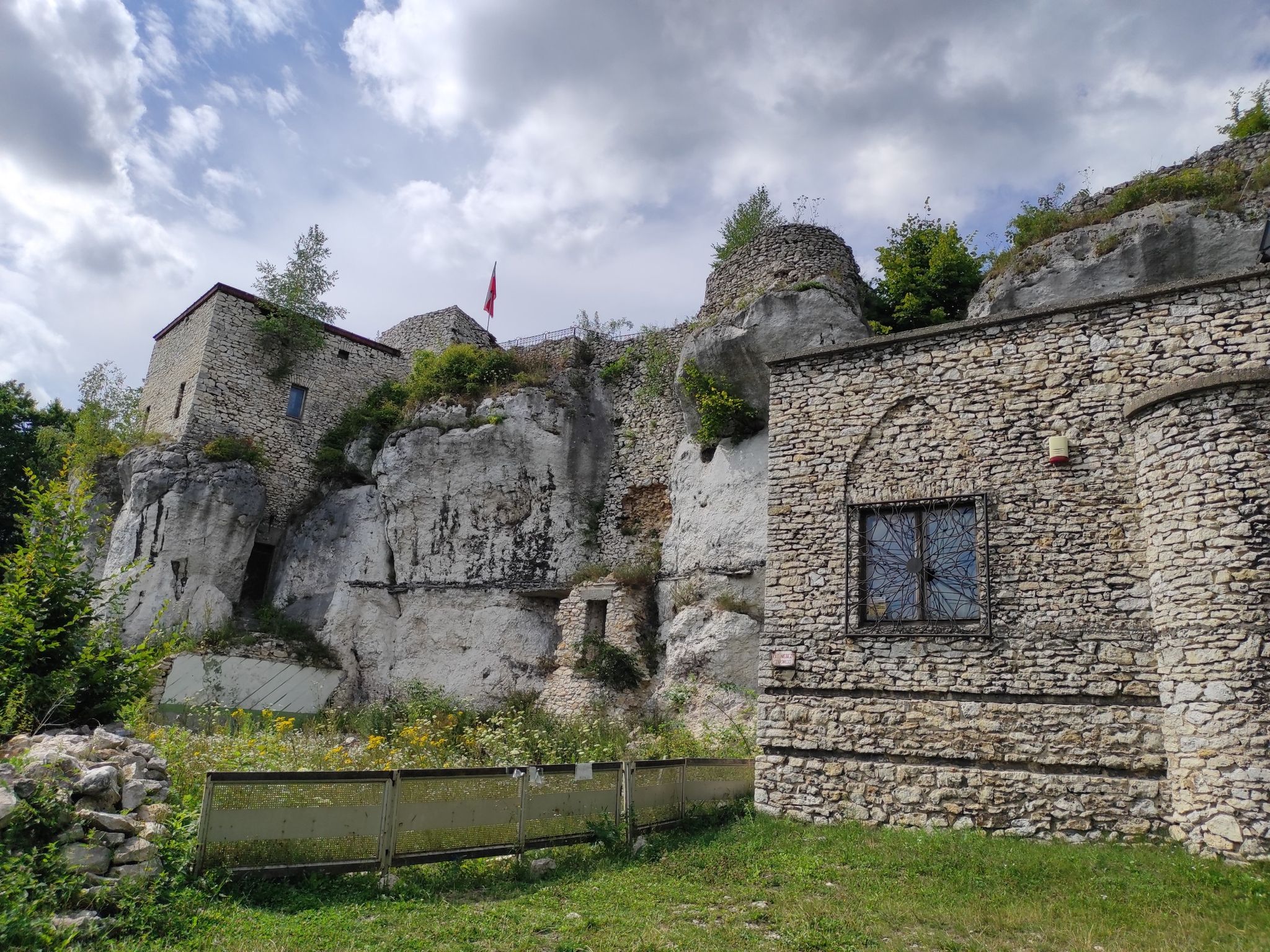
Ogrodzieniec Castle in Podzamcze is the largest and one of the best-preserved strongholds on the Trail of the Eagles' Nests and the Trail of Jurassic Strongholds. The impressive ruins tower over the area and offer numerous viewing terraces and chambers, towers and courtyards open to the public. It is a popular tourist attraction with catering facilities and bicycle-friendly infrastructure. In the season, it is worth visiting the castle first thing in the morning or late in the afternoon to avoid the crowds. Access by bike is possible via the asphalt road from the Podzamcze side or via a more off-road option through the Towarne Mountains.
3
1
Ogrodzieniec Castle in Podzamcze is the largest and one of the best-preserved strongholds on the Trail of the Eagles' Nests. The impressive ruins tower over the area and offer numerous viewing terraces and chambers, towers and courtyards open to the public. It is a popular tourist attraction with catering facilities and bicycle-friendly infrastructure. During the season, it is worth visiting the castle first thing in the morning or late in the afternoon to avoid the crowds. Access by bike is possible via the asphalt road from the Podzamcze side or via a more off-road option through the Towarne Mountains.
4
0

The origins of defensive architecture in Podzamcze date back to the time of Bolesław III Wrymouth, when a defensive stronghold was built on the rocky hill of Birów Mountain, manned by a guard force to protect the border against incursions from Czech princes. Instead of this structure, destroyed during King Łokietek's struggle for the throne of Kraków, Casimir the Great built a Gothic castle on Janowski Hill in the mid-14th century. Władysław Jagiełło gifted it to Włodek of Charbinowice, of the Sulima coat of arms, in 1386. The stronghold changed hands several times, ending up in the hands of the Boner family in the first half of the 16th century, among the wealthiest and most influential in Poland at the time. At the initiative of Seweryn Boner, the castle was rebuilt between 1530 and 1545 into a magnificent Renaissance-style structure. The ambitious owners modeled their plans on Wawel Castle, ultimately furnishing one of the most magnificent residences in the Polish-Lithuanian Commonwealth with great splendor. After the Boner family's male line died out, the castle changed hands again many times. Unfortunately, the building also fell victim to invasions and disasters, which caused increasing damage. In 1587, Ogrodzieniec Castle was captured by the forces of Archduke Maximilian, a pretender to the Polish throne. In 1655, during the Deluge, Swedish troops stationed there caused a fire that destroyed a significant portion of the castle. In 1702, the building fell victim to another fire, also started by Swedish troops, this time stationed there during the Great Northern War. From then on, the castle declined, as the costs of reconstruction exceeded the capabilities of subsequent owners. In the early 19th century, the last residents abandoned the building, and its walls were dismantled and used as building materials. Since the early 20th century, a number of initiatives have been undertaken to preserve the picturesque ruins. They are now open to the public, and mass events are held there. The ruins have served as film locations several times, including for Andrzej Wajda's "The Knight," "Janosik," and "Revenge," as well as Netflix's "The Witcher."
6
3
Góra Zborów is one of the most picturesque places in the Kraków-Częstochowa Upland. It is a limestone hill 462 m above sea level, known for its unusual rock formations that attract climbers and hiking enthusiasts. At the top there is a viewpoint from which there is a panorama of the surrounding forests and castles of the Trail of the Eagles' Nests. Nearby you can visit the Głęboka Cave, accessible with a guide. It is worth wearing comfortable shoes, because the terrain is rocky and steep in places.
1
0

Currently the area is fenced and ticketed. The castle is undergoing renovation work.
0
1

Frequently Asked Questions
What unique geological formations can I expect to see among Zawiercie's natural monuments?
The Zawiercie district, situated in the Polish Jura, is renowned for its distinctive limestone landscapes. You'll encounter impressive rock formations, including those at Okiennik Wielki, famous for its prominent 'window' – a rock opening measuring approximately 7 by 5 meters. Other notable formations include the Rzędkowickie Rocks, Kroczyckie Rocks (featuring Zborów Mountain), and Podlesickie Rocks, all contributing to the area's unique natural beauty.
Are there any natural monuments with notable viewpoints in the Zawiercie area?
Yes, several natural monuments offer excellent viewpoints. Zborów Mountain, for instance, provides a panoramic vista of the surrounding forests and the castles along the Trail of the Eagles' Nests. The bizarre rock formations around Ogrodzieniec Castle also offer unique perspectives of the landscape and the castle ruins integrated into the rocks.
What outdoor activities can I do near the natural monuments around Zawiercie?
The natural monuments around Zawiercie are excellent starting points for various outdoor activities. You can explore numerous hiking trails, with options ranging from moderate to difficult, such as the 'View of Bąkowiec Castle – Zborów Hill loop'. Cycling is also popular, with routes like the 'Okiennik Wielki – Winding Cycle Route loop'. For more detailed information and routes, you can check out the Running Trails around Zawiercie, Road Cycling Routes around Zawiercie, and Cycling around Zawiercie guides.
Are there specific hiking trails or routes recommended near these natural monuments?
Absolutely. For hikers, the area offers trails that incorporate natural monuments and historical sites. For example, a difficult running route, 'View of Bąkowiec Castle – Zborów Hill loop', covers 23.4 km and passes by significant landmarks. Many routes also feature the impressive rock formations of Zborów Mountain. You can find more options in the Running Trails around Zawiercie guide.
What is the best time of year to visit the natural monuments around Zawiercie?
The natural monuments around Zawiercie can be enjoyed throughout much of the year. Spring and autumn offer pleasant temperatures for hiking and exploring, with vibrant foliage or blooming nature. Summer is also popular, though it can be warmer. Winter hiking is possible, but some areas might require more surefootedness due to potentially slippery or rocky terrain.
Are there family-friendly natural monuments suitable for children?
Yes, several sites are suitable for families. Ogrodzieniec Castle, while a ruin, is quite well-preserved and offers an engaging experience for children with its spiral staircases and historical context. The Sanctuary of Our Lady of Skałka is another family-friendly historical and religious site, offering a peaceful visit.
Can I visit the natural monuments with my dog?
While specific regulations for each natural monument regarding dogs are not detailed, generally, many outdoor areas in Poland are dog-friendly, especially on leash. It's always advisable to keep dogs on a leash, especially in nature reserves or near historical sites, and to clean up after them. For specific trails, check local signage upon arrival.
Beyond the most popular, are there other significant natural monuments worth exploring?
Absolutely. While Okiennik Wielki and Zborów Mountain are highlights, the Zawiercie district offers more. Consider exploring the Rzędkowickie Rocks, which include the 'Rzędkowicki Okiennik' with its own long rock window, or the Kroczyckie Rocks. Additionally, Mirów Castle, a historical site built into the landscape, is often considered a natural monument due to its integration with the rock formations.
Are there any caves to explore near the natural monuments?
Yes, the region is known for its caves. Near Zborów Mountain, you can visit the Głęboka Cave, which is accessible with a guide. The area around Okiennik Wielki also has natural caves where archaeological findings suggest prehistoric human habitation.
What historical significance do some of these natural monuments hold?
Many natural monuments in Zawiercie are intertwined with history. Okiennik Wielki, for example, shows traces of a fortified wooden settlement from the 12th-13th centuries, with the rock window possibly serving as a keep. Mirów Castle, one of the oldest defensive structures in the Kraków-Częstochowa Upland, also has a rich history dating back to the 14th century.
Are there any easily accessible natural monuments for a less strenuous visit?
While many sites involve some walking on rocky terrain, the general areas around the castles like Ogrodzieniec Castle and Mirów Castle offer relatively easier access to appreciate the natural surroundings and the structures themselves. The Sanctuary of Our Lady of Skałka is also a more accessible site for a tranquil visit.
Most popular routes around Zawiercie
Most popular attractions around Zawiercie

Get inspired with the komoot mobile app


Explore more
Extend your search for the best caves by checking out these guides of the top ones around Zawiercie:
