gmina Kuźnia Raciborska
gmina Kuźnia Raciborska
Top 12 Natural Monuments around gmina Kuźnia Raciborska
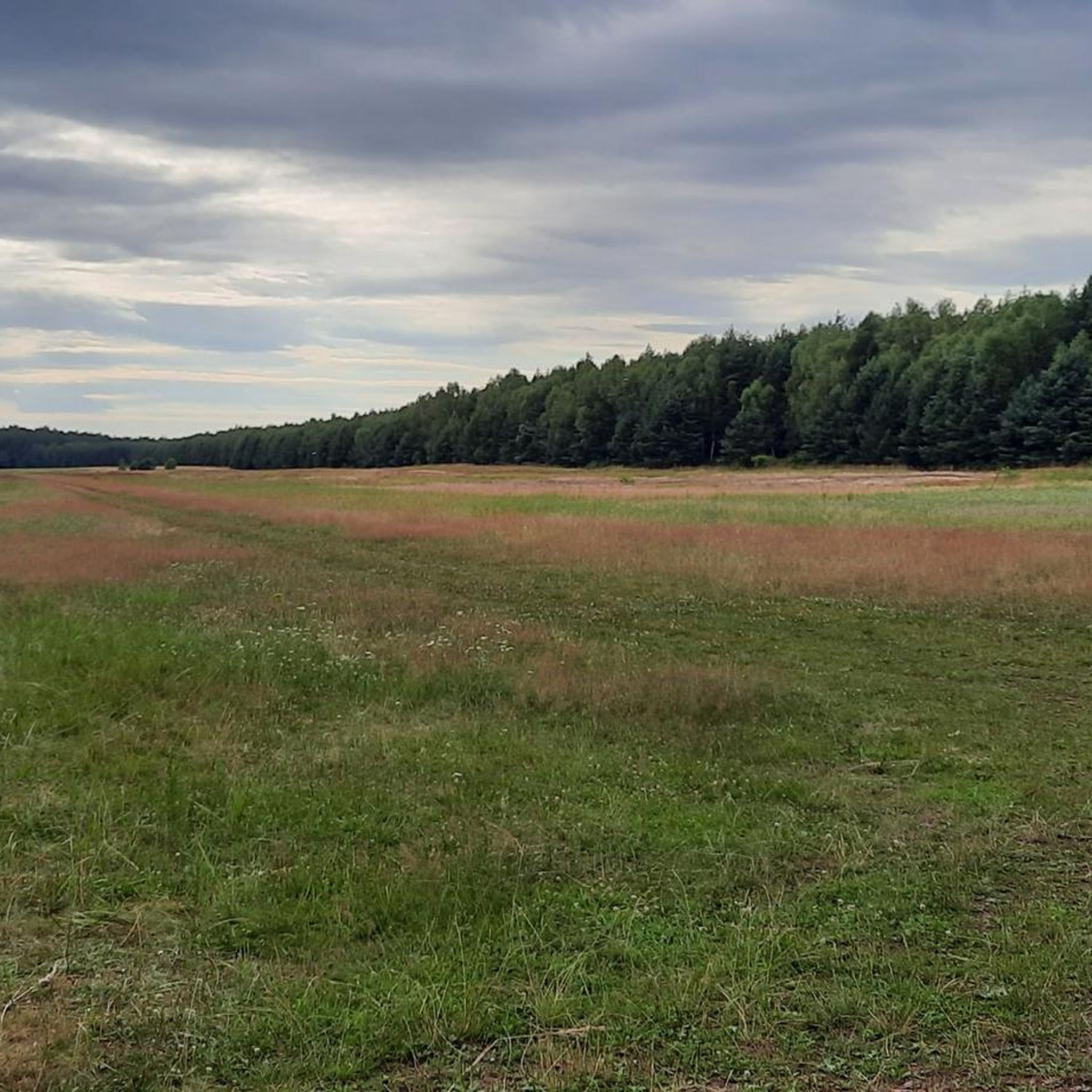
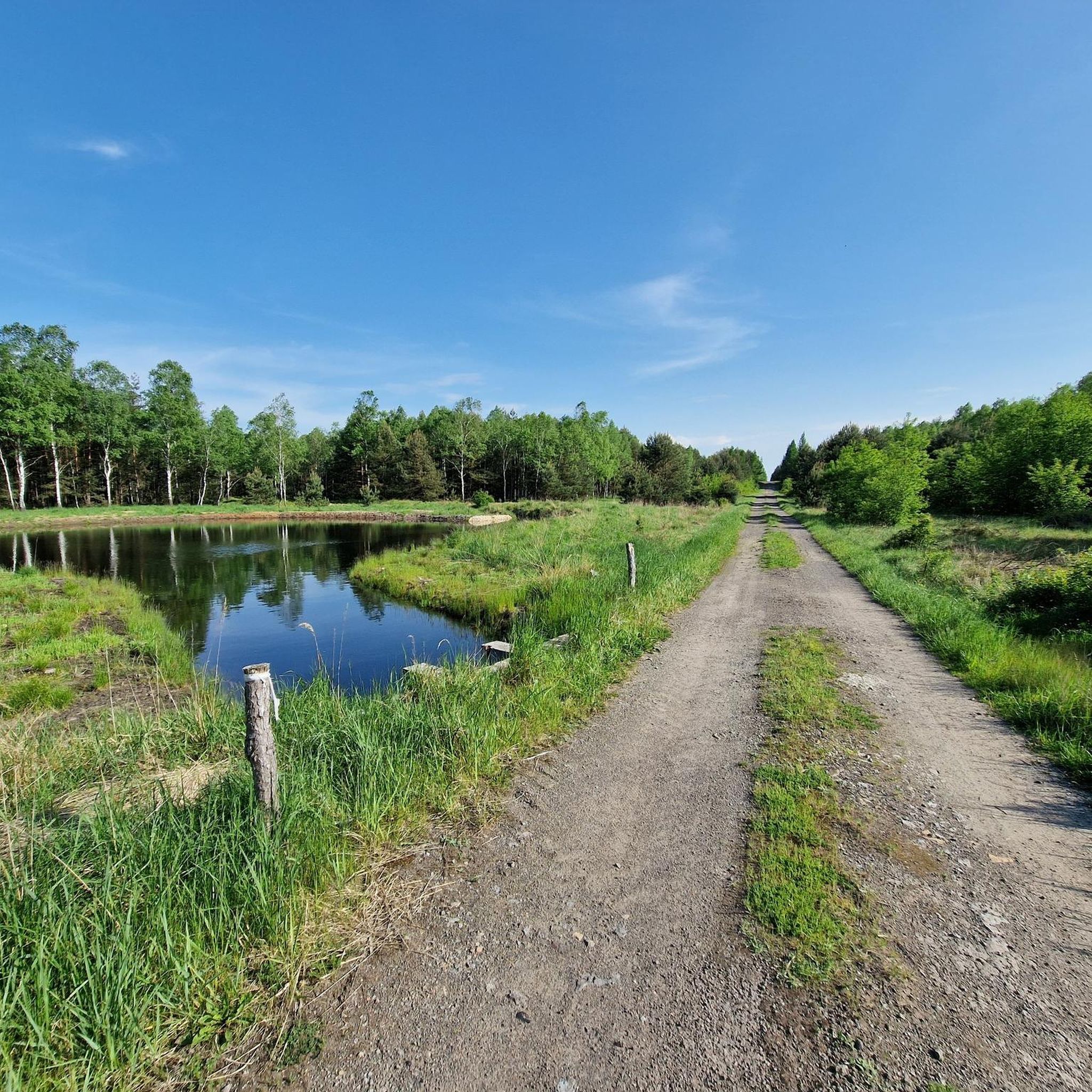
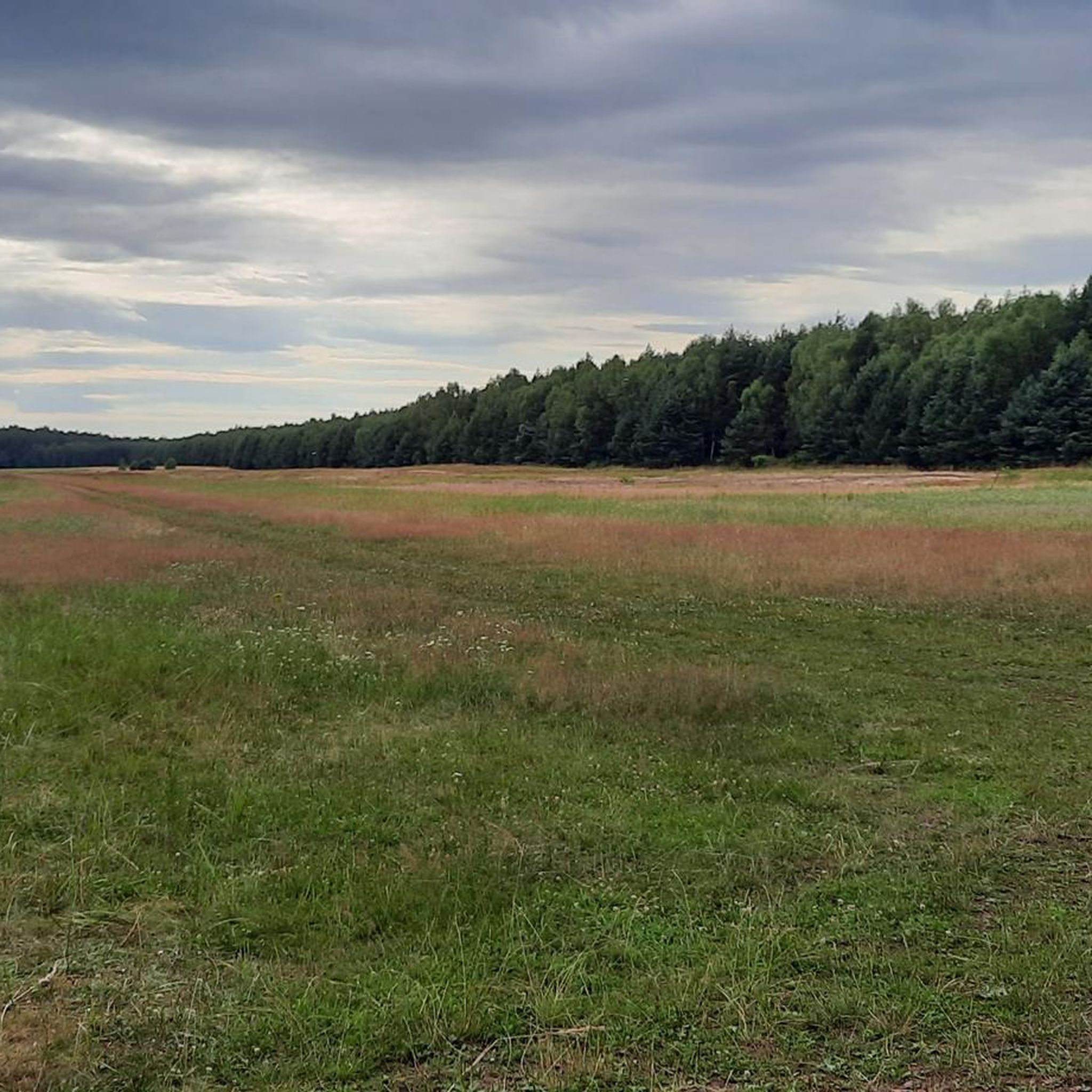
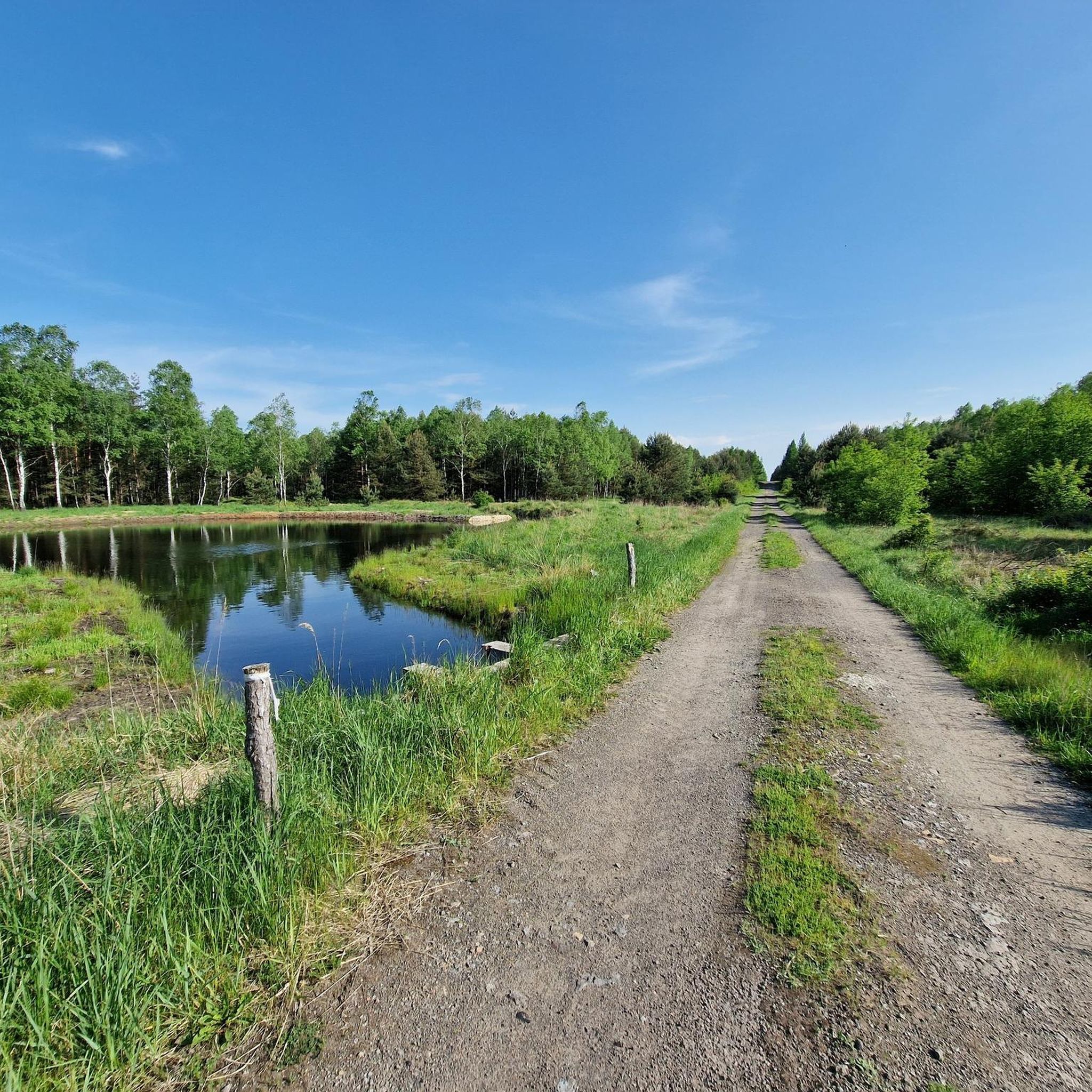
Best natural monuments around gmina Kuźnia Raciborska are concentrated within the Cistercian Landscape Compositions of Rudy Wielkie Landscape Park, offering a diverse natural environment. The region is characterized by extensive forests, historical fishponds, and significant ancient trees. It is a notable area for its rich biodiversity, particularly its avian population, and unique flora.
Best natural monuments around gmina Kuźnia Raciborska
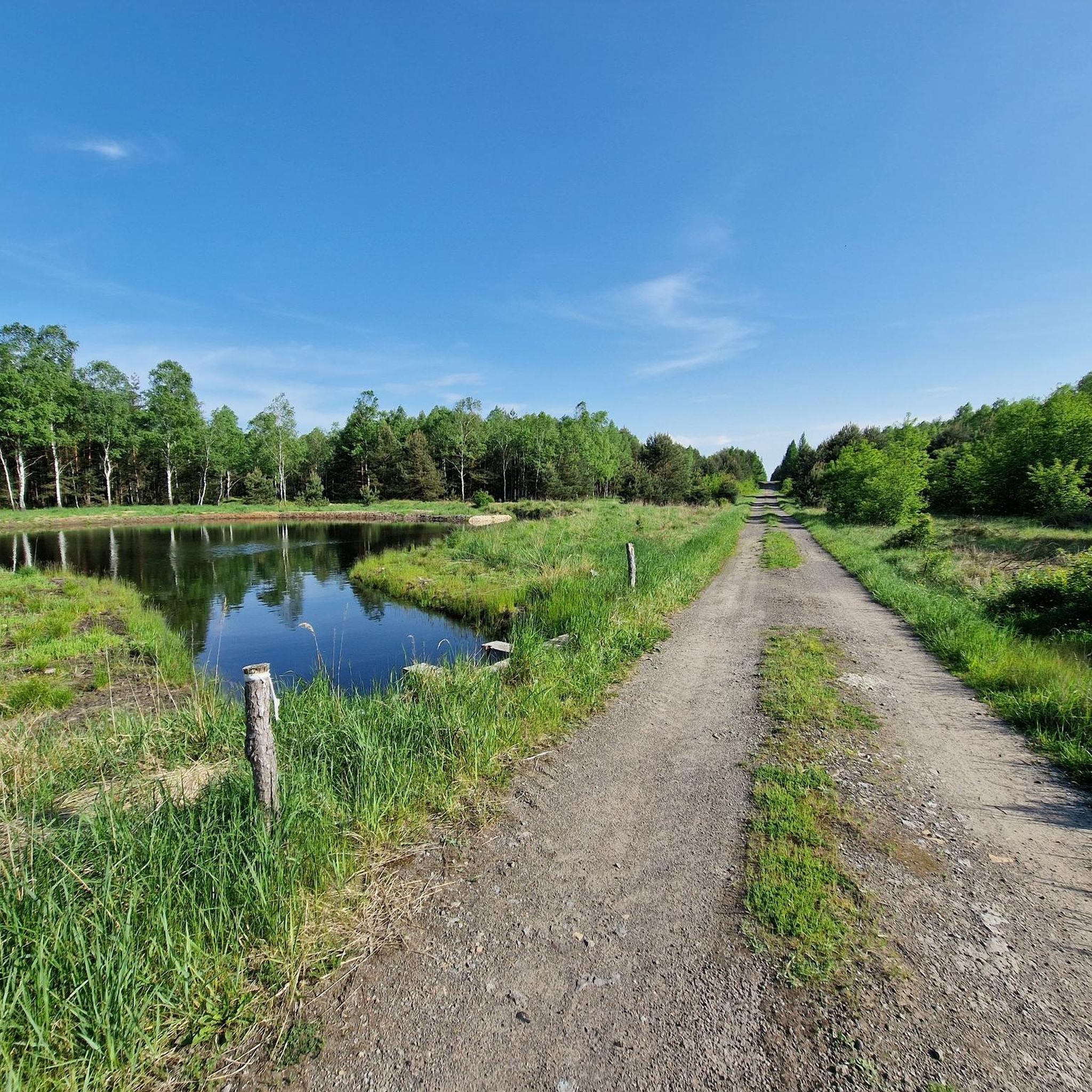
- The most popular natural monuments is Łężczok Nature Reserve, a natural monument that covers nearly 420 hectares and is…
Last updated: June 29, 2026
Sobieski Oak in Łężczok
Highlight • Natural Monument
Translated by Google •
Tip by

Cistercian Oak "Cysters"
Highlight • Natural Monument
komoot.com/de-de/collection/3600632/-naturdenkmaeler-besondere-baeume-und-weitere-schaetze-der-natur
Tip by

Sign up now to discover places like this
Get recommendations on the best single tracks, peaks, & plenty of other exciting outdoor places.
Sign up for free
Eagles' Stone
Highlight • Natural Monument
Translated by Google •
Tip by

Pope John Paul II Oak
Highlight • Natural Monument
Translated by Google •
Tip by

Łężczok Nature Reserve
Highlight • Natural Monument
Translated by Google •
Tip by

Sign up for free to discover even more natural monuments around gmina Kuźnia Raciborska.
Sign up for free
Already have an account?
Start today with a free account
Your next adventure awaits.
Login or Signup
Tips from the Community

Now part of the Collection https://www.komoot.com/de-de/collection/3600632/-naturdenkmaeler-besondere-baeume-und-weitere-schaetze-der-natur
1
0
Now part of the Collection https://www.komoot.com/de-de/collection/3600632/-naturdenkmaeler-besondere-baeume-und-weitere-schaetze-der-natur
1
0

An interesting place at the crossroads - you can rest in the shade and learn what wizura is :)
0
0


The stone is located at the intersection of 5 paths. This arrangement is said to resemble the Polish emblem - it was a gathering place for the Silesian Insurgents. This place is called Orły.
1
1


The pedunculate oak "Cysters" is one of the most beautiful old trees in historic Upper Silesia. It grows along an alley in the English park surrounding the monastery and palace complex of the former Cistercian Abbey in Rudy, just behind the presbytery of the restored Sanctuary of Our Lady of the Humble. The old man is 730 cm in circumference and reaches a height of 31 m. He is approximately 450 years old.
0
0
Frequently Asked Questions
What are the most significant natural monuments in gmina Kuźnia Raciborska?
The region is home to several remarkable natural monuments. The most prominent is the Łężczok Nature Reserve, known for its vast biodiversity. Within the reserve, you'll find the ancient Sobieski Oak in Łężczok. Another impressive tree is the Cistercian Oak "Cysters", located near the former Cistercian Abbey in Rudy.
What makes the Łężczok Nature Reserve a must-visit location?
The Łężczok Nature Reserve is the largest nature reserve in Silesia, covering nearly 420 hectares. It's renowned for its exceptional flora and fauna, especially its avian population, with over 200 bird species identified. It features a diverse ecosystem of dense forests, marshes, meadows, and historical fishponds, making it a prime spot for birdwatching and nature observation.
What is the historical significance of Sobieski's Oak?
The Sobieski Oak in Łężczok is a majestic pedunculate oak, over 400 years old. Legend has it that King John III Sobieski stopped beneath it during his march to relieve Vienna in 1683. While the tree was already around 100 years old at that time, the story adds to its historical appeal and makes it part of the 'Sobieski's Trees' tradition in Upper Silesia.
Are there other notable ancient trees to see in the area?
Yes, besides Sobieski's Oak, you can visit the Cistercian Oak "Cysters", an approximately 450-year-old pedunculate oak with a circumference of 730 cm, located in the English park surrounding the former Cistercian Abbey in Rudy. Another significant tree is the Pope John Paul II Oak, which is a descendant of Poland's oldest oak, blessed by the Pope himself.
What kind of wildlife can I expect to see in the natural monuments?
The Łężczok Nature Reserve is a haven for wildlife, particularly birds. More than half of all bird species found in Poland can be observed here, including various ducks, cormorants, and even white-tailed eagles. It's also a crucial stopover point for migratory birds like geese and cranes in spring. Bird observation towers are available for unobtrusive viewing.
What unique flora can be found in the natural monuments of gmina Kuźnia Raciborska?
The Łężczok Nature Reserve boasts unique flora, including rare and protected plants such as water caltrop, round-leaved sundew, common buckthorn, common periwinkle, and common bladderwort. In spring, the forest floor comes alive with snowdrops, wild garlic, and two-leaf squill, particularly in its multi-species deciduous and alder forests.
Are the natural monuments in gmina Kuźnia Raciborska suitable for families?
Yes, many natural monuments in the region are family-friendly. The Łężczok Nature Reserve offers designated walking and cycling paths suitable for all ages. Highlights like Sobieski Oak in Łężczok, Cistercian Oak "Cysters", Eagles' Stone, and Pope John Paul II Oak are also categorized as family-friendly, offering accessible natural experiences.
What is the best time of year to visit the natural monuments?
Spring is an excellent time to visit, especially the Łężczok Nature Reserve, as migratory birds like geese and cranes make it a crucial stopover point. The forest floor also blooms with snowdrops and wild garlic. Autumn offers beautiful foliage, while summer provides lush greenery for walking and cycling.
Are there hiking trails near these natural monuments?
Absolutely. The region offers numerous hiking opportunities. For example, you can explore trails like the 'Cistercian Abbey in Rudy – Pope John Paul II Oak loop from Rudy' or a 'Hiking loop from Kuźnia Raciborska'. You can find more details and routes in the Hiking around gmina Kuźnia Raciborska guide.
What cycling routes are available around the natural monuments?
Gmina Kuźnia Raciborska is great for cycling. You can enjoy routes such as the 'Lasy Rudzkie Bicycle Loop' or the 'Cistercian Abbey in Rudy – Trails in the RUDZKIE forests loop from Kuźnia Raciborska'. Discover more options in the Cycling around gmina Kuźnia Raciborska guide.
Is parking available at the natural monuments?
Yes, for visitors to the Łężczok Nature Reserve, free parking is available, making it convenient to access the reserve's trails and attractions.
What do visitors enjoy most about the natural monuments in gmina Kuźnia Raciborska?
Visitors particularly appreciate the serene escape offered by the natural monuments, the rich biodiversity, especially the birdwatching opportunities in the Łężczok Nature Reserve, and the impressive ancient trees like Sobieski Oak and Cistercian Oak "Cysters". The well-maintained paths for walking and cycling also receive positive feedback.
Most popular routes around gmina Kuźnia Raciborska
Most popular attractions around gmina Kuźnia Raciborska

Get inspired with the komoot mobile app


Explore more
Extend your search for the best caves by checking out these guides of the top ones around gmina Kuźnia Raciborska:
